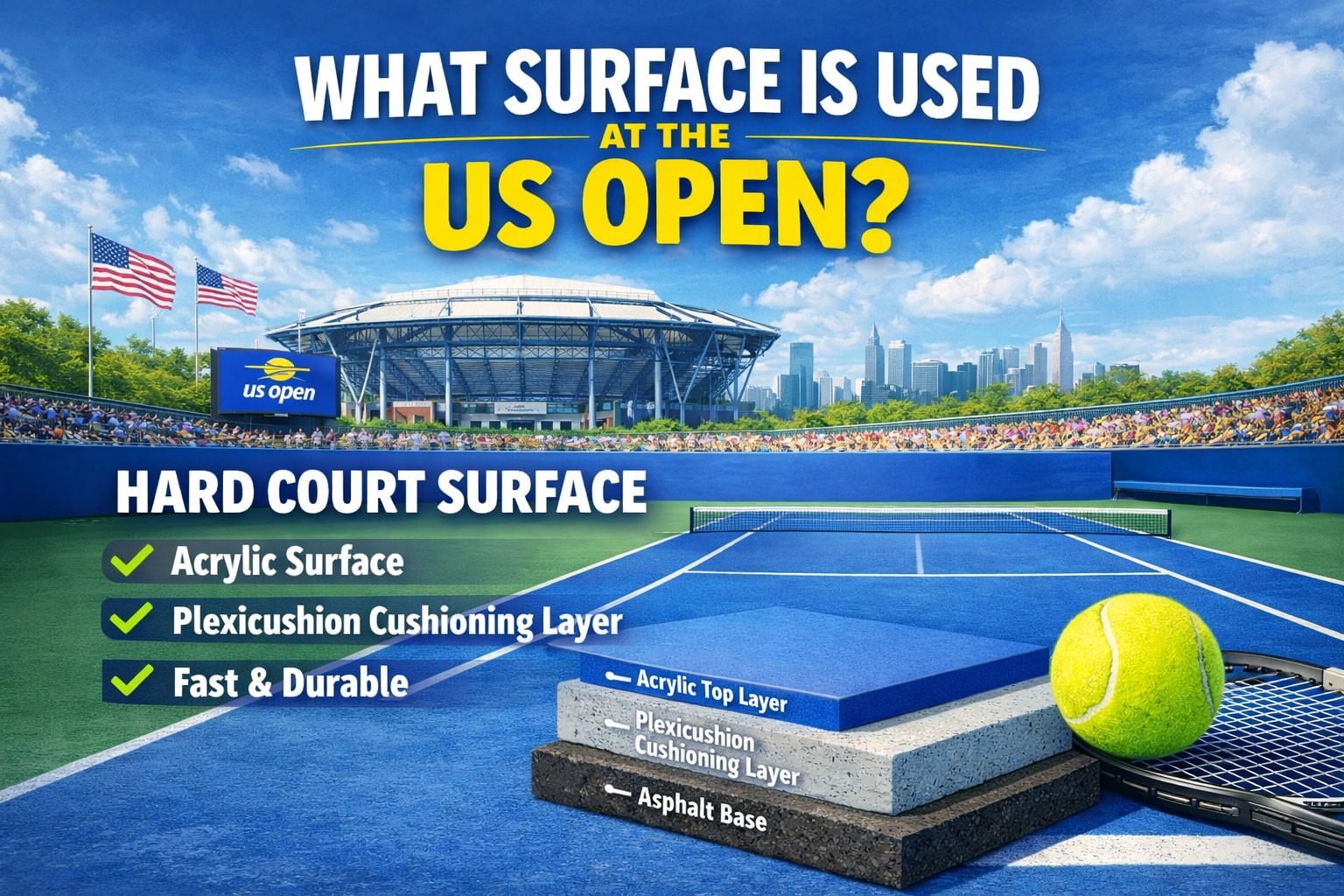
If you’ve ever watched a tennis match and wondered why some players glide across the court like dancers while others seem to struggle for balance, the answer often lies right beneath their feet. The surface of a tennis court isn’t just paint and pavement—it’s the silent architect of the game. That’s exactly why so many fans ask, “What Surface Is Used at the US Open?” And when it comes to the US Open, the surface plays a massive role in shaping how matches unfold.
Tennis is unique among major sports because it’s played on different surfaces at the highest level. Imagine if basketball were sometimes played on concrete and other times on sand—it would completely change the way athletes perform. That’s exactly what happens in tennis. The court dictates the speed of the ball, the height of the bounce, the rhythm of rallies, and even how long points last.
The US Open, one of the four Grand Slam tournaments, is known for its fast-paced, high-energy matches. But why? What’s under the players’ shoes that creates that intensity? The answer lies in its hard court surface—a carefully engineered system designed to balance speed, consistency, and durability.
But here’s where it gets interesting: the US Open surface hasn’t always been the same. Over the decades, it has evolved from grass to clay to modern hard court technology. Each change has influenced champions, playing styles, and even the history of the sport itself.
In this article, we’re going deep. Not just “it’s a hard court” deep—but layer-by-layer, history-by-history, strategy-by-strategy deep. By the end, you’ll understand exactly what surface is used at the US Open, why it matters, and how it shapes one of the biggest events in sports.
Let’s start where it all began.
Table of contents
A Brief History of the US Open Playing Surface
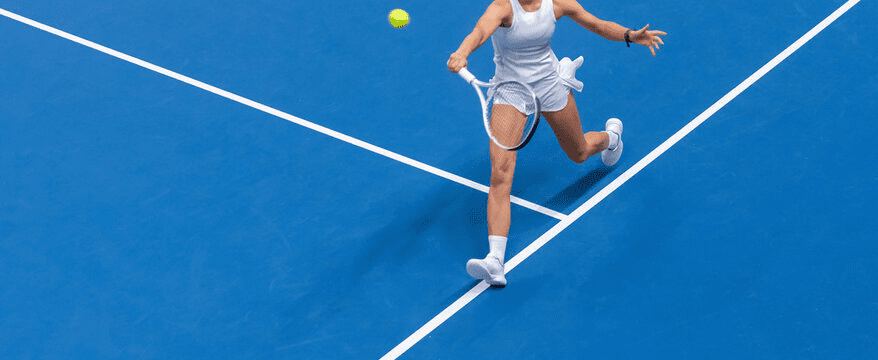
The US Open didn’t always look like it does today. In fact, if you could travel back to its earliest days, you might not even recognize it. The tournament has undergone dramatic surface transformations, each marking a new era in tennis.
Grass Era: The Early Years
When the US Open first began in 1881—then called the U.S. National Championships—it was played on grass. Yes, the same surface Wimbledon uses today. Grass courts were the gold standard of tennis at the time. They were elegant, traditional, and incredibly fast.
Grass produces a low, skidding bounce. That meant players who had strong serves and sharp volleys thrived. Points were shorter, rallies were quicker, and serve-and-volley tennis dominated. Imagine blink-and-you-miss-it exchanges—that was grass-court tennis.
But grass came with challenges. It required meticulous maintenance. Rain could turn it slippery and dangerous. High foot traffic wore it down quickly, creating uneven bounces. For a growing tournament like the US Open, that became a serious issue.
FAs tennis expanded in popularity, organizers realized they needed something more durable.
Transition to Clay (Har-Tru)
In 1975, the US Open made a bold move: it switched from grass to clay. But not the red clay used at the French Open. Instead, it adopted Har-Tru, a green clay surface made from crushed stone.
This change dramatically altered the style of play. Clay slows the ball down and produces higher bounces. Suddenly, rallies lasted longer. Baseline players had more time to construct points. Patience and endurance became critical weapons.
For three years—1975 to 1977—the US Open was a clay-court major. It’s a fascinating footnote in tennis history because it briefly aligned the US Open more closely with Roland Garros than with Wimbledon.
However, clay also required heavy maintenance and was vulnerable to weather. Plus, American tennis culture was shifting toward hard courts, which were becoming increasingly popular across the country.
So once again, change was on the horizon.
The Move to Hard Courts
In 1978, the US Open relocated to the USTA National Tennis Center (now the Billie Jean King National Tennis Center) in Flushing Meadows, New York. Along with the new venue came a new surface: hard court.
This marked the beginning of the modern US Open era.
Hard courts offered durability, consistency, and less maintenance compared to grass or clay. They provided a middle ground in terms of speed—not as fast as grass, not as slow as clay. For tournament organizers, it was practical. For players, it was a new challenge.
And this is where the surface story really gets interesting.
What Surface Is Used at the US Open Today?
Today, the US Open is played on a hard court surface known as Laykold. But that simple answer barely scratches the surface—pun intended.
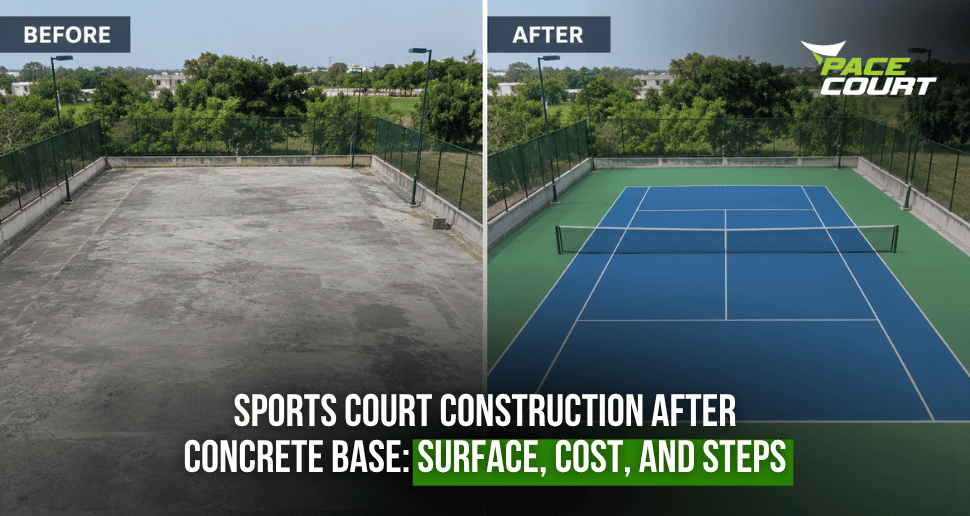
A hard court isn’t just a slab of concrete painted blue. It’s a carefully engineered, multi-layered system designed for performance, consistency, and player safety.
Let’s break it down.
Understanding Hard Courts
At its core, a hard court is built on an asphalt or concrete foundation. On top of that base are multiple layers of acrylic materials. These coatings determine how fast the ball travels and how high it bounces.
Think of it like building a high-performance track for sprinters. The base provides structure, but the top layers control traction, shock absorption, and speed.
Hard courts are considered “true bounce” surfaces. That means the ball reacts predictably. Unlike grass, which can produce bad bounces, or clay, which can be affected by loose material, hard courts are consistent. Players can trust the bounce.
This predictability is one reason the US Open produces such high-quality shot-making. Players can swing confidently, knowing how the ball will respond.
The Role of Acrylic Layers
The acrylic layers on top of the concrete aren’t just for color. They’re engineered to control pace and cushioning.
Upgrade Your Sports Court Today
Get premium synthetic acrylic flooring designed for durability, grip, and performance.
Get Free ConsultationThese layers include:
- A primer
- Cushioning layers (for shock absorption)
- Texture coats (to control grip and friction)
- Color coats (the iconic blue playing area and green outer court)
The texture determines how much the ball grips the surface. More texture means more friction, which slows the ball down. Less texture means faster play.
The US Open surface is generally categorized as medium-fast. That balance allows aggressive players to attack while still giving defenders a fighting chance.
It’s like tuning a guitar—you adjust the tension until you get just the right sound.
The Importance of the Concrete Base
Beneath everything lies the concrete or asphalt base. This foundation ensures structural integrity. Without it, the court would crack, shift, or wear unevenly.
The base also influences how much energy is returned to the ball. A firm base means more energy transfer, resulting in a lively bounce.
But here’s the trade-off: harder surfaces can be tougher on players’ bodies. Knees, hips, and ankles absorb more impact compared to clay. That’s one reason hard-court seasons can be physically demanding.
Still, advancements in cushioning technology—like those used in Laykold—help reduce strain while maintaining speed.
And that brings us to a key development in recent US Open history.
What Is DecoTurf?
For decades, the US Open wasn’t played on Laykold. It was played on DecoTurf. If you watched the tournament anytime between 1978 and 2019, you were watching tennis on DecoTurf.
DecoTurf became synonymous with the US Open. It shaped generations of champions—from Pete Sampras to Serena Williams.
But what exactly was it?
DecoTurf was a hard-court surface made of layered acrylic materials over asphalt or concrete. It was known for being relatively fast compared to other hard courts.
The speed favored aggressive baseliners and big servers. Players who could take the ball early and dictate points thrived.
Over time, however, technology evolved—and so did player expectations.
What Is Laykold and Why Did the US Open Switch to It?
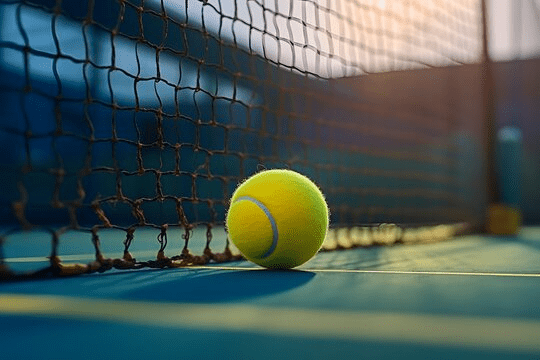
In 2020, the US Open introduced a new playing surface: Laykold. For many casual fans, the change went unnoticed. The courts were still blue. The matches were still electric. But for players? The difference was real.
Laykold is a modern hard-court system designed to offer more consistency across varying temperatures. That’s important in New York, where late-summer weather can swing from humid and sticky to surprisingly cool in a matter of days. Temperature changes can affect how a court plays—hot weather can make surfaces faster, while cooler conditions can slow them down.
The switch wasn’t random. It was strategic.
Tournament organizers wanted:
- Greater temperature stability
- Improved durability
- More uniform performance across all match courts
- Enhanced player comfort
Laykold uses a specialized acrylic formulation and cushioning system that reduces variability. In simple terms, the court behaves more predictably regardless of whether it’s 75°F or 95°F.
Professional players immediately commented on subtle differences. Some felt it played slightly faster. Others noticed a cleaner, more consistent bounce. But overall, it maintained the US Open’s identity as a medium-fast hard court.
Think of it like upgrading from a reliable sports car to a newer model with better suspension and smarter engineering. The spirit remains the same—but the ride feels smoother.
How the US Open Surface Affects Gameplay
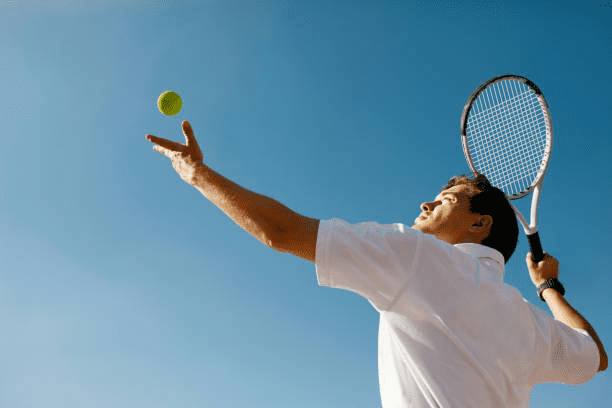
Now here’s where things get exciting. The surface doesn’t just sit there—it actively shapes every rally, every strategy, every championship moment.
Hard courts, especially the Laykold system used at the US Open, create a balanced playing field. But “balanced” doesn’t mean neutral. It means dynamic.
Let’s break down how.
Speed and Bounce Characteristics
The US Open surface is categorized as medium-fast. That means the ball moves quickly through the court, but not at lightning speed like old-school grass.
The bounce is:
- Higher than grass
- Lower than clay
- Extremely consistent
This consistency allows players to strike the ball aggressively without second-guessing the bounce. Big hitters love this. Flat shots penetrate the court. Power translates directly into winners.
At the same time, the bounce is high enough to allow topspin players to engage in longer rallies. Unlike grass, where the ball stays low, hard courts give defenders a fighting chance.
It’s like a perfectly tuned engine—powerful, but controlled.
And because the bounce is true, matches often become battles of precision. Margins are slim. One inch long or wide can decide a set.
Impact on Different Playing Styles
One of the most fascinating aspects of the US Open surface is how it accommodates multiple styles.
- Big Servers benefit because the court rewards pace.
- Aggressive Baseliner thrive because the bounce is predictable.
- Counterpunchers can still grind out points due to moderate speed.
- All-Court Players can transition to the net effectively.
Unlike clay, which heavily favors defensive specialists, or grass, which favors serve-and-volleyers, the US Open hard court is more democratic.
That’s why you see such variety in champions:
- Power players like Serena Williams
- Baseline tacticians like Novak Djokovic
- Aggressive shot-makers like Naomi Osaka
- Relentless defenders like Rafael Nadal
The surface doesn’t hand the advantage to one archetype—it rewards adaptability.
And in a way, that makes the tournament feel more unpredictable. On any given day, multiple playing styles can succeed.
Effect on Player Movement and Footwork
Movement on hard courts is completely different from clay or grass.
On clay, players slide into shots. On grass, footing can be slippery. But on the US Open hard court? Movement is explosive and precise.
Players rely on:
- Quick first steps
- Strong lateral movement
- Controlled stopping power
There’s minimal sliding. Instead, it’s about planting, pushing off, and accelerating again. It demands muscular strength and joint stability.
This is why hard-court seasons are physically taxing. The surface doesn’t absorb as much impact as clay. Over two weeks of high-intensity matches, the body feels it.
Yet the Laykold cushioning system helps mitigate some stress by providing shock absorption layers beneath the acrylic topcoat.
Think of it as running on a high-performance athletic track rather than pure concrete. It’s firm—but engineered.
Comparison: US Open Surface vs Other Grand Slams
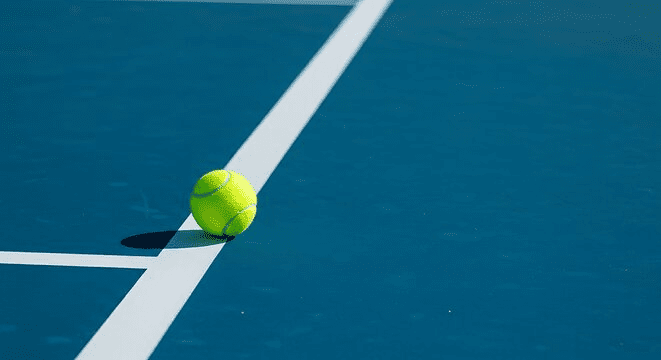
To truly understand the US Open surface, you have to see it in context. Each Grand Slam has its own identity—and the surface defines it.
Australian Open
Like the US Open, the Australian Open is played on a hard court. However, it uses a different surface system (currently GreenSet).
While both are hard courts, subtle differences exist:
- The Australian Open tends to play slightly slower in extreme heat.
- Bounce characteristics can vary slightly due to climate.
- The overall pace is often considered medium.
Because both tournaments are hard-court majors, players who perform well in one often perform well in the other. However, New York’s humidity and night-session atmosphere create a unique playing dynamic.
French Open
The French Open is played on red clay. This is the polar opposite of the US Open surface.
Clay:
- Slows the ball dramatically
- Produces high, heavy bounces
- Encourages long rallies
- Rewards endurance
Points can stretch into grueling exchanges. Sliding is essential. Patience becomes a weapon.
If the US Open is a boxing match with explosive punches, the French Open is a marathon chess battle.
Transitioning from clay to the US Open hard court requires significant tactical adjustment. Timing changes. Movement patterns shift. Aggression levels increase.
Wimbledon
Wimbledon is played on grass—the fastest and lowest-bouncing surface in tennis.
Grass:
- Produces skidding bounces
- Shortens rallies
- Favors big servers and net play
Compared to Wimbledon, the US Open is slower and more baseline-oriented. However, it’s still much faster than clay.
Each Slam tells a different story. The US Open’s story is one of intensity, power, and rhythm.
Weather and Surface Interaction
New York weather plays a quiet but important role in how the surface behaves.
How Heat Influences the Court
On hot days, hard courts can feel faster. The ball moves through warm air more quickly, and the surface may become slightly livelier.
Players often mention that day matches feel different from night matches. Under the lights, cooler temperatures can:
- Slow conditions slightly
- Change ball feel
- Alter serve effectiveness
The Laykold surface was specifically engineered to minimize temperature-related variability. That means whether it’s a scorching afternoon or a breezy evening, performance stays consistent.
Consistency equals fairness.
Humidity and Ball Behavior
Humidity affects the tennis balls more than the court itself. In sticky New York conditions, balls can become heavier. Heavier balls travel slower and bounce slightly differently.
This can lead to:
- Longer rallies
- More topspin exchanges
- Physical baseline battles
It’s subtle—but at the elite level, subtle differences decide championships.
Maintenance of the US Open Surface
You might think hard courts require little upkeep. Compared to grass and clay, that’s true—but they still demand precision care.
Daily Court Preparation
Each day, tournament staff:
- Clean the surface
- Inspect for cracks or irregularities
- Ensure uniform texture
- Monitor paint condition
The goal is simple: every court should play identically.
Consistency is everything in professional tennis. A slightly rough patch could alter a bounce—and potentially change a match outcome.
Longevity and Durability
Hard courts are incredibly durable. Unlike grass, they don’t wear down in the same way. Unlike clay, they don’t require daily resurfacing.
However, over time, acrylic layers do wear and must be reapplied. The USTA periodically resurfaces courts to maintain world-class conditions.
It’s an investment—but one that preserves the tournament’s reputation.
Famous Matches Influenced by the Surface
Think about some iconic US Open battles—long five-set thrillers filled with baseline firepower.
The surface allowed:
- Blistering forehand winners
- Massive serves
- Lightning-fast rallies
Players like Pete Sampras used the speed to dominate with serve-and-volley tactics. Serena Williams leveraged power and precision. Novak Djokovic turned defense into offense with elastic movement.
The surface didn’t decide the winners—but it amplified their strengths.
Why Hard Courts Are Popular Worldwide
Hard courts dominate public tennis facilities around the world. Why?
- Cost-effective
- Durable
- Weather-resistant
- Balanced playing style
They offer a fair compromise between speed and control. That balance mirrors the US Open’s identity—dynamic, inclusive, and intense.
Common Misconceptions About the US Open Surface
Some people believe:
- It’s the fastest surface in tennis (it’s not).
- It’s identical to the Australian Open (similar, but not the same).
- All hard courts play the same (they don’t).
Surface composition, texture, and cushioning layers all matter.
Small engineering choices create meaningful differences.
Future of the US Open Playing Surface
Technology never stands still. As sports science evolves, surfaces will continue improving.
Future developments may focus on:
- Enhanced player joint protection
- Greater environmental sustainability
- Even more temperature stability
But one thing will remain: the US Open will stay on hard court. It has become part of its identity.
Conclusion
So, what surface is used at the US Open?
Today, it’s a Laykold hard court—a carefully engineered acrylic surface layered over asphalt or concrete. It offers medium-fast speed, consistent bounce, and durability capable of withstanding two weeks of elite competition in New York’s unpredictable weather.
But it’s more than just material. It’s personality. It’s the reason rallies crackle with intensity. It’s why big servers roar and baseline hitters thrive. It’s the stage beneath the spotlight.
From grass to clay to modern hard court innovation, the US Open surface has evolved alongside the sport itself. And every August, when the world’s best step onto that iconic blue court, they’re stepping onto a surface designed for drama.
Stay Updated with Pacecourt
Discover expert insights, practical tips, and the latest industry updates from Pacecourt, covering sports flooring, tennis and multi-sport court construction, resurfacing, maintenance, court performance, and innovative sports infrastructure solutions.
Powered by Google's Preferred Sources feature