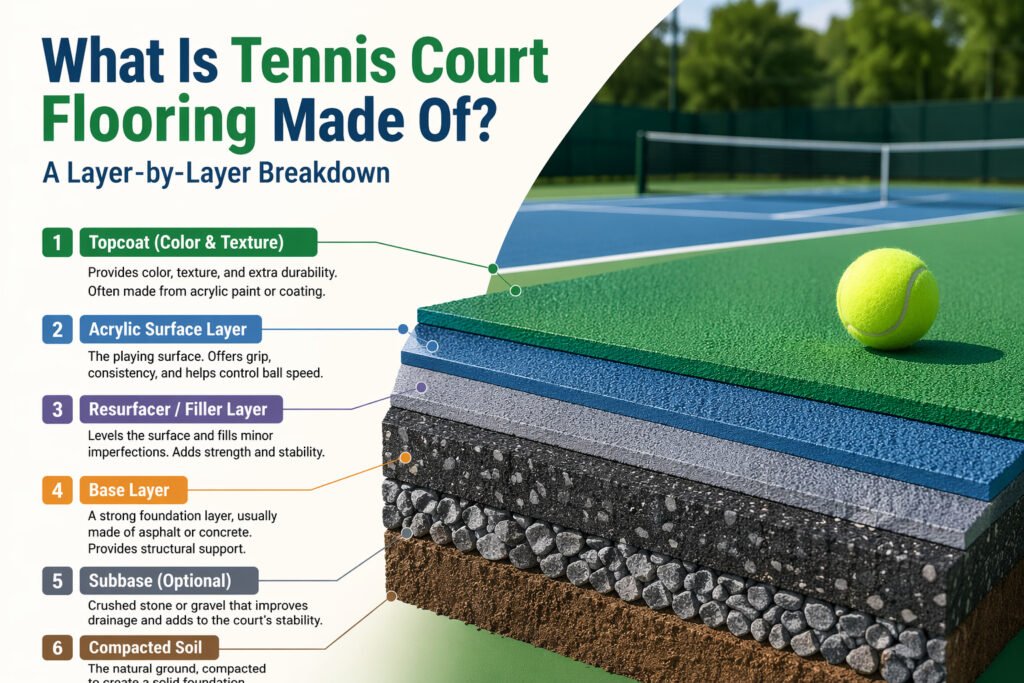
What Is Tennis Court Flooring Made Of? A Layer-by-Layer Breakdown
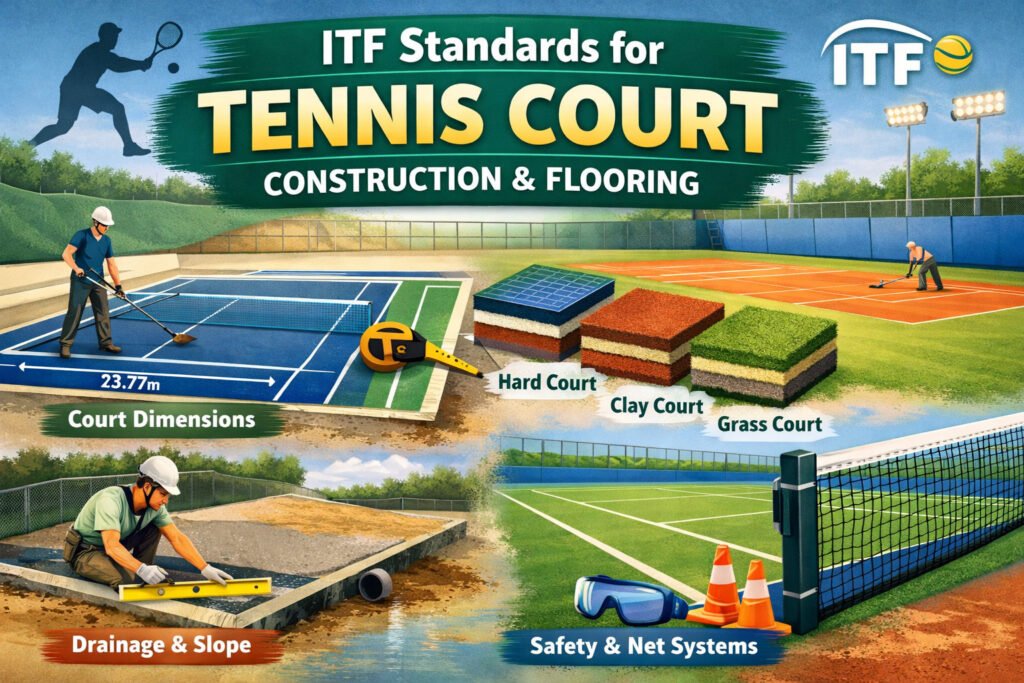
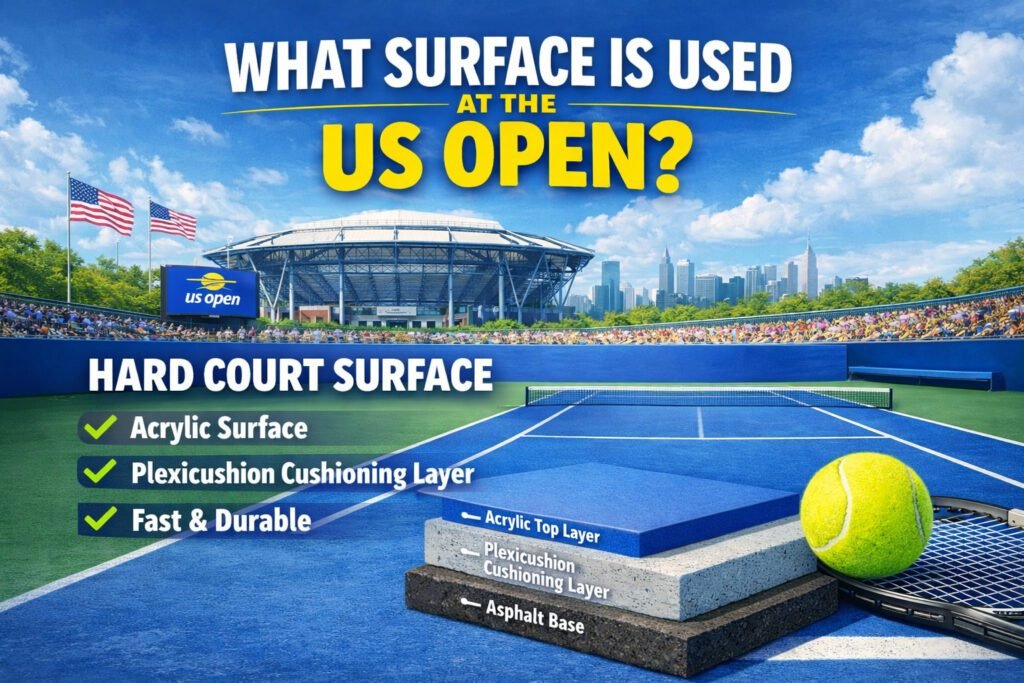
When you step onto a tennis court, it’s easy to focus on the net, the lines, or even the racket in your hand. But what’s beneath your feet is doing far more work than you might imagine. Tennis court flooring isn’t just a flat surface—it’s a carefully engineered system designed to balance performance, durability, and player safety. Think of it like a layered cake, where each tier serves a unique purpose, and removing even one layer would completely change the experience. The type and quality of flooring directly influence how the ball bounces, how players move, and even how injuries occur. For example, a court with poor shock absorption can put excessive strain on joints, leading to long-term issues for players. On the other hand, a well-constructed surface enhances gameplay, offering consistent bounce and reliable traction. According to sports surface experts, nearly 70% of player performance variability on different courts can be attributed to surface characteristics alone. What makes tennis court flooring fascinating is how it blends engineering with sport science. Each layer—from the deep subgrade to the colorful topcoat—is designed with precision. These layers collectively manage water drainage, structural stability, and even temperature fluctuations. Without this layered approach, courts would crack, flood, or wear out quickly. So, when someone asks what tennis court flooring is made of, the real answer isn’t a single material—it’s a system. A system built with intention, where every layer contributes to the overall playing experience. And once you understand this structure, you’ll never look at a tennis court the same way again. Overview of Tennis Court Surface Types Hard Courts vs Clay vs Grass vs Synthetic Before diving into the layers themselves, it’s important to understand that not all tennis courts are built the same way. The materials used—and how those layers are arranged—depend heavily on the type of surface being created. Each surface has its own personality, almost like different terrains in nature, shaping how the game unfolds. Hard courts are the most common, especially in urban and professional settings. These are typically made using asphalt or concrete bases topped with acrylic coatings. They offer a consistent bounce and are relatively low maintenance, which explains why tournaments like the US Open favor them. Clay courts, on the other hand, are slower and more forgiving. Built with crushed stone and topped with brick dust, they create higher ball bounce and longer rallies. It’s no coincidence that clay specialists often dominate on these surfaces. Grass courts are the oldest and arguably the most prestigious. Wimbledon is the crown jewel of grass court tennis, where the surface is made from natural grass grown over compacted soil. These courts are fast, with low and unpredictable bounces, demanding quick reflexes and adaptability. Then there are synthetic courts, which blend elements of different surfaces using artificial materials. These are increasingly popular due to their versatility and lower maintenance requirements. Some even mimic clay or grass characteristics without the associated upkeep. Here’s a quick comparison: Surface Type Main Materials Speed Maintenance Hard Court Asphalt, Acrylic Medium-Fast Low Clay Court Crushed Stone, Brick Dust Slow High Grass Court Natural Grass, Soil Fast Very High Synthetic Artificial Turf, Polymer Variable Medium Understanding these differences is crucial because each surface type uses a slightly different layering system. Still, the core principle remains the same: multiple layers working together to create a playable, durable court. The Multi-Layer Structure of a Tennis Court Why Tennis Courts Are Built in Layers At first glance, a tennis court might seem like a single slab of material, but in reality, it’s more like a high-performance sandwich. Each layer has a distinct role, and removing or poorly constructing one can compromise the entire structure. This layered approach is what allows courts to withstand years of play, weather exposure, and structural stress. The idea behind layering is simple but powerful: distribute responsibilities. Instead of relying on one material to handle everything—like strength, flexibility, and drainage—engineers assign each function to a specific layer. For example, the bottom layers focus on stability and drainage, while the upper layers prioritize comfort and playability. This division of labor ensures that the court performs consistently over time. Another reason for layering is environmental adaptation. Tennis courts are exposed to extreme conditions—rain, heat, cold, and even ground movement. Without a proper layering system, these factors would quickly lead to cracks, water pooling, or uneven surfaces. A well-designed court can last 15 to 25 years, largely because of its layered construction. There’s also a safety component. Modern courts often include cushioning layers that reduce impact stress on players’ joints. This is especially important in professional settings where athletes train for hours daily. According to sports medicine studies, cushioned courts can reduce joint impact by up to 30%, significantly lowering injury risks. In essence, the layered structure transforms a simple playing surface into a sophisticated system. It’s not just about building a court—it’s about engineering an experience. And once you start peeling back those layers, you’ll see just how much thought goes into every inch beneath your feet. Subgrade Layer – The Foundation Beneath It All Materials Used in Subgrade Construction If a tennis court were a building, the subgrade layer would be its bedrock—the unseen but absolutely essential base that determines everything built above it. This is the natural soil or prepared ground on which the entire court rests. It might not look glamorous, but without a properly constructed subgrade, even the most expensive surface materials will fail sooner than expected. The process begins with excavation and grading. Contractors remove unsuitable soil, debris, and organic matter to create a stable, uniform base. Then comes compaction, which is critical. The soil is compressed using heavy machinery to eliminate air pockets and prevent future shifting. A poorly compacted subgrade can lead to uneven surfaces, cracks, and even structural collapse over time. Experts often emphasize that up to 50% of a court’s longevity depends on proper subgrade preparation, which highlights just how crucial this layer is. Materials used in