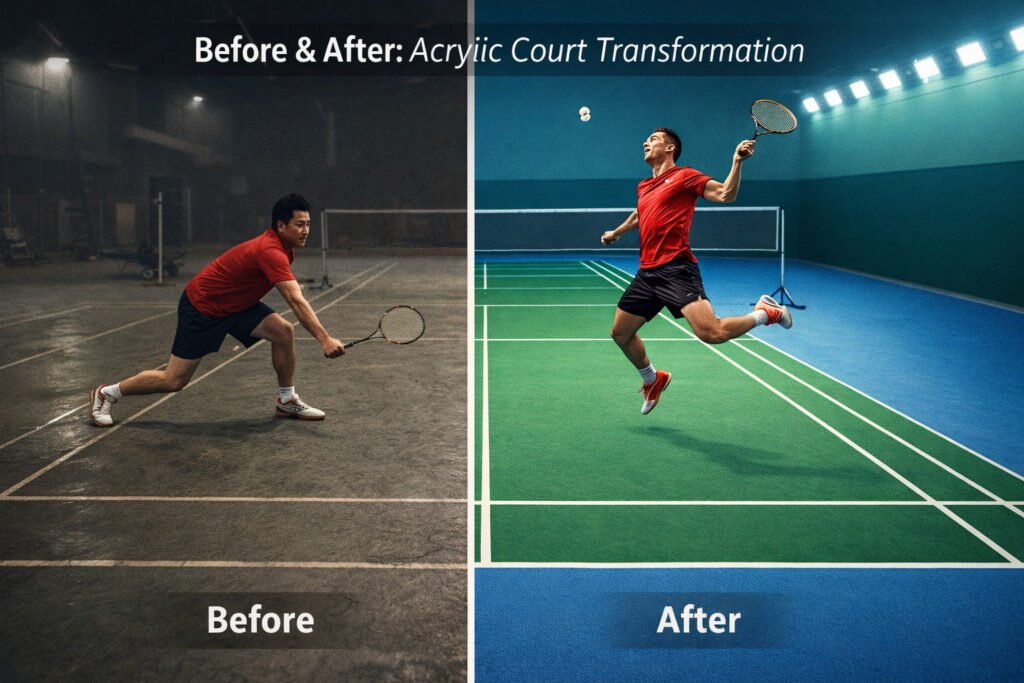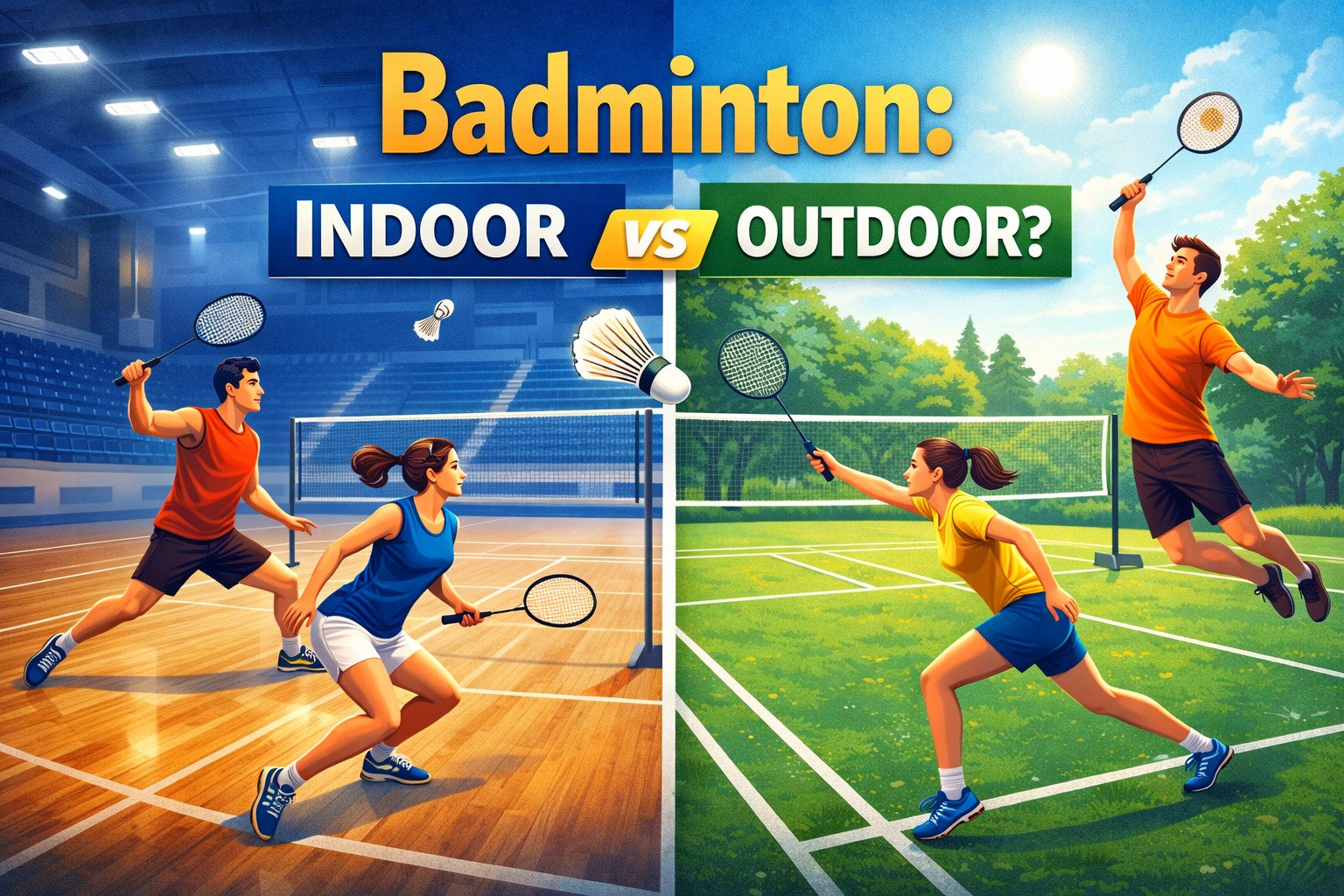
Badminton is one of those sports that looks simple at first glance. A net, two rackets, a shuttlecock—how complicated can it be, right? But once you start playing, you quickly realize there’s more to it than meets the eye. One of the most common debates around Badminton Indoor or Outdoor play is: Should badminton be played indoors or outdoors? And honestly, the answer isn’t as straightforward as you might think.
If you’ve ever watched professional badminton on television, you’ve probably noticed that it’s always played indoors. Bright lights, polished courts, zero wind interference—it looks controlled and precise. On the other hand, many of us were introduced to badminton in a backyard, at a park, or on a beach during a family picnic. No official court lines, no referees—just pure fun. So which version is the “real” badminton?
The debate between indoor and outdoor badminton isn’t just about preference. It touches on performance, skill development, equipment, weather conditions, and even your goals as a player. Are you playing competitively? Are you just looking to stay active? Do you enjoy structure, or do you prefer flexibility?
Think of indoor badminton like a finely tuned orchestra—every element carefully controlled. Outdoor badminton, on the other hand, feels more like a jam session in the park—free-flowing, unpredictable, and often more relaxed. Neither is inherently better; they simply offer different experiences.
In this guide, we’ll break down everything you need to know about indoor and outdoor badminton. From shuttlecock behavior to cost comparisons, from fitness benefits to professional standards—we’re covering it all. By the end, you’ll have a clear idea of which environment suits your playing style, goals, and personality.
Let’s dive deeper into where badminton really belongs—and where it might belong for you.
Table of contents
The Origins of Badminton and Where It Was First Played
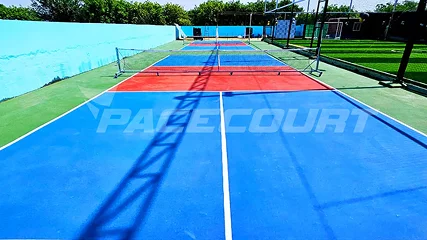
To truly understand whether badminton is meant for indoor or outdoor play, we need to travel back in time. The roots of badminton trace back over 2,000 years to ancient civilizations. Early versions of the game were played in Greece, China, and India. One popular form, known as “Battledore and Shuttlecock,” involved players hitting a shuttle back and forth without letting it touch the ground. Sound familiar?
Interestingly, these early versions were mostly played outdoors. There were no dedicated indoor stadiums, no standardized courts, and definitely no air-conditioned arenas. People played in open courtyards, gardens, and village squares. It was recreational, social, and often informal.
The modern version of badminton, however, began to take shape in British India during the 19th century. British officers stationed in India adapted the traditional game and formalized its rules. They later introduced it to England, where it was played at the Duke of Beaufort’s estate—Badminton House. And yes, that’s where the sport got its name.
As the sport gained popularity, something important changed: structure. Rules became standardized. Court dimensions were defined. Competitive play emerged. And with competition came the need for control. Wind, uneven ground, and unpredictable weather were no longer acceptable variables. This is when indoor courts started becoming the norm.
So historically speaking, badminton started outdoors but evolved indoors. It transitioned from a casual pastime into a precision-based competitive sport. That shift tells us something important: the environment began to matter more as skill levels increased.
It’s a bit like street soccer versus stadium soccer. Both are soccer, but the experience—and the demands—are different. The same applies to badminton.
Understanding its origins helps us see that neither indoor nor outdoor play is “wrong.” Instead, they represent two stages of the sport’s evolution—one recreational, the other competitive.
What Makes Indoor Badminton Unique?
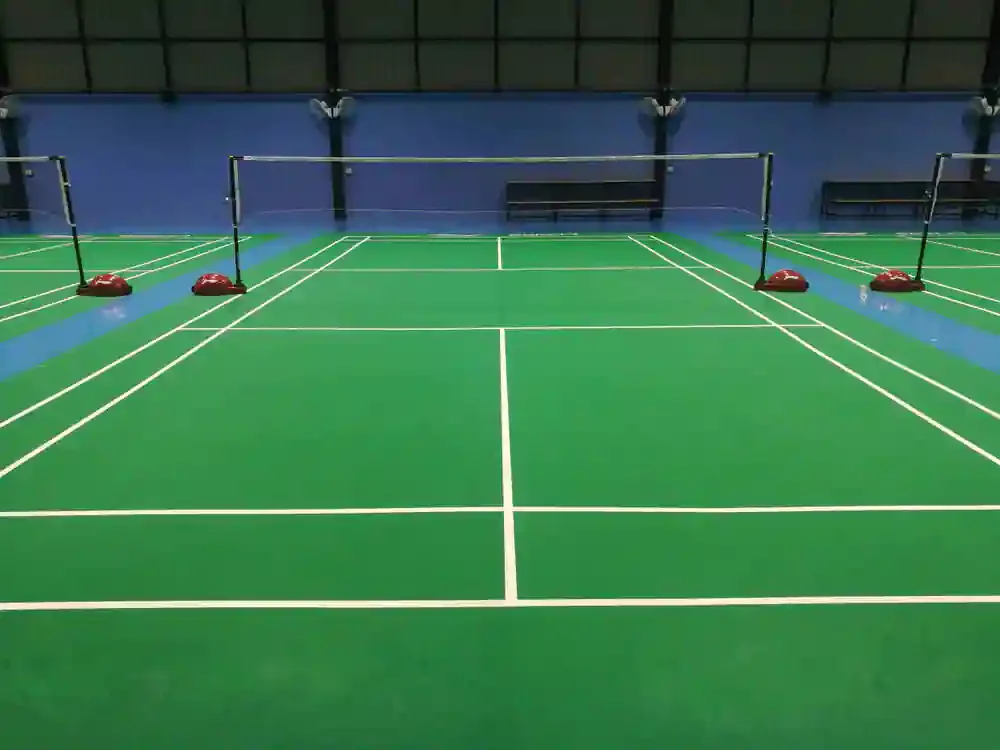
Indoor badminton isn’t just about being inside a building. It’s about control, precision, and consistency. The moment you step into a proper badminton hall, you can feel the difference. The air is still. The lighting is bright but evenly distributed. The court lines are crisp and standardized. Everything is designed to eliminate distractions and variables.
Why does this matter so much? Because badminton is incredibly sensitive to environmental changes. The shuttlecock is lightweight—usually weighing between 4.74 and 5.50 grams. That’s lighter than a standard sheet of paper. Even the slightest breeze can send it off course. Indoors, there’s no wind to fight against. Every shot you make depends entirely on your technique and timing.
Another defining feature of indoor badminton is the surface. Courts are typically made of wood or synthetic materials designed to absorb shock and provide grip. This reduces injury risk and allows for explosive footwork. Quick lunges, rapid direction changes, and powerful smashes become safer and more effective.
Lighting is another underrated factor. Indoor courts are carefully illuminated to ensure players can track the shuttlecock without glare or shadows. In outdoor settings, sunlight can interfere with visibility, especially during early mornings or late afternoons.
Indoor badminton is also the standard for professional competition. International tournaments, including the Olympics, are held exclusively indoors. The reason is simple: fairness. A controlled environment ensures that matches are decided by skill—not by a sudden gust of wind.
In short, indoor badminton is like playing chess in a quiet room. Every move counts. Every mistake is yours. There are no external excuses. It’s pure, skill-based competition at its finest.
What Is Outdoor Badminton Like?
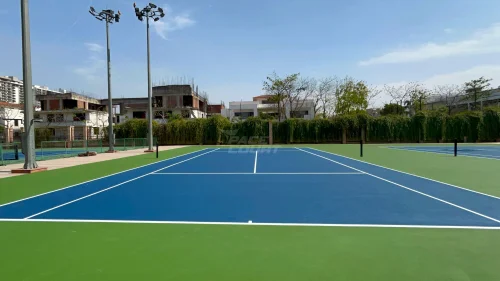
Outdoor badminton feels completely different—and that’s not necessarily a bad thing. If indoor badminton is structured and precise, outdoor badminton is relaxed and spontaneous. It’s the version many people grow up with: a net tied between two poles, rackets in hand, laughter in the background.
Playing outdoors introduces elements that indoor players rarely deal with. Wind is the biggest game-changer. Even a gentle breeze can dramatically alter the shuttlecock’s path. You might aim straight, only to watch it curve unexpectedly. This unpredictability can be frustrating, but it can also be fun. It forces you to adapt and react quickly.
Then there’s the surface. Grass, sand, concrete—each one changes how you move. Unlike indoor courts designed for traction and shock absorption, outdoor surfaces can be uneven or slippery. Footwork becomes less explosive and more cautious.
But here’s the beauty of outdoor badminton: accessibility. You don’t need to book a court or pay membership fees. All you need is a net (sometimes not even that), a couple of rackets, and a shuttlecock. It’s easy to set up in parks, beaches, or backyards.
Outdoor play also brings a social element. It’s often less competitive and more about enjoyment. Families play together. Friends laugh over missed shots. The pressure is lower, and the atmosphere is lighter.
Sure, it may not offer the precision of indoor badminton, but it delivers something equally valuable—freedom. It turns the sport into a shared experience rather than a structured competition.
So, is outdoor badminton less “serious”? Maybe. But is it less enjoyable? Not at all.
Key Differences Between Indoor and Outdoor Badminton
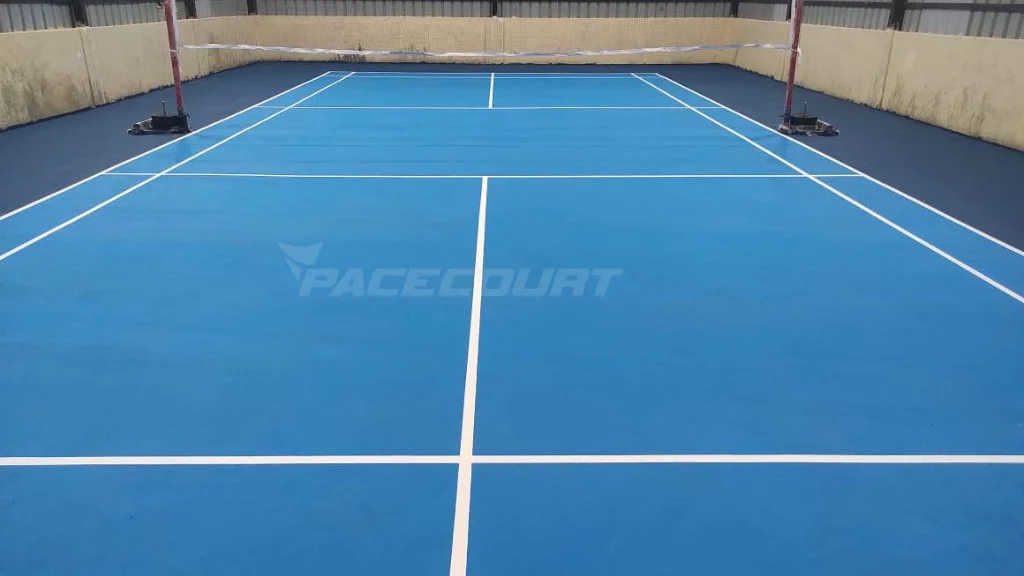
When you place indoor and outdoor badminton side by side, the differences become crystal clear. It’s like comparing driving on a smooth highway to navigating a winding country road. Both get you moving, but the experience—and the level of control—changes dramatically.
The biggest difference lies in environmental control. Indoor badminton eliminates wind, uneven surfaces, and harsh lighting. Outdoor badminton embraces them. Indoors, your performance depends almost entirely on your technique, timing, and strategy. Outdoors, nature becomes an uninvited third opponent. A sudden gust can carry the shuttle long. The sun can blur your vision. Even temperature can affect how the shuttle flies.
Another major distinction is the purpose of play. Indoor badminton is typically competitive and structured. It follows official rules, standard court measurements, and tournament regulations. Outdoor badminton is often recreational. Rules may be relaxed, scoring informal, and boundaries loosely defined.
The pace of the game also shifts. Indoor rallies tend to be faster and more aggressive because players can rely on predictable shuttle movement. Outdoor rallies are usually slower and more cautious due to wind interference and unstable footing.
Here’s a quick comparison to make it easier:
| Aspect | Indoor Badminton | Outdoor Badminton |
|---|---|---|
| Wind Factor | None | Significant |
| Court Surface | Wooden/Synthetic | Grass, Sand, Concrete |
| Skill Focus | Precision & Speed | Adaptability |
| Competitive Level | Professional & Club | Recreational |
| Accessibility | Requires court booking | Easy setup anywhere |
In short, indoor badminton emphasizes mastery. Outdoor badminton emphasizes flexibility. One sharpens your competitive edge. The other nurtures spontaneity and fun.
Understanding these differences helps you choose based on your goal. Are you training for tournaments? Or are you just looking to enjoy a sunny afternoon rally with friends?
Shuttlecock Behavior and Flight Control
If badminton had a heart, it would be the shuttlecock. And this tiny piece of equipment behaves very differently indoors versus outdoors. In fact, its flight pattern is the single biggest reason professional badminton is played indoors.
The shuttlecock is uniquely designed. Unlike a ball, it doesn’t travel in a smooth arc. It accelerates quickly after impact and then decelerates rapidly due to air resistance. Indoors, this predictable pattern allows players to execute drop shots, clears, and smashes with surgical precision. You know exactly how the shuttle will respond if you hit it correctly.
Now imagine introducing wind into that equation.
Even a light breeze can push the shuttle off its intended path. A high clear might drift long. A delicate drop shot might float too far. Smashes lose accuracy. Suddenly, skill alone isn’t enough—you’re guessing and adjusting constantly.
This unpredictability is why outdoor players often switch to plastic (nylon) shuttlecocks instead of feathered ones. Plastic shuttles are heavier and more durable, making them slightly more resistant to wind. But even then, wind remains a factor.
Indoor conditions allow for:
- Accurate net shots
- Controlled smashes
- Consistent clears
- Strategic placement
Outdoor conditions demand:
- Lower, flatter shots
- Quick adjustments
- Stronger wrist control
- Patience and adaptability
Think of indoor play as painting on a steady canvas. Outdoor play is painting on a moving one. Both require skill—but the challenges are completely different.
Court Surface and Footwork
Footwork in badminton is everything. If you’ve ever watched professionals, you’ll notice how effortlessly they glide across the court. That smooth movement isn’t accidental—it’s supported by specialized indoor surfaces.
Indoor courts are typically made of hardwood or synthetic mats layered over cushioning material. These surfaces provide excellent grip and shock absorption. Players can lunge deeply, pivot quickly, and jump for smashes without fearing serious impact injuries.
The surface consistency also builds muscle memory. When every step reacts the same way, your body learns to move efficiently. Speed improves. Balance sharpens. Confidence grows.
Outdoor surfaces tell a different story.
Grass can be slippery. Sand slows you down. Concrete is hard on the knees and ankles. Uneven ground increases the risk of twisting an ankle. As a result, players often move more cautiously outdoors. Explosive footwork is replaced by controlled, safer movements.
Here’s how surfaces impact play:
- Indoor courts:
- Better traction
- Reduced joint strain
- Faster directional changes
- Safer jumping and landing
- Outdoor surfaces:
- Inconsistent grip
- Higher injury risk
- Slower movement
- Limited jumping ability
This difference directly affects playing style. Indoors, agility is king. Outdoors, stability matters more.
It’s like running on a treadmill versus hiking on a trail. One is smooth and predictable; the other requires constant awareness.
Equipment Adjustments
Believe it or not, you can’t always use the exact same equipment for both environments. Indoor and outdoor badminton often require subtle adjustments.
First, the shuttlecock. Feather shuttles are standard for indoor competitive play. They provide superior flight control and responsiveness. However, they’re fragile and expensive. Outdoors, wind and rough surfaces can damage them quickly. That’s why many casual players opt for nylon shuttlecocks outside—they’re more durable and slightly heavier.
Next, rackets. While most rackets work in both settings, outdoor play may benefit from slightly tighter string tension. Why? Because wind resistance can slow the shuttle down, and tighter strings offer better control in unpredictable conditions.
Shoes are another critical factor. Indoor badminton shoes are designed specifically for court grip and non-marking soles. They’re not ideal for grass or concrete. Outdoor play may require cross-training or running shoes for better support and durability.
Here’s a simple breakdown:
| Equipment | Indoor | Outdoor |
|---|---|---|
| Shuttlecock | Feather (preferred) | Nylon/Plastic |
| Shoes | Court-specific | Multi-surface |
| String Tension | Standard competitive | Slightly tighter (optional) |
Adjusting your gear based on environment can dramatically improve performance and comfort. It’s like wearing cleats for soccer but hiking boots for mountain trails—you adapt to the terrain.
Advantages of Playing Badminton Indoors
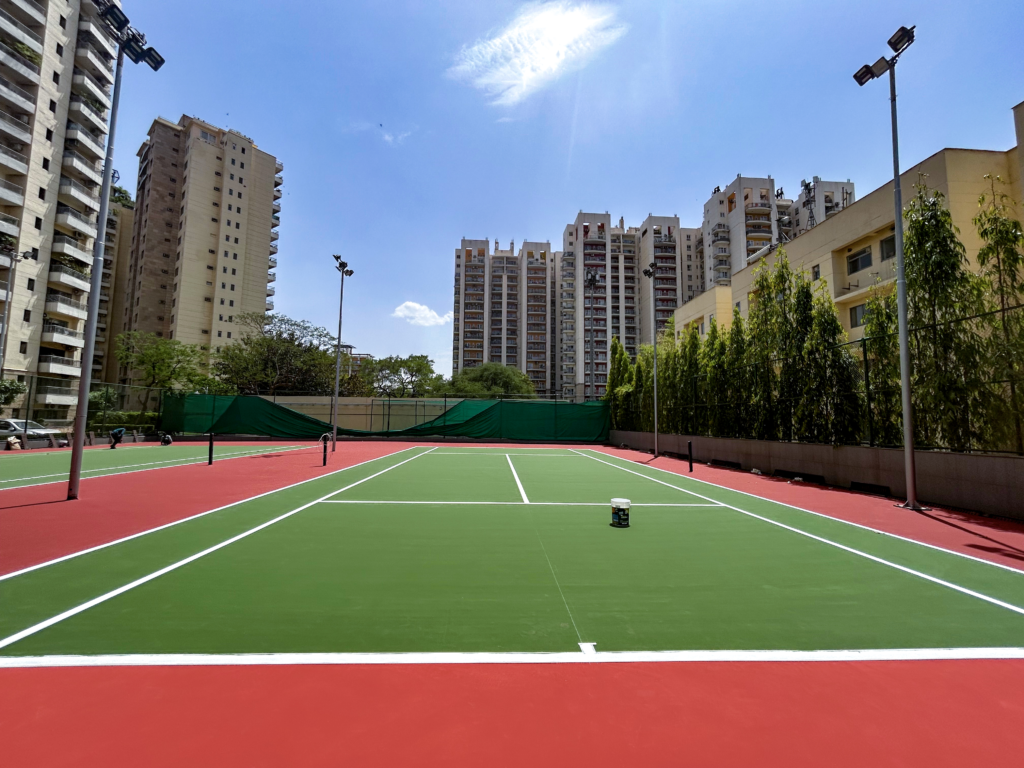
Indoor badminton offers a level of consistency that serious players crave. When external variables disappear, improvement becomes measurable. Every missed shot reflects technique—not weather.
One major advantage is skill development. Because conditions remain constant, players can focus on refining footwork, timing, and strategy. Coaches can accurately assess performance. Progress becomes trackable.
Another benefit is injury prevention. Proper flooring reduces joint stress, making indoor play safer for long-term training. This is especially important for competitive athletes who train multiple times a week.
Indoor facilities also provide structured opportunities:
- Coaching programs
- Leagues and tournaments
- Ranking systems
- Professional refereeing
This structure fosters growth. It turns casual interest into disciplined progress.
Additionally, indoor environments eliminate distractions. No glaring sun. No unexpected wind. No uneven patches of grass. It’s just you, your opponent, and the game.
For players aiming to compete at higher levels, indoor badminton isn’t just an option—it’s a necessity.
Advantages of Playing Badminton Outdoors
Outdoor badminton shines in accessibility and enjoyment. You don’t need a membership. You don’t need a reservation. You simply grab your rackets and head outside.
This convenience makes it perfect for beginners and families. There’s less pressure to perform. Mistakes are laughed off rather than analyzed. The atmosphere feels lighter.
Outdoor play also offers fresh air and natural surroundings. Sunlight boosts mood and provides vitamin D. The open space can make exercise feel less confined and more liberating.
Another overlooked advantage is adaptability. Playing in wind strengthens wrist control and reaction time. You learn to adjust quickly—an underrated skill that can even benefit indoor play later.
And let’s not forget the social aspect. Outdoor badminton often becomes part of gatherings—picnics, barbecues, beach days. It brings people together.
While it may lack the precision of indoor courts, outdoor badminton offers something equally valuable: joy without pressure.
Disadvantages of Indoor Badminton
Indoor badminton may look perfect on the surface—controlled environment, professional courts, zero wind—but it’s not without its downsides. Like anything structured and performance-driven, it comes with certain trade-offs.
First, there’s the cost. Indoor courts are rarely free. You often need to pay hourly booking fees, club memberships, or coaching charges. If you’re playing regularly, those costs add up quickly. For families or students on a budget, this can become a barrier. Unlike outdoor badminton, where a park is usually free, indoor play requires financial commitment.
Then there’s accessibility. Not everyone lives near a dedicated badminton facility. In some areas, courts are limited, and booking slots fill up fast—especially during evenings and weekends. You might feel motivated to play, only to discover there’s no available court. That can be frustrating.
Another factor is the atmosphere. Indoor settings can sometimes feel intense or competitive. For beginners, stepping into a hall filled with experienced players smashing at full speed can be intimidating. The structured environment may discourage those who simply want to play casually without pressure.
Ventilation can also be an issue in poorly maintained facilities. While most professional courts are well-designed, smaller community halls may feel stuffy. Long sessions in such environments can become uncomfortable.
Lastly, indoor play removes environmental challenges. While this is usually seen as an advantage, it also means you don’t develop adaptability to external factors. You become highly skilled in controlled conditions—but less flexible outside them.
In short, indoor badminton offers precision and professionalism—but at a cost. It demands commitment, time, and sometimes confidence. For some, that’s motivating. For others, it can feel restrictive.
Disadvantages of Outdoor Badminton
Outdoor badminton carries a sense of freedom, but that freedom comes with unpredictability. And unpredictability isn’t always fun.
The most obvious drawback is wind. Even a mild breeze can completely disrupt gameplay. High clears become risky. Drop shots lose accuracy. Smashes drift off target. Instead of focusing purely on skill, you constantly adjust for nature. This can make serious rallies difficult to sustain.
Weather adds another layer of uncertainty. Rain can end your session instantly. Excessive heat drains energy faster. Cold temperatures affect shuttle speed and player flexibility. Unlike indoor play, you don’t control the climate—you react to it.
Surface safety is another concern. Grass can be slippery. Sand reduces stability. Concrete is unforgiving on joints. Uneven terrain increases the risk of ankle injuries. Without shock-absorbing flooring, long-term strain becomes a real issue.
Equipment durability also suffers outdoors. Feather shuttlecocks wear out quickly in wind and rough conditions. Even rackets may experience more wear due to exposure to moisture or accidental drops on hard surfaces.
Consistency in skill development is harder outdoors. Since conditions vary daily, it’s difficult to measure improvement accurately. One day you’re playing in calm weather; the next day, strong gusts change everything.
Outdoor badminton is fun and accessible—but it lacks stability. It’s ideal for recreation, less ideal for precision training.
Indoor vs Outdoor: Which Is Better for Beginners?
If you’re just starting out, the choice between indoor and outdoor badminton can feel confusing. So let’s simplify it.
For absolute beginners, outdoor badminton often feels less intimidating. There’s no formal court pressure, no official scoring system looming over you. You can miss shots, laugh about it, and keep playing. The relaxed atmosphere makes learning enjoyable rather than stressful.
However, from a skill-development perspective, indoor badminton has clear advantages. Beginners need consistency to build proper technique. When wind interferes outdoors, it becomes difficult to understand whether a mistake came from poor form or environmental factors. Indoors, feedback is clearer. If the shuttle goes out, you know it’s about your swing—not the breeze.
Indoor courts also provide better footing, which is crucial while learning footwork basics. Safe surfaces reduce injury risk and help beginners build confidence in movement.
So what’s the best approach?
- Start outdoors if your goal is casual fun and basic exposure.
- Transition indoors if you want structured improvement.
Think of outdoor play as learning to ride a bike in an open field—spacious and forgiving. Indoor play is like moving onto a smooth cycling track where technique starts to matter.
Ultimately, beginners benefit from experiencing both. Outdoor play builds comfort. Indoor play builds skill.
Indoor vs Outdoor for Professional Players
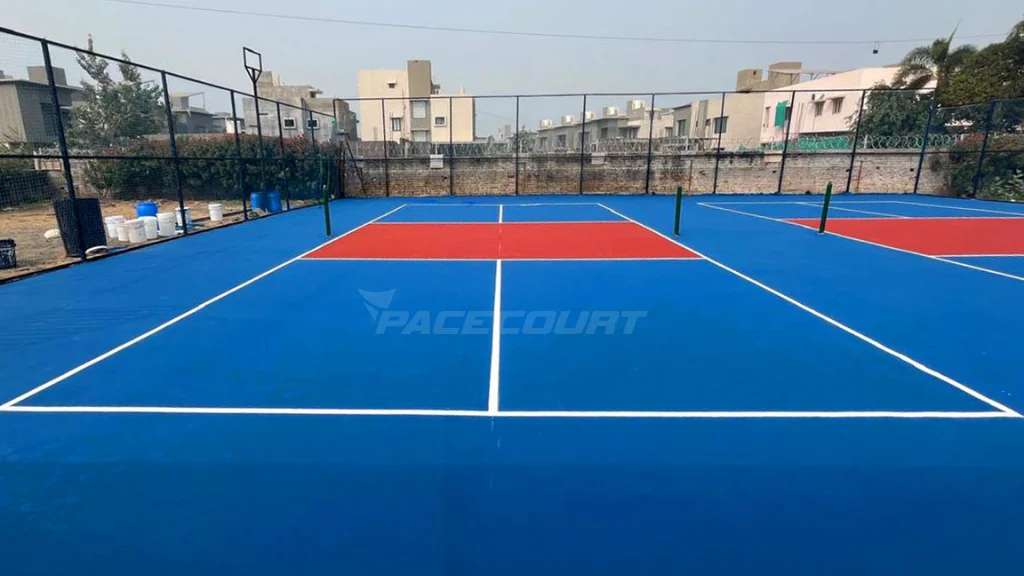
At the professional level, the debate practically disappears. Competitive badminton is played indoors—period.
Why? Because professional sports demand fairness and precision. Rankings, titles, and careers depend on consistency. Wind interference would make outcomes unpredictable and unfair. Imagine an Olympic final decided by a random gust of wind. That would undermine the integrity of the sport.
Indoor environments allow athletes to:
- Execute advanced strategies
- Deliver accurate jump smashes
- Control tight net shots
- Maintain consistent rally speed
Professional training facilities are designed to mirror tournament conditions. Lighting, flooring, ceiling height—everything is standardized.
Outdoor play simply cannot offer that level of reliability. While professionals may occasionally train outdoors for endurance or variation, official matches remain strictly indoor.
In short, if your dream involves medals, rankings, or national representation, indoor badminton isn’t optional—it’s essential.
Health and Fitness Comparison
Both indoor and outdoor badminton offer excellent health benefits. The difference lies in intensity and environmental impact.
Indoor badminton tends to be faster-paced. Rallies are sharper, movements more explosive. This improves:
- Cardiovascular endurance
- Agility and reflexes
- Muscle strength (especially legs and core)
- Coordination
Because the environment is controlled, players often sustain longer high-intensity rallies, increasing calorie burn.
Outdoor badminton may involve slightly slower rallies due to wind and surface limitations. However, it introduces additional physical variables. Playing under the sun increases sweat and endurance demand. Uneven surfaces engage stabilizing muscles more actively.
Fresh air and sunlight also contribute to mental well-being. Outdoor play can reduce stress and boost mood naturally.
Here’s a simplified comparison:
| Health Aspect | Indoor | Outdoor |
|---|---|---|
| Cardio Intensity | Higher | Moderate |
| Muscle Engagement | Explosive | Stabilizing |
| Mental Refreshment | Focused | Relaxing |
| Vitamin D Exposure | No | Yes |
Both environments support fitness. Indoor emphasizes athletic performance. Outdoor enhances holistic wellness.
Cost Comparison: Indoor Courts vs Outdoor Setup
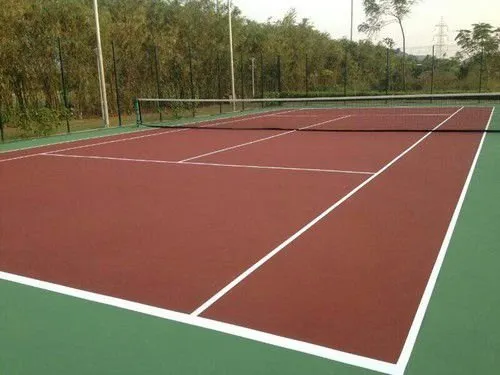
Budget often plays a deciding role.
Indoor badminton typically involves:
- Court booking fees (hourly rates)
- Membership subscriptions
- Coaching fees
- Tournament entry costs
Over time, these expenses accumulate. Regular players may invest significantly each month.
Outdoor badminton, by contrast, requires minimal investment:
- Rackets
- Shuttlecocks
- Portable net (optional)
Public parks are usually free. Beaches and backyards cost nothing.
However, outdoor equipment may need more frequent replacement due to weather exposure.
If affordability is your priority, outdoor badminton wins easily. If structured development matters more than cost, indoor justifies the investment.
How to Choose the Right Option for You
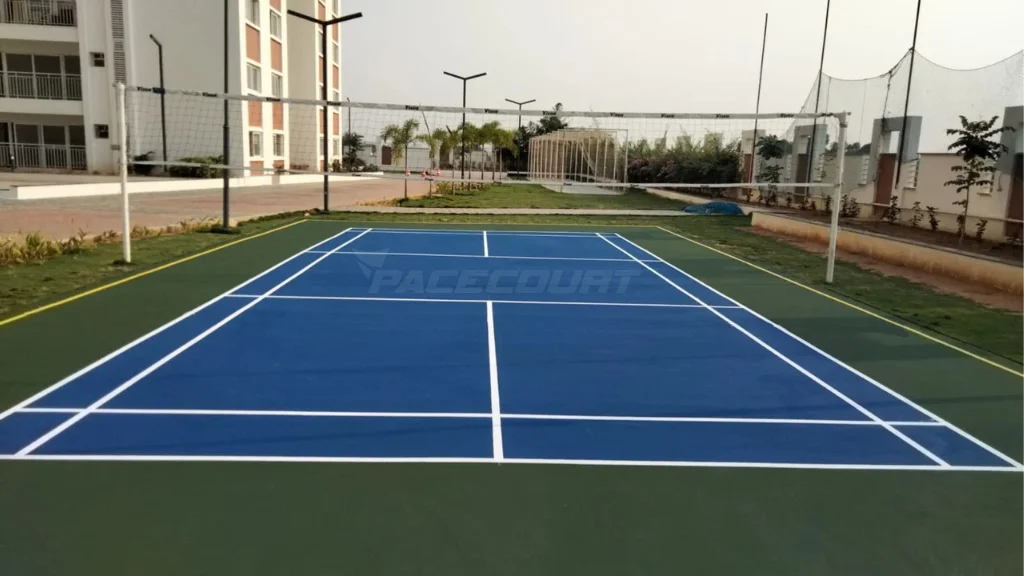
Choosing between indoor and outdoor badminton isn’t about which is better universally—it’s about which fits your goals, lifestyle, and personality.
Ask yourself:
- Do I want to compete seriously?
- Am I playing mainly for fun?
- Is there an indoor facility nearby?
- What’s my budget?
- Do I enjoy structured environments?
If you thrive in organized settings and enjoy tracking progress, indoor badminton will likely suit you. If you prefer flexibility and social play, outdoor sessions may feel more satisfying.
You can also blend both. Train indoors. Play casually outdoors. Balance structure with spontaneity.
Your choice doesn’t have to be permanent. It can evolve as your interest and skill level grow.
Tips to Improve Your Game in Any Setting
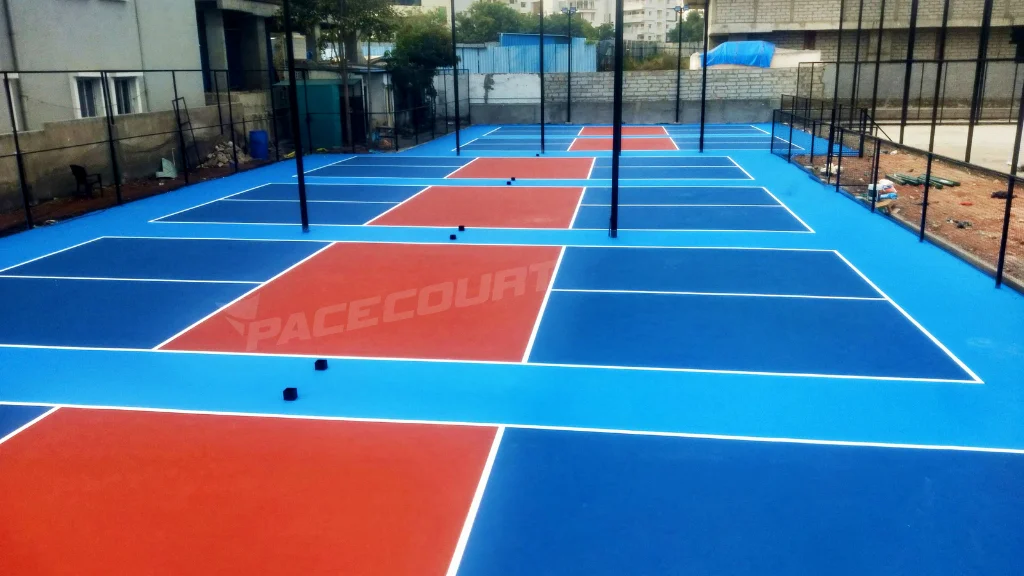
No matter where you play, improvement comes from intention.
Here are universal tips:
- Focus on footwork first—it’s the foundation.
- Strengthen your wrist for better control.
- Practice consistency over power.
- Warm up properly to prevent injuries.
- Play with stronger opponents to challenge yourself.
Indoors, concentrate on precision and strategy. Outdoors, practice adaptability and quick reactions.
Most importantly, stay consistent. Skill grows with repetition—regardless of location.
Conclusion
So, is badminton indoor or outdoor?
The truth is, it’s both—but for different reasons.
Indoor badminton represents precision, professionalism, and structured growth. It’s where competitive dreams are built and refined. Outdoor badminton represents accessibility, freedom, and social connection. It’s where many players first fall in love with the game.
One sharpens your edge. The other feeds your joy.
Instead of asking which is better universally, ask which is better for you—right now. Your answer may change over time, and that’s perfectly fine.
Because at its core, badminton isn’t about walls or weather. It’s about movement, connection, and the simple thrill of keeping that shuttle in the air.