Indoor pickleball courts are no longer just a backup plan for rainy days—they’ve become the gold standard for year-round play. If you’ve ever had a great outdoor game ruined by wind, heat, or uneven surfaces, you already understand why indoor pickleball courts are winning hearts across the globe. These courts offer consistency, comfort, and control, which is exactly what players crave as the sport continues its meteoric rise.
What makes indoor pickleball courts especially appealing is their ability to cater to everyone. Beginners love the predictable ball behavior, intermediate players appreciate the cleaner footwork, and competitive athletes thrive in a controlled environment where skill—not weather—decides the outcome. Facility owners are also catching on, realizing that indoor courts provide steady revenue without seasonal downtime.
Think of indoor pickleball courts as the “home kitchen” of the sport. Everything is where it should be. The lighting is right, the floor feels dependable underfoot, and distractions are kept to a minimum. Whether you’re a casual player, a tournament organizer, or someone considering building a facility, understanding indoor pickleball courts is the first step toward leveling up your pickleball experience.
Table of contents
- What Is Pickleball and Why It’s Exploding Indoors
- Benefits of Indoor Pickleball Courts Over Outdoor Courts
- Types of Indoor Pickleball Courts
- Standard Indoor Pickleball Court Dimensions
- Flooring Options for Indoor Pickleball Courts
- Lighting Requirements for Indoor Pickleball Courts
- Net Systems and Court Equipment
- Acoustic Challenges and Soundproofing Solutions
- Climate Control and Ventilation Considerations
- Safety Standards and Accessibility
- Cost to Build Indoor Pickleball Courts
- Revenue Opportunities for Indoor Pickleball Facilities
- Conclusion
What Is Pickleball and Why It’s Exploding Indoors
Pickleball is a fast-paced paddle sport that blends elements of tennis, badminton, and ping-pong into one addictive game. Played on a smaller court with a perforated plastic ball, pickleball is easy to learn but surprisingly deep once you get hooked. The rules are simple, rallies are engaging, and the social aspect keeps players coming back for more.
So why is pickleball exploding indoors? The answer is consistency. Indoor environments remove unpredictable factors like wind gusts, sun glare, and temperature extremes. That means better rallies, more accurate shots, and fewer excuses. Players can focus on strategy, reflexes, and teamwork rather than fighting the elements.
Indoor pickleball courts also open the door to structured programming. Leagues, lessons, clinics, and tournaments thrive indoors because schedules aren’t at the mercy of weather forecasts. This reliability has made indoor pickleball courts especially popular in urban areas, colder climates, and regions with extreme summers.
In many ways, indoor pickleball courts are fueling the sport’s professional and competitive growth. As players improve faster indoors, the overall skill level rises. It’s like switching from dirt roads to smooth highways—everything just moves better.
Benefits of Indoor Pickleball Courts Over Outdoor Courts
Indoor pickleball courts offer a long list of advantages that go far beyond convenience. First and foremost is weather protection. Rain, wind, snow, and heat waves simply don’t matter indoors. You show up, warm up, and play—no cancellations, no delays.
Another major benefit is surface consistency. Indoor pickleball courts typically use professional-grade flooring designed for sports performance. This reduces joint strain, improves traction, and lowers the risk of slips and falls. For older players or those recovering from injuries, this alone can be a game-changer.
Sound control and lighting also play a huge role. Indoor courts use uniform lighting systems that eliminate harsh shadows and glare. Acoustics can be managed with sound-absorbing materials, making games more enjoyable and less chaotic. Anyone who’s played in a noisy gym knows how valuable this can be.
From a community standpoint, indoor pickleball courts create a social hub. They encourage year-round participation, foster leagues and clubs, and support skill development at every level. In short, indoor pickleball courts don’t just improve the game—they elevate the entire pickleball lifestyle.
Types of Indoor Pickleball Courts
Dedicated Indoor Pickleball Facilities
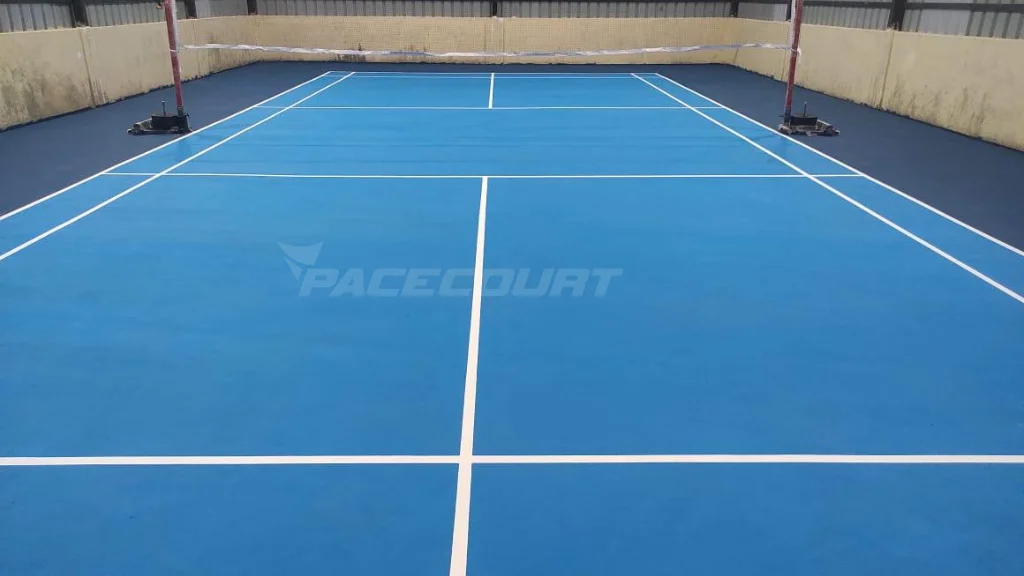
Dedicated indoor pickleball facilities are purpose-built spaces designed exclusively for the sport. These are the dream venues for serious players. Every detail—from court spacing to lighting and acoustics—is optimized for pickleball performance.
These facilities often feature multiple courts, professional flooring, permanent nets, and spectator seating. Many also include locker rooms, pro shops, lounges, and even cafés. Because the space is dedicated, scheduling is smooth, and court availability is reliable.
For facility owners, dedicated indoor pickleball courts offer strong branding opportunities. You’re not just renting space—you’re creating an experience. This makes it easier to host tournaments, attract sponsors, and build a loyal player community.
Multi-Purpose Gymnasiums
Multi-purpose gymnasiums are a common home for indoor pickleball courts, especially in schools, community centers, and YMCAs. These spaces typically use temporary nets and taped or painted court lines.
While they may lack the polish of dedicated facilities, gymnasiums are accessible and cost-effective. They allow organizations to introduce pickleball without major renovations. The trade-off is shared scheduling and less specialized flooring.
Converted Warehouses and Recreation Centers
Converted warehouses are becoming increasingly popular for indoor pickleball courts. High ceilings, open layouts, and flexible design make them ideal for multiple courts. With the right flooring and lighting upgrades, these spaces can rival purpose-built facilities.
Standard Indoor Pickleball Court Dimensions
Court Size and Layout
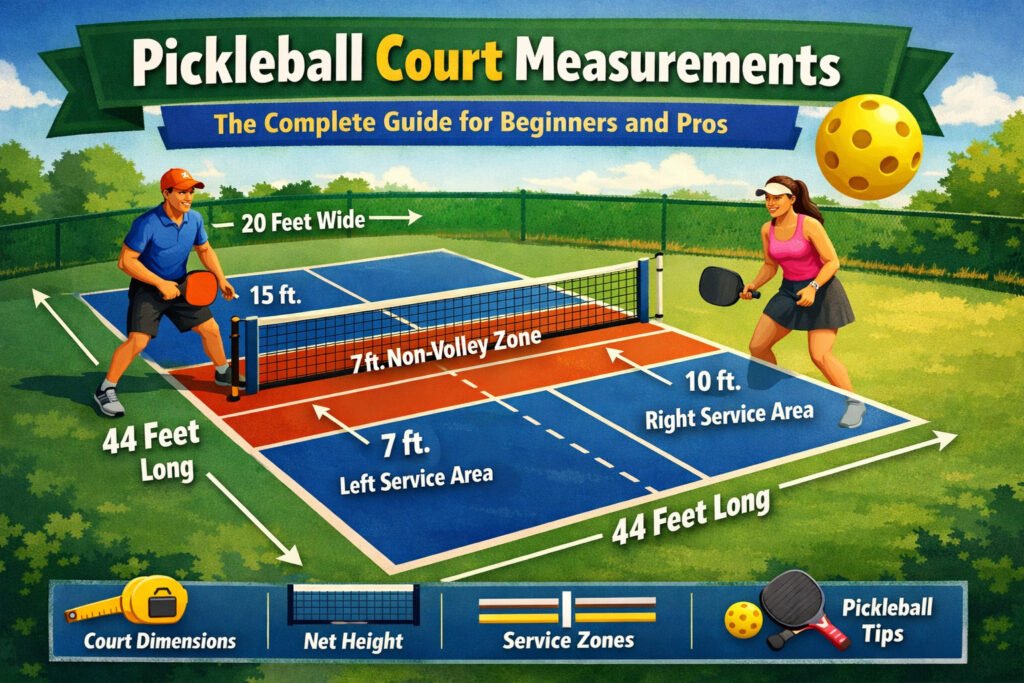
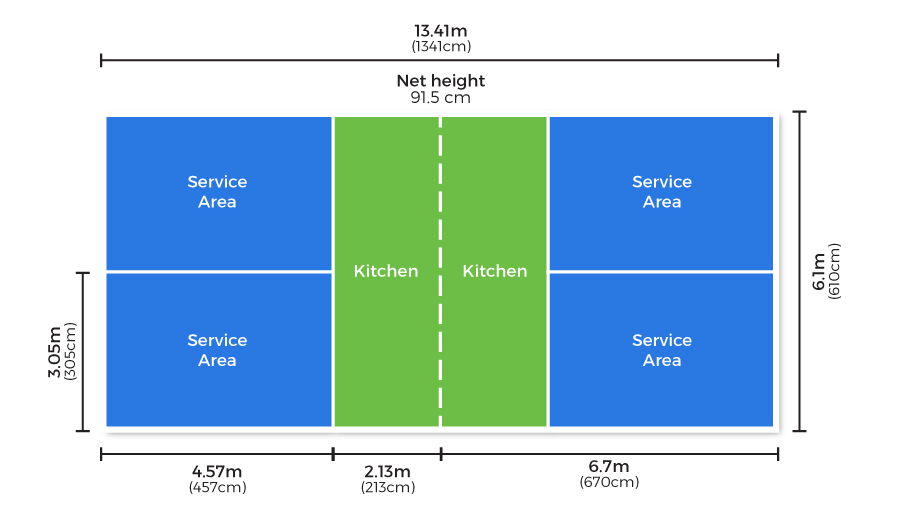
An indoor pickleball court follows the same official dimensions as an outdoor one: 20 feet wide by 44 feet long. This includes both singles and doubles play. The non-volley zone, or “kitchen,” extends 7 feet from the net on both sides.
However, the real difference indoors is spacing. Ideally, indoor pickleball courts should have at least 5 to 10 feet of clearance around each side and baseline. This extra space allows for safe movement and competitive play.
Ceiling Height and Clearance
Ceiling height is a critical factor for indoor pickleball courts. A minimum of 18 to 20 feet is recommended, especially for lobs. Low ceilings can disrupt play and limit shot variety, which can be frustrating for advanced players.
Flooring Options for Indoor Pickleball Courts
Hardwood Flooring
Hardwood floors are common in gymnasiums and offer a familiar feel. They provide good ball bounce and aesthetic appeal but can be slippery if not properly maintained.
Synthetic Sports Flooring
Synthetic flooring is becoming the top choice for indoor pickleball courts. It offers excellent traction, shock absorption, and consistent ball response. This type of flooring is designed to reduce joint stress and fatigue.
Modular Court Tiles
Modular tiles are easy to install and maintain. They’re ideal for facilities that want flexibility or temporary setups. While they may not feel as premium as synthetic flooring, they’re durable and cost-effective.
Lighting Requirements for Indoor Pickleball Courts
Lighting isn’t just a background detail in indoor pickleball courts—it’s the silent referee that decides whether a rally feels smooth and enjoyable or frustrating and unsafe. If you’ve ever tried tracking a fast-moving pickleball under poor lighting, you know exactly how disorienting it can be. Shadows, glare, or uneven brightness can turn a friendly game into a guessing contest. That’s why proper lighting requirements for indoor pickleball courts are not optional; they are essential.
Indoor pickleball relies heavily on visual precision. The ball is small, light-colored, and moves quickly, especially during fast exchanges at the kitchen line. Players need to see the ball clearly from every angle, whether it’s a soft dink, a sharp volley, or a high lob. Poor lighting doesn’t just affect performance—it increases the risk of missteps, collisions, and eye strain.
From a facility perspective, lighting sets the tone. Bright, evenly lit courts feel professional, welcoming, and modern. Dim or inconsistent lighting, on the other hand, makes even a well-built court feel subpar. Think of lighting as the stage spotlight for the game. When it’s done right, players forget it’s there. When it’s done wrong, it’s all anyone talks about.
Net Systems and Court Equipment
Net systems and court equipment are the backbone of any indoor pickleball court. You can have perfect flooring and professional lighting, but if the net sags, the lines are confusing, or the equipment feels cheap, the entire playing experience suffers. Pickleball is a precision-based sport, and even small inconsistencies in equipment can affect gameplay, fairness, and safety.
For players, a high-quality net system provides confidence. The ball behaves as expected, shots feel honest, and rallies flow naturally. For facility owners, reliable equipment means fewer complaints, less maintenance, and a more professional reputation. Think of net systems and court equipment as the silent partners in every match—rarely noticed when they’re good, instantly blamed when they’re not.
Indoor environments also place unique demands on equipment. Nets must maintain proper tension without relying on ground anchors, court lines must remain visible under artificial lighting, and accessories need to be durable enough for constant use. Investing in the right net systems and court equipment isn’t an upgrade—it’s a requirement for any serious indoor pickleball setup.
Acoustic Challenges and Soundproofing Solutions
Indoor pickleball courts are exciting, energetic spaces—but they’re also loud. Anyone who has stepped into a busy indoor pickleball facility knows the sound is impossible to ignore. The sharp “pop” of the paddle hitting the ball, constant foot movement, player chatter, and echoes bouncing off hard surfaces can quickly turn into overwhelming noise. Understanding the acoustic challenges and applying effective soundproofing solutions is essential for creating a comfortable, sustainable indoor pickleball environment.
Why Indoor Pickleball Courts Are So Noisy
Pickleball generates a unique acoustic problem. The paddle-and-ball impact produces a high-frequency sound that travels easily and reflects aggressively indoors. Unlike outdoor courts, indoor facilities trap sound within enclosed walls and ceilings, causing noise to amplify rather than dissipate.
Several factors contribute to the issue:
- Hard surfaces like concrete floors, metal walls, and high ceilings reflect sound waves instead of absorbing them.
- Multiple courts operating simultaneously multiply noise levels.
- Continuous play means there are few breaks in sound, creating constant background noise.
- High ceilings allow sound to bounce and linger, increasing echo and reverberation.
Over time, excessive noise can lead to player fatigue, communication difficulty, complaints from neighboring tenants, and even hearing discomfort for staff and frequent players.
Climate Control and Ventilation Considerations
Indoor pickleball courts host players of all ages, skill levels, and physical conditions. A poorly controlled climate can turn an enjoyable match into a physically draining experience. When temperatures are too high, players fatigue faster, sweat excessively, and lose focus. When temperatures are too low, muscles stiffen, reaction times slow, and injury risk increases.
Consistent climate control ensures:
- Stable playing conditions year-round
- Reduced fatigue and dehydration
- Improved focus and performance
- Higher player satisfaction and retention
Most indoor pickleball facilities aim to maintain temperatures between 65°F and 72°F (18°C to 22°C), which balances comfort with athletic performance.
Safety Standards and Accessibility
Safety standards and accessibility are the foundation of a successful indoor pickleball facility. No matter how beautiful the courts look or how advanced the lighting and flooring may be, a court that fails to protect players or exclude certain individuals is incomplete. Indoor pickleball courts attract players of all ages and physical abilities, which makes thoughtful safety planning and inclusive design absolutely essential.
Why Safety Standards Are Critical in Indoor Pickleball
Pickleball is fast, social, and highly active. Players accelerate quickly, change direction without warning, and often move close to the net and sidelines. Without proper safety standards in place, the risk of injury increases significantly.
Key reasons safety matters:
- Prevention of slips, falls, and collisions
- Reduction of strain-related injuries
- Protection for spectators and staff
- Long-term facility liability reduction
A well-designed indoor pickleball court anticipates movement patterns and minimizes hazards before they become problems.
Cost to Build Indoor Pickleball Courts
Construction Costs
Building indoor pickleball courts can range from modest to premium depending on location, flooring, and amenities. Costs may include flooring, lighting, nets, HVAC upgrades, and soundproofing.
Maintenance and Operational Costs
Ongoing expenses include cleaning, floor maintenance, utilities, and staffing. The good news? High demand often offsets these costs through memberships and court rentals.
Revenue Opportunities for Indoor Pickleball Facilities
Indoor pickleball facilities are more than just places to play—they are powerful revenue-generating hubs when managed strategically. With pickleball’s explosive growth and its appeal across age groups, indoor facilities enjoy consistent demand throughout the year. The key to profitability lies in diversifying income streams rather than relying on court rentals alone. When done right, an indoor pickleball facility can generate steady, predictable revenue while building a loyal community.
Membership Programs
Memberships are the backbone of recurring income for indoor pickleball facilities. Monthly or annual memberships provide predictable cash flow and encourage long-term player commitment. These programs often include benefits such as unlimited open play, discounted court reservations, early booking privileges, and reduced rates for lessons or leagues.
Tiered memberships work especially well:
- Basic memberships for casual players
- Premium memberships for frequent or competitive players
- Family or senior memberships for broader community reach
Membership models turn occasional visitors into regulars, stabilizing revenue even during slower seasons.
How to Choose the Right Indoor Pickleball Court Near You
Choosing the right indoor pickleball court near you can completely change how much you enjoy the game. Not all indoor courts are created equal. Some feel professional and welcoming, while others feel cramped, noisy, or poorly maintained. Whether you’re a beginner looking for a friendly place to learn or an experienced player searching for high-quality play, knowing what to look for helps you make the right decision.
Evaluate the Court Surface Quality
The first thing to check is the playing surface. A good indoor pickleball court should have a smooth, non-slip floor with consistent ball bounce. Synthetic sports flooring is ideal because it provides shock absorption and reduces stress on knees and joints. Hardwood gym floors can work, but they may be slippery if not properly maintained.
Avoid courts with:
- Uneven seams or cracks
- Faded or confusing court lines
- Slippery spots or poor traction
A quality surface makes the game safer and more enjoyable.
Check Lighting and Visibility
Lighting can make or break your playing experience. Indoor pickleball courts should be evenly lit with no dark areas or harsh glare. The ball should be easy to track from all angles, including high lobs.
Look for:
Clear visibility of lines and net
Bright, uniform LED lighting
No lights directly in your line of sight
Tips for Playing Pickleball Indoors Like a Pro
Playing pickleball indoors feels different from playing outside, and once you understand those differences, your game can level up fast. Indoor pickleball removes weather variables like wind and sun, which means the game becomes more about precision, strategy, and consistency. If you want to play pickleball indoors like a pro, it’s all about adapting your technique, mindset, and movement to the controlled environment.
Master Ball Control Over Power
One of the biggest adjustments indoor players need to make is dialing back power. Indoor courts typically produce a faster game because there’s no wind resistance and the ball travels more predictably. Smashing every shot may feel tempting, but it often leads to errors.
Professional indoor players focus on:
- Controlled swings
- Soft dinks at the kitchen line
- Accurate placement rather than speed
Think of indoor pickleball like chess instead of checkers. The player who controls the pace usually controls the game.
Perfect Your Soft Game at the Kitchen
Indoor pickleball rewards finesse. The kitchen, or non-volley zone, becomes the most important area on the court. Because lighting and conditions are consistent, opponents can react quickly to hard shots. Soft, well-placed dinks force mistakes and open up attack opportunities.
To improve:
- Keep your paddle up and ready
- Use a relaxed grip for better touch
- Aim for your opponent’s feet or backhand side
A strong kitchen game separates average players from advanced ones.
Use Indoor Lighting to Your Advantage
Indoor lighting is consistent, which means you can trust what you see. Pay attention to how the ball looks under the lights and learn to track it early. If the ceiling is high, well-placed lobs can be extremely effective indoors.
However, be aware of:
- Light reflections on glossy floors
- High balls near overhead fixtures
Practicing under the same lighting conditions regularly will sharpen your visual timing.
Improve Footwork and Positioning
Indoor surfaces often provide better traction than outdoor courts, allowing quicker lateral movement. Take advantage of this by staying light on your feet and maintaining proper court positioning.
Key footwork tips:
- Stay balanced and avoid overreaching
- Use small, quick steps instead of lunges
- Recover quickly to the ready position after every shot
Good footwork keeps you in control and reduces injury risk.
Communicate Clearly With Your Partner
Indoor facilities can be noisy, but clear communication is still essential, especially in doubles play. Call shots early, use consistent signals, and avoid last-second confusion.
Simple habits like calling “mine” or “yours” confidently make a huge difference in indoor rallies where reaction time is limited.
Adjust to Indoor Balls and Court Speed
Some indoor pickleball courts use indoor-specific balls, which are slightly softer and lighter. These balls react differently off the paddle and floor, so give yourself time to adjust.
Pay attention to:
- Ball bounce height
- Spin response
- Shot timing
Once you adapt, you’ll find indoor play smoother and more predictable.
Focus on Consistency and Patience
Indoor pickleball rewards patience more than aggression. Long rallies are common, and unforced errors cost more than missed winners. Pros win indoors by staying calm, consistent, and mentally disciplined.
Instead of forcing shots, build points carefully and wait for high-percentage opportunities.
Future Trends in Indoor Pickleball Courts
Indoor pickleball courts are evolving rapidly as the sport continues its explosive growth worldwide. What started as a simple recreational activity has transformed into a professional, tech-driven, and community-focused sport. The future of indoor pickleball courts is not just about adding more courts—it’s about creating smarter, more immersive, and more sustainable playing environments. Facilities that embrace these trends early will set themselves apart in an increasingly competitive market.
Smart Technology Integration
One of the biggest future trends in indoor pickleball courts is the integration of smart technology. Modern facilities are beginning to adopt digital systems that enhance both player experience and facility management.
Expected innovations include:
- App-based court booking and check-in
- Digital scoreboards with real-time tracking
- Automated lighting and climate control systems
- Player performance tracking using sensors and cameras
These technologies streamline operations while giving players data-driven insights into their game, much like professional training environments.
Conclusion
Indoor pickleball courts represent the next chapter in the sport’s incredible growth story. They offer consistency, comfort, and community, making pickleball more accessible and enjoyable for everyone. Whether you’re playing, building, or investing, indoor pickleball courts are a winning move.