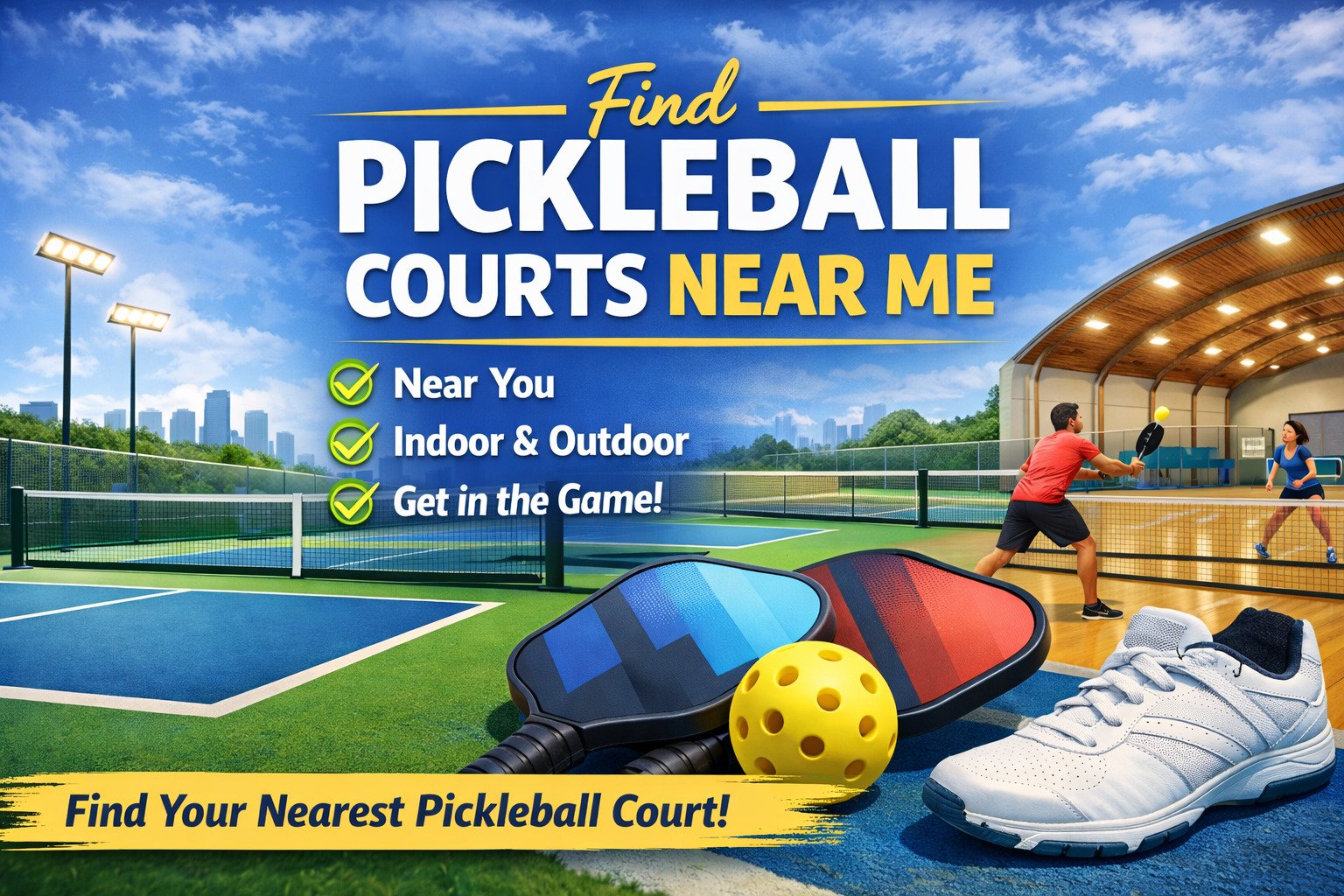
Pickleball is one of the fastest-growing sports worldwide, combining elements of tennis, badminton, and table tennis. If you’re searching for pickleball courts near me, you’re likely looking for well-maintained courts, nearby locations, and easy access for casual or competitive play.
This guide will help you find nearby pickleball courts, understand court types, amenities to look for, and tips to choose the best pickleball facility in your area.
Table of contents
- Why Everyone Is Looking for Pickleball Courts
- How to Find Pickleball Courts in Your Area
- Outdoor vs Indoor Pickleball Courts
- What to Check Before You Go
- Making the Most of Your Local Courts
- Standard Pickleball Court Dimensions
- What to Look for in Pickleball Courts Near Me
- Pickleball Court Construction & Flooring
- Pickleball Coaching & Open Play Near Me
- Best Time to Visit Pickleball Courts Near Me
- Conclusion
Why Everyone Is Looking for Pickleball Courts
Before we dive into the “where,” let’s quickly touch on the “why.” The demand for courts is skyrocketing because the community is incredibly welcoming. Unlike some sports that require years of training just to rally, you can often play a decent game of pickleball within an hour of stepping on the court.
This low barrier to entry means parks and recreation departments are scrambling to keep up. Tennis courts are being converted, gymnasiums are being re-striped, and dedicated pickleball complexes are popping up in suburbs and cities alike. This is great news for you because it means there are likely more places to play near you than you realize.
How to Find Pickleball Courts in Your Area
Finding a court used to rely on word-of-mouth. Today, technology and community resources make it much easier. Here are the most effective ways to locate courts nearby.
1. Utilize Dedicated Apps and Websites
The pickleball community is very active online. Several platforms are dedicated specifically to mapping courts across the country.
- Places2Play: Managed by USA Pickleball, this is arguably the most comprehensive database available. You can search by zip code or city to see a list of locations. They often include details like the number of courts, surface type, and whether they are indoor or outdoor.
- Pickleball+: This app not only helps you find courts but often allows you to connect with other players in your area, making it easier to find a match if you don’t have a partner.
- Local Facebook Groups: almost every city has a “Pickleball [City Name]” group. Joining these is a goldmine. You can ask members directly about the best spots to play and current court conditions.
2. Check Your Local Parks and Recreation Department
Your city’s Parks and Rec website is an often-overlooked resource. Many municipalities are actively converting underused tennis courts into pickleball courts.
Visit their official website and look for the “Amenities” or “Facilities” section. Search for “pickleball” or “tennis courts with pickleball lines.” If the website isn’t clear, a quick phone call to the department can save you a lot of driving around. They can also tell you if the courts are lighted for evening play, which is crucial during the shorter days of winter.
3. Visit Community Centers and YMCAs
If you prefer indoor play—especially during bad weather—community centers and YMCAs are your best bet. Many of these facilities tape temporary lines on their basketball or volleyball courts during specific hours.
- Check the Schedule: Unlike public parks, these venues usually have specific “drop-in” hours for pickleball. You can’t just show up anytime.
- Membership Requirements: Some may require a membership or a small drop-in fee for non-members.
4. Explore Private Clubs and Tennis Centers
As the sport grows, private tennis and athletic clubs are adding pickleball to their roster. While this option usually costs money, the benefits often include better amenities. You might find pristine court surfaces, dedicated fencing (so you aren’t chasing balls into the next court), and on-site pro shops where you can demo paddles.
Outdoor vs Indoor Pickleball Courts
| Feature | Outdoor Courts | Indoor Courts |
|---|---|---|
| Surface | Acrylic or concrete | Wood or synthetic |
| Weather Impact | Yes | No |
| Lighting | Natural / Floodlights | Artificial |
| Ideal For | Casual play | Competitive & training |
Choosing between indoor or outdoor pickleball courts near you depends on weather, availability, and skill level.
What to Check Before You Go
Once you’ve located a few potential spots, don’t rush out the door just yet. A little recon can ensure your first visit is a success.
Verify Court Availability
Public courts are often “first-come, first-served,” but they can get crowded. Peak times are usually weekday evenings and weekend mornings. If you are using a shared court (like a tennis court with pickleball lines), make sure you check the etiquette rules posted at the gate. Some courts use a paddle rotation system to ensure everyone gets a turn.
Confirm the Setup
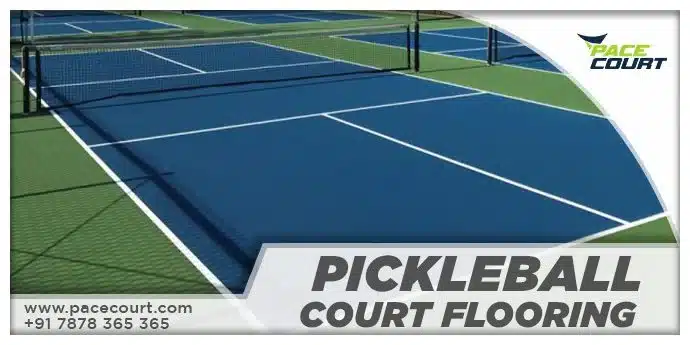
Not all courts are created equal. You will encounter three main types:
- Dedicated Courts: These have permanent nets and lines painted specifically for pickleball. These are the gold standard.
- Shared Lines: These are usually tennis courts with pickleball lines painted in a different color. You might need to adjust your eyes to ignore the tennis lines.
- BYO Net: Some public spaces provide the painted surface but require you to bring your own portable net. Always check this beforehand so you don’t arrive ready to play but unable to set up.
Understand the Fees
While most public park courts are free, some high-demand locations have implemented reservation systems with a small hourly fee. Private clubs and indoor facilities almost always charge. Bring a credit card or cash just in case, or check their website to book a slot in advance.
Making the Most of Your Local Courts
Finding the court is step one. Step two is integrating into the local scene.
When you arrive at a new court, don’t be shy. Introduce yourself. Pickleball culture is famous for its friendliness. If you see people playing doubles, wait for a break in the action and ask how their rotation system works.
Most open play sessions are divided by skill level. Be honest about your experience level. If you are a beginner, look for the “recreational” or “novice” courts. This ensures the game is fun for everyone involved.
Standard Pickleball Court Dimensions
A regulation pickleball court follows official standards:
- Court Size: 20 ft × 44 ft
- Net Height: 36 inches (sides), 34 inches (center)
- Non-Volley Zone (Kitchen): 7 ft from the net
Most nearby pickleball courts follow these official dimensions for fair and competitive play.
What to Look for in Pickleball Courts Near Me
Before choosing a court, consider these important factors:
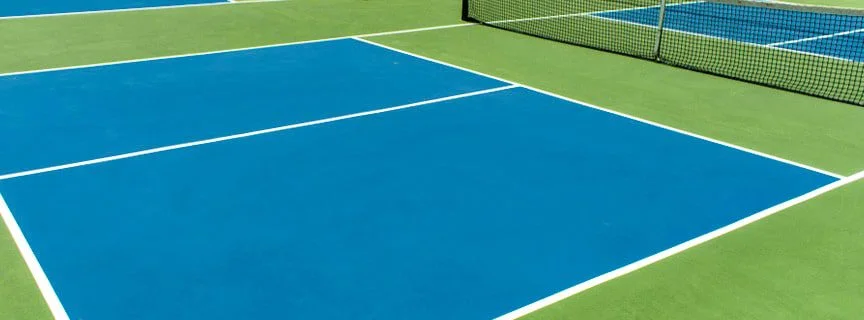
- Surface Quality: Smooth, non-slip surface for safe play
- Court Markings: Clear lines for accurate gameplay
- Lighting: Essential for evening matches
- Parking & Accessibility: Easy access saves time
- Washrooms & Seating: Added comfort for players
Pickleball Court Construction & Flooring
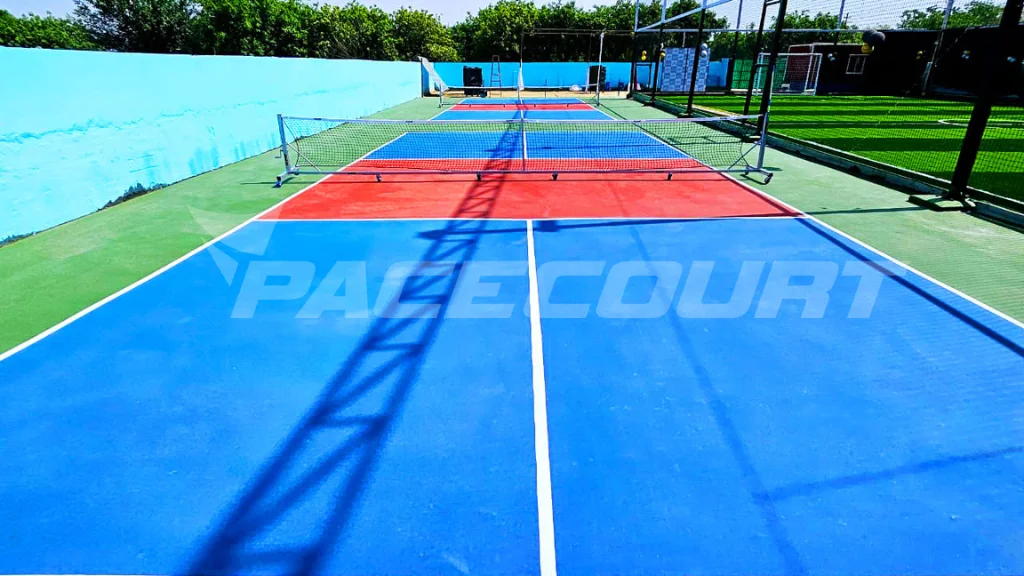
Modern pickleball courts use synthetic acrylic flooring, which offers:
- Excellent ball bounce
- Slip resistance
- UV and weather resistance
- Low maintenance
High-quality flooring improves performance and reduces injury risk, making it a key feature in premium pickleball courts near you.
Pickleball Coaching & Open Play Near Me
Many pickleball facilities offer:
- Beginner coaching sessions
- Group classes
- Open play timings
- Local leagues and tournaments
If you’re new to the sport, choosing a court with coaching facilities can help you improve quickly.
Best Time to Visit Pickleball Courts Near Me
To avoid crowds:
- Visit early mornings or weekday afternoons
- Check open play schedules online
- Book courts in advance where available
Peak hours are usually evenings and weekends.
Conclusion
Finding the best pickleball courts near me is easier than ever with growing facilities across cities and neighborhoods. Whether you prefer indoor or outdoor play, public parks or professional sports complexes, there’s a pickleball court nearby waiting for you.
Choose a court with quality flooring, proper lighting, and convenient access to enjoy the game safely and comfortably.