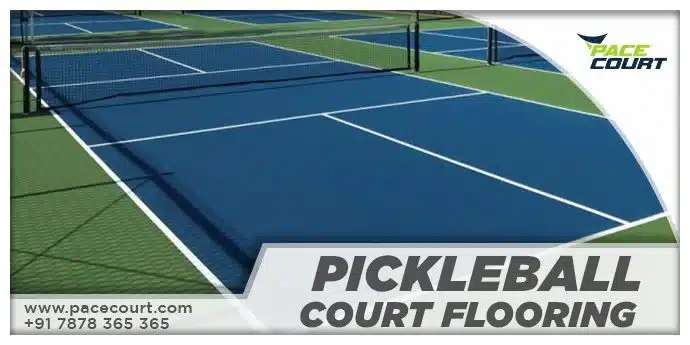
Pickleball court

Pickleball Court Flooring
Pickleball court

Pickleball Court Flooring: Choosing the Right Material for Performance & Safety

Pickleball is one of the fastest-growing sports worldwide, and with its rising popularity, the demand for safe, durable, and high-performance pickleball court flooring is at an all-time high. Whether you’re building a residential court, a sports complex, or upgrading an existing facility, choosing the right flooring material is crucial. The surface directly impacts ball bounce, player comfort, traction, and long-term maintenance costs. This comprehensive guide covers everything you need to know about pickleball court flooring, including the best materials, key selection factors, installation considerations, and expert tips to ensure a safe and high-performance playing experience. What is Pickleball Pickleball is a fast-growing paddle sport that combines elements of tennis, badminton, and table tennis. It is played on a smaller court with a perforated plastic ball (similar to a wiffle ball) and lightweight paddles. The game can be played in singles or doubles, making it fun and accessible for players of all ages and skill levels. One of the main reasons for its popularity is its simple rules and low physical strain, which make it easier to learn compared to many other racket sports. Yet, the game can still be very competitive and strategic, offering great exercise and entertainment. Pickleball is widely played in communities, schools, sports clubs, and recreation centers across the world. From beginners to professional athletes, everyone enjoys the blend of speed, skill, and social interaction that pickleball provides. Why Your Pickleball Court Flooring Matters The court surface is the foundation of every game. A poor surface can lead to unpredictable ball behavior, increased risk of injury, and frequent, costly repairs. A quality court, on the other hand, provides a consistent and enjoyable experience for years. Here’s why flooring selection is so important: What Makes Pickleball Court Flooring Unique? Pickleball courts may resemble tennis or badminton courts, but the flooring requirements differ due to: Hence, the flooring must provide the perfect balance of shock absorption, traction, durability, and weather resistance. Best Flooring Materials for Pickleball Courts Below are the top-performing and most widely recommended materials for building modern pickleball courts. 1. Acrylic Sports Flooring (Most Popular Choice) Acrylic flooring is the gold standard for outdoor pickleball courts. Why It’s Ideal Best For 2. Polypropylene (PP) Interlocking Tiles These modular tiles are becoming increasingly popular due to their versatility and ease of installation. Benefits Best For Commercial sports facilities Temporary or portable courts Multi-purpose indoor/outdoor sports spaces 3. Rubber Sports Flooring (Indoor Courts) Rubber flooring is preferred for indoor pickleball courts that require optimal comfort and shock absorption. Advantages Best For Senior community centers Indoor sports halls Gyms & recreation centers 4. Concrete Base with Textured Coating This remains one of the most durable options if constructed correctly. Pros Cons Best For Budget-friendly court construction Outdoor dedicated pickleball facilities 5. Asphalt Base with Sports Coating Similar to concrete but softer and more forgiving. Benefits Drawback Can crack over time due to temperature changes Side-by-Side Comparison Chart Feature / Material Acrylic Flooring PP Tiles Rubber Flooring Concrete + Coating Asphalt + Coating Ball Bounce Consistency ⭐⭐⭐⭐ ⭐⭐⭐ ⭐⭐ ⭐⭐ ⭐⭐⭐ Traction ⭐⭐⭐⭐ ⭐⭐⭐⭐ ⭐⭐⭐⭐ ⭐⭐⭐ ⭐⭐⭐ Shock Absorption ⭐⭐⭐ ⭐⭐⭐⭐ ⭐⭐⭐⭐ ⭐⭐ ⭐⭐⭐ Weather Resistance (Outdoor) ⭐⭐⭐⭐ ⭐⭐⭐⭐ ⭐ ⭐⭐⭐ ⭐⭐ Maintenance Level ⭐⭐⭐⭐ ⭐⭐⭐ ⭐⭐⭐ ⭐⭐⭐⭐ ⭐⭐ Installation Ease ⭐⭐ ⭐⭐⭐⭐ ⭐⭐ ⭐⭐ ⭐⭐ Durability ⭐⭐⭐⭐ ⭐⭐⭐ ⭐⭐⭐ ⭐⭐⭐⭐ ⭐⭐⭐ How to Choose the Best Material for You With these options in mind, how do you decide? Consider these three key factors. 1. Climate Your local weather plays a huge role in a court’s lifespan. 2. Usage and Player Profile Think about who will be using the court and how often. 3. Budget Your budget will ultimately guide your decision. How to Maintain Pickleball Court Flooring Maintaining pickleball court flooring is essential to ensure safety, longevity, and optimal playing conditions. Here are some tips to help you keep your pickleball court in great shape: 1. Regular Cleaning 2. Inspect for Damage 3. Resurface When Needed 4. Prevent Water Damage 5. Protect the Surface 6. Seasonal Maintenance 7. Regular Repainting 8. Prevent Mold and Mildew 9. Educate Users 10. Professional Inspections By following these steps, you can ensure your pickleball court flooring remains in excellent condition, providing a safe and enjoyable playing experience for years to come. Cost of Pickleball Court Flooring Flooring Material / System Approx. Cost Range (Per Court) Notes Acrylic Coating over Existing Base ₹3,30,000 – ₹6,60,000 Affordable, low-maintenance outdoor option. Concrete Base + Acrylic Surface ₹8,25,000 – ₹12,40,000 Professional, durable outdoor court system. Modular / Interlocking PP Tiles ₹8,00,000 – ₹12,00,000 Fast installation, multi-sport friendly. Premium Indoor Cushioned Flooring ₹10,00,000 – ₹25,00,000+ Best shock absorption and comfort for indoor courts. Court Resurfacing / Re-coating ₹1,50,000 – ₹4,00,000 Regular resurfacing to maintain traction and color quality. DIY Basic Surface Prep Varies (lowest cost option) Painting or minor leveling over an existing slab. Installation Tips for Pickleball Court Flooring Installing pickleball court flooring requires careful planning and execution to ensure a durable, safe, and high-quality playing surface. Here are some essential tips for a successful installation: 1. Choose the Right Location 2. Prepare the Base 3. Select the Right Flooring Material 4. Ensure Proper Installation 5. Allow for Curing Time 6. Add Accessories 7. Test the Surface 8. Maintain the Court By following these tips, you can ensure a professional-quality pickleball court that provides a safe and enjoyable playing experience for years to come. Conclusion Choosing the right pickleball court flooring is essential for creating a safe, durable, and high-performance playing environment. Whether you’re building a residential court, a club facility, or a professional tournament surface, picking the right material ensures excellent gameplay, long-term savings, and enhanced player experience. Acrylic, PP tiles, rubber, and concrete systems each offer unique benefits — so select the one that best matches your budget, location, and performance needs.

what are the dimensions of a pickleball court​
Pickleball court

What Are The Dimensions Of A Pickleball Court​

Pickleball is one of the fastest-growing sports in the world, loved for its accessibility and fun gameplay. Whether you’re a seasoned player or just picking up a paddle for the first time, understanding the court’s layout is essential. Surprisingly, many players jump into the game without knowing the official measurements, which can impact strategy and gameplay. If you’ve ever wondered what are the dimensions of a pickleball court, this guide is for you. We’ll break down the exact measurements, helping you play with confidence, set up your own court, and elevate your game. The Official Dimensions of a Pickleball Court Understanding the exact dimensions of a pickleball court is crucial for both gameplay and court setup. Let’s break it down: Overall Court Size The Non-Volley Zone (The “Kitchen”) Service Courts Lines and Markings Setting the Net: Pickleball Net Height and Placement The net is a central feature of any pickleball court, and its height and placement are crucial for fair play. Here’s what you need to know: Height at the Sidelines Height at the Center How Pickleball Compares: Court Size vs. Other Racquet Sports Pickleball’s court dimensions are unique, but they share similarities with other racquet sports. Here’s how they stack up: Pickleball vs. Tennis Pickleball vs. Badminton Why Understanding the Dimensions Matters Knowing the official dimensions of a pickleball court isn’t just about following the rules—it can significantly impact your gameplay and overall experience. Here’s why: For Strategy For Serves For Fairness For DIY Setups Conclusion Understanding the dimensions of a pickleball court is a fundamental step for anyone looking to improve their game or set up their own court. To recap, a standard court measures 44 feet by 20 feet, with a 7-foot Non-Volley Zone on each side of the net. The net itself stands 36 inches at the posts and 34 inches at the center. By mastering these dimensions, you’ll not only enhance your gameplay but also ensure fairness and consistency, whether you’re playing casually or competitively. So, grab your paddle, hit the court, and put your newfound knowledge to use! FAQ’s

Case Study, Pickleball court, Synthetic Flooring Material

8-Step Synthetic Acrylic Pickleball Court Installed Over Kota Tiles

Problem Facing Smash2Play Due to Kota Tile Flooring Smash2Play, a leading sports club with 12+ branches across India, had a major challenge when they decided to build pickleball court flooring at their Karol Bagh, Delhi location. The existing flooring was Kota tile, a natural stone surface which was not suitable for applying synthetic acrylic material. Kota tile surfaces are porous and uneven, making it difficult to ensure proper adhesion and long lasting durability of synthetic coatings. This raised concerns about surface grip, ball bounce consistency and overall playability for professional pickleball matches. How Smash2Play Connected with Pacecourt On 20th Feb morning, Mr. Prateek Pawar, owner of Smash2Play, reached out to Pacecourt. It seemed like a normal client inquiry, but as the conversation went on, it became clear that this was a big project with unique challenges. Recognizing the complexity of applying synthetic acrylic flooring material on Kota tile, Mr. Pawar decided to visit Pacecourt office in Okhla the same day for a detailed discussion. In the second half of the day, Mr. Pawar met with the Pacecourt team and Mr. Kumar, a key channel partner from Prime Sport Solution via conference call. The discussion was about technical feasibility, cost estimation and execution plan to convert the Kota tile surface into a professional pickleball court. Given Pacecourt’s expertise and Mr. Kumar’s experience, Mr. Pawar was convinced of the solution and decided to go ahead with the project immediately. What Pacecourt Offered Pacecourt in collaboration with Prime Sport Solution offered an 8 step synthetic acrylic material layering process to overcome the issues of Kota tile flooring. The solution gave Kota tile to synthetic acrylic flooring: Materials Used by Pacecourt Pacecourt used high quality materials designed for pickleball court surfacing: The 8 step process for Pickleball court Time Taken to Complete the Project Working with Kota tiles was a challenge. But our team from Prime Sport Solution completed the job in just 5 days. Thanks to the team and Pacecourt synthetic acrylic material. Benefits Smash2Play Got By partnering with Pacecourt and Prime Sport Solution, Smash2Play got: Conclusion Pacecourt’s transformation of Kota tile into a high performance pickleball court at Smash2Play, Karol Bagh, Delhi is a proof of Pacecourt’s expertise and Prime Sport Solution’s court surfacing installation. Thanks to the installation team from Prime Sport Solution, led by Mr. Kumar for their work on Kota tile. Their precision and hard work was key to delivering a great pickleball court for Smash2Play. The project solved flooring issue and set a standard for similar installations in India. With this case study, other sports facility owners having similar flooring issues can go ahead and consider Pacecourt’s synthetic layering solution for their pickleball court construction. FREQUENTLY ASKED QUESTIONS

Pickleball court

Pickleball Court Flooring: Choosing the Right Materials for the Best Playing Experience

Introduction Pickleball is the growing sports, a mix of tennis, badminton and ping pong. To have the best playing experience, choosing the right pickleball court flooring is key. The surface affects ball bounce, player movement, safety and durability. Whether you are building a backyard pickleball court or a professional court, choosing the right pickleball court surface materials ensure long term performance and comfort. At Pacecourt, we specialise in high quality pickleball court surface materials for durability, grip and weather resistance. In this guide we will cover the best surface for pickleball court, and court specifications to help you make an decision. Pickleball Court Dimensions & Specifications Before choosing the best pickleball court surface material you need to know the standard pickleball court dimensions: Knowing the measurements for a pickleball court ensures your court meets the official standards and provides the best playing experience. Best Pickleball Court Surface Options The surface you choose affects player comfort, ball response and maintenance. Here are the most popular pickleball court surface options: 1. Acrylic Sports Flooring 2. Asphalt 3. Concrete Outdoor Pickleball Court Flooring Considerations Building an pickleball court requires careful planning to ensure longevity, safety and a great playing experience. Here are the key factors to consider: 1. Surface Texture & Traction A good pickleball court flooring material should have good traction to prevent slips and allow smooth lateral movement. The texture should also give a consistent ball bounce for accurate play. Acrylic sports flooring is popular for its non-slip properties and durability. 2. Weather Resistance & UV Protection outdoor sport courts are exposed to all kinds of weather, it’s important to choose a surface that can withstand extreme heat, heavy rainfall and UV rays without cracking or fading. Pacecourt’s ITF and ISO certified coatings offer superior weather resistance, court quality all year round. 3. Effective Drainage System Water accumulation can damage the pickleball court surfacing and create safety hazards. A well designed drainage system ensures quick water runoff, no puddles that can affect gameplay. Court slope and good drainage channels are essential to keep the court dry. 4. ITF-Approved Color Combinations Using standardized color schemes makes it easy to see and look good. Pacecourt has ITF approved pickleball court color schemes, clear ball tracking and a pro playing environment. By considering these factors you can build a durable all-weather outdoor pickleball court with great performance and safety. Cost of Pickleball Court Cost of building a pickleball court varies with the material of surface, installation and added features. Following is an approximate: Smooth, hard and gripping surface. Long term usage and low maintenance. Extra expenses could be in terms of pickleball court installers for installation charges for a more durable and longer lasting pickleball court. Case Study 1: Community Pickleball Court in Bangalore Project Details: A Bangalore residential community desired a pickleball court exclusively for their members. They desired a low maintenance surface. Challenges: Solution & Outcome: 2: Backyard Pickleball Court in Delhi Project Details: A homeowner in Delhi wanted a backyard pickleball court flooring for recreational use. The requirement was to build a professional court in a small space. Challenges: Solution & Outcome: Pickleball Near Me: Courts in Major Indian Cities Pickleball is growing fast in India and many cities now have good courts. With Pacecourt’s advanced acrylic flooring, the playing experience is now professional. Let’s see where you can find pickleball near you. Pickleball in Rourkela, Orissa: The New Sports Hub Rourkela is seeing a big interest in pickleball and sports facilities are incorporating Pacecourt’s flooring for better gameplay. Rourkela Sports Arena This is the central hub for pickleball in Orissa with excellent playing conditions and professional courts. Pickleball Court Flooring in Chennai Chennai is accepting pickleball, with state of the art courts popping up all over the city. Hindustan Club, Chennai Hindustan Club is the top destination for pickleball enthusiasts looking for high performance courts in Chennai. Pickleball in Coimbatore, Tamil Nadu: The New Sports Destination Coimbatore is fast becoming a pickleball hub, with dedicated courts featuring advanced sports flooring technology. Coimbatore Pickleball Academy Whether you are a casual player or a pro Coimbatore’s pickleball courts is the perfect place to play. Pickleball in Hyderabad: A Hub for Pickleball in India Hyderabad has taken up pickleball big time with numerous sports clubs and community centers having Pacecourt-enhanced courts. Kompally Sports Complex, Hyderabad Looking for pickleball courts near me in Hyderabad? Kompally Sports Complex is the perfect place for both recreational and serious players. Pickleball in Kolkata: Taking the Game to the Next Level Kolkata is seeing a rise in pickleball popularity, with several venues now having good quality sports flooring. Hindustan Club, Kolkata Hindustan Club is leading the way in bringing international standard pickleball courts to Kolkata. Pickleball in Jodhpur, Rajasthan: A City that Loves the Sport Jodhpur, the city with a rich heritage is also making a mark in the sports world with world class pickleball courts. Sports Club Jodhpur Jodhpur is fast becoming a pickleball city, offering courts for all levels of players. Pacecourt Supports Pickleball Growth in India As pickles grows, Pacecourt is at the forefront by providing high quality materials across India. Looking for a Pickleball Court Near You? Contact Pacecourt Today! If you’re searching for pickles near me in India, Pacecourt is your one stop for best pickleball court flooring. Whether it’s for residential spaces, professional sports arenas or recreational clubs, we have custom court solutions for everyone. Conclusion Picking the right pickleball court materials is key to having safe and better playing. Whether building a backyard pickleball court or a pro facility, the right pickleball court surface material affects performance, durability and maintenance. At Pacecourt we offer ITF and ISO certified pickleball court surfaces that meet international standards. Our flooring has better grip, shock absorption and weather resistance for indoor and outdoor courts. Getting the right pickleball court design will elevate the game and long term happiness for players. Contact Pacecourt today to get expert advice on the best pickleball court surface for

Pickleball court

From Asphalt to Acrylic: Finding the Perfect Pickleball Court Flooring

Introduction Pickleball is growing its popularity worldwide and in India also. When you are going to build a professional court or a recreational play area for school, college, academy or any other, choosing the right pickleball court flooring is important. Because the surface affects the game, player safety and overall experience. From asphalt to acrylic pickleball court, there are many options to choose. In this blog, we will explore the best options for pickleball court surface and share some case studies from India, where Pacecourt has installed high-quality surfaces. Pickleball Court Flooring Options Asphalt Courts Asphalt has become the common choice for outdoor pickleball courts, because it is durable and cost-effective. But it requires regular maintenance as cracks can develop over time due to weather exposure. Asphalt is good for ball bounce but hard on the joints and you can be injured. Concrete Courts Concrete is another durable option that offers long life. Unlike asphalt, it can be harsh on the joints unless coated with a cushioning layer. A well finished concrete surface provides consistent bounce making it a popular base for pickleball courts. Acrylic Flooring Acrylic surfaces have gained popularity because of their player-friendly features. It is slip resistant, has vibrant colours, and is weather resistant. Acrylic flooring creates a smoother, more controlled playing experience as compared to asphalt and concrete,  and reduces the risk of injuries and improves game performance. Modular Sports Tiles Interlocking sports tiles is a modern, shock-absorbing alternative to traditional hard courts. Easy to install, minimal maintenance and good ball bounce and traction. These tiles are used for multi-purpose sports areas. Pickleball Court Flooring Comparison Here is the comparison of different types of pickleball court flooring: Flooring Type Pros Cons Asphalt Cost effective, durable Frequent maintenance, hard on joints Concrete Long lasting, good bounce Slippery, needs resurfacing Acrylic Slip resistant, vibrant colours, weatherproof Higher cost Modular Tiles Easy to install, shock absorbing Not suitable for professional play Pickleball Court Flooring Maintenance Regular cleaning, sweeping and occasional power washing keeps the surface clean and smooth. Crack Repairs For asphalt and concrete courts, crack repairs prevent further damage and extend the court’s life. Recoating and Resurfacing Acrylic courts needs periodic resurfacing to maintain grip and playability. Modular tiles may need replacement over time. Cost Comparison of Acrylic Pickleball Court Flooring The comparison cost and installation of pickleball court flooring are as follows:- Flooring Type Installation Cost Maintenance Cost Asphalt Low High (frequent repairs) Concrete Medium Medium (resurfacing required) Acrylic High Low (long lasting) Modular Tiles Medium Low (easy replacements) Pickleball Court Flooring Expert Opinions Pro players and acrylic court builders know the importance of slip resistance and comfort. Many facility managers prefer acrylic surfaces for the balance of performance and longevity. Design Considerations for Acrylic Pickleball Court Flooring Color Choices Contrasting colors for playing area and boundary lines improves visibility and aesthetics. Surface Texture Acrylic coatings provide better grip, reduce player fatigue and minimizes injury risks. Regulatory Standards for Pickleball Court Flooring When you build a pickleball court consider: Case Studies Case Study 1: Pickleball Court in Bangalore A premier sports facility in Bangalore approached Pacecourt to revamp their existing pickleball court. The old asphalt surface had cracks which affected gameplay and player safety. We suggested acrylic resurfacing with a cushioning layer to enhance comfort and playability. The result was a vibrant, durable and high performance court which attracted more players and increased footfall to the facility. Case Study 2: Community Pickleball Court in Mumbai A housing society in Mumbai wanted to convert an underutilized space into a pickleball court for their residents. Pacecourt installed modular sports flooring to give a low maintenance yet high quality playing surface. The acrylic provide good traction and shock absorption making the court accessible to all age groups. The project was completed in time and the court became a good recreational spot for the community. Future Trends in Acrylic Pickleball Court Flooring Conclusion The right flooring can create a major difference in pickleball, a high quality playing experience and minimum injuries. Whether you choose asphalt, concrete, acrylic or modular tiles each has its own pros and cons. With Pacecourt’s expertise you can build an acrylic pickleball court that meets international standards and lasts long. If you are planning a new court or upgrading an existing one, get in touch with us to know the best flooring options for you. Frequently Asked Questions

Pickleball court, Pickleball Court Flooring

Your Complete Pickleball Court Guide: Best Surfaces & Dimensions, Installation & Costs

Pickleball is gaining its popularity, attracting players of all ages. Whether you are building a pickleball court flooring for personal use, for community, or a commercial, understanding the right pickleball court surfaces, dimensions, installation, and costs is crucial. It started in the ’60s and has turned into world’s most popular sports. Pickleball is truly one of the fastest-growing sports today and considered a world phenomena. This guide covers everything you need to know about building the perfect size pickleball court. Constructing requires attention to pickleball court flooring size and pickleball court surface material and installation methods. The official-size require pickleball court dimensions of 20 feet wide and 44 feet long for singles or doubles play. Selection of the correct surface-material-concrete, asphalt, tiles specifically designed for sports-and its durability and playability be taken into consideration. Quality pickleball court installations, ensures safety and a good experience for everyone. Pacecourt specialize in outdoor floor solutions, with expertise that helps you make an informed choice on your pickleball court build. pickleball court size in square feet There are distinct pickleball court dimensions that define a standard court. Actual construction of the pickleball court should be enough for the specified standard dimensions. Before it becomes eligible for use by players. A standard pickleball doubles and singles court is 20 feet wide and 44 feet long. Which really is the size of a doubles badminton court.  Safety and Play Area It is mandatory to have dimensions of the standard pickleball courts, but space area should be left for complete playing court. In order to promote safety and facilitate flooring. Regular court dimensions not enough because, outside the court’s landscape boundary, areas should be constructed to serve as alternative space.  Recommended Total Playing Surface Dimensions For better play and safety, dimensions should- Best Surfaces for Pickleball Court Acrylic Coated Asphalt Acrylic over asphalt finishes are low-maintenance, smooth, and durable. The surface is excellent for traction and weather resistance, and hence the outdoor court surfaces are highly preferred with this option. The acrylic coating makes the asphalt more durable and ensures a consistent game experience. Concrete with Specialized Paint Concrete surfaces, when painted with special pickleball court paint, provide a uniform playing experience. This mix is super tough and you can get it in lots of colors. Concrete lasts ages and stands up to all kinds of weather, so it’s great for courts outside. Cushioned Acrylic Surfaces Cushioned pickleball court surfaces, made with rubber or acrylic, are a solid middle ground between comfort and how well you can play. They’ve got some give, which is easier on your joints, but the ball still bounces right and keeps its speed. Players who opt for cushioned courts value their comfort and their injury prevention. Synthetic Acrylic Flooring Courts Synthetic Acrylic Flooring Courts are copies of natural grass in appearance and texture but need lower maintenance. They give a uniform playing surface and are popular in multi-sport gyms. These courts are durable and can stand extreme weather conditions. Pickleball Court Construction and Installation Pickleball court construction entails precise planning and construction activities to ensure a quality playing surface meeting official requirements. Key steps in the construction of a pickleball court are provided below.  1. Selection and Preparation of the Site 2. Base Layer 3. Surface Installation Choosing the surface materials depending on the material chosen, i.e., asphalt, concrete, or a specialized floor, the surface layer is applied and leveled without imperfections. Each offers its benefits. 4. Marking the Court 5. Installing Net and Equipment Pickleball Court vs. Tennis Court Having the variety that there are real differences of pickleball court vs. tennis court is indeed a good foundation in optimizing multi-sport facilities. A tennis court measures 78 ft long by 36 ft wide, thus having an approximate surface area equal to 2,808 sq ft. A standard pickleball court is 44 ft long by 20 ft wide, thus measuring 880 ft, making the area difference significant and allowing more flexible utilization space. Pickleball courts don’t need a lot of space, so you can put them in lots of different places. From a much smaller size, flexible use of  spaces clears the way for two or three pickleball courts using the space assigned to a tennis court. A regulation full-size 60-foot-wide by 120-foot-long tennis court can accommodate four regulation pickleball courts 20 by 44 feet, thereby efficiently maximizing use of space through maximum flexibility in programming.  Case Study Case Study1: Revamping a Community Center with Pickleball Courts A community center in Gujrat, undertook a full campus redevelopment of 55 acres aimed at increasing recreation and drawing more members. Integral to the venture was the creation of outdoor pickleball courts in response to the sport’s explosion in popularity as well as member demand for additional types of sports facilities. This strategic improvement was designed to encourage community interaction, encourage healthy lifestyles, and establish Center as the go-to location for current and future members.  Case Study2: Converting a Rooftop Carpark into Pickleball Courts of A Club A Club in Chennai saw a special opportunity to address the increasing demand for pickleball facilities by suggesting the redevelopment of part of its rooftop carpark into six designated pickleball courts. The thinking behind this was to make optimal use of unused space while offering recreational activities for the surrounding community. Conclusion Building or changing courts for pickleball provides a worthwhile contribution to recreational facilities, encouraging physical activity and social interaction. Adhering to official pickleball court size and incorporating aspects like surface material and net requirements ensures facilities can offer excellent playing experiences. Working with qualified contractors guarantees efficient and budget-friendly project completion that meets the requirements of varied user groups. Frequently Asked QuestionS

Pickleball court, Pickleball Court Dimensions, Pickleball Court Flooring

Planning a Pickleball Court in India? Don’t Start Until You Read This

Pickleball – an exciting fast growing game combining tennis, badminton, and ping-pong – is certainly seen in India. With the specialized playing places gaining additional publicity every day. Careful planning while constructing a pickleball court flooring, court size and surface, alongside the design considerations for the Indian weather. Pacecourt provides best acrylic flooring materials to build world-class pickleball courts. To meet international standards of pickleball court dimensions, that are durable and offer top performance to players of every level. The best plan in pickleball court is that, it has a compact court system. And courts are not nearly as large as tennis courts, it is possible within a fit to accommodate more than one pickleball court in tennis facilities. This flexibility has included conversion of unused spaces into lively pickleball centers, thus attaining maximum community utilization and resource allocation. Standard Pickleball Court Dimensions An official pickleball court dimensions is 20 feet wide and 44 feet long. The lines are 2 inches wide. They mark the bounds for the game.  You should add space along-the-sides of the court. A 5-foot space is a good reference to add on both sides. For the shorter ends, you should have at least 7 feet. That takes the total area of play to 30 feet wide and 60 feet long.  But if you are in for competitive play, a little more space for movement will definitely be a good idea. Then, go for a total area of 34 feet wide by 64 feet long.  You will have spent a lot of space in this setup, so that you would be able to enjoy the game, whether enjoying it just for fun or going for that intense competition. Gather your friends and make your way to the courts! PICKLEBALL COURT SURFACES Asphalt An inexpensive and comparatively easy pickleball installation makes asphalt a common choice for outdoor pickleball court dimensions. It provides a stable and hard surface that is important for having a proper bounce for the ball and player movement. Yet, asphalt requires proper maintenance so that issues such as cracking of the surface or wearing down can be rectified, especially in areas with extreme weather. Regular sealing and resurfacing are required for the good performance of the court over time. Concrete Primer The surfaces of concrete primer courts are their durability and low maintenance requirement. A concrete court presents a flat, smooth surface for interfacing, thereby maximizing ball bounce uniformity and improving quality of play. Once set, concrete primer court requires minimal maintenance, which includes cleaning and checking stability for wear. Importantly, these courts must be engineered with proper drainage to avoid water accumulation and further damage. Synthetic Acrylic Flooring Synthetic acrylic flooring is the best outdoor option for a pickleball facility. Because it combines the durable qualities of concrete with a little softness for the good welfare of the players. This type of surface allows all-weather playability while providing a relaxed game that minimizes fatigue and injuries for its players. Pacecourt manufactures high-quality synthetic acrylic flooring for outdoor sports complexes. These are conditioned for higher performance with good traction, consistent ball bounce, and low maintenance. Also, the cushioning quality of the surface adds player comfort by absorbing impact, as typically required during hours of play. Cushion Coat Cushion coats have become the preferred option for pickleball players who want comfort and performance. It reduce this impact not only in stress reduction but also injury prevention, by allowing longevity and enjoy the game. Cushion coat players have stated that it reduced strain on the joints makes more comfortable experience. Make The Right Pickleball flooring Choice Below are considerations to keep in mind while deciding the best surface for building a court for Pickleball: – Budget: Review and evaluate initial installation of pickleball court cost in India , together with maintenance cost that will be incurred through usage. Select the option that will be the most cost-effective for you in the long run. – Climate: Some surfaces are suited to particular weather elements, so consider the normal weather elements of your area. – Time Will You Use It: Courts that will see heavy traffic benefit most from the installation of durable resilient surfaces.  – Player Experience: Consider surface qualities like hardness, ball bounce, and comfort to ensure the court gives players what they expect. Pickleball COURT Installation in india Case Study Case Study 1: Building Pickleball Courts to Encourage Community Recreation A community center from a suburban locality increased enthusiasm of the local residents regarding pickleball. And include pickleball courts in the recreational facilities. The center had the available space for the courts: underutilized. And it thought that this could have much more life breathed into it with the building of these courts. Four outdoor pickleball court dimensions are 20 feet wide and 44 feet long each. According to standard pickleball court dimensions suitable for singles as well as doubles play. The surface is designed for maximum traction while keeping the joint impact low to provide comfort while playing at any age. Case Study 2: Redesigning Otherwise Unused Space into Pickleball Facility A privately owned sports club experienced issues concerning having some idle open space awkwardly allocated for tennis but almost never used it. It was then decided to turn the space into purposeful pickleball courts after seeing an increasing number of people interested in pickleball. This included repurposing two existing tennis courts to four pickleball courts by resurfacing and repainting the area while reducing the area into the smaller pickleball court size, a very economical approach that optimally used the existing space to avoid the whole facility being subjected to heavy construction. The new construction of pickleball court was equipped with the best in netting and surface material custom-designed for extreme weather conditions. Conclusion Building pickleball courts comes with a bunch of benefits beyond just giving people a place to play. This fun sport mixes tennis, badminton, and ping-pong. It is really taken off with all sorts of people because it is easy to
Pickleball court, Pickleball Court Dimensions

Expert Advice: Selecting the Best Pickleball Court Surface, Dimensions, and Layout

Pickleball has become very popular in India and players of all ages are playing it. Whether for professional tournaments or recreational play, choosing the right court surface, dimensions and layout is important. At Pacecourt, we provide high quality sports flooring solutions so that pickleball courts meet international standards. In this blog we will provide expert advice on choosing the best court surface, dimensions and layout for your pickleball facility. Choosing the Right Pickleball Court Surface The playing surface has a big impact on gameplay, player safety and durability. Here are the top surface options for pickleball courts: Acrylic Sports Flooring Acrylic flooring is one of the best option for pickleball court flooring. Made of synthetic resin which is generated from a chemical named acrylic acid. It form a strong and resilient pickleball surface creating a clear and sharp line markings. Offering a stylish, and shiny look that is both modern and practical. It needs some upkeep, basically in high-traffic areas, such as periodic cleaning and re-coating, its longevity is noteworthy. As it is UV-resistant, the different colors will not fade over time. Acrylic flooring are popular for non-slip texture and durability. They have good ball bounce and are ideal for indoor and outdoor courts. Low maintenance and can withstand extreme weather conditions. Available in various color options so you can customize for branding and aesthetics. There are other flooring options too like – Polyurethane Flooring, Interlocking Sports Tiles, Concrete with Surface Coating, and Artificial Turf for Multi-Purpose Courts. But the better option for pickleball court is acrylic flooring. Standard Pickleball Court Dimensions Understanding the correct pickleball court dimensions is essential for maintaining uniformity and playability. According to the USA Pickleball Association (USAPA) and international standards, the dimensions are: For recreational play, multiple pickleball courts can be designed within a standard tennis court flooring area, allowing for greater accessibility. If designing courts for tournaments, it is essential to provide adequate space around each court for spectators, officials, and warm-up areas. Ideal Pickleball Court Layout An efficient court layout optimizes space and enhances the playing experience. Here are some key considerations: Converting a Tennis Court into Three Pickleball Courts A standard tennis court converted into three ideal pickleball courts by adjusting the layout and markings. As a tennis court size is 78 feet by 36 feet, it provides good space to fit three pickleball courts, each of 44 feet by 20 feet. The pickleball courts can be placed side by side, using temporary or permanent nets to separate them. This will allows more people to play at the same time and makes better use of the court. Key Considerations for a Smooth Conversion When you converting a tennis court, it is important to apply good-quality acrylic coatings or sport-specific surfaces for better traction and consistent ball bounce. Temporary or permanent pickleball court markings can be used, it depends on whether the space will be dedicated to pickleball or shared with tennis players. Proper fencing, lighting, and boundary spacing should also be considered to enhance safety and playing comfort. By converting a tennis court into three pickleball courts, facilities can accommodate more players and make better use of available space. Case Studies 1. Premium Pickleball Facility in Bangalore A leading sports academy in Bangalore partnered with Pacecourt to develop state-of-the-art pickleball courts. We installed acrylic sports flooring to ensure durability and professional gameplay. The project included: The courts have since become a hub for pickleball enthusiasts, hosting regular tournaments and training sessions for players at all levels. 2. Community Pickleball Courts in Pune A residential community in Pune sought an affordable yet high-performance pickleball court solution. Pacecourt provided acrylic materials, which offer excellent grip and easy maintenance. This project helped increase participation in the sport within the community, fostering an active lifestyle. These courts have since encouraged more residents to take up pickleball, with the community organizing weekend tournaments and fitness programs. Read also:- How to Select the Greatest Pickleball Court Color Schemes for Performance  Conclusion Selecting the best pickleball court surface, dimensions, and layout is key to creating a professional and enjoyable playing environment. Whether opting for acrylic, polyurethane, interlocking tiles, or concrete coatings, each surface has its advantages. Proper court dimensions and layout planning further enhance gameplay and safety. Pacecourt provides high-quality sports flooring solutions tailored to meet the needs of professional and recreational pickleball facilities across India. FREQUENTLY ASKED QUESTIONS

Pickleball court

Explore top pickleball Court Surface Options: A Comprehensive Guide

Introduction Pickleball is the fastest-growing sport. Whether you’re building a new court or resurfacing an existing one, choosing the right pickleball court surface is essential. Because the surface you select affects gameplay, player comfort, durability, and maintenance requirements. This comprehensive guide will walk you through the various surface options available, key factors before choosing pickleball court flooring, cost, benefits, and installation with case studies for outdoor courts. Surface Options for Pickleball Court Pickleball can be played on different surfaces, each has its own characteristics that impact game and maintenance needs. Here’s a breakdown of most common pickleball court materials: Asphalt Asphalt is one of the most common surfaces for outdoor pickleball court flooring. And its also used for tennis and basketball courts. The asphalt courts need regular maintenance to fill cracks and surface degradation from weather. Concrete Concrete is another affordable choice for outdoor courts. It doesn’t require frequent repairs—though cracks can develop over time due to weather conditions or heavy use. They are hard on players’ joints and can cause injuries. But if longevity and minimal upkeep are your main concerns, a concrete court is an excellent investment. Synthetic Pickleball Flooring Materials Synthetic surfaces are specifically designed for sports applications that offer durability and low maintenance. These materials provide better shock absorption and can be customized in different colours making a popular choice for facility planners. Important Considerations for Pickleball Court Surface Selection The surface chosen for a pickleball court has a significant impact on player safety and satisfaction in addition to the quality of the game. The following are important considerations when choosing a surface for your pickleball court: Comparing Pickleball Court SURFACE Costs and Benefits When selecting a pickleball court surface, it is crucial for project planners to conduct a thorough analysis of both the initial financial outlay and the ongoing expenses associated with maintenance. This evaluation will ensure that the chosen material and pickleball court installation cost not only fits the budget but also aligns with long-term financial planning and court usability objectives.  Cost-Benefit Analysis: To make an informed decision, it is advisable for facility managers to perform a detailed cost-benefit analysis. This should include not only the comparison of initial installation costs and maintenance expenses but also an assessment of the expected lifespan of the court surface and its impact on player satisfaction and recruitment. Facilities that host frequent tournaments or that serve a highly active pickleball community may find that investing in a higher-quality surface like synthetic materials will better serve their needs over time, both in terms of financials and user satisfaction. Pickleball Court Installation and Maintenance Installation Basics Proper pickleball court installation is key to a surface lasting. With asphalt and concrete, the most important step is to get the foundation level and crack free. This affects playability and durability. Mistakes in the foundation phase can lead to premature cracking and water retention issues which can degrade the surface faster. For synthetic surfaces, installation is all about tile placement and bonding to prevent shifting during play. These tiles aligned and attached to the substrate to get a consistent playing surface and to prevent tripping hazards or uneven ball bounce which can affect gameplay. Maintenance Maintenance for pickleball court surfaces varies greatly depending on the material. Asphalt surfaces get worn by the environment and will need resurfacing and crack filling every now and then. These maintenance activities are key to extending the life of the court and playability especially in areas with extreme temperatures and precipitation. Concrete courts are more durable than asphalt but still need special care. They sealed regularly to prevent moisture and cracking. Occasional deep cleaning recommended to prevent dirt and debris from building up and affecting the surface texture and player traction. Case Studies Case Study 1: Suburban Community Center by PaceCourt A college in Delhi wanted to upgrade their outdoor sports facilities by adding pickleball courts. And according to Delhi’s weather condition, the Pacecourt team chose acrylic-coated synthetic surfaces for weather resistance and UV protection. Result: The acrylic synthetic courts were completed on time and on budget. Post-install feedback has been amazing, with local residents raving about the playability and reduced heat of the new courts. The community center has seen a 30% increase in daily use and lower maintenance costs than expected. Case Study 2: Sports Complex A sports complex in Bangalore chose modular acrylic materials for their new pickleball courts so they could have a year-round playing option regardless of Bangalore’s unpredictable weather. The goal was to create a surface that would give consistent bounce and pace of play for casual and competitive players. Result: The floors were loved for their durability and low maintenance. The complex has hosted several regional pickleball tournaments and players love the high quality surface. It’s now the go-to venue for competitive pickleball. Conclusion Choosing the right surface for a pickleball court is a decision that affects not only the cost of building a pickleball court and maintenance of the facility but also the happiness and safety of its users. Synthetic surfaces may be more expensive up front but offer big advantages in durability, maintenance and player comfort making them worth it for any serious project planner. By considering the needs of their users and the environment of their location, planners can choose a pickleball court surface that will last and perform. FREQUENTLY ASKED QUESTIONS

Pickleball court

Why Smaller Courts Make a Big Difference: Tennis vs. Pickleball Rules Explained

Introduction Pickleball has emerged as an exciting alternative to traditional racket sports, especially tennis. Even though the court designs and regulations of this sport are comparable to those of tennis, its gameplay and game personalities are different. The main elements influencing how they construct courts or decide what is ideal for their facilities are these variations. In addition to discussing a crucial topic about acrylic flooring for outdoor sports courts, this piece emphasizes the very notable distinctions between the construction of tennis vs pickleball courts. Tennis Court And Pickleball Court Both pickleball and tennis court flooring are fun activities for anyone who wishes to maintain overall physical fitness. The games are incredibly social and a fantastic way to meet new people. You’ll find that you’re enjoying life, making new friends, and having a great time whether you choose one, the other, or both. The greatest thing about these two sports is that they are accessible to athletes of all ages and skill levels. The purpose of these multiplayer games is to involve everyone in the community, including friends and family. Tennis vs. Pickleball: Key Court Differences Dimensions and Layout Tennis courts are 78 feet long and 36 feet wide for doubles play; in contrast, pickleball courts are substantially smaller, measuring only 44 feet long and 20 feet wide. Pickleball is the cost-effective option for usage in community centers and recreational facilities because of the courts’ compact size, which permits numerous fittings in the same area.  Net Height A tennis net is three feet in the middle, but it is higher at the posts, which are 3.5 feet above the ground. A pickleball net, on the other hand, is a little lower, with a height of 34 inches and both ends of 36 inches. In the end, this indicates that the two games are played differently because of the disparity in net height. In this game, accuracy and fast reactions are highly valued. Surface Markings The tennis court’s layout is complicated by the numerous lines for service boxes and doubles lanes. A pickleball court flooring, on the other hand, is less marked and simpler. In the pickleball court, the non-volley zone—often referred to as the “kitchen”—serves as a special feature that promotes strategic play closer to the net. The Role of Acrylic Flooring in Court Performance Both tennis and pickleball courts can benefit from an acrylic floor since it is long-lasting, visually pleasing, and can enhance performance. Its non-slip surface gives every outdoor player a sense of security. Durability and Weather Resistance It is ideal for outdoor sports courts since it endures in inclement weather. It ensures long-term performance because it doesn’t fade or crack like other materials do. Any facility that has acrylic surfaces, which are crucial for tennis and pickleball courts, will require less maintenance. Enhanced Playability This is also the case with acrylic tennis surfaces, which provide consistent ball bouncing and traction to enable the player to demonstrate their optimal pace racing style. That similar surface helps to maintain smooth play on a pickleball court by reducing unpredictable ball rolls, which is especially crucial on a smaller court where every little detail counts. Why Smaller Courts Make a Big Impact Increased Accessibility Because pickleball court dimensions are so small, people of all ages can participate in this activity. Compared to tennis, the seniors have mostly benefited from the lower physical demands. As a result, pickleball facilities can reach a wider range of customers, boosting engagement and income. Space Optimization Four pickleball courts can be placed in the same area as one tennis court, allowing for many more players to play simultaneously. Clubs and community organizations with limited space can particularly benefit from these space-saving measures. Cost-Effective Construction The cost of building a pickleball court is comparatively low due to its tiny size and straightforward design. Facilities can restore permanent value without sacrificing quality when paired with durable acrylic sports court flooring. Designing Courts for Versatility Twin-sport floors have been installed in these contemporary facilities. This kind of acrylic flooring may be used for both pickleball and tennis because it has line markings for both sports on the same surface. Recreation centers can promote cross-training and multi-sport participation by providing opportunities for many pathways rather than just one sport’s amenities. Choosing the Right Color Schemes A court’s visibility and a player’s attentiveness are both influenced by color schemes. In actuality, acrylic flooring offers nearly infinite customization possibilities, allowing facilities to select these combinations most effectively to enhance games. Best Practices for Tennis Courts Ideal Colors for Pickleball Courts Case studies Case Study: Revamping a Community Pickleball Court To illustrate the benefits of acrylic surfacing, let’s look at a case study of a neighborhood that used this material to update its pickleball courts. Project Overview: The Process: Because of their uneven surfaces and inadequate maintenance, the current courts have started to lower the standard of play. Acrylic surfacing was chosen by the community center to improve both its endurance and visual appeal. Cleaning and patching up the existing area was the first step in the procedure. An acrylate-based substance was used to fill in fractures and defects to provide a uniform foundation for the new surface. Then many coats of acrylic were applied, each of which increased the court’s durability and vibrant look, respectively. Results: It was a very good change. The new glass surface maintained the playing field level and gave the players a far better experience. The bright colors of the courts attracted more community members, which prompted more people to participate in this sport. Due to its environmental friendliness, this initiative also encouraged community efforts to protect the environment, which led to a number of accomplishments. Case Study: Upgrading a School’s Pickleball Facilities The school that decided to upgrade its pickleball facilities is just one more excellent example of the benefits of adopting acrylic surfaces. Project Overview: The Process: The need for private courts is a result of a growing number of students becoming increasingly interested

Pickleball court

Key Considerations for Designing the Best Synthetic Outdoor Pickleball Court

We take the utmost care of the outdoor pickleball court flooring, including its layout to accommodate players’ needs and showcase the durability and effectiveness of the materials. This tutorial looks at other components of creating a synthetic outdoor pickleball court, but the main focus will be on tongue acrylic sport flooring systems as a practical way to improve a court’s durability and playability. Through their initiatives and trends, we also want to find possible designers and managers for this facility. Understanding the Popularity of Pickleball A brief introduction discussing reasons for pickleball’s rising popularity is needed before discussing the design factors. As an entertaining and fast-moving game, pickleball is a mixture of different sports, including tennis, badminton, and table tennis, which draws in players from every age cohort. The rise in participation demands great court facilities that improve the overall playing experience. Importance of Court Design One factor that influences player performance and enjoyment is the pickleball court’s design. Among the elements that influence the game are the court’s layout, dimensions, and surfaces. A well-constructed synthetic outdoor pickleball court ensures a superior playing surface and operates at peak efficiency, lowering the risk of accidents. Key Considerations in Designing Your Synthetic Outdoor Pickleball Court Selecting the Right Surface Material A pickleball court surfaces greatly affects how the game is played. For several reasons, acrylic flooring is regarded as the greatest choice among all of the alternatives. Durability Acrylic surfaces are designed to withstand the rigors of wear and tear, thus ever-enhancing their look and functionality. This strength is particularly important in the case of acrylic surfaces that are exposed to the weather. Weather Resistance For long-lasting and bright shades of paint and prints, high-quality acrylic compositions have a tendency to resist UV radiation. Traction and Comfort The acrylic-covered surfaces enable one to adjust their running posture with ease without any fear of sliding. A surface similar to that provided in floorball helps in the players’ comfort and thus reduces the chances of getting tired even after long periods of playing. Pickleball Court Dimensions and Layout Knowing the typical court size is crucial when designing pickleball courts. A recreational indoor doubles pickleball court is approximately twenty feet wide by forty-four feet long. To guarantee safety and mobility, it’s also critical to keep a reasonable distance surrounding the court. Orientation and Sunlight Considerations The setup of the pickleball court has a significant impact on how the players and the game will be played. Inappropriate placement tends to prevent obstacles like the blazing sun that might cause players to lose focus while they are playing. The courts should ideally be constructed with a north-south orientation, as this will make it easier to recline in the sun during peak hours.   Pickleball Court Color Selection and Visibility The right pickleball court color combinations can have a favorable impact on both the players’ efficiency and the court’s overall appearance. Although they must adhere to the pickleball court’s general pattern, they are nonetheless encouraged to choose strikingly different colors. Bright outdoor pickleball court colors enhance the game’s excitement and facilitate focus during play. Drainage and Maintenance Outdoor courts depend greatly on effective drainage systems. If the drainage is not good, rainy water will stay on the surface, leading to unplayable conditions and destruction of the surface. Fencing and Surroundings Enclosing the court limits enhances playing conditions in addition to providing safety. Consider the following: Case studies Case Study: Revamping a Community Pickleball Court To illustrate the benefits of acrylic surfacing, let’s look at a case study of a neighborhood that used this material to update its pickleball courts. Project Overview: The Process: The existing courts have begun to degrade the level of play due to their rough surfaces and poor upkeep. The community center chose acrylic surfacing to increase its aesthetic appeal and longevity. The process started with the existing area being thoroughly cleaned and patched up. To create a consistent base for the new surface, cracks, and blemishes were filled up with an acrylate-based material. Subsequently, numerous layers of acrylic were added, with each coat contributing to the court’s resilience and vivid appearance, respectively. Results: The modification was excellent. The players had a far better experience because of the new glass surface, which kept the playing field level. More community members were drawn to the courts’ vibrant colors, which encouraged more people to take up this sport. Because of its environmental friendliness, this project also enjoyed several achievements as it supported community efforts to preserve the environment. Case Study: Upgrading a School’s Pickleball Facilities The school that decided to upgrade its pickleball court flooring facilities is just one more excellent example of the benefits of adopting acrylic surfaces. Project Overview: The Process: The demand for the creation of private courts stems from an observed trend of more pupils growing progressively passionate about pickleball. As a result, they began by creating a solid foundation before adding numerous acrylic coatings. The play area at school is clearly shown with vibrant colors creating two distinct tones in their domains. Results: The fresh courts emerged as the epicenter of the athletic amenities at the institution. The use of acrylic for the ground was such that it offered a secure and dependable playing zone, thereby attracting more learners into this kind of game. Moreover, since the layer lasted long enough, little care would required by the school for many seasons, and thus, it was a good choice because of its low cost. Case Study: Sustainable Pickleball Courts in a Public Park A public park in an urban area opted to new pickleball court installation as part of a green project. The park management selected acrylic surfacing because of its environmentally favorable qualities. Project Overview: The Process: The project started with the court base prepared to ensure optimum drainage and stability. After applying an acrylic primer, many coats of acrylic color coat were applied. As a demonstration of their commitment to sustainability, the park management chose colors that complemented the surrounding landscape.

Pickleball court

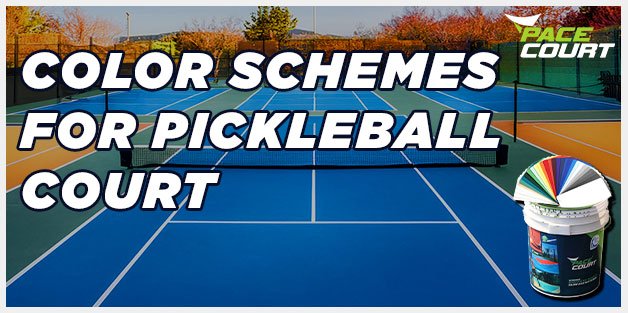
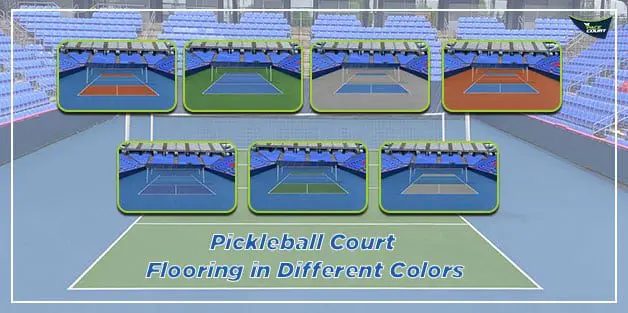
Creating the Ideal Pickleball Court: How to Select the Greatest Color Schemes for Performance 

Introduction With a game that appeals to players of all ages and combines aspects of badminton, ping pong, and tennis, pickleball has become a global craze. Now more outdoor pickleball courts are available, so choosing the right color scheme for these courts is important. Beyond aesthetics, color greatly impacts how the game is played, how safe it is, and other things you experience on the court. This blog discusses pickleball court color schemes and best practices, emphasizing acrylic flooring and its benefits for outdoor sports surfaces. Why Color Matters in Pickleball Court Design Visual Contrast and Gameplay Color selection has a direct impact on player motions, ball visibility, and court borders. Players can track the ball more easily during fast-paced rallies by selecting a well-contrasted color scheme, which lowers their chances of missing or making a mistaken shot call. The court’s playing field should be colored so that it stands out from its surroundings, and the boundary lines should be conspicuously different from the surface they are situated on. Safety Considerations Furthermore, colors may have an impact on players’ safety. For instance, it’s crucial to choose matte paints with no glare if you want your court to be less uncomfortable for players in sunny weather or even when using overhead lamps. Specifically, black paints tend to absorb a lot of heat, which causes variations in surface temperatures. Thus, by keeping an eye on these variables. Players can play without worrying about danger on the courts, and pain and potential injuries can be minimized. Aesthetic Appeal Pickleball court color schemes that are not only functional but also visually stunning. An attractive atmosphere can be created in a sporting stadium and can draw attention from spectators and players alike with a nicely designed court painted in complementing and brilliant colors. Additionally, the right color schemes can highlight the values of a certain school or community, bringing some originality to an otherwise straightforward gaming environment. Selecting the Ideal Color Schemes for Pickleball Courts Choosing the Primary Court Color During a pickleball match, people tend to spend their time on the playing surface; therefore, an essential feature of any court is its color. This hue should yeah act as a contrast to the ball which is most times yellow or orange hence popular colors that have been used include shades of green and blue since they are both visible as well as good looking at the surface. Although, green has been regarded as generally relatable to athletic grounds while blue has been perceived as contemporary and refreshing. Accent Colors and Boundaries Accent colors are only allowed around the boundary lines and on portions of the court that are not used for play. As long as the lines can be readily distinguished from one another, they should complement the primary color. Since white provides a striking contrast to any primary color, it is the most popular choice for these lines. Given that there may be problems with adequate line visibility in other inactive on-court areas. Such as behind the baseline or immediately before the service zone. where there may be less leeway in terms of color selection, it might be wiser to go with darker shades of the primary colors and light grey. Consideration of Surroundings The other color scheme for the court should carefully take into account their locations and surroundings. The way that these colors complement one another depends on several other factors. For example, it would be advantageous if the selected color was complementary to adjacent structures or vegetation. For instance, blue would be a great primary color choice for well-furnished sports courts. Tucked away among lush grass, to contrast with the nearby trees. This is also true in other districts, in contrast to some urban neighborhoods that favor muted tints. Including earth tones or grays. Acrylic Flooring: The Best Choice for Outdoor Pickleball Courts Durability and Weather Resistance Acrylic flooring would be a great substitute for outdoor pickleball courts due to its durability and resistance to weather variables. Acrylic surfaces, in contrast to other materials, are resistant to UV radiation, rain, and temperature changes without degrading. Because of the material’s longevity, the court will continue to look great even if it has severe weather the entire season. Customizable Color Options Acrylic flooring comes in a wide range of customizable colors. Having a court that meets your functional and aesthetic objectives is easy because there is a wide variety of tones and textures to choose from. It is possible to mix and match colors to make the court’s appearance complement the building or the neighborhood’s tastes. Ease of Maintenance The low upkeep of acrylic flooring is only one of its many benefits. Easy to clean and maintain, smooth, non-porous surfaces are impervious to dirt and debris. This is particularly important for outdoor courts because weather-related factors cause deterioration over time. A well-maintained court looks attractive and remains safe, which makes it more enjoyable to play on. Case Studies Case Study 1: A Community Park The intense sunlight and frequent rain that the state experiences have to be considered during the construction of the pickleball court at the community park. As a result, they chose to paint a deep blue acrylic surface as the primary hue. Adding white lines to indicate limits and green accents to non-playing regions. Players particularly benefited from this color scheme since it reduced heat absorption due to the dark blue surface and made them stand out against the surroundings, making gaming more comfortable on hotter days. Furthermore, because the ground combines hues. Which combines artistic beauty with functionality. Many people view it as their playground for competitions or recreational activities. Case Study 2: A Sports Facility An inventive pickleball court was envisioned by the Chennai-based sports organization to draw players from nearby regions. The primary playing grounds were chosen to be bright green, and the dazzling green was finished with yellow boundary lines. Areas not used for play were painted gray. Nonetheless, players benefited from the yellow

Pickleball court

Synthetic Pickleball Court Price in India: Affordable Options for Every Budget

Introduction It is necessary to choose the right materials and have an understanding of the economic implications when constructing a synthetic pickleball court in India. Acrylic flooring is the most popular choice for outdoor sports surfaces, such as pickleball, due to its efficiency and dependability. And appropriately so, we have discussed the price of synthetic pickleball court price in India in this guide, with a focus on affordable brackets for various classes. Whether you are building a court for a school, club, or residential area, this article will help you sort through the possibilities and choose wisely. Understanding Synthetic Pickleball Court Prices in India The cost of synthetic pickleball court manufacturers in India varies significantly depending on several criteria, including the materials’ quality, the difficulty of installing the courts’ size and layout, other geographical considerations, and the addition of court accessories. This is how and what influences prices generally: Material Quality Therefore, the expense of synthesizing floor surface finish materials, such as acrylic, is significant. Since higher-grade acrylic coatings with superior durability and playing properties are more expensive, they are typically more expensive than basic coatings. The life and functionality of the court will be impacted by the caliber of the acrylic layers that are applied. Court Size and Design A typical pickleball court measures 20 by 44 feet, however, there are situations where extra room is needed for run-off, therefore the price may change. Adding distinctive designs, color schemes, or additional components like lighting and fencing will raise the final cost. Installation Costs It is crucial to emphasize that expert assistance is required for any surface coating installation, especially for high-quality coatings that are meant to endure a long period. The type of job being done and the geographic location affect labor costs. Applying acrylic flooring by qualified contractors not only makes correct installation possible but also lowers the likelihood of future repairs. Location and Site Preparation There is an expense associated with moving supplies to distant places, and this expense goes toward the project’s total cost. In addition, the pickleball setup cost is affected by the condition of the land on which the court is to be built. For example, there will be additional costs if a significant quantity of filling, excavation, or watering is required. Maintenance Considerations Investing in high-quality acrylic coatings can lower long-term maintenance expenses, even though the initial investment may be more. This is because repairing or wearing down the coated surface is seldom done, which reduces pickleball court cost in India over time. Affordable Options for Synthetic Pickleball Courts Although building a pickleball court may seem like a large commitment, there are numerous affordable options available that vary in size: Basic Acrylic Court Surface A concrete or asphalt composite is covered in multiple layers of acrylic in a conventional acrylic system. This is less expensive than building a surface for a park, recreational area, or residential area where frequent daily use is not expected. The best performance-to-cost ratio is provided by this kind of surface. Upgraded Acrylic Surface with Cushion Layers An optional layer of cushioning beneath the acrylic surface may be included to improve player comfort and lessen the impact stresses on their joints. This approach is more expensive, but because of its superior shock-absorbing capability, it is suitable for heavily trafficked facilities such as sports academies, clubs, and the like. High-Performance Acrylic Coating for Competitive Use For optimal performance and longevity, it is recommended to invest in premium acrylic coating for courts intended for professional use or tournaments. These surfaces are excellent for grip and ball bounce, two essentials for competitive sports. Although they require a greater initial outlay, the quality and longevity of these coatings outweigh the price. Multi-Court Installations To make the most use of the available area, pickleball court price would be a wise addition to other court sports like tennis or basketball when the goal is to facilitate a wide range of sports. Although it won’t cost much to do, using colored acrylic sprays can aid in clearly marking each area for the appropriate sport. DIY Surface Treatment Solutions Kits for applying acrylic coatings are available for those who already have a concrete basis that is suitable for their needs and want to save money. Although these kits are less expensive, it is still advisable to hire a professional installer to ensure high-quality results, particularly if the kit is meant to be used for an extended period. How to Choose the Right Acrylic Flooring for Your Budget When choosing the best acrylic flooring, there are a lot of things to take into account, including the intended use, the available budget, and the development goals. Here are some pointers to assist you in choosing: Determine the Frequency of Use For one-time or personal use, an acrylic coating will suffice. If establishments expect heavy daily wear and tear, then premium choices with padded layers should be taken into consideration. Consider the Player Demographics Nevertheless, it would be best to buy shock-absorbing surfaces if the court is intended to accommodate senior players or someone prone to joint problems. Evaluate the Long-Term Benefits High-grade acrylic coatings may need a larger initial investment than other coatings, but they save money over time by reducing the need for frequent renovation or repainting. Plan for Future Expansion If there is potential for later additions, such as lighting or expanding the pickleball court price to build in India, these should be included in the initial phase. Tips for Reducing Synthetic Pickleball Court Costs Choose Standard Colors Using unique color schemes raises the total expense. Following the recommended course of action can save money without compromising performance. Optimize Court Dimensions If budget constraints are a concern, consider slightly reducing the size of the run-off area to save on materials and labor. Schedule Installation During Off-Peak Seasons Contractors may offer lower rates during periods of low demand. Combine Multiple Projects If sports facilities are being upgraded in a certain area and the amenities include several sports

Pickleball court

Why Acrylic Surfacing Material is Best for Pickleball Court Flooring

Introduction These days, pickleball, a hybrid of badminton, table tennis, and tennis, is more popular than any other sport. The need for excellent pickleball courts has increased in tandem with its enormous popularity. For pickleball court flooring, acrylic surfacing material is the best choice among the available options. This post will examine the many benefits of acrylic covering material and real-world case studies that demonstrate its efficacy in selecting the optimum surface for pickleball courts. Throughout the talk, we’ll emphasize how important it is to have pickleball court flooring of high quality and how acrylic surfacing material meets and exceeds these requirements. One of the fastest-growing sports in the world is pickleball, which mixes elements of badminton, table tennis, and tennis. As a result, there has been a noticeable increase in demand for upscale locations to play this sport. Out of all the options on the market today, it stands out as the “best” flooring choice for pickleball courts. This blog post will examine what makes acrylic surfacing such a commendable option, outlining its many advantages and providing real-world examples to highlight its significance. In this discussion, we will focus more on making sure that pickleball court flooring maintains quality and how acrylic surfacing exceeds these requirements. The Growing Popularity of Pickleball Court Flooring To fully understand acrylic surfacing, one must first be familiar with the applications for this kind of flooring. Pickleball’s simplicity makes it appealing to a wide age range of players, from young children to elderly people. It needs an appropriate court that is playable enough without sacrificing longevity or safety to accommodate a variety of players. One must consider the type of material that will be used for the floor as a result. What Makes Acrylic Surfacing Ideal for Pickleball Courts? Durability and Longevity The surfaces made of acrylic are long-lasting. They are resistant to rubbing and scratching, even under extreme weather conditions and heavy use. Pickleball courts’ lengthy lifespan guarantees that they will stay in excellent shape for many years, requiring little upkeep or resurfacing in between. Superior Playability Acrylic surfaces need to provide consistent ball bounce and traction for pickleball players to enjoy and compete efficiently. Furthermore, smoothness offers enough traction to enable unpredictable rapid movements and sudden stops without posing a slipping hazard. Low Maintenance Less upkeep is one of the distinguishing qualities of acrylic surface materials. Usually, all that is required to maintain the surfaces is a simple wash with water and some common cleaning supplies. Because they are composed of acrylic, they last longer and require less substantial maintenance over time, which saves time and resources. Customizability Pickleball courts can be customized by their owners thanks to the variety of colors available for acrylic surfaces. This enhances the playing experience overall by clearly demarcating the court’s limits and zones in addition to being aesthetically pleasing. Eco-Friendly Acrylic coatings have a low volatile organic compound content and are therefore considered environmentally benign. This feature has become more important in the contemporary context of athletic arenas trying to reduce their environmental impact. Weather Resistance Acrylic surfaces are resistant to deterioration from UV light and other environmental conditions. A pickleball court with an acrylic coating would be all weather pickleball court flooring which remain intact and continue to function properly even in the face of strong sunlight, heavy rain, or extremely low temperatures. Enhancing Safety with Acrylic Surfacing When it comes to outdoor pickleball court flooring, people argue that safety is not the primary issue, despite this being true for all sports. The following are just a few of the numerous safety benefits of acrylic flooring, which makes it appropriate for court surfaces where this game is played: Traction and Grip The incredibly strong grip that acrylic’s surface texture provides helps to reduce the likelihood of sliding and falling. especially in pickleball, where players change direction quickly and stop suddenly. Cushioning Effect The findings indicate that distress-absorbing formalists can be used in the construction of acrylic surfaces, which lowers the risk of injury from falls or repetitive motions. For senior professionals who are susceptible to joint injuries, this is crucial. Clear Visibility The ability to alter the color of acrylic surfaces ensures that the court’s borders and lines are visible. This lessens the possibility of mishaps when players inadvertently cross the boundary. The Cost-Effectiveness of Acrylic Surfacing Even while acrylic surfacing materials are more expensive to begin with than other materials, their long-term benefits make them a wise investment in terms of economics. Here are a few of the causes: Longevity Compared to other materials, acrylic surfaces require less frequent replacement because of their extended lifespan. This suggests fewer long-term expenses. Low Maintenance Because acrylic surfaces require less maintenance than other materials, there is a reduction in expenditures associated with creating a long-lasting court. Regular washing is inexpensive and easy to do. Enhanced Playability and Safety Investing in high-quality surfaces that encourage playability and safety would draw more athletes and events to athletic venues, increasing revenue for the facilities. Environmental Benefits of Acrylic Surfacing One of the greatest possibilities among several eco-friendly materials is acrylic surfacing. Low VOC Emissions Compared to solvent-based coatings, acrylic coatings have a water base that reduces volatile organic compounds (VOCs), resulting in fewer emissions that are harmful to the environment. Reduced Waste Because acrylate surfaces endure longer, they are exposed to more light over time. Consequently, there is less material waste because replacements and resurfacing are less common. Energy Efficiency It is possible to apply transparent materials, such as acrylics, to surfaces to help prevent excessive heat absorption, keep surfaces colder, and lessen the need for air conditioning equipment. Case Studies Case Study: Revamping a Community Pickleball Court To illustrate the benefits of acrylic surfacing, let’s look at a case study of a neighborhood that used this material to update its pickleball courts. Project Overview: The Process: The existing courts have begun to degrade the level of play due to their rough surfaces and poor upkeep. The community

Pickleball court

Pickleball Court Flooring Design Ideas & Customization

Introduction Pickleball, which combines table tennis, badminton, and tennis into a single game that appeals to players of all skill levels, is cleaning the sports world. Because of this sport’s increasing popularity, there is a growing demand for top-notch courts every day. That being said, if serious pickleball players want to get the most out of the game, they need to have a top-notch court and appropriate flooring. The use of acrylic synthetic floors specifically made for outdoor pickleball courts is what we do at Pacecourt. This article will advise about different customized choices for the pickleball court design. If you want them to be brightly colored so that it is easier to see, or if they have their graphics or company symbol on them, there are countless ways to go about this using synthetic acrylic floors. It will also touch upon various things related to practicalities such as the design of the court, and maintenance tips, among others, as well as technological advances surrounding courts today. Why Choose Acrylic Synthetic Flooring? Acrylic synthetic flooring is the best option for pickleball courts because of its durability, performance, and aesthetic qualities. Here is why it is:- Design Ideas for Pickleball Court Flooring More than just laying down the surface, creating a pickleball court involves this and more. Engagement, attractiveness, and practicality all play a role in its design. The ideas mentioned here should be taken into account.  Color Schemes Choosing the right color scheme can enhance visibility. Popular color combinations include: Court Layout and Dimensions Normal pickleball courts are 20′ x 44′. However, you should take into account the space that players need to move around. To make sure it’s safe and comfortable, add a buffer of at least 10 feet at the ends and 7 feet at the sides. Graphics and Logos Choose custom graphics and logos of your choice, the identifying mark of a sponsor, or fun patterns; the addition of images serves to make your court distinct. For durability, you will have to use high-quality paint that resists UV rays. Multi-Court Configurations When there is enough space, it is important to think about creating multi-court layouts so that more people can use them and a sense of connection can be created. You can make the courts different by using varied colors. Customization Options with Acrylic Synthetic Flooring There is no other area where acrylic synthetic flooring does as well as it does in customization. Here is how you can adapt your pickleball court creation to meet your tastes and preferences: Surface Texture Choose the surface that fits how you play. The bit of rough helps for holding; it’s best if you’re offensive. If you adore fast rallies, then go for a smooth feel.  Cushioning Systems Incorporate layers that are used for cushioning beneath the acrylic to reduce joint strain, hence improving comfort, especially for older players and anybody who has joint problems. Different shock absorption levels can be availed of through customizing cushion schemes.Read why cushion coats are important for players’ joints.  Color Customization Custom colors might be considered in terms of your brand as well as personal preferences away from the standard color palette. Sharply different colors should be used to improve visual clarity between the areas that are regarded to be in play and those that are out of limits. Court Accessories Complete the installation of superior nets, posts, and boundary lines on your court. It could be a good idea to install adjustable net systems there for players of various heights. These accessories should be long-lasting enough to withstand fluctuations in the weather. Maintenance and Longevity of Acrylic Synthetic Flooring Maintaining your pickleball court will help to keep it in excellent shape for many years to come. The following tips can help you extend the lifespan of your acrylic  flooring:  Regular Cleaning Clean the court frequently to prevent surface abrasions and to get rid of any leaves, dirt, or debris. As an alternative, you can keep your play area tidy by using a leaf blower or soft brush. Use water and a light detergent to give it a deeper shine. Inspect for Damage Always keep an eye out for any surface fading, chips, or cracks because these can be quickly fixed before problems become worse, and acrylic materials can be easily restored when they ultimately wear out. Protect from Heavy Equipment Avoid placing heavy equipment on the court. If necessary, use protective mats to distribute the weight and prevent indentations.  Reapply Acrylic Coatings After 3-4 years later, repainting the acrylic coat might bring life back to the place. This act involves cleaning, mending, and using another coat of acrylic paint. It’s a cheap method of increasing the life of the court. Environmental Considerations Acrylic synthetic floors are eco-friendly. They require fewer chemical cleaners, hence reducing the need for maintenance. Furthermore, when making a playing area, these substances are safe because they do not contain any toxic substances. Future Trends in Pickleball Court Flooring Pickleball is becoming more popular, which means that court design and customization are also changing very fast. The most recent improvements for these include: Smart Courts The incorporation of technology into pickleball courts is becoming more common. Player moves can be watched, performance analyzed, and instant replays provided through smart sensors and cameras. By allowing better training possibilities and increasing game interaction, these ideas could actually improve the game.  Eco-Friendly Materials More environmentally friendly courts should be anticipated; this increases demand for antimicrobial surfaces that inhibit the growth of microorganisms on them without any need to compromise between performance characteristics when resilient materials can be used as well. An example of resilient materials is acrylic syntetic flooring . Portable Courts Popularity is increasing for portable pickleball courts during events as well as short-term setups. Portable pickleball courts have come up with a type of modular acrylic floor that can be erected and disassembled quickly and is flexible enough across all sites. Pickleball Court Look over our colour combinations and choose wisely.




Pickleball court

Pickleball Versus Tennis- Explore The Differences

Introduction While pickleball and tennis enthusiasts can have a great time playing these sports. Tennis is known for providing its players with a larger playing surface—78 by 29 feet—for a single match. Which allows for improved performance on strategic rallies and power serves. The game’s scoring system consists of traditional points and sets. Making it difficult for players to pay attention for long periods of time and stay strong in games comprising several sets. On the flip side, pickleball comes with a smaller court that measures 44 feet in length and 20 in width for doubles matches. Making it possible for players to exchange balls very quickly and make split-second decisions. In this kind of setting, every point matters as each one must be earned by the team that served, hence stimulating a high level of competition, although it is fun to participate in. Pickleball and tennis outline classic sports in the racquet category. Engaging with the game means meeting different parameters, as both games are meant to have rewards from learning more about each. This makes both a special choice as far as racquet sports are concerned. Introduction to Pickleball and Tennis Even though the rules are similar, tennis and pickleball are different sports in terms of equipment and goals. Agility, strategy, and hand-eye coordination are necessary in both games; however, they have different dimensions for fields, scores, and dynamics of gameplay. Court Dimensions and Playing Surface One of the most noticeable differences between pickleball and tennis lies in their court dimensions and playing surfaces: Gameplay Rules and Scoring The rules and scoring systems of pickleball and tennis also exhibit notable distinctions: Equipment and Attire While both sports require specific equipment and attire for optimal performance, there are differences in the gear used: Strategy and Tactics Strategy in both sports revolves around positioning, shot selection, and adapting to opponents’ styles: Fitness and Health Benefits Both pickleball court flooring and tennis offer numerous physical and mental health benefits: Background Pickleball: Tennis: Court Comparison Court Dimensions: Playing Surface: Game Dynamics: Market Trends and Growth Pickleball: Tennis: Implications for Pacecourt Material Requirements: Pickleball And Tennis Court With Acrylic Synthetic Flooring Conclusion However, even though they stem from the same foundation. There are many differences between tennis and pickleball, including everything from court size and location. How the ball is served or what type of equipment can be used in each category. And either way, whether it’s your goal- slamming shut opponent after shut opponent with frenetic rapid-fire action played out over some transparent plastic floor- or positioning yourself deep within a court where there’s grass, sand, or grass court configurations during play period so that they best suit certain styles needed by those who tend towards slower but more controlled approaches such as those adopted by talent best tennis players every other day. You will ensure a worthwhile. Fun instance on the court if you select the game that is in much consideration with your tastes and aims by understanding the differences between tennis and pickleball. At PaceCourt, we are experts at creating and placing top-notch acrylic floorings that match people’s unique specifications in racquet sports. This means that no matter what level you are at, novice or professional, there is no one who can do better than us for your needs in terms of achieving efficiency and safety when it comes to playing games. Let us come together and celebrate the joy of engaging in such games as tennis or pickleball; at such moments. Dedication merges with accuracy, giving way for lifelong memories as it involves each set played. Frequently Asking Question

Pickleball court, Pickleball Court Flooring

Synthetic Pickleball Court Material Is It The Best Bet?

Synthetic Pickleball court is the next big thing in the sport. If you haven’t heard about pickleball, let’s give you a scoop of information. Pickleball is gaining momentum. According to the USA pickleball association, there has been a 650 percent rise in this sport in the last 6 years, Australia and India are not far behind. In India, there are 3000 registered players playing pickleball. The players participate in national and international tournaments too. Now that you are aware about the burgeoning popularity of pickleball court; let’s tell you about which are the best pickleball court materials. Synthetic Pickleball Court Materials is the chosen one because Dependable Unlike traditional court materials, synthetic pickleball court materials are dependable. It means the ball is diverted well and the footwork of the players is minimized. The court adapts to the player’s maneuverability. The other court surfaces become less reliable for the players amidst downpours and rain. These materials shield the players from any sort of damage that might happen when they fall. Adaptable to cruel climate conditions Another reason why synthetic pickleball court has become a great option is because it can withstand the cruel climatic conditions. It has robust seepage features and elastic infill that helps it to get rid of moisture quickly. The synthetic cutting edges further protect it from the harmful UV radiation. So, whether it is a dry or a humid condition, the turf stays lavish, green and ready to play. It can also bear excessive footfall. Due to these reasons, major tournaments take place on synthetic courts. Cheap to maintain Unlike other courts the synthetic pickleball court is engineered to low maintenance and upkeep. All you need to do is to brush to clean the surface and keep edges in the upright shape. The entire process is not challenging or time intensive; also it is cheap.  Financially Savvy Arrangement Another reason to choose synthetic pickleball court material is apart from providing long life to the court. It is a financially savvy investment. Though it might require an installation cost, it is repaid through their life span. The procedure is not mind boggling and it makes it an unrivaled court champion. Conclusion These are some of the benefits of using pickleball court material; if you want to discuss more about the surface options for your sports facility construction; Pacecourt can help you to turn luck into your favor. Our company provides you with guidance and advisory services and even helps you incorporate colors of your choice, detailed striping and other important features.

Pickleball court, Pickleball court cost

Pickleball Court- A Comprehensive Way to Determine Cost

Pickleball Court creation has been in the news due to rising tournaments and growing demand for the sport. The entertaining quotient of the game makes it more worthwhile and avid players are constantly looking out for more courts to stay fit. But do you know how much a pickleball court costs and what are determining features that impact the cost? Let’s embark on the journey. How much does it cost to build a pickleball court? On an average, a pickleball court construction might cost depending on the installer. However, several factors impact the construction cost.  So, before you sign an agreement with the contractor, consider a few things in mind. Pickleball Court Dimensions The cost to build pickleball court depends on the correct dimensions, so you need to verify if there is enough space on the property to build a court. For example, USA pickleball court dimensions are 30 x 60 feet. However, the recommended height is 34 x 64 feet. The bigger the area increases the cost but it also improves the playability experience and ensures that the court net is set up correctly.  Labour and Equipment Cost The cost to build a court also depends on the contractor. It is essential to locate a contractor with an extensive reputation and high quality.  A low-quality contractor would disdain your image and none would like to be your sponsor.  Cost Inclusive/ Exclusive The cost to install a court also depends on what are the inclusive costs like if the contractor provides you with site clearing,  sun glare, UV-protected court, installation and grading services; the cost would be more than a standard cost construction service. Whether you need a portable or a permanent court Depending on whether you require a portable or permanent cost of court, will vary. Many court construction project owners spend a little more money to get a permanent court because it improves their reputation and attracts many players. Accessories Before signing a dotted agreement with the contractor, ensure what all accessories are part of the court, like fencing, and lighting for night play, and accessories like bleachers, blackboard, and paints would cost a bit more than average. Material  Pickleball court cost is also impacted by the materials used in the construction.  For example, synthetic acrylic court is softer. It comes with shock absorbent properties and does not cause fatigue to the players. Also, they offer unparalleled durability, can stand resilient against changing weather conditions, heavy usage and does not come with significant wear and tear cost. Maintenance Involved in Building Pickle Court No matter how much you spend, your pickleball court needs to be maintained and resurfaced. A synthetic material by Pacecourt is an ideal way to protect your investment. They have different products through which they will fill the cracks and make the surface smooth. These are some factors to consider before installing a pickleball court. Conclusion Whether you aim to build a backyard pickleball court or court or create it on the ground; the cost remains an integral part. These are some factors that can escalate the court cost or lower it down. To get the fair price court construction and material estimates; connect with Pacecourt.

Pickleball court, Tennis Court vs Pickleball Court

Tennis Court vs Pickleball Court

Pickleball has gained popularity across the nation and is a hybrid of badminton and tennis. It’s on the verge of becoming everybody’s favourite sport. To accommodate their new passion, many pickleball enthusiasts are even converting or adapting old tennis courts into pickleball courts. Tennis and pickleball are both played on courts that are roughly rectangular in shape with a net running down the middle, but there are some differences. Tennis courts are more significant than pickleball court size, so pickleball courts are more affordable. Additionally, you can choose the colour of your court because pacecourt allows you to customise the colour of your court. People can convert tennis courts to pickleball courts. For any customer who wants to build a tennis or pickleball court or is unsure of what court will look good and where to purchase it, this blog is for you, so let us now discuss Tennis Court vs Pickleball Court Differentiating Tennis Court vs Pickleball Court Tennis courts are more significant, which is the most noticeable distinction between the two sports. A much smaller court is used for pickleball. Tennis courts are 60 feet wide and 120 feet long, whereas pickleball courts are 20 feet wide and 44 feet long, which is roughly the same size as badminton courts. A regular tennis court can accommodate four pickleball courts.  Pickleballs and tennis balls are as dissimilar as they come—the only thing they have in common is colour! tennis balls have soft, fabric-like finishes and white, curved lines, making them almost identical to regular tennis balls in appearance. The correct compression level (which is 25% less than a tennis ball) indicated by large green dots on standard tennis balls. Conversely, pickleball resembles a wiffle ball in that they made of polymer and have holes all over the ball. Tennis Court Flooring Tennis is a very popular sport that is played both competitively and for fun. The game has a lot of back-and-forth action, which keeps the players’ attention constantly. Tennis is incredibly beneficial for the body and mind because it promotes wellness. Whatever the reason, a sport like a game of tennis, which calls for a high degree of precision as well as intense physical and mental strength, needs a good playing surface or infrastructure., There are 8 tennis court flooring colours. Throughout the world, Pacecourt provides the finest synthetic flooring. Some considerations to make when selecting tennis court flooring material Pickleball Court Flooring It’s essential to have a thorough understanding of pickleball court flooring whether you’re building a new pickleball court from scratch, converting an existing tennis or badminton court into a pickleball court, or building a multisports court. Additionally, you must consider and modify the typical pickleball court flooring size to suit your needs. The following other differences between Tennis Court vs Pickleball Court: Netting. The net on a pickleball court is 34 inches wide in the centre, whereas the net on a tennis court is the same height at 36 inches. volleyball area. In pickleball, there is a no-volley zone that is seven feet from the net and three and a half feet on each side.  Double and single courts. Teams of two can use the “doubles alleys” on each side of the tennis courts. The size of a pickleball court is the same for singles and doubles play. The markings on each court are comparable to one another.  Pickleball scoring is as distinctive as the sport’s name. Three numbers used to indicate the score: 1) the serving team score, 2) the receiving team score, and 3) the server number (one or two). The first server positioned to the left, and the second server positioned to the right. Pickleball has a special rule where the server on the right initiates play, which is why you call zero-zero-two. The server would call “zero-zero-two” to begin a pickleball game, and the score would increase by one for each goal scored by each team. Pop tennis has the same rules for scoring as regular tennis court flooring, unlike pickleball. Each score is as follows: love (zero points), 15, 30, 40, and game points. The server calls the score before the ball is hit. Tennis Court And Pickleball Court Tennis and pickleball are both enjoyable sports for anyone who wants to be physically fit all around. The games are a great way to meet new people and are very social. Whether you select one, the other, or both, you’ll discover that you’re having a blast, meeting new people, and generally loving life. The best thing about these two sports is that players of all ages and athletic abilities can enjoy and participate in them. These multiplayer games designed to engage the entire community, including family and friends. You can reach Pacecourt at any time to place an order for materials, whether they are for a pickleball court or a tennis court.

Scroll to Top
ISO-Certificate

Get 10% Off – Fill the Form Now

Hours
Minutes
Seconds