Pacecourt Partners with AIPA to Build World-Class Pickleball Courts Across India
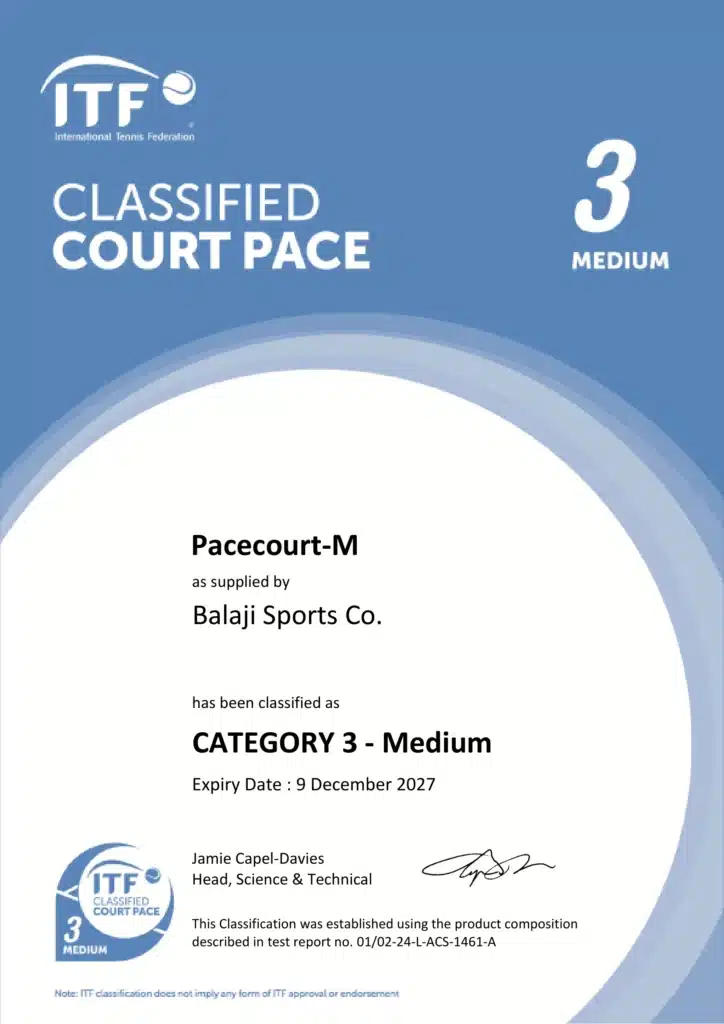
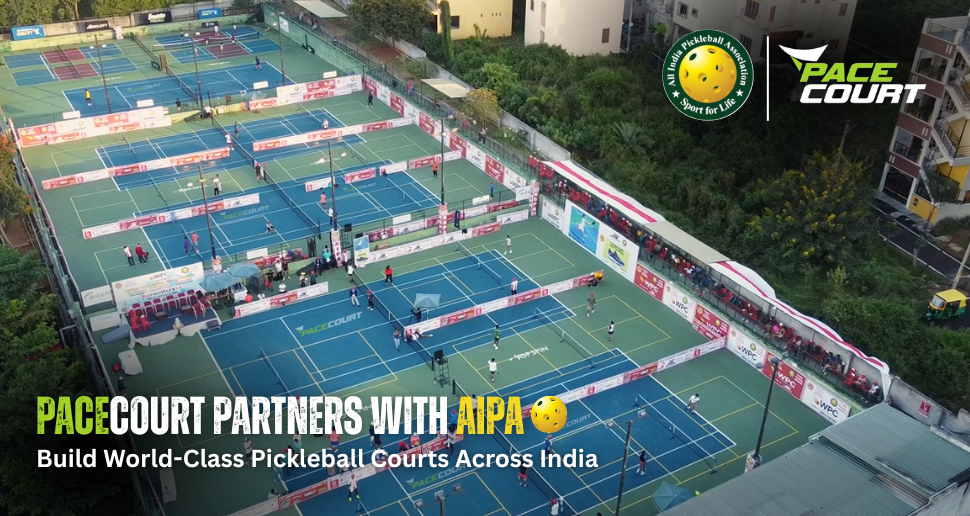
A New Era for Pickleball Infrastructure in India India’s pickleball revolution is happening faster than ever. From residential communities and schools to sports clubs and commercial facilities, the demand for high-quality pickleball courts is witnessing unprecedented growth. To support this exciting transformation, Pacecourt, India’s leading synthetic acrylic sports flooring manufacturer, is proud to announce its strategic partnership with the All India Pickleball Association (AIPA). This collaboration marks a significant milestone in the development of world-class pickleball infrastructure across the country, ensuring that players, clubs, academies, and organizers have access to professionally designed and internationally compliant pickleball courts. Why Pickleball is Growing Rapidly in India Pickleball has emerged as one of the fastest-growing sports globally, and India is quickly becoming part of this movement. The sport combines elements of tennis, badminton, and table tennis, making it easy to learn while remaining highly competitive. Its appeal spans all age groups—from young athletes and working professionals to senior citizens looking for an engaging fitness activity. Several factors are driving this growth: As participation increases, so does the need for professional-grade pickleball courts that deliver safety, durability, and consistent playing performance. The Vision Behind the Pacecourt–AIPA Partnership The partnership between Pacecourt and AIPA is built on a shared vision: To create world-class pickleball courts that meet international standards and accelerate the sport’s growth throughout India. Through this collaboration, both organizations aim to: By combining AIPA’s leadership in pickleball development with Pacecourt’s expertise in sports flooring and court construction, the partnership creates a strong foundation for the future of the sport. Why Quality Pickleball Courts Matter A great pickleball experience starts with a great playing surface. Poorly constructed courts often result in: Professional pickleball courts, on the other hand, offer: Feature Benefit Consistent Surface Texture Predictable ball bounce Anti-Slip Finish Enhanced player safety UV Resistance Long-lasting color and performance Weather Resistance Better durability in Indian climates Professional Line Marking Accurate gameplay Low Maintenance Reduced operational costs This is where Pacecourt’s expertise becomes critical. Why Pacecourt is the Preferred Choice for Pickleball Court Construction Over the years, Pacecourt has established itself as one of India’s most trusted names in sports flooring solutions. 4,000+ Courts Built Pacecourt has successfully delivered thousands of sports court projects across India and international markets. ITF-Certified Systems The company follows globally recognized quality standards for sports flooring applications. End-to-End Execution From design and planning to flooring installation and final line marking, Pacecourt provides complete project solutions. Premium Acrylic Flooring Systems Pacecourt’s pickleball court systems are designed to deliver: Nationwide Project Support Whether you’re building a court in Delhi, Mumbai, Bangalore, Hyderabad, Chennai, Pune, Ahmedabad, or any other city, Pacecourt offers professional project execution across India. What This Partnership Means for Sports Clubs and Facility Owners The collaboration creates exciting opportunities for: Sports Clubs Develop tournament-ready pickleball facilities that attract players and events. Schools & Universities Introduce one of the fastest-growing sports while maximizing sports infrastructure utilization. Residential Communities Create engaging recreational spaces that increase community participation and property value. Corporate Campuses Promote employee wellness through modern sports amenities. Sports Entrepreneurs Build profitable pickleball academies and commercial facilities backed by trusted infrastructure expertise. Building Courts That Meet International Standards One of the key goals of the partnership is ensuring that newly developed courts align with recognized pickleball construction standards. This includes: By following standardized construction practices, facilities can host training programs, competitions, and tournaments with confidence. Accelerating the Future of Pickleball in India The Pacecourt–AIPA partnership represents more than a business collaboration. It is a commitment to growing the sport at every level from grassroots participation to competitive excellence. As demand for pickleball continues to surge, the need for reliable, high-performance sports infrastructure will only increase. Together, Pacecourt and AIPA are working to ensure that players across India have access to courts that meet the highest standards of quality, safety, and performance. This initiative will help create stronger communities, better training environments, and greater opportunities for the next generation of pickleball players. Join India’s Pickleball Movement Whether you’re planning a single pickleball court, a multi-court facility, a sports academy, or a tournament venue, now is the perfect time to invest in professional infrastructure. With the combined expertise of Pacecourt and AIPA, building a world-class pickleball facility has never been easier. Ready to Build Your Pickleball Court? Partner with Pacecourt and bring international-quality pickleball infrastructure to your facility. 4,500+ Courts Built. Trusted Nationwide. Built for Champions.