India is witnessing a silent revolution beneath the feet of its athletes, driven by the rapid rise of synthetic sports flooring in India. Walk into a modern sports complex today—whether in Delhi, Mumbai, Bengaluru, or even tier-2 cities—and you’ll notice something different. The dusty, uneven grounds and cracked concrete courts are steadily being replaced with vibrant, cushioned, high-performance surfaces. This transformation isn’t accidental. It reflects a larger shift in how India perceives sports, fitness, and infrastructure.
Synthetic sports flooring has emerged as a game-changer in this evolution. As sports culture expands beyond cricket into badminton, basketball, athletics, tennis, futsal, and more, the need for professional-grade surfaces has become undeniable. After all, would you expect athletes to deliver world-class performances on outdated grounds? Probably not.
The rise of synthetic sports flooring in India is closely linked to urbanization, increased health awareness, private investments, and government-backed sports initiatives like Khelo India. Schools are upgrading their playgrounds. Residential societies are installing multi-sport courts. Even rural areas are slowly adopting modern flooring systems to support aspiring athletes.
But what exactly is synthetic sports flooring, and why is it gaining so much traction? Is it just about aesthetics, or does it genuinely enhance performance and safety? Let’s break it down and explore how this industry is reshaping India’s sporting landscape—one court at a time.
What Is Synthetic Sports Flooring?
Synthetic sports flooring refers to specially engineered surfaces made from artificial materials like polyurethane, acrylic, PVC, rubber, or synthetic turf, designed specifically for sports activities. Unlike traditional mud, grass, or cement surfaces, these floors are built with performance, durability, and athlete safety in mind.
Think of it as upgrading from a basic bicycle to a high-performance sports bike. Both can take you from point A to point B, but the experience, comfort, and efficiency are worlds apart. Synthetic flooring offers shock absorption, better grip, consistent bounce, and improved traction—all of which directly impact athletic performance.
These floors are not one-size-fits-all. Different sports require different surface properties. For example:
- Basketball courts need controlled ball bounce and anti-skid properties.
- Badminton courts require smooth yet cushioned surfaces.
- Athletics tracks demand elasticity and energy return.
- Football fields rely on artificial turf that mimics natural grass.
The materials are layered carefully. A typical system may include a base layer for stability, a cushioning layer for shock absorption, and a topcoat for grip and durability. This multi-layered construction ensures athletes can train longer and compete harder without excessive strain on their joints.
In India, where climate conditions vary drastically—from humid coastal regions to dry northern plains—synthetic sports flooring offers adaptability. Many surfaces are UV-resistant, water-resistant, and designed to withstand heavy foot traffic.
In simple terms, synthetic sports flooring transforms ordinary spaces into high-performance arenas. It bridges the gap between amateur play and professional standards, allowing athletes to train in conditions similar to international venues.
Evolution from Traditional to Modern Surfaces
Not too long ago, most sports activities in India took place on basic surfaces—mud fields, cemented courtyards, or natural grass grounds. While these surfaces served generations of athletes, they came with limitations. Uneven terrain led to injuries. Grass fields required constant maintenance. Cement courts were hard on knees and ankles.
As India began producing more professional athletes competing at global platforms, the shortcomings of traditional surfaces became evident. Performance consistency matters. Injury prevention matters even more.
The shift toward synthetic sports flooring began in metropolitan cities and elite institutions. Initially, it was considered a luxury—something only international schools or high-end sports clubs could afford. But over time, the narrative changed. It became less about luxury and more about necessity.
Urbanization played a crucial role. With shrinking open spaces, multi-purpose courts became popular. Synthetic surfaces allowed multiple sports to be played on a single ground without damaging the base. This flexibility made them economically attractive.
Another turning point was India hosting international tournaments. Exposure to global standards raised expectations. Athletes training on substandard surfaces found it difficult to adjust to professional tracks abroad. The solution? Upgrade the home infrastructure.
Today, synthetic sports flooring is no longer confined to elite spaces. Tier-2 and tier-3 cities are investing in acrylic tennis courts, PU running tracks, and artificial turf football fields. Even government schools are slowly transitioning toward modern surfaces under sports development schemes.
The journey from mud fields to high-tech flooring mirrors India’s broader development story—a nation stepping confidently toward global standards while nurturing grassroots talent.
Why India Is Embracing Synthetic Sports Flooring
If you pause for a moment and observe the sports ecosystem in India today, you’ll notice something remarkable—it’s no longer limited to cricket stadiums packed with fans. Badminton academies are flourishing, football leagues are expanding, marathons are filling city streets, and children are choosing basketball and skating alongside traditional games. This cultural shift is one of the strongest reasons behind the rapid rise of synthetic sports flooring in India.
Sports are no longer just extracurricular activities; they’re careers, passions, and even lifestyle choices. Parents who once insisted on textbooks now encourage professional coaching. Schools compete in inter-state tournaments. Corporate houses sponsor leagues. With this surge in participation comes the demand for professional-grade infrastructure. And let’s be honest—no serious athlete wants to train on a cracked cement floor.
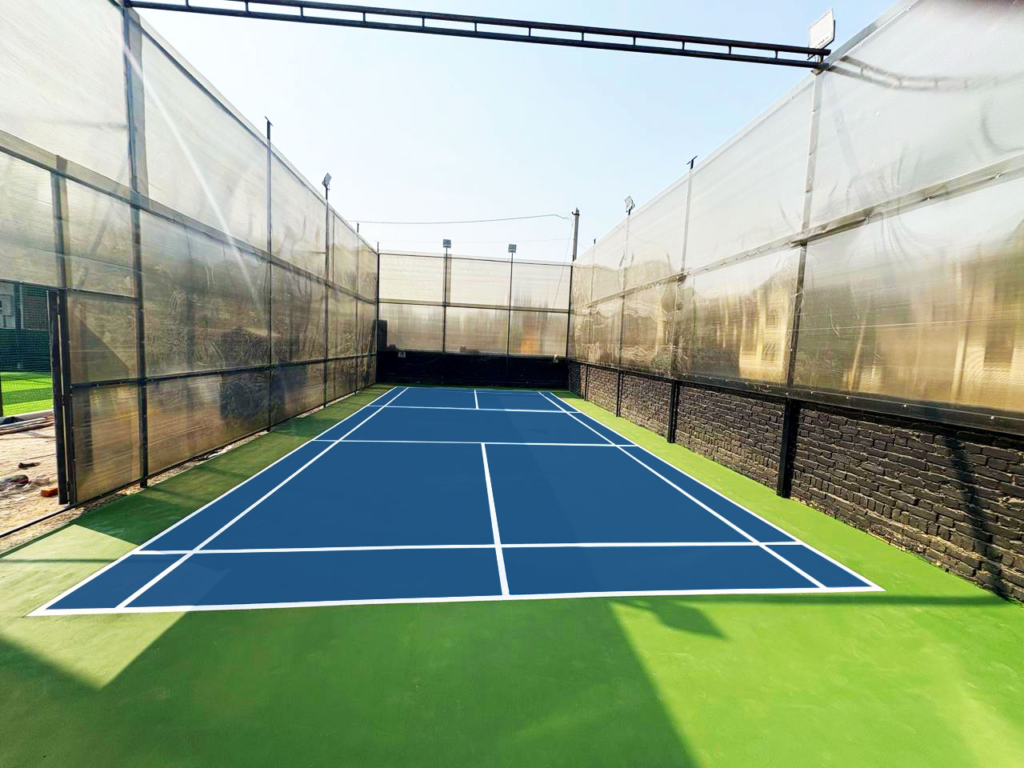
Another driving factor is urban development. As cities expand vertically, open playgrounds shrink. Synthetic sports flooring allows multi-purpose courts to be installed in compact spaces like rooftops, basements, and residential complexes. A single synthetic court can host badminton in the morning, basketball in the afternoon, and futsal in the evening. That kind of flexibility is a game-changer.
Moreover, awareness about injury prevention is growing. Coaches and fitness experts now emphasize the importance of shock-absorbing surfaces. Hard concrete can damage joints over time, especially for young athletes. Synthetic floors reduce impact stress, offering safer playing conditions.
In short, India is embracing synthetic sports flooring because it aligns perfectly with its evolving sports culture—modern, ambitious, and performance-driven.
Growing Sports Culture and Awareness
India’s sports narrative is undergoing a powerful transformation. Gone are the days when cricket overshadowed every other sport. Today, athletes like PV Sindhu, Neeraj Chopra, Mary Kom, and Mirabai Chanu have inspired millions. Their success stories have ignited a nationwide realization: with the right training and infrastructure, Indian athletes can compete with the world.
This growing sports culture naturally increases demand for better facilities. When a child sees an Olympic medalist on television, they dream bigger. But dreams require the right environment to grow. Synthetic sports flooring provides that foundation—literally.
Fitness awareness has also surged. Urban India is embracing gyms, yoga studios, cross-fit centers, and indoor sports arenas. People understand that health is an investment, not an expense. Modern sports flooring supports this mindset by offering professional environments for training.
Social media has amplified this shift. Videos of international sports arenas and advanced training facilities are just a scroll away. Expectations have risen. Players want the same bounce, grip, and cushioning they see in global tournaments.
Furthermore, sports academies and coaching centers are mushrooming across the country. To attract serious athletes, they must offer competitive facilities. Installing synthetic flooring instantly elevates their credibility.
In essence, synthetic sports flooring isn’t just a construction upgrade—it’s a reflection of India’s changing aspirations. As sports become integral to lifestyle and identity, infrastructure naturally evolves to match those ambitions.
Government Initiatives and Infrastructure Development
Government support has been a crucial catalyst in accelerating the adoption of synthetic sports flooring in India. Programs like Khelo India, Fit India Movement, and various state-level sports development schemes have poured significant investments into grassroots infrastructure.
Under these initiatives, schools and district-level stadiums are being modernized. Running tracks are being converted into synthetic surfaces. Multi-purpose indoor halls are being equipped with PU and PVC flooring. These developments ensure that athletes from smaller towns get exposure to professional-grade facilities without relocating to metropolitan cities.
The government’s focus isn’t just on elite athletes but on mass participation. By creating better infrastructure at the community level, authorities aim to encourage youth engagement in sports. Synthetic sports flooring plays a vital role here because it is durable, long-lasting, and suitable for high-traffic usage.
Additionally, hosting international tournaments has motivated state governments to upgrade facilities to meet global standards. Events demand compliance with international guidelines, and synthetic surfaces are often mandatory.
Public-private partnerships have further boosted the industry. Many sports complexes are built through collaborative funding, combining government vision with private sector efficiency.
Infrastructure development in India is no longer limited to highways and metro lines—it includes stadiums, sports complexes, and training centers. Synthetic sports flooring is at the heart of this transformation, providing the foundation upon which future champions train.
Types of Synthetic Sports Flooring Popular in India
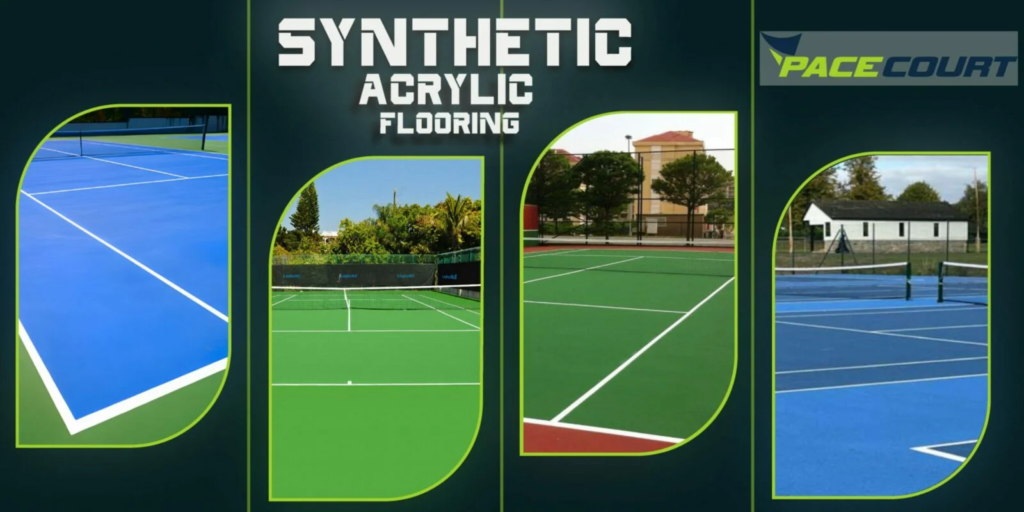
The synthetic sports flooring market in India is diverse, catering to various sports and environmental conditions. Not all surfaces are created equal. Each type has unique characteristics designed for specific performance requirements.
Let’s explore the most popular options shaping India’s sports infrastructure.
Polyurethane (PU) Flooring
Polyurethane flooring is widely regarded as one of the premium choices for indoor sports courts. It offers excellent elasticity, shock absorption, and seamless finishing. If you’ve ever stepped onto a professional basketball or badminton court and felt a slight cushion under your feet—that’s likely PU flooring.
The beauty of PU flooring lies in its layered structure. Typically, it consists of:
- A concrete or wooden base.
- A cushioning layer.
- A polyurethane topcoat.
This multi-layered system ensures uniform bounce and grip. It reduces stress on knees and ankles, making it ideal for high-impact sports.
In India, PU flooring is commonly installed in:
- Indoor badminton courts
- Basketball arenas
- Volleyball courts
- Multi-sport complexes
Though the initial investment may be higher than other options, its durability and low maintenance justify the cost over time. For institutions aiming for professional standards, PU flooring is often the go-to solution.
Acrylic Sports Flooring
Acrylic sports flooring is one of the most widely used surfaces in India, especially for outdoor courts. It’s popular for tennis, basketball, and multi-purpose playgrounds.
Why is acrylic so common? The answer lies in affordability and weather resistance. India’s climate can be harsh—scorching summers, heavy monsoons, and high humidity. Acrylic surfaces are UV-resistant and waterproof, making them suitable for outdoor installations.
This flooring is typically applied over asphalt or concrete bases. Multiple layers of acrylic coating create a textured, anti-skid surface that enhances player safety.
Advantages of acrylic flooring include:
- Cost-effectiveness
- Easy maintenance
- Bright, customizable colors
- Quick installation
Many government schools and public courts opt for acrylic systems because they strike a balance between performance and budget.
PVC and Vinyl Sports Flooring
PVC and vinyl flooring are commonly used in indoor sports halls and gymnasiums. These surfaces come in roll form and are installed over smooth concrete bases.
They offer moderate cushioning, good traction, and aesthetic appeal. Because of their versatility, PVC floors are often used in:
- School indoor courts
- Fitness centers
- Table tennis halls
- Yoga and aerobics studios
One major advantage is ease of installation and replacement. If a section gets damaged, it can be repaired without replacing the entire floor.
PVC flooring is also available in various thicknesses, allowing customization based on sport requirements. It’s a practical option for institutions seeking durability without excessive costs.
Rubber Sports Flooring
Rubber flooring is primarily used in gyms, weightlifting areas, and fitness centers. Its shock-absorbing properties protect both athletes and equipment.
In India’s growing fitness industry, rubber flooring has become a staple. It minimizes noise, prevents floor damage from dropped weights, and provides anti-slip surfaces.
Though not typically used for competitive sports courts, rubber flooring plays a vital role in supporting athletic training environments.
Artificial Turf for Outdoor Sports
Artificial turf has revolutionized outdoor sports infrastructure in India. Football grounds, hockey fields, and even cricket practice nets now use synthetic grass surfaces.
Unlike natural grass, artificial turf requires minimal maintenance. It doesn’t need watering, mowing, or fertilizing—making it ideal for water-scarce regions.
Modern artificial turf systems include:
- A base layer for drainage
- Synthetic grass fibers
- Infill materials for cushioning
These fields provide consistent performance regardless of weather conditions. For schools and private clubs, artificial turf ensures year-round usability.
Key Benefits of Synthetic Sports Flooring
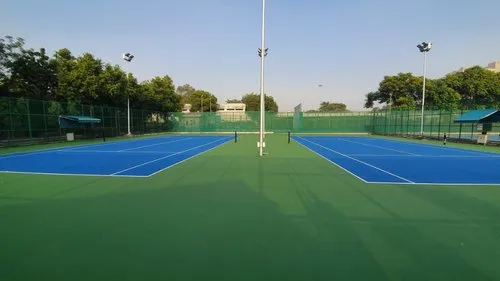
When you look at the rapid expansion of synthetic sports flooring in India, one question naturally comes to mind: is it really worth the investment? The short answer—yes. The long answer is even more compelling.
Synthetic sports flooring isn’t just about vibrant colors or a polished appearance. It’s about performance, protection, and practicality. Traditional surfaces like cement or natural grass may seem economical initially, but over time, their limitations become painfully obvious—literally. Joint pain, uneven bounce, waterlogging, cracks, and constant maintenance can turn a promising sports facility into a liability.
Synthetic flooring solves many of these problems in one go. It’s engineered for athletes, not just for appearance. Every layer serves a purpose—shock absorption, traction control, durability, and consistency. Think of it like a well-designed running shoe. You wouldn’t compete in slippers, right? The same logic applies to playing surfaces.
Another major advantage is adaptability. Whether it’s a high-performance indoor badminton court in Bengaluru or an outdoor tennis court in Jaipur’s scorching heat, synthetic flooring can be customized to suit environmental conditions. That flexibility makes it a practical choice across India’s diverse climate zones.
From enhancing athlete confidence to reducing long-term repair costs, synthetic sports flooring delivers measurable value. It’s not just an upgrade—it’s an investment in safety, performance, and sustainability. Let’s break down its core benefits in detail.
Durability and Longevity
Durability is one of the strongest reasons behind the rise of synthetic sports flooring in India. In a country where facilities are often used intensively—sometimes from early morning to late evening—a surface must withstand constant wear and tear. Synthetic flooring is built exactly for that.
Unlike natural grass that develops patches or cement that cracks over time, synthetic surfaces maintain their integrity for years with proper care. High-quality PU and acrylic systems can last anywhere between 8 to 15 years, depending on usage and maintenance. That’s a significant return on investment.
Here’s why they last longer:
- Resistant to UV radiation
- Waterproof or moisture-resistant
- Crack-resistant layering systems
- Designed for heavy foot traffic
For example, an outdoor acrylic basketball court in Chennai faces intense sunlight and monsoon rains. Traditional paint would peel within months. But synthetic acrylic coatings are formulated to resist fading and damage.
Artificial turf fields also demonstrate remarkable resilience. They can handle hundreds of playing hours per month without turning muddy or uneven.
When facility owners calculate long-term costs, synthetic flooring often proves more economical than repeatedly repairing traditional surfaces. Instead of patchwork fixes every year, you get consistent performance for a decade or more.
Durability isn’t just about saving money—it’s about reliability. Athletes need predictable surfaces to train effectively. Synthetic sports flooring provides that stability year after year, making it a smart and sustainable infrastructure choice.
Player Safety and Injury Reduction
If durability is the backbone of synthetic sports flooring, safety is its heart. Ask any athlete what they fear most, and injuries will top the list. A single ankle twist or knee strain can derail months of preparation. This is where synthetic surfaces truly shine.
Traditional concrete courts are unforgiving. Every jump, sprint, and sudden stop sends shockwaves through joints. Over time, this repetitive stress increases the risk of injuries like shin splints, ligament tears, and stress fractures.
Synthetic sports flooring, especially polyurethane systems, includes shock-absorbing layers that reduce impact. Think of it like landing on a mattress instead of a stone slab. The difference might seem subtle, but over hundreds of movements, it adds up significantly.
Key safety benefits include:
- Enhanced grip to prevent slipping
- Uniform ball bounce for predictable play
- Cushioned surfaces that reduce joint stress
- Even leveling to eliminate tripping hazards
For young athletes, this protection is even more critical. Growing bones and muscles are more vulnerable to impact injuries. Schools installing synthetic flooring are essentially investing in the long-term health of their students.
Indoor PVC and vinyl floors also provide anti-skid textures, minimizing accidents during fast-paced games like basketball or volleyball.
Injury prevention isn’t just about physical well-being—it’s about confidence. When players trust the surface beneath them, they perform more freely. That psychological boost can be just as important as physical protection.
Low Maintenance and Cost Efficiency
At first glance, synthetic sports flooring might seem expensive. But here’s the bigger picture: it significantly reduces ongoing maintenance costs.
Natural grass requires watering, mowing, fertilizing, pest control, and regular leveling. Cement surfaces need repainting and crack repairs. These recurring expenses add up quickly. Synthetic surfaces, on the other hand, are relatively low maintenance.
Maintenance typically includes:
- Periodic cleaning
- Occasional resurfacing after several years
- Minor repairs if needed
Artificial turf eliminates water bills entirely. In water-scarce regions of India, that’s a major advantage. Acrylic courts require simple washing to maintain appearance.
Over a 10-year period, the total cost of ownership often becomes lower than traditional alternatives. Facility managers appreciate the predictability of expenses. No surprise repair bills after every monsoon.
Additionally, synthetic courts can generate revenue. Schools and residential complexes often rent out courts for coaching sessions or tournaments. Because the surfaces remain in good condition, they attract more users.
In simple terms, synthetic sports flooring shifts the focus from constant repairs to consistent usage. It transforms maintenance from a burden into a manageable routine.
Weather Resistance and Versatility
India’s climate diversity is both beautiful and challenging. From Kerala’s heavy rainfall to Rajasthan’s extreme heat, sports infrastructure must endure it all. Synthetic sports flooring is engineered with this variability in mind.
Acrylic outdoor courts are UV-stable and waterproof. Artificial turf systems include drainage layers that prevent waterlogging. Indoor PU floors resist humidity-related warping.
This weather resistance ensures year-round playability. Monsoon rains no longer mean canceled practice sessions. Excessive heat doesn’t crack the surface.
Versatility is another major advantage. Many synthetic systems are designed as multi-sport courts. A single acrylic court can accommodate:
- Basketball
- Tennis
- Volleyball
- Futsal
This flexibility is invaluable in urban spaces where land is limited.
By combining durability with adaptability, synthetic sports flooring offers a solution perfectly suited to India’s environmental and spatial challenges.
Applications Across Different Sports
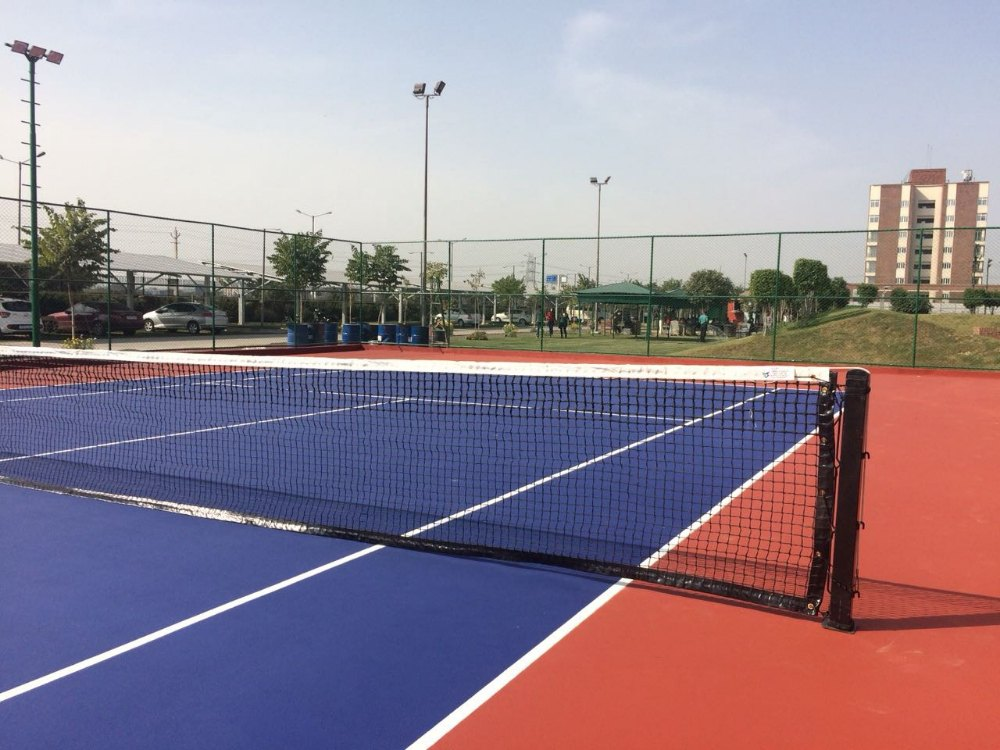
Synthetic sports flooring isn’t limited to professional stadiums. Its applications span across educational institutions, residential communities, commercial complexes, and elite training centers.
The widespread adoption reflects its versatility and growing accessibility.
Indoor Sports Facilities
Indoor arenas across India are increasingly opting for polyurethane and PVC flooring systems. Whether it’s a badminton academy in Hyderabad or a basketball court in Pune, indoor facilities demand precision surfaces.
Indoor environments allow greater control over temperature and moisture, making them ideal for high-performance PU flooring. These surfaces offer seamless finishes and superior ball response.
Professional tournaments often require compliance with international standards. Synthetic flooring ensures uniformity and safety.
Moreover, indoor synthetic courts create visually appealing environments. Bright colors and clear markings enhance both aesthetics and functionality.
As more private sports academies emerge, indoor synthetic flooring has become a hallmark of quality.
Outdoor Stadiums and Grounds
Outdoor installations have seen tremendous growth, particularly in artificial turf football fields and acrylic tennis courts.
Municipal corporations are replacing deteriorating cement courts with acrylic systems. Football turfs are being installed in urban neighborhoods, allowing players to train even after sunset with floodlights.
Artificial turf has transformed small urban plots into high-demand sports hubs. These facilities often operate on hourly rental models, making them commercially viable.
For outdoor sports, synthetic surfaces offer consistency that natural grounds often fail to provide.
Schools, Colleges, and Universities
Educational institutions are major contributors to the synthetic sports flooring boom in India. With inter-school competitions and national-level tournaments becoming more competitive, infrastructure upgrades are essential.
Schools installing synthetic courts send a strong message—they value sports education. Parents increasingly consider sports facilities while selecting schools.
Colleges and universities, especially those offering sports quotas, prioritize professional-grade surfaces to attract talent.
By integrating synthetic flooring into campuses, institutions nurture athletes from a young age under safer and more competitive conditions.
Residential and Commercial Complexes
Modern residential societies are no longer just about apartments and parking spaces. Sports amenities have become a major selling point.
Developers now include synthetic basketball courts, jogging tracks, and futsal turfs within gated communities. These features enhance property value and promote healthy lifestyles.
Commercial complexes and corporate parks also install sports flooring to encourage employee wellness programs.
Synthetic surfaces allow limited spaces to serve multiple purposes efficiently, aligning perfectly with urban real estate trends.
Technological Innovations Driving the Market
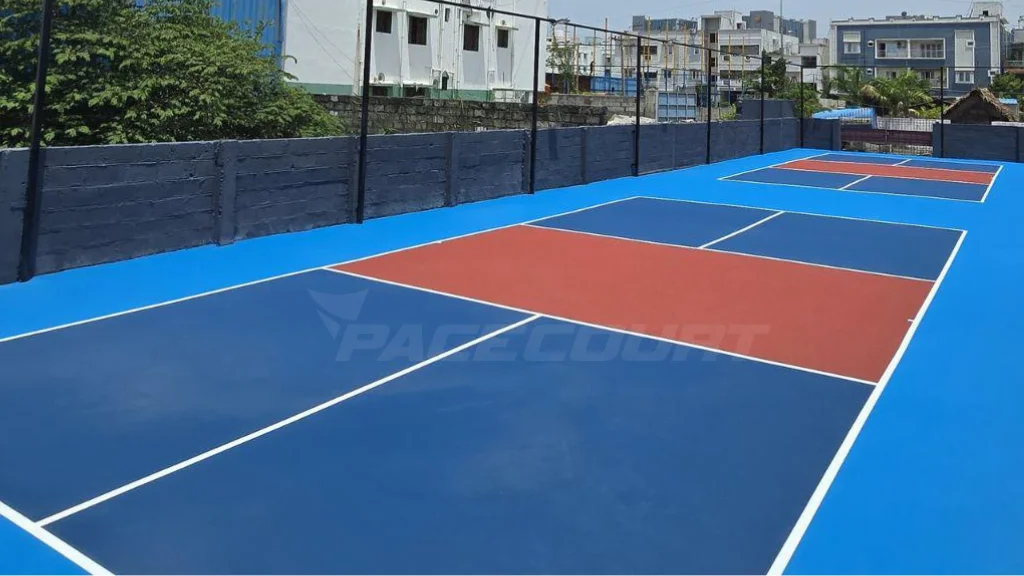
The rise of synthetic sports flooring in India isn’t just about replacing old cement courts with colorful surfaces. It’s powered by continuous technological innovation. Modern sports flooring systems are engineered with precision, tested under extreme conditions, and refined to meet international performance standards. In other words, what lies beneath an athlete’s feet today is the result of serious science.
Manufacturers are investing heavily in research and development to improve elasticity, shock absorption, drainage efficiency, and environmental sustainability. The materials used now are lighter, stronger, and more adaptable than those available a decade ago. This evolution has significantly expanded the possibilities for installation across India’s diverse terrains and climates.
Another big leap is customization. Earlier, sports surfaces were fairly standard. Today, facility owners can choose textures, colors, cushioning levels, and even branding elements. Want your academy logo embedded into the court? That’s possible. Need a multi-layer shock pad for professional basketball training? That’s available too.
Technology has also made installation faster and more precise. Laser leveling, moisture testing, and modular roll-out systems ensure that courts meet performance benchmarks with minimal margin for error.
In short, innovation has transformed synthetic sports flooring from a basic infrastructure upgrade into a high-performance ecosystem. Let’s explore some of the key advancements driving this transformation.
Shock Absorption Technology
One of the most significant advancements in synthetic sports flooring is improved shock absorption technology. If you think about it, sports involve constant impact—running, jumping, sudden stops, and quick directional changes. Without proper cushioning, this repeated stress can lead to chronic injuries.
Modern flooring systems integrate advanced shock pads and elastic layers that absorb and redistribute impact energy. Instead of letting the force travel directly into an athlete’s joints, the surface disperses it evenly. It’s similar to how modern car suspension systems work—absorbing bumps to ensure a smoother ride.
Polyurethane floors, for example, often include multi-layer cushioning systems designed to meet international shock absorption standards. These surfaces strike a balance between softness and stability. Too soft, and athletes lose speed. Too hard, and injuries increase. The goal is optimal energy return—where the floor absorbs impact but also provides slight rebound to enhance performance.
In India, where many athletes train for long hours daily, this technology is invaluable. It reduces fatigue and helps players maintain peak performance levels. For young athletes in schools and academies, shock-absorbing floors can significantly lower the risk of long-term joint damage.
This focus on biomechanics and athlete safety has elevated synthetic flooring from being merely durable to being performance-enhancing.
Eco-Friendly and Sustainable Materials
Sustainability is no longer optional—it’s essential. As India pushes toward greener infrastructure, the synthetic sports flooring industry is adapting accordingly.
Modern manufacturers are developing eco-friendly materials that reduce environmental impact. Low-VOC (Volatile Organic Compound) coatings are now widely used to minimize harmful emissions during installation. Recycled rubber is commonly incorporated into gym and shock pad systems. Some artificial turf systems are even designed for recyclability at the end of their lifecycle.
Water conservation is another critical advantage. Natural grass fields consume massive amounts of water for irrigation. Artificial turf eliminates this requirement entirely, making it particularly valuable in drought-prone regions.
Additionally, improved drainage technologies ensure efficient rainwater management. Permeable base layers allow water to pass through quickly, preventing flooding and surface damage during monsoons.
Energy-efficient production methods are also gaining traction. Many companies now emphasize green certifications and environmentally responsible manufacturing processes.
In a country where sustainability and development must go hand in hand, eco-friendly synthetic sports flooring offers a balanced solution. It supports athletic growth without placing unnecessary strain on natural resources.
Customization and Multi-Sport Solutions
Space is a luxury in urban India. That’s why customization and multi-sport capabilities are becoming central to synthetic sports flooring solutions.
Modern systems can be tailored for specific sports requirements. For instance:
- A basketball court may require higher ball bounce consistency.
- A badminton court may need smoother texture and precise grip.
- A futsal turf demands controlled ball roll and cushioning.
Instead of building separate courts for each sport, many facilities now opt for multi-sport surfaces. With strategic line markings and adaptable flooring layers, one court can serve multiple games efficiently.
Customization extends beyond functionality. Color schemes, logos, and branding elements can be integrated directly into the surface. Schools often incorporate their emblem at center court. Residential complexes choose colors that complement their architectural themes.
Even thickness and cushioning levels can be adjusted based on target users—children, amateur players, or professionals.
This flexibility makes synthetic sports flooring highly attractive for India’s dynamic infrastructure needs. Whether it’s a rooftop court in Mumbai or a community sports center in Lucknow, tailored solutions ensure optimal performance within available space.
Challenges in Adoption of Synthetic Sports Flooring in India
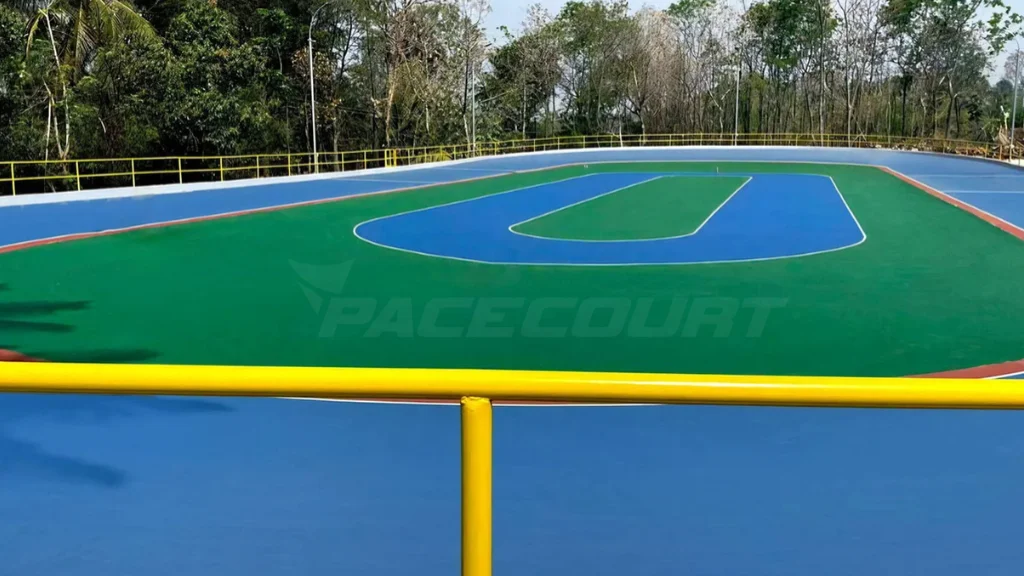
Despite its rapid growth, synthetic sports flooring in India is not without challenges. Like any emerging infrastructure trend, it faces barriers that slow adoption in certain regions.
Understanding these challenges is important for realistic market expectations and strategic planning.
Initial Investment Costs
One of the biggest hurdles is the upfront cost. High-quality polyurethane or artificial turf systems require significant initial investment compared to traditional cement or mud surfaces.
For small schools or rural institutions operating on tight budgets, this cost can feel overwhelming. Even though long-term maintenance expenses are lower, the initial capital requirement often delays decision-making.
Cost factors include:
- Surface material
- Base preparation
- Installation labor
- Transportation
- Maintenance equipment
However, when viewed as a long-term asset rather than a short-term expense, synthetic flooring often proves financially sensible. The challenge lies in shifting this perspective.
Government subsidies and financing options are gradually easing this barrier, but cost remains a major consideration for widespread adoption.
Lack of Awareness in Rural Areas
Urban centers have quickly embraced synthetic sports flooring, but rural areas still rely heavily on traditional surfaces. A key reason is lack of awareness.
Many communities are unfamiliar with the performance benefits and injury reduction capabilities of synthetic surfaces. Without proper exposure or demonstration projects, decision-makers may hesitate to invest.
Education and outreach programs can bridge this gap. When local authorities witness improved durability and lower maintenance needs firsthand, adoption rates increase.
As sports development initiatives expand deeper into rural India, awareness is steadily growing—but progress takes time.
Quality Standards and Regulation Issues
Another challenge is maintaining quality standards. Not all synthetic sports flooring products are created equal. The market includes both premium international-grade systems and low-cost alternatives that may not meet performance benchmarks.
Substandard installations can lead to surface peeling, poor shock absorption, and reduced lifespan. This damages trust in the technology itself.
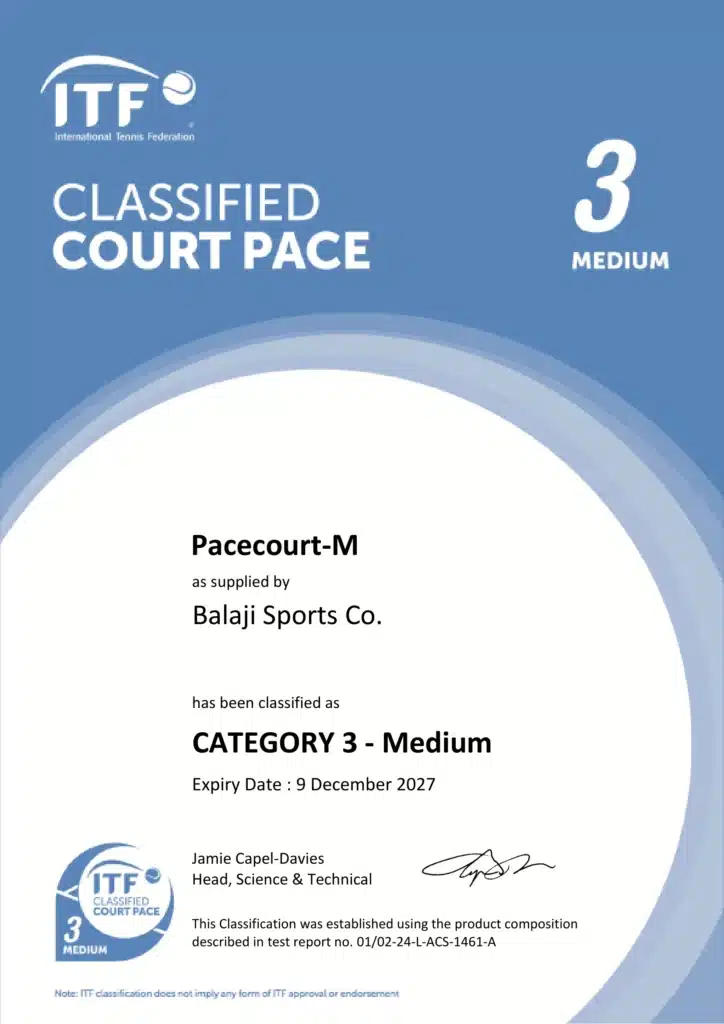
To address this, stricter regulatory frameworks and certification requirements are needed. Ensuring that installations comply with recognized standards protects both athletes and facility owners.
Quality control is essential for sustaining long-term market credibility.
Market Trends and Future Outlook
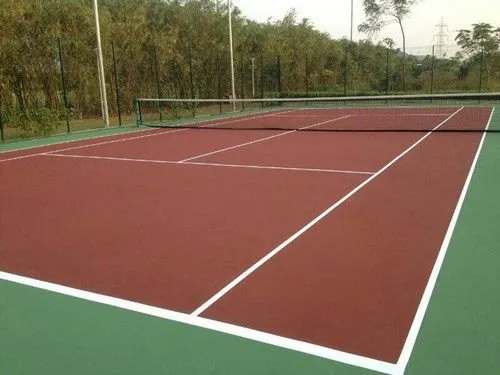
The future of synthetic sports flooring in India looks promising. With growing sports participation, infrastructure investments, and rising health awareness, demand is expected to surge further.
Market analysts predict consistent growth driven by:
- Expansion of private sports academies
- Increasing residential township projects
- Corporate wellness initiatives
- International tournament hosting
Technological advancements will continue to reduce installation time and improve performance features. As economies of scale improve, costs may gradually become more accessible.
The private sector and startups are also playing a vital role. Innovative companies are introducing modular flooring solutions, rental turf models, and maintenance services that make adoption easier.
India’s ambition to become a global sports powerhouse depends heavily on grassroots infrastructure. Synthetic sports flooring forms a critical foundation in this journey.
How to Choose the Right Synthetic Sports Flooring
Selecting the right flooring system requires careful evaluation. It’s not just about budget—it’s about purpose, environment, and expected usage.
Key factors to consider include:
- Type of sport
- Indoor or outdoor installation
- Climate conditions
- Frequency of usage
- Budget and long-term maintenance plans
Here’s a simple cost comparison overview:
| Flooring Type | Ideal Use | Approx. Cost Range (India) | Lifespan |
|---|---|---|---|
| Acrylic | Outdoor courts | Moderate | 5–8 yrs |
| Polyurethane (PU) | Indoor courts | High | 8–15 yrs |
| PVC/Vinyl | Indoor multipurpose | Moderate | 6–10 yrs |
| Artificial Turf | Football/Hockey | High | 8–12 yrs |
| Rubber Flooring | Gyms | Moderate | 6–10 yrs |
Proper site preparation and professional installation are equally critical. Even the best material can fail if installed poorly.
Maintenance tips include regular cleaning, periodic inspections, and timely resurfacing when needed.
Choosing wisely ensures long-term performance and value.
Conclusion
The rise of synthetic sports flooring in India reflects a larger transformation in the country’s sports culture and infrastructure priorities. What was once considered a luxury is now becoming a necessity. From elite training centers to residential complexes, synthetic surfaces are redefining how sports are played and experienced.
They offer durability, safety, weather resistance, and performance enhancement—qualities essential for nurturing talent in a competitive global arena. While challenges like cost and awareness remain, steady government support, technological innovation, and private investment are driving sustained growth.
India’s sporting future stands on stronger ground today—quite literally. As infrastructure continues to evolve, synthetic sports flooring will remain at the heart of this dynamic journey.