Why Pune is Becoming a Tennis Hub
If you’ve spent even a little time in Pune over the past few years, you’ve probably noticed something interesting—tennis is no longer a niche sport here. It’s quietly transforming into a lifestyle choice. From school kids swinging rackets at dawn to working professionals squeezing in matches after office hours, the sport has woven itself into the city’s daily rhythm. And honestly, it didn’t happen overnight.
The growth of tennis courts in Pune is closely tied to the city’s evolving identity. Pune has always been known as an educational and cultural hub, but now it’s carving out space in the sports world too. With rising health awareness and a growing appetite for outdoor fitness activities, tennis fits perfectly. It’s competitive, social, and gives you a full-body workout without feeling like a chore.
Another big factor? Accessibility. Earlier, tennis was often associated with elite clubs and expensive memberships. Today, things are different. You’ll find a mix of public courts, private clubs, and pay-and-play facilities scattered across areas like Baner, Kothrud, Wakad, and Hadapsar. This democratization of access has opened doors for beginners who once felt intimidated.
Local tournaments and inter-club competitions have also surged in popularity. These events create a sense of community and give players something to look forward to beyond casual matches. It’s not just about playing anymore—it’s about belonging.
Even parents are encouraging kids to take up tennis seriously, seeing it as both a fitness activity and a potential career path. With academies offering structured training programs, Pune is slowly but surely nurturing the next generation of tennis talent.
Weather and Infrastructure Advantages
Let’s be real—weather plays a huge role in any outdoor sport, and Pune has a natural edge here. Unlike cities that are either too humid or unbearably hot, Pune enjoys a relatively moderate climate for most of the year. This makes it ideal for tennis players who prefer long practice sessions without feeling completely drained.
Early mornings and late evenings in Pune are especially perfect for tennis. The cool breeze, combined with well-maintained courts, creates an environment that feels almost therapeutic. It’s no surprise that many players consider these hours sacred.
But weather alone isn’t enough. The city’s sports infrastructure has seen steady improvement, and that’s a game-changer. Modern tennis courts in Pune are being built with high-quality surfaces, proper lighting, and even spectator seating in some cases. Facilities like the Balewadi Sports Complex are prime examples of how seriously the city is taking sports development.
Residential complexes are also stepping up their game. Many new housing societies now include dedicated tennis courts as part of their amenities. This means you don’t always have to travel far to get a good game going.
Connectivity is another underrated advantage. Most tennis facilities are easily accessible via major roads, making it convenient for players from different parts of the city. Whether you’re in Hinjewadi or Camp, chances are there’s a decent court within a reasonable distance.
All these factors combined—pleasant weather, improving infrastructure, and easy access—make Pune one of the most promising cities for tennis enthusiasts in India right now.
Types of Tennis Courts Available in Pune

Clay Courts
When people think of traditional tennis, clay courts often come to mind. There’s something almost poetic about sliding across the surface, chasing down balls, and engaging in long rallies that test your endurance. In Pune, clay tennis courts are still quite popular, especially among purists who love the strategic depth they bring to the game.
Clay courts are known for slowing down the ball, which means rallies tend to last longer. This is perfect if you enjoy tactical gameplay rather than quick, aggressive points. It forces players to think, adapt, and construct points carefully. For beginners, it’s actually a great way to learn control and consistency.
In Pune, several older clubs and institutions maintain clay courts. Places like Deccan Gymkhana have preserved this classic surface, offering players a chance to experience tennis in its more traditional form. These courts are usually well-maintained, though they do require regular watering and upkeep.
One interesting thing about clay courts is how forgiving they are on the body. Compared to hard courts, they put less stress on joints, making them a preferred choice for players who want to avoid injuries. If you’re someone who plays frequently, this can make a big difference over time.
However, clay courts do come with their own set of challenges. They can become slippery if not maintained properly, and weather conditions—especially rain—can make them temporarily unusable. So, while they offer a unique playing experience, they also demand a bit of flexibility in scheduling.
Still, for those who appreciate the art of tennis rather than just the power, clay courts in Pune offer an experience that’s hard to beat.
Hard Courts
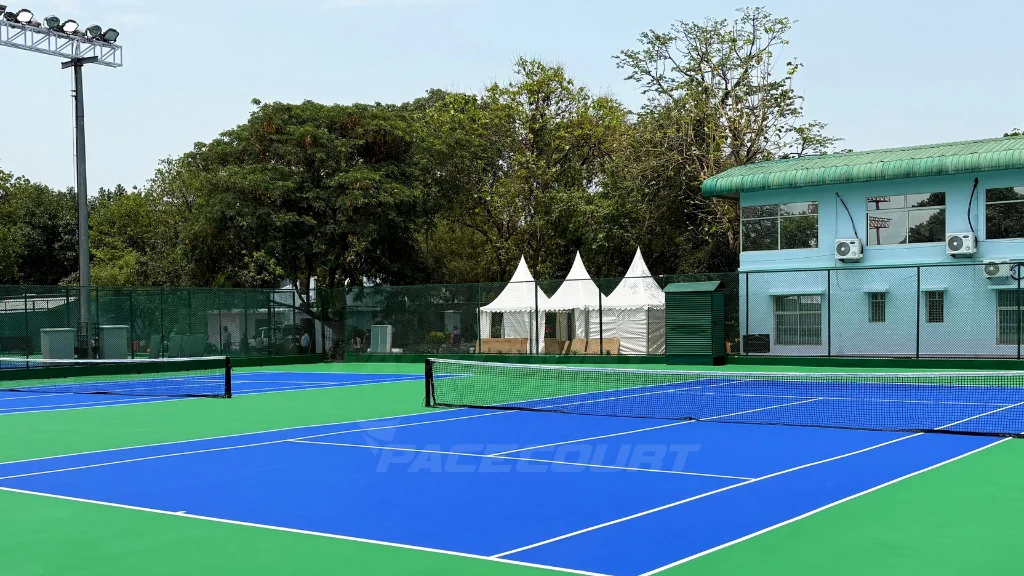
If clay courts are the poets of tennis, then hard courts are the engineers—precise, consistent, and built for performance. In Pune, hard courts dominate the tennis landscape, and for good reason. They strike a balance between speed and control, making them suitable for beginners, intermediate players, and even professionals who want a reliable surface to train on.
Hard courts in Pune are typically made from asphalt or concrete, coated with acrylic layers that provide a smooth and predictable bounce. This consistency is what makes them so popular. You don’t have to second-guess how the ball will behave, which allows you to focus more on your technique and strategy. For players working on improving their game, this reliability is invaluable.
Another big advantage is durability. Unlike clay or grass, hard courts require less day-to-day maintenance. This means facilities can keep them open more consistently throughout the year, even during Pune’s unpredictable monsoon spells. You’ll find hard tennis courts in areas like Baner, Wakad, Aundh, and Magarpatta, often equipped with floodlights for evening matches.
From a gameplay perspective, hard courts offer a medium-fast pace. This makes them ideal for players who enjoy a mix of baseline rallies and net play. Whether you’re practicing your serve or perfecting your backhand, hard courts provide the kind of feedback that helps you grow quickly.
That said, they can be a bit tough on the body. The firm surface doesn’t absorb shock as well as clay, so players who train frequently might need to invest in good-quality shoes and proper warm-up routines. But for most people, the convenience and consistency outweigh these concerns.
It’s no exaggeration to say that hard courts are the backbone of Pune’s tennis scene. If you’re just getting started or looking for a dependable place to play regularly, this is where you’ll likely spend most of your time.
Synthetic and Grass Courts
Now let’s talk about the more specialized surfaces—synthetic and grass courts. These are less common in Pune, but when you find them, they offer a completely different playing experience that can be both exciting and challenging.
Synthetic courts are essentially an evolution of hard courts. They use advanced materials that provide better cushioning and slightly different ball behavior. Think of them as a more player-friendly version of traditional hard courts. They’re easier on the joints, which is a big plus if you’re playing multiple times a week. Many modern sports facilities in Pune are now adopting synthetic surfaces because they combine durability with comfort.
The ball speed on synthetic courts can vary depending on the material used, but generally, they offer a balanced game. You won’t feel the extreme slowness of clay or the occasional unpredictability of grass. This makes them a great choice for players who want variety without drastically changing their playing style.
Grass courts, on the other hand, are the unicorns of Pune’s tennis ecosystem. They’re rare, but they do exist in select premium clubs. Playing on grass is a completely different experience—it’s fast, low-bouncing, and demands quick reflexes. If you’ve ever watched Wimbledon and wondered what it feels like, this is your chance to find out.
However, maintaining grass courts is no small task. They require constant care, precise watering, and ideal weather conditions. That’s why access is often limited to members of elite clubs, and availability can be seasonal.
For most players in Pune, synthetic and grass courts are more of a “treat” than a regular option. But if you get the chance to play on one, it’s worth trying at least once. It adds a new dimension to your game and keeps things from becoming monotonous.
Top Tennis Courts in Pune You Should Know About
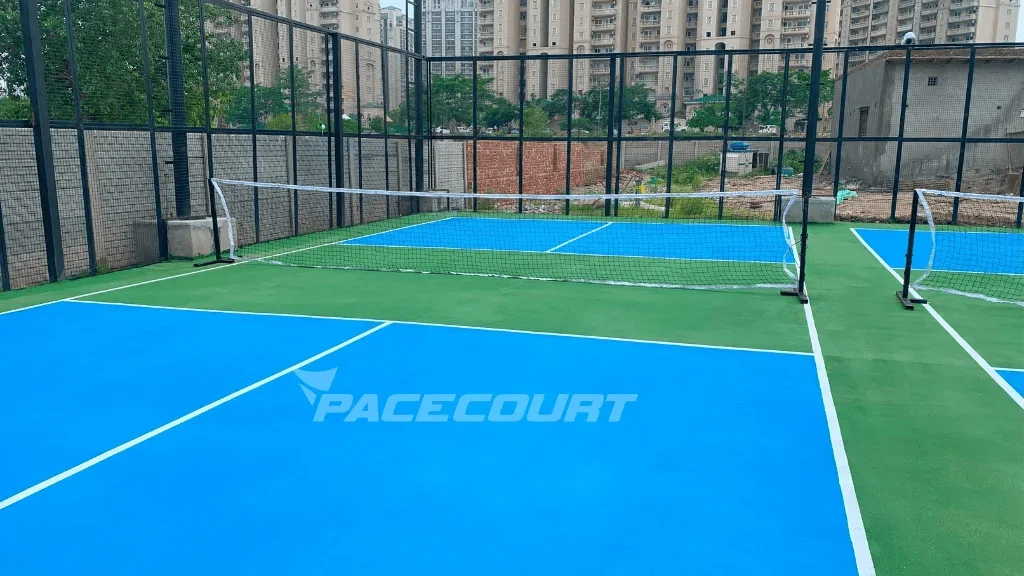
Deccan Gymkhana Tennis Courts
Step into Deccan Gymkhana, and you’re not just entering a sports facility—you’re walking into a piece of Pune’s history. Established over a century ago, this iconic club has been a cornerstone of the city’s sporting culture, and its tennis courts are nothing short of legendary.
The tennis facilities here are known for their classic charm, especially the well-maintained clay courts that attract serious players. There’s something deeply satisfying about playing on a surface that has hosted generations of athletes. It’s like being part of an ongoing story, where every match adds another chapter.
But don’t mistake tradition for outdated infrastructure. Deccan Gymkhana has managed to strike a balance between heritage and modernity. The courts are regularly maintained, and the overall environment is clean, organized, and conducive to focused play. You’ll often find experienced players practicing here, which can be both inspiring and slightly intimidating if you’re new.
Membership is required to access these courts, and yes, there can be a waiting list. But for those who are serious about tennis, it’s often considered worth the effort. The club also hosts tournaments and training sessions, giving members plenty of opportunities to improve and compete.
One of the underrated aspects of playing here is the community. You’re surrounded by people who genuinely love the sport, and that energy is contagious. Conversations flow easily, tips are shared generously, and before you know it, you’re part of a network that goes beyond just hitting balls.
If you’re looking for a place that offers both quality tennis and a sense of belonging, Deccan Gymkhana is hard to beat.
PYC Hindu Gymkhana
Another heavyweight in Pune’s tennis scene is PYC Hindu Gymkhana, a club that blends modern facilities with a vibrant sporting culture. Located in a prime area, it’s one of the most sought-after destinations for tennis enthusiasts who want a premium playing experience.
The tennis courts here are primarily hard courts, designed to meet high standards of play. They’re well-lit, which means you can enjoy matches even after sunset—a huge advantage for working professionals who can’t make time during the day. The surface quality is excellent, offering consistent bounce and good traction.
What really sets PYC apart is its holistic approach to sports. It’s not just about playing; it’s about developing. The club offers structured coaching programs for different age groups and skill levels. Whether you’re a beginner trying to learn the basics or an advanced player refining your technique, there’s something here for you.
The atmosphere is lively, almost electric at times. You’ll see kids in training sessions, adults engaged in competitive matches, and coaches actively guiding players. It creates a dynamic environment where learning feels natural and progress is almost inevitable.
Of course, access comes with a price. Membership fees can be on the higher side, and there may be additional charges for coaching and court bookings. But in return, you get access to top-notch facilities and a community that takes tennis seriously.
For those who want a structured, high-quality tennis experience in Pune, PYC Hindu Gymkhana is a strong contender.
Balewadi Sports Complex
If you’re looking for scale and professionalism, Balewadi Sports Complex is in a league of its own. Officially known as the Shree Shiv Chhatrapati Sports Complex, this facility is a hub for multiple sports, and its tennis infrastructure is particularly impressive.
The complex features multiple international-standard hard courts, some of which have hosted national and international tournaments. Playing here feels different—it’s more expansive, more professional, almost like stepping into a competitive arena rather than a casual court.
One of the biggest advantages of Balewadi is accessibility. Unlike exclusive clubs, this facility is more open to the public. You don’t necessarily need a long-term membership to play here, which makes it an attractive option for casual players and visitors.
The courts are well-maintained, and the presence of professional coaching staff adds another layer of value. Many aspiring players train here under experienced coaches, making it a hotspot for serious talent development. If you’re someone who thrives in a competitive environment, this is the place to be.
Another highlight is the surrounding infrastructure. The complex includes seating areas, locker rooms, and other amenities that enhance the overall experience. It’s not just about playing tennis—it’s about being part of a larger sporting ecosystem.
Balewadi also hosts events and tournaments, which means you might get the chance to watch high-level matches up close. That exposure can be incredibly motivating, especially if you’re aiming to take your game to the next level.
For anyone serious about tennis—or even just curious to experience a professional setup—Balewadi Sports Complex is a must-visit.
Public vs Private Tennis Courts
Accessibility and Membership Requirements
When it comes to choosing between public and private tennis courts in Pune, the decision often boils down to one simple question: how often do you plan to play, and what kind of experience are you looking for? Both options come with their own set of advantages, and understanding the differences can save you time, money, and a fair bit of frustration.
Public courts are generally more accessible. You don’t need a long-term commitment or a hefty membership fee to step onto the court. Facilities like Balewadi Sports Complex or certain municipal courts allow players to book slots on a pay-and-play basis. This is perfect if you’re someone who plays occasionally or is just testing the waters. You can simply show up, book a slot, and start playing without jumping through administrative hoops.
Private courts, on the other hand, are a different story. Clubs like Deccan Gymkhana and PYC Hindu Gymkhana require memberships, which can sometimes involve waiting periods, entrance fees, and annual renewals. It might sound like a lot, but there’s a reason people are willing to go through the process. Private courts offer a more controlled and premium environment—fewer crowds, better maintenance, and access to additional amenities like locker rooms, coaching, and tournaments.
There’s also a psychological aspect to consider. When you’re part of a private club, you’re more likely to play regularly because you’ve already invested in the membership. It creates a sense of commitment. Public courts, while convenient, don’t always offer that same push.
Another key difference is availability. Public courts can get crowded, especially during peak hours. You might have to adjust your schedule or wait for a slot. Private courts usually have a more organized booking system, ensuring that members get fair access.
So, if flexibility and affordability are your priorities, public courts are the way to go. But if you’re looking for consistency, community, and a more refined playing experience, private courts might be worth the investment.
Cost Comparison
Let’s talk numbers, because this is often the deciding factor for most people. The cost of playing tennis in Pune can vary significantly depending on whether you choose public or private courts, and the gap isn’t always small.
Public courts are the budget-friendly option. On average, you can expect to pay anywhere between ₹200 to ₹500 per hour for a court booking. Some facilities may charge slightly more if they offer floodlights or better infrastructure, but overall, it remains accessible to a wide range of players. This pricing model is ideal for casual players who don’t want to commit to long-term expenses.
Private clubs, however, operate on a completely different pricing structure. Membership fees can range from ₹20,000 to over ₹1 lakh annually, depending on the club’s reputation and facilities. On top of that, there may be additional charges for court usage, coaching sessions, and participation in tournaments.
Here’s a simple comparison to give you a clearer picture:
| Feature | Public Courts | Private Courts |
|---|---|---|
| Entry Cost | Low (₹200–₹500/hour) | High (Membership required) |
| Flexibility | High | Moderate |
| Maintenance Quality | Varies | Consistently High |
| Crowd Levels | Can be crowded | Controlled |
| Additional Facilities | Limited | Extensive |
While private courts are undeniably more expensive, they also offer a more comprehensive experience. You’re not just paying for court time—you’re paying for quality, convenience, and a sense of exclusivity.
For many players, the decision comes down to frequency. If you’re playing three to four times a week, a private membership might actually make financial sense in the long run. But if you’re only hitting the court once in a while, public facilities are more than enough.
Booking Tennis Courts in Pune
Online Booking Platforms
Gone are the days when booking a tennis court meant making endless phone calls or physically visiting a facility. In Pune, technology has stepped in to simplify the process, making it easier than ever to secure your spot on the court.
Several online booking platforms now allow you to browse available courts, compare prices, and reserve slots in just a few clicks. Apps like Playo and other sports booking platforms have gained popularity among tennis players in Pune. They provide real-time availability, user reviews, and even options to find playing partners.
What makes these platforms so convenient is the transparency they offer. You can see exactly what you’re paying for—whether it’s a basic hard court or a premium facility with lighting and seating. This eliminates the guesswork and helps you make informed decisions.
Another advantage is flexibility. Plans change, and these platforms usually allow you to reschedule or cancel bookings with minimal hassle. For busy professionals juggling work and personal life, this is a huge relief.
Some platforms also offer subscription models or discounts for frequent users. If you’re playing regularly, these small savings can add up over time. It’s like having a loyalty program for your favorite sport.
Of course, not all courts in Pune are listed online. Some traditional clubs still rely on manual booking systems. But the trend is clearly shifting toward digital solutions, and it’s only a matter of time before most facilities come on board.
If convenience is your priority, online booking platforms are a game-changer. They take the stress out of planning and let you focus on what really matters—playing the game.
Walk-in Reservations and Tips
Despite the rise of digital platforms, walk-in reservations are still very much a part of Pune’s tennis culture. In fact, for some players, there’s a certain charm in showing up at a court, racket in hand, and figuring things out on the spot.
Walk-ins work best at public courts and smaller facilities where demand is relatively manageable. You can approach the management, check for available slots, and book a court immediately if there’s an opening. It’s simple, straightforward, and doesn’t require any prior planning.
However, this approach comes with its own set of challenges. Availability isn’t guaranteed, especially during peak hours like early mornings and evenings. You might find yourself waiting or even returning without playing, which can be frustrating if you’ve set aside time specifically for tennis.
If you prefer walk-ins, timing is everything. Early mornings, particularly on weekdays, tend to be less crowded. Mid-afternoon slots are also relatively easier to secure. Weekends, on the other hand, can get quite busy, so it’s best to arrive early.
Here are a few practical tips to improve your chances:
- Build a rapport with the staff—they often give helpful insights about less crowded time slots
- Keep your schedule flexible so you can adapt to availability
- Always have a backup plan, like a nearby alternative court
Walk-in reservations might not be as convenient as online booking, but they offer a level of spontaneity that some players genuinely enjoy. It’s a bit like street cricket—you show up, adapt, and make the most of whatever opportunity comes your way.
Tennis Coaching Facilities in Pune
Best Tennis Academies
If you’re serious about improving your game, joining a tennis academy in Pune can be a turning point. The city is home to several well-established academies that cater to players of all skill levels, from complete beginners to aspiring professionals.
These academies offer structured training programs that go beyond just hitting balls. You’ll work on technique, fitness, strategy, and even mental conditioning. It’s a holistic approach that helps you grow as a player rather than just improving isolated skills.
Some academies operate within larger sports complexes like Balewadi, while others are part of private clubs. Many are run by experienced coaches, including former state and national-level players. Learning from someone who has competed at a high level adds a layer of authenticity to the training.
One of the biggest benefits of joining an academy is consistency. Regular practice sessions, combined with professional guidance, create an environment where improvement becomes almost inevitable. You’re not just playing randomly—you’re working toward specific goals.
Academies also provide opportunities to participate in tournaments and competitive matches. This exposure is crucial if you want to test your skills and gain confidence. It’s one thing to practice on a court and another to perform under pressure.
For parents, enrolling kids in a tennis academy can be a great way to instill discipline and physical fitness. Many programs are designed specifically for young players, focusing on building strong fundamentals from an early age.
In a city like Pune, where the tennis ecosystem is steadily growing, academies play a crucial role in shaping the future of the sport.
Choosing the Right Coach
Finding the right coach is a bit like finding the right mentor—it can make or break your journey. Pune has no shortage of qualified tennis coaches, but not all of them will be the right fit for you.
A good coach doesn’t just teach technique; they understand your strengths, identify your weaknesses, and tailor their approach accordingly. They know when to push you and when to step back. It’s a delicate balance, and not everyone gets it right.
When choosing a coach, experience matters, but so does communication. You need someone who can explain concepts clearly and keep you motivated. If you’re constantly confused or discouraged, progress becomes difficult.
It’s also important to consider your goals. Are you playing for fitness, recreation, or competition? Different coaches specialize in different areas. Some focus on beginners, while others are better suited for advanced players aiming for tournaments.
Trial sessions can be बेहद helpful. They give you a chance to experience the coach’s style before making a commitment. Pay attention to how they interact with you—are they attentive, patient, and encouraging?
Another factor is compatibility. You’ll be spending a significant amount of time with your coach, so it’s important that you feel comfortable. A good rapport can make training sessions enjoyable rather than stressful.
In the end, the right coach is someone who not only improves your game but also makes you look forward to stepping onto the court.
Cost of Playing Tennis in Pune
Hourly Court Charges
Let’s get into the practical side of things—how much does it actually cost to play tennis in Pune on a regular basis? The answer isn’t one-size-fits-all, but understanding the typical hourly charges can help you plan your budget without any surprises.
Across Pune, hourly court charges vary depending on location, surface type, and the quality of facilities. On average, most public and semi-private courts charge between ₹200 and ₹500 per hour. Courts with basic amenities and no floodlights tend to be on the lower end of this range, while well-maintained courts with lighting and seating can push toward the higher end.
If you’re someone who prefers playing in the evening after work, expect to pay a bit more. Floodlit courts often come with an additional fee because of electricity and maintenance costs. In some cases, evening slots can be 20–30% more expensive than daytime bookings. It’s a small detail, but it adds up if you’re playing multiple times a week.
Premium facilities and private clubs may charge even higher hourly rates, sometimes going beyond ₹700 per hour, especially for non-members. However, these courts usually justify the cost with superior maintenance, better surfaces, and a more organized playing environment.
Another factor to consider is peak vs off-peak pricing. Early mornings and late evenings are high-demand slots, which means prices can be slightly inflated. If you have a flexible schedule, playing during mid-day hours can help you save money while enjoying a less crowded court.
For regular players, some facilities offer bulk booking discounts or monthly packages. These deals can significantly reduce the per-hour cost, making it more affordable in the long run. It’s always worth asking about these options, even if they’re not advertised upfront.
At its core, tennis in Pune can be as affordable or as premium as you want it to be. The key is to align your playing habits with your budget and choose courts that offer the best value for your needs.
Membership and Coaching Fees
While hourly charges cover casual play, membership and coaching fees are where the real financial commitment begins. If you’re planning to take tennis seriously, these costs become an important part of the equation.
Membership fees for private clubs in Pune can vary widely. Entry-level clubs may charge around ₹20,000 to ₹40,000 per year, while elite institutions like PYC or Deccan Gymkhana can go upwards of ₹1 lakh annually, sometimes even more when you factor in admission fees and deposits. It might feel like a steep investment, but for frequent players, the benefits often justify the cost.
Membership usually includes access to courts, priority booking, and additional amenities like locker rooms, fitness centers, and club events. It also gives you access to a community of players, which can be incredibly valuable if you’re looking to improve through regular matches.
Coaching fees are another major component. In Pune, tennis coaching typically ranges from ₹3,000 to ₹10,000 per month, depending on the coach’s experience, session frequency, and the facility. Group sessions are generally more affordable, while one-on-one coaching commands a premium price.
Here’s a quick breakdown:
| Category | Estimated Cost |
|---|---|
| Club Membership | ₹20,000 – ₹1,00,000+ annually |
| Group Coaching | ₹3,000 – ₹6,000/month |
| Personal Coaching | ₹7,000 – ₹15,000/month |
For beginners, group coaching is often the best starting point. It’s cost-effective and allows you to learn alongside others, which can be motivating. As you progress, you might consider switching to personal coaching for more focused training.
Parents enrolling their children in tennis programs should also factor in equipment costs—rackets, shoes, and apparel can add to the overall expense. However, many academies provide beginner-level equipment initially, which helps ease the transition.
In the bigger picture, tennis in Pune is an investment—not just in money, but in time and effort. And like any good investment, the returns depend on how committed you are.
Tips for Choosing the Right Tennis Court
Choosing the right tennis court in Pune isn’t just about proximity—it’s about finding a place that matches your playing style, schedule, and long-term goals. With so many options available, making the right choice can feel overwhelming, but a few practical considerations can make the process much easier.
Start by asking yourself what kind of player you are. Are you playing casually for fitness, or are you aiming to improve and compete? If it’s the former, a nearby public court with flexible booking options might be perfect. But if you’re serious about development, investing in a facility with coaching and better infrastructure makes more sense.
Surface type is another crucial factor. As we discussed earlier, hard courts, clay courts, and synthetic surfaces all offer different playing experiences. If you’re still figuring out your preferences, try playing on multiple surfaces before committing to one. It’s a bit like test-driving cars—you won’t know what suits you until you experience it firsthand.
Location and travel time matter more than people often realize. A great court that’s an hour away might seem appealing initially, but over time, the commute can become a barrier. Consistency is key in tennis, so choosing a court that’s easily accessible increases the chances of sticking to your routine.
Pay attention to maintenance and facilities. Well-maintained courts not only enhance your playing experience but also reduce the risk of injuries. Look for clean surfaces, proper lighting, and basic amenities like restrooms and seating.
If possible, visit the court during your preferred playing hours. This gives you a realistic sense of crowd levels and availability. A court that looks perfect in the afternoon might be packed in the evening.
Finally, trust your instincts. Sometimes, the vibe of a place matters just as much as its features. A welcoming environment, friendly players, and supportive staff can make a huge difference in how much you enjoy the game.
Choosing the right court isn’t just a logistical decision—it’s about creating an environment where you genuinely look forward to playing.
Conclusion
Tennis in Pune has evolved into something much bigger than just a sport—it’s a thriving ecosystem that caters to everyone, from curious beginners to dedicated athletes. With a wide range of tennis courts in Pune, including public facilities, private clubs, and professional complexes, the city offers something for every type of player.
What makes Pune stand out is its balance. You get the charm of traditional courts like those at Deccan Gymkhana, the professionalism of Balewadi Sports Complex, and the convenience of modern booking platforms—all within the same city. Add to that a favorable climate and improving infrastructure, and you have an environment that naturally encourages people to pick up a racket.
The journey into tennis here can be as casual or as serious as you want it to be. You can start with occasional games at a public court and gradually move toward structured coaching and club memberships as your interest grows. The flexibility is what makes it accessible, while the quality of facilities ensures that you’re always challenged.
At the end of the day, the best tennis court isn’t necessarily the most expensive or the most popular—it’s the one that keeps you coming back. Whether it’s the early morning calm, the competitive thrill of a match, or simply the joy of hitting a clean forehand, Pune gives you plenty of opportunities to fall in love with the game.