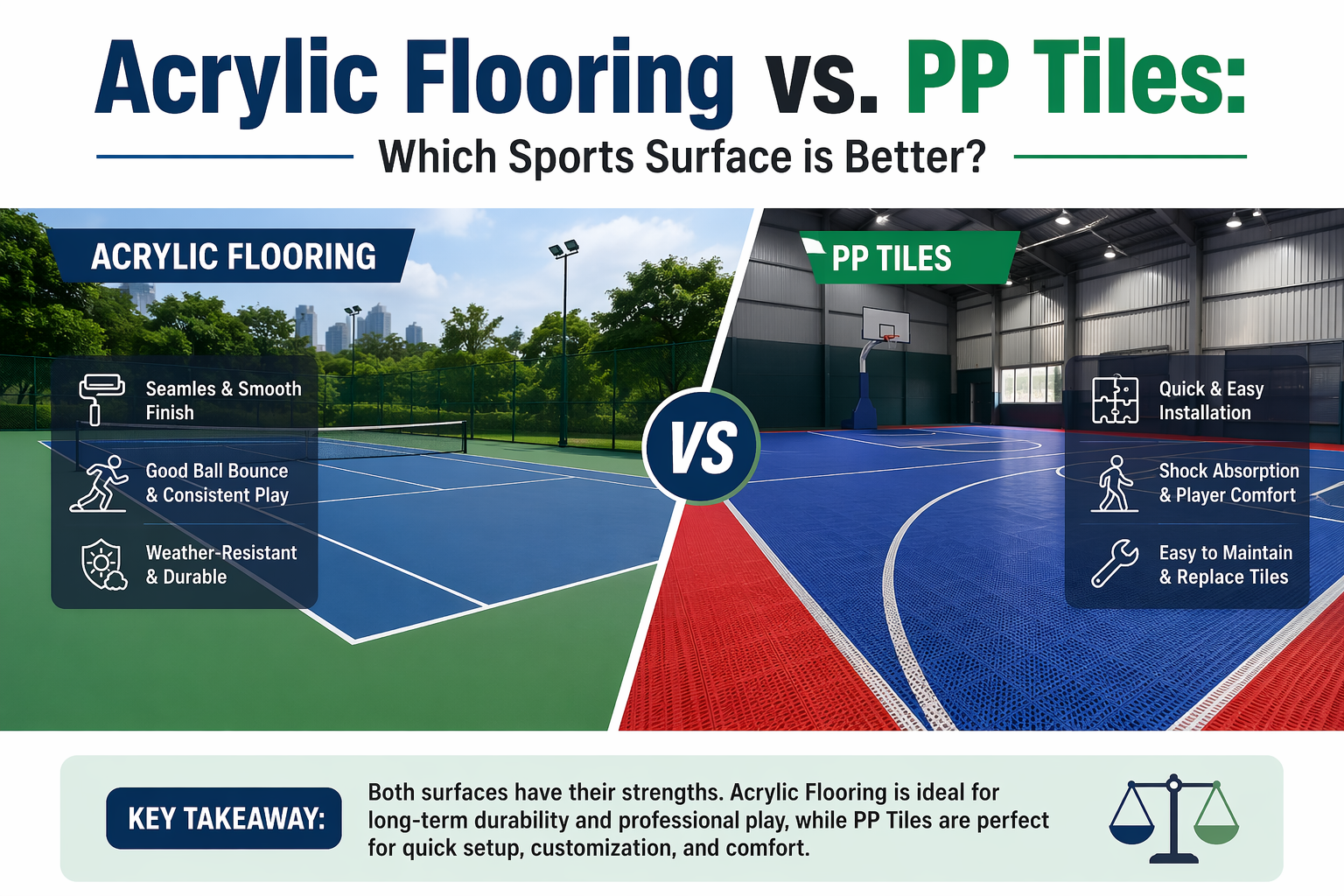
When people think about sports performance, they often focus on athletes, equipment, or training routines. But the surface beneath their feet? That’s just as critical. When comparing Acrylic Flooring vs PP Tiles, it becomes clear that a sports surface isn’t just a passive element—it actively shapes how a game is played, how athletes move, and even how injuries occur. Whether you’re setting up a basketball court, tennis arena, or multi-purpose sports facility, the flooring decision carries long-term consequences.
Table of contents
A good sports surface absorbs impact, reduces fatigue, and allows athletes to perform at their peak. Imagine running on concrete versus a cushioned track—your joints feel the difference immediately. The same principle applies to acrylic flooring and PP interlocking tiles. Both are engineered to enhance performance, but they achieve it in very different ways.
Safety is another huge factor. According to sports facility studies, nearly 30% of sports injuries are related to poor surface conditions. Slippery floors, uneven textures, or inadequate shock absorption can lead to sprains, fractures, and long-term joint issues. That’s why modern sports flooring systems are designed with biomechanics in mind, helping distribute force and reduce strain.
There’s also the psychological aspect. Athletes feel more confident on a reliable surface. Consistent bounce, predictable traction, and stable footing allow players to focus on the game instead of worrying about slipping or missteps. This confidence often translates into better performance.
In short, choosing between acrylic flooring and PP interlocking tiles isn’t just about aesthetics or cost. It’s about creating an environment where athletes can perform safely, consistently, and comfortably. And that’s why this comparison matters more than most people initially realize.
Key Factors That Define a Good Sports Surface
So what exactly makes a sports surface “good”? It’s not just one feature—it’s a combination of several critical elements working together seamlessly. Understanding these factors helps you make a smarter decision when comparing acrylic flooring and PP interlocking tiles.
First up is shock absorption. This determines how well the surface reduces impact on joints. Surfaces with poor shock absorption can lead to fatigue and long-term injuries, especially in high-impact sports like basketball or volleyball. Acrylic flooring typically offers moderate cushioning, while PP tiles often incorporate built-in suspension systems for enhanced comfort.
Next is traction and grip. Too much grip can restrict movement, while too little can cause slips. The ideal balance allows for quick direction changes without compromising stability. Acrylic surfaces usually provide a consistent grip, whereas PP tiles can vary depending on design and texture.
Another important factor is ball response. In sports like tennis or basketball, consistent bounce is non-negotiable. Acrylic flooring is known for its uniform bounce, making it a favorite for professional courts. PP tiles, on the other hand, may produce slightly varied bounce depending on installation and subfloor conditions.
Durability also plays a major role. A sports surface should withstand heavy usage, weather exposure, and wear over time. Acrylic coatings can last years with proper maintenance, while PP tiles are known for their resilience and easy replacement.
Finally, consider installation and maintenance. Some surfaces require professional installation and regular upkeep, while others are more DIY-friendly. This can significantly impact long-term costs and convenience.
All these factors combine to determine whether a sports surface meets your needs. And as you’ll see in the sections ahead, acrylic flooring and PP interlocking tiles each bring their own strengths—and trade-offs—to the table.
What is Acrylic Sports Flooring?
Composition and Structure of Acrylic Flooring
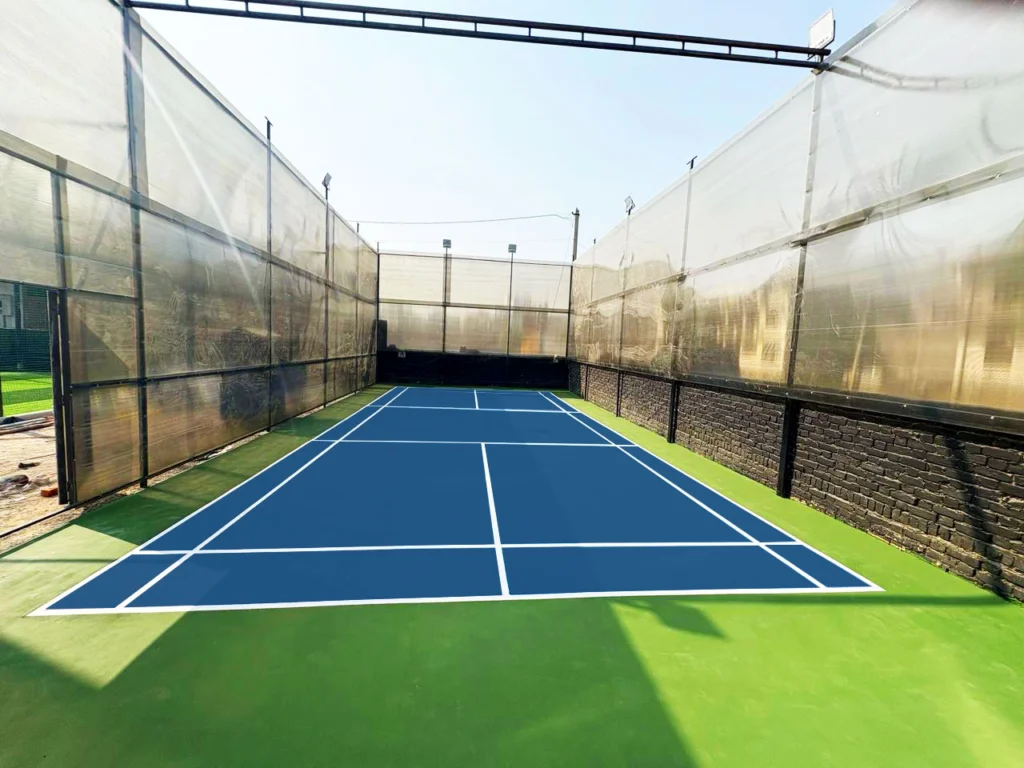
Acrylic sports flooring might look simple on the surface, but underneath that clean, vibrant finish lies a carefully engineered system designed for performance and durability. At its core, acrylic flooring is a multi-layered coating system applied over a solid base—usually concrete or asphalt. Each layer plays a specific role, working together to create a consistent, high-performance playing surface.
The process typically begins with a primer layer, which ensures proper adhesion to the base. This is followed by one or more cushion layers, depending on the desired level of shock absorption. These layers often include rubber granules or flexible resins that help reduce impact stress on athletes’ joints. On top of that comes the acrylic color coating, which not only provides the court’s appearance but also contributes to traction and weather resistance. Finally, a line-marking layer is added to define the playing area.
What makes acrylic flooring particularly appealing is its seamless finish. Unlike modular systems, there are no joints or gaps, which means a uniform playing experience across the entire court. This consistency is one of the reasons why acrylic surfaces are widely used in professional settings, including international tennis tournaments.
Upgrade Your Sports Court Today
Get premium synthetic acrylic flooring designed for durability, grip, and performance.
Get Free ConsultationAnother advantage lies in its customizability. You can adjust the texture, color, and cushioning level to suit different sports. Want a faster tennis court? Reduce the cushioning. Need more comfort for basketball? Add extra layers. This flexibility allows facility owners to tailor the surface to specific needs.
However, this sophisticated structure comes with a trade-off. Acrylic flooring relies heavily on the quality of the base underneath. Any cracks or imperfections in the concrete can eventually reflect through the surface, affecting performance and aesthetics. That’s why proper groundwork and professional installation are crucial.
In essence, acrylic sports flooring is like a finely tuned instrument—when installed correctly, it delivers precision, consistency, and reliability. But it demands a solid foundation and careful maintenance to truly shine.
Common Applications of Acrylic Sports Surfaces
Acrylic sports flooring has become almost synonymous with professional and semi-professional sports environments. If you’ve ever watched a major tennis tournament, chances are you’ve seen acrylic courts in action. Events like the US Open and Australian Open use acrylic surfaces because of their predictable ball behavior and player-friendly characteristics.
One of the most common applications is tennis courts. Acrylic surfaces provide a consistent bounce and allow players to develop a rhythm, which is essential for competitive play. The ability to fine-tune surface speed—by adjusting texture and coating thickness—makes it suitable for both fast-paced and slower gameplay styles.
Basketball courts also frequently use acrylic flooring, especially in outdoor settings. The surface offers a good balance of grip and smoothness, allowing for quick pivots, jumps, and sprints. Unlike wooden indoor courts, acrylic outdoor courts are designed to withstand environmental exposure while maintaining performance.
You’ll also find acrylic surfaces in multi-purpose sports facilities. Schools, colleges, and community centers often choose acrylic because it can accommodate multiple sports like volleyball, badminton, and futsal on a single court. The seamless design ensures that transitions between sports don’t compromise safety or playability.
Another growing application is in recreational and residential spaces. Homeowners who want a backyard court often opt for acrylic due to its professional look and long-term reliability. It adds not just functionality but also aesthetic value to the property.
That said, acrylic flooring is primarily suited for permanent installations. It’s not something you can easily relocate or modify once installed. This makes it ideal for facilities with a fixed location and long-term usage plans.
So, whether it’s a high-stakes tournament or a neighborhood court, acrylic sports flooring continues to be a go-to choice for those who prioritize consistency, performance, and a polished finish.
What are PP Interlocking Tiles?
Material and Design of PP Tiles
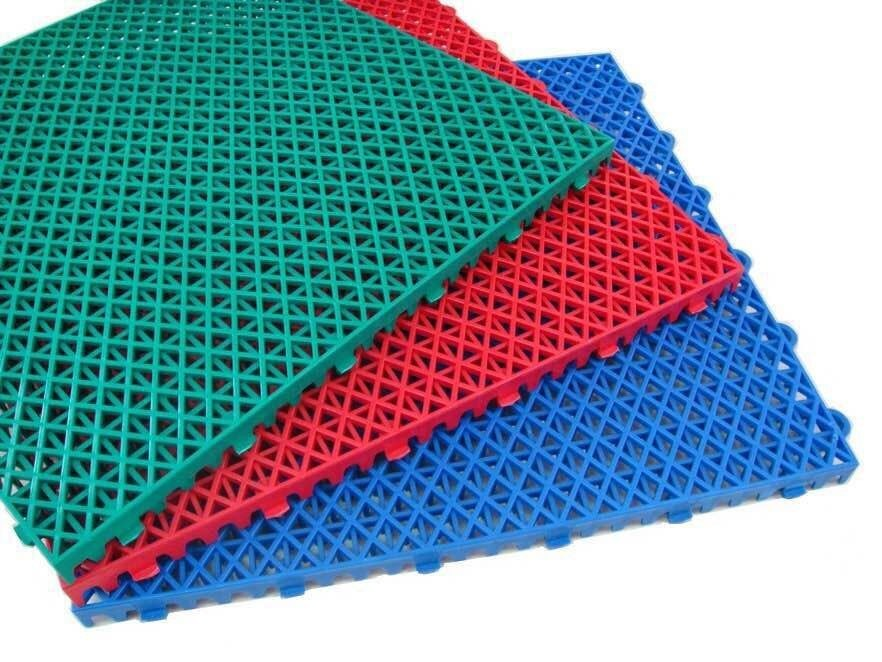
PP interlocking tiles, short for polypropylene interlocking tiles, represent a completely different approach to sports flooring. Instead of a layered coating system, these tiles are modular units that snap together to form a complete surface. Think of them like puzzle pieces—each tile connects securely to the next, creating a stable yet flexible playing area.
The material itself, polypropylene, is a type of durable plastic known for its strength, flexibility, and resistance to wear. This makes it particularly suitable for sports environments where surfaces are subjected to constant impact and movement. Unlike rigid surfaces, PP tiles often feature a suspended design, with a grid-like structure underneath. This allows for better shock absorption and drainage, especially in outdoor settings.
One of the standout features of PP tiles is their engineered ventilation system. The perforated or open-grid design ensures that water doesn’t accumulate on the surface, making it playable even shortly after rain. This is a huge advantage for outdoor courts where downtime can be a major inconvenience.
The surface texture of PP tiles is also carefully designed to provide optimal grip and ball interaction. While it may not be as seamless as acrylic flooring, modern PP tiles have improved significantly in terms of consistency and performance. Some high-end models even mimic the feel of traditional sports surfaces.
Another key benefit is portability. Since the tiles are not permanently fixed, they can be installed, removed, and reinstalled with relative ease. This makes them ideal for temporary setups, events, or facilities that may need to reconfigure their space.
However, the modular nature of PP tiles means there are visible joints between tiles. While these are usually well-designed and don’t significantly impact gameplay, they can slightly affect ball bounce and overall aesthetics compared to seamless acrylic surfaces.
In many ways, PP interlocking tiles are the modern, flexible alternative to traditional sports flooring—offering convenience, adaptability, and impressive durability without the need for complex installation processes.
Where PP Interlocking Tiles Are Commonly Used
PP interlocking tiles have carved out a strong presence in both recreational and professional sports settings, thanks to their versatility and ease of use. You’ll often see them in places where flexibility and quick installation are key priorities.
One of the most common applications is multi-sport courts. Schools and community centers frequently use PP tiles because they can accommodate various activities—basketball, futsal, volleyball, and even roller sports—on the same surface. The modular design makes it easy to customize court dimensions and markings.
They are also widely used in outdoor sports facilities, particularly in regions with unpredictable weather. The built-in drainage system ensures that rainwater doesn’t disrupt play for long, making them a practical choice for public parks and recreational areas.
Another popular use case is temporary or portable courts. Event organizers often rely on PP tiles to set up courts for tournaments, exhibitions, or pop-up sports events. The ability to assemble and disassemble the surface quickly is a game-changer in such scenarios.
Residential installations are also on the rise. Homeowners looking for a DIY-friendly sports surface often choose PP tiles because they don’t require specialized tools or professional installation. You can literally transform a backyard into a functional sports area over a weekend.
Additionally, PP tiles are gaining traction in training facilities and academies. Coaches appreciate the added cushioning and reduced injury risk, especially for younger athletes who are still developing their skills.
While they may not yet dominate elite professional tournaments, PP interlocking tiles have proven themselves as a practical, adaptable, and cost-effective solution for a wide range of applications. Their growing popularity reflects a shift toward more flexible and user-friendly sports infrastructure.
Performance Comparison: Acrylic vs PP Tiles
Shock Absorption and Player Comfort
When athletes step onto a court, the first thing their body notices—often subconsciously—is how the surface feels under pressure. That feeling is directly tied to shock absorption, and it plays a massive role in both performance and long-term health. This is where acrylic flooring and PP interlocking tiles start to show clear differences.
Acrylic flooring is generally considered a hard surface. While it can include cushioned layers, especially in premium systems, it still relies heavily on the rigidity of the concrete or asphalt base. This means that impact forces from running, jumping, and sudden stops are only partially absorbed. Over time, especially in high-impact sports like basketball, this can lead to fatigue in joints such as knees and ankles. Professional athletes often adapt to this, but for casual players or younger users, it can become a concern.
PP interlocking tiles, on the other hand, are engineered with built-in flexibility. Their suspended structure allows for a slight “give” when pressure is applied, which helps absorb shock more effectively. Think of it like the difference between jumping on a wooden floor versus a well-designed sports mat—the latter feels noticeably softer and more forgiving. This added cushioning can significantly reduce strain on the body, making PP tiles a favorite for training environments and recreational use.
Another aspect of comfort is temperature behavior. Acrylic surfaces can become quite hot under direct sunlight, which may affect player comfort during outdoor games. PP tiles, with their ventilated design, tend to stay relatively cooler, improving usability in warmer climates.
However, there’s a balance to consider. Too much cushioning can slightly reduce responsiveness, which some competitive players might notice. Acrylic surfaces, being firmer, often provide a more “connected” feel to the ground.
In practical terms, if your priority is injury prevention and comfort, PP interlocking tiles have a clear edge. But if you’re aiming for a professional-level playing experience, acrylic flooring still holds strong appeal despite its firmer nature.
Ball Bounce and Game Consistency
If shock absorption affects how players feel, ball bounce affects how the game behaves. And in many sports—especially tennis and basketball—this factor can make or break the playing experience.
Acrylic flooring is widely regarded as the gold standard for consistent ball response. Because it forms a seamless, uniform surface, the ball reacts predictably no matter where it lands. This consistency is crucial in competitive sports, where even minor variations can influence outcomes. Players can rely on muscle memory and timing, knowing that the surface won’t introduce unexpected variables.
This is one of the main reasons why professional tournaments prefer acrylic courts. According to sports surface studies, uniform bounce can improve gameplay accuracy by up to 20%, especially in precision-based sports like tennis. That’s not a small margin—it’s the difference between a fair match and a frustrating one.
PP interlocking tiles, while significantly improved in recent years, still face challenges in this area. The modular design means there are tiny gaps or joints between tiles. While these are engineered to minimize impact, they can occasionally affect ball bounce, especially if the installation isn’t perfectly level.
Additionally, the underlying surface plays a role. If the base beneath the tiles isn’t completely even, slight variations can occur in how the ball reacts. For casual play, this is rarely a dealbreaker. But for competitive environments, it can be noticeable.
That said, high-quality PP tiles have narrowed the gap considerably. Many manufacturers now design tiles with enhanced surface textures and locking mechanisms to improve uniformity. For most users, especially in recreational settings, the difference is minimal.
So, if you’re aiming for precision and professional-grade consistency, acrylic flooring remains the top choice. But if your focus is on versatility and ease of use, PP tiles offer a perfectly acceptable level of performance for the majority of players.
Durability and Maintenance
Lifespan of Acrylic Flooring
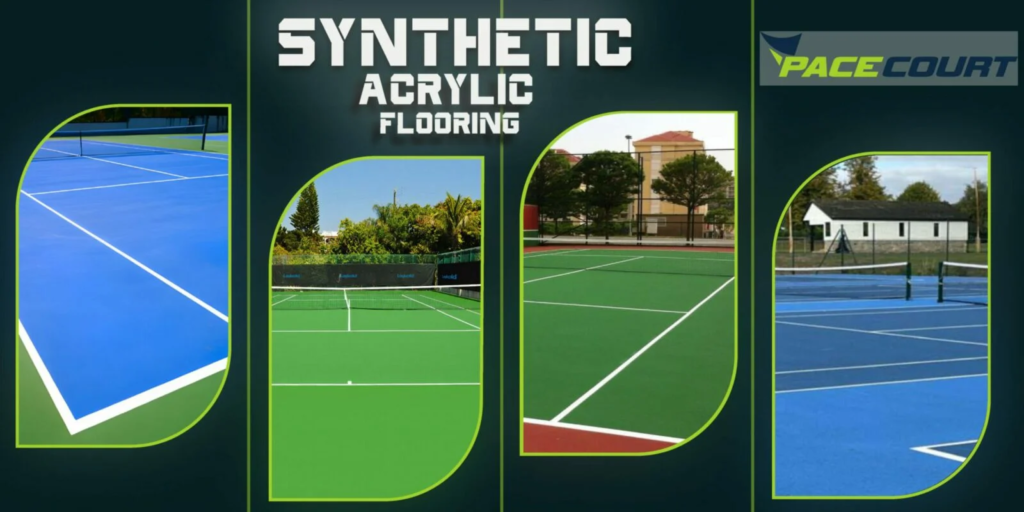
Durability is where long-term value really comes into play. Acrylic flooring, when installed correctly, is known for its impressive lifespan, often lasting anywhere from 5 to 10 years before requiring major resurfacing. However, this longevity depends heavily on maintenance and environmental conditions.
The surface itself is resistant to UV rays, moisture, and general wear, which makes it suitable for outdoor use. It doesn’t fade easily, and its color remains vibrant for years. But here’s the catch—because it’s a coating system, it can develop cracks or surface wear over time, especially if the underlying concrete shifts or deteriorates.
Maintenance for acrylic flooring involves regular cleaning and periodic resurfacing. Dirt and debris need to be removed to maintain traction, and the surface may require recoating every few years to restore its original performance. This process isn’t overly complicated, but it does require professional involvement, which adds to the long-term cost.
Another factor to consider is repair difficulty. If a section of acrylic flooring gets damaged, it’s not as simple as replacing a tile. Repairs often involve patching and recoating, which can be time-consuming and may not perfectly match the original finish.
Despite these challenges, acrylic flooring remains a reliable and durable option for permanent sports facilities. Its ability to maintain consistent performance over time makes it a worthwhile investment for those willing to commit to its upkeep.
Longevity of PP Interlocking Tiles
PP interlocking tiles take a different approach to durability—one that prioritizes modularity and resilience. Instead of relying on a continuous surface, they distribute wear across individual tiles, which can be replaced as needed.
In terms of lifespan, high-quality PP tiles can last 10 to 15 years or more, depending on usage and environmental conditions. The polypropylene material is highly resistant to impact, moisture, and temperature fluctuations, making it ideal for outdoor applications.
One of the biggest advantages here is ease of maintenance. Cleaning is straightforward—usually just sweeping or washing with water. And if a tile gets damaged, you can simply remove and replace that specific piece without affecting the rest of the court. This makes repairs quick, cost-effective, and minimally disruptive.
PP tiles also excel in handling extreme weather conditions. They expand and contract with temperature changes without cracking, and their drainage system prevents water accumulation. This reduces the risk of long-term damage and keeps the surface playable in various climates.
However, they’re not entirely maintenance-free. Over time, the locking mechanisms can wear out, especially in high-traffic areas. But even then, the modular nature ensures that fixes are manageable.
In essence, PP interlocking tiles offer a practical, low-maintenance durability that appeals to a wide range of users. While they may not have the seamless elegance of acrylic flooring, their longevity and ease of repair make them a strong contender in the sports flooring market.
Installation and Cost Analysis
Installation Process Differences
When it comes to installation, the contrast between acrylic flooring and PP interlocking tiles is almost like comparing a construction project to assembling a puzzle. Both lead to a functional sports surface, but the journey there couldn’t be more different.
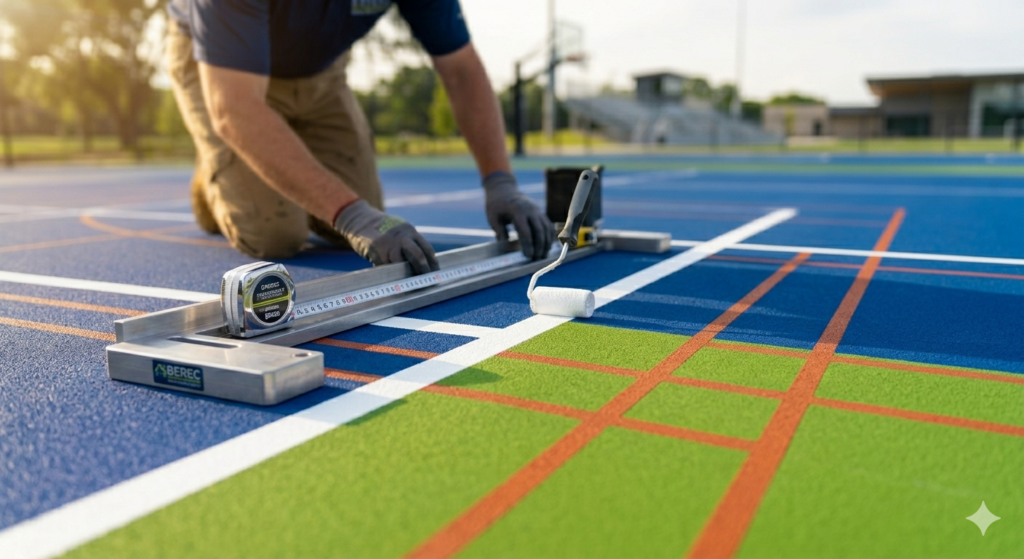
Acrylic flooring requires a multi-step, labor-intensive installation process that demands precision at every stage. It begins with preparing the base—usually concrete or asphalt—which must be perfectly level, crack-free, and properly cured. Any imperfection at this stage can compromise the entire surface later on. Once the base is ready, professionals apply multiple layers, including primers, cushion coatings, and acrylic finishes. Each layer needs adequate drying time, which means the full installation can take several days to a few weeks, depending on weather conditions and project size.
Weather plays a surprisingly critical role here. Acrylic coatings need specific temperature and humidity conditions to cure properly. Too much moisture or extreme temperatures can delay the process or affect the final quality. This makes scheduling and planning essential, especially for outdoor courts.
PP interlocking tiles, by contrast, offer a fast and flexible installation experience. There’s no need for adhesives, curing time, or specialized equipment. As long as the base surface is relatively flat and stable, the tiles can be snapped together quickly—often within a day or two for standard courts. This simplicity makes them highly appealing for schools, community centers, and even homeowners looking for a DIY-friendly solution.
Another major advantage of PP tiles is their portability. If you ever need to relocate or reconfigure the court, you can disassemble and reinstall the tiles without much hassle. Acrylic flooring, once installed, is essentially permanent.
However, it’s worth noting that while PP tiles are easier to install, achieving a perfectly level base is still important for optimal performance. Any unevenness underneath can affect gameplay and durability.
So, if you’re looking for a quick, convenient setup, PP interlocking tiles clearly take the lead. But if you’re investing in a long-term, professional-grade facility, the effort and time required for acrylic flooring installation can be justified by its seamless finish and consistent performance.
Cost Comparison Table
Cost is often the deciding factor in choosing a sports surface, and understandably so. But it’s important to look beyond just the initial price tag and consider long-term value, maintenance, and lifecycle costs.
Here’s a detailed comparison to give you a clearer picture:
| Factor | Acrylic Flooring | PP Interlocking Tiles |
|---|---|---|
| Initial Cost | Moderate to High (due to labor & materials) | Moderate (varies by quality) |
| Installation Cost | High (professional required) | Low to Moderate (DIY possible) |
| Maintenance Cost | Moderate (resurfacing needed) | Low (easy cleaning & tile replacement) |
| Repair Cost | High (patching & recoating) | Low (replace individual tiles) |
| Lifespan | 5–10 years | 10–15+ years |
| Long-Term Value | High for professional use | High for versatility & flexibility |
At first glance, PP tiles often appear more affordable, especially when you factor in lower installation and maintenance costs. For budget-conscious projects, this can be a major advantage.
However, acrylic flooring offers value in terms of performance and aesthetics, particularly for professional or competitive environments. It’s not just about durability—it’s about delivering a premium playing experience.
Another angle to consider is cost predictability. With PP tiles, expenses are more predictable since repairs are localized. Acrylic surfaces, on the other hand, may require larger-scale maintenance over time, which can lead to occasional spikes in cost.
In the end, the “better” option depends on your priorities. If you want a cost-efficient, low-maintenance solution, PP tiles are hard to beat. But if you’re aiming for a high-performance, professional-grade surface, acrylic flooring justifies its higher investment.
Weather Resistance and Outdoor Suitability
Acrylic Flooring in Extreme Weather
Outdoor sports surfaces face constant exposure to the elements, and not all materials handle this equally well. Acrylic flooring is designed to withstand outdoor conditions, but it does have its limitations when pushed to extremes.
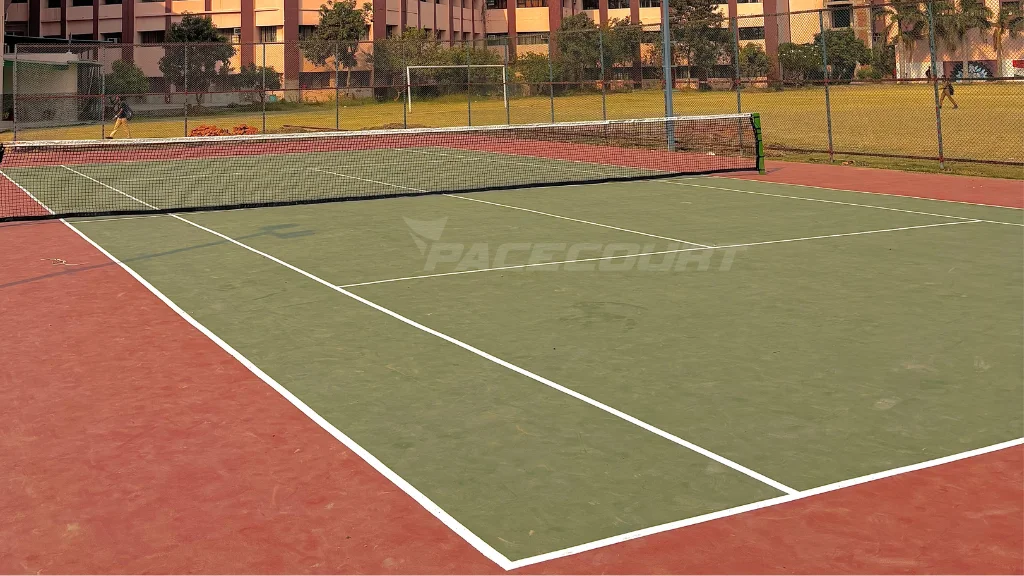
One of its strengths is UV resistance. High-quality acrylic coatings are formulated to resist fading, which helps maintain vibrant colors even after years of sun exposure. This makes it visually appealing for outdoor courts, where aesthetics matter just as much as performance.
However, temperature fluctuations can be a challenge. In extremely hot climates, acrylic surfaces can become uncomfortably warm, sometimes even affecting gameplay. On the flip side, in colder conditions, the surface can become slightly harder, reducing its already limited shock absorption.
Moisture is another factor. While acrylic surfaces are water-resistant, they are not permeable. This means water stays on the surface until it evaporates or is drained away. After heavy rain, courts may remain unusable for a period of time, which can be inconvenient for facilities with tight schedules.
Cracking is a longer-term concern. Over time, repeated expansion and contraction due to temperature changes can lead to surface cracks, especially if the base layer isn’t perfectly stable. Regular maintenance can mitigate this, but it’s something to keep in mind.
Despite these challenges, acrylic flooring performs well in moderate climates and remains a popular choice for outdoor courts around the world. Its ability to deliver consistent gameplay often outweighs its weather-related drawbacks for many users.
PP Tiles in Changing Climates
If acrylic flooring is sturdy but somewhat rigid, PP interlocking tiles are the adaptable, all-weather alternative. They’re specifically designed to handle diverse and unpredictable environmental conditions, making them a standout choice for outdoor use.
One of their biggest advantages is built-in drainage. The perforated design allows water to pass through the surface, preventing puddles and enabling quick drying. This means courts can often be used shortly after rain—a huge plus for schools and public facilities.
Temperature flexibility is another strong point. PP tiles can expand and contract without cracking, maintaining their structural integrity across a wide range of climates. Whether it’s scorching heat or chilly mornings, the surface remains stable and playable.
They also tend to stay cooler under direct sunlight compared to acrylic surfaces, thanks to their ventilated structure. This improves comfort for players, especially in regions with intense heat.
Wind and dust can sometimes affect modular surfaces, but modern PP tile systems are designed with secure locking mechanisms that keep everything in place. Maintenance is simple—just occasional cleaning to remove debris.
In essence, PP interlocking tiles are built for resilience and adaptability. If your location experiences frequent weather changes or heavy rainfall, they offer a level of convenience and reliability that’s hard to ignore.
Which One Should You Choose?
Best Use Cases for Acrylic Flooring
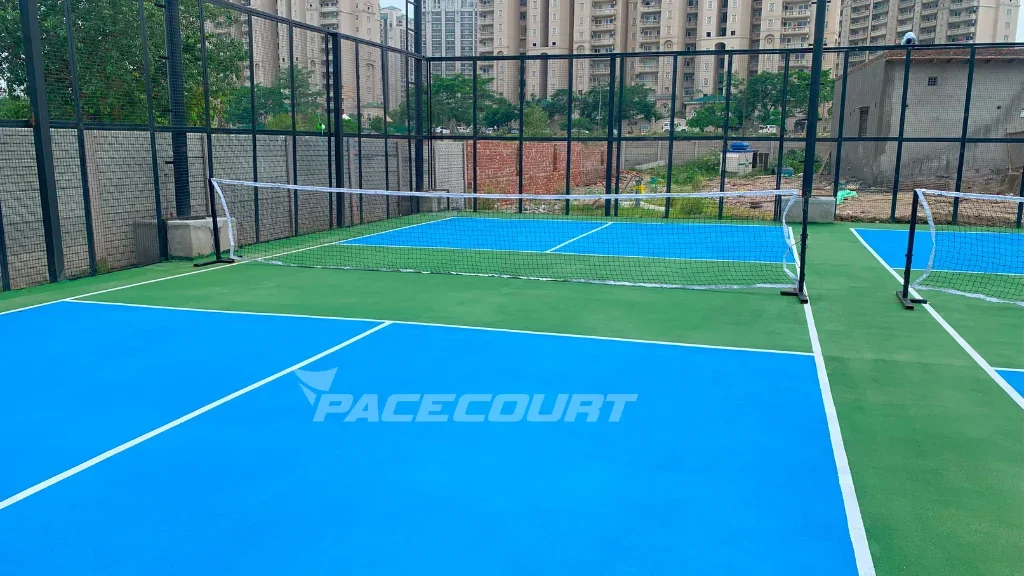
Choosing acrylic flooring makes the most sense when your priority is performance, consistency, and a professional-grade experience. It’s the surface of choice for competitive sports environments where precision matters more than flexibility.
If you’re building a tennis court for serious play, acrylic is hard to beat. Its uniform bounce and predictable behavior create the kind of environment players need to refine their skills. Similarly, for basketball courts that aim to replicate professional conditions, acrylic surfaces deliver a reliable and familiar feel.
Acrylic is also ideal for permanent installations. If you have a dedicated space and long-term plans, investing in a seamless, high-quality surface can pay off over time. It adds a polished, professional look that enhances the overall appeal of the facility.
However, it’s best suited for environments where maintenance can be managed and weather conditions are relatively stable. If those boxes are checked, acrylic flooring becomes a powerful choice.
Best Use Cases for PP Interlocking Tiles
PP interlocking tiles shine in scenarios where flexibility, durability, and ease of use take center stage. They’re perfect for multi-purpose courts, recreational spaces, and areas where quick installation is a priority.
Schools, community centers, and public parks often benefit from PP tiles because they can handle heavy, varied usage without requiring constant upkeep. The ability to replace individual tiles makes them especially practical in high-traffic areas.
They’re also an excellent choice for outdoor environments with unpredictable weather. Rain, heat, or temperature swings—PP tiles handle it all with minimal disruption.
For homeowners, they offer a DIY-friendly solution that transforms outdoor spaces into functional courts without the complexity of traditional installations.
If your goal is versatility and low maintenance, PP interlocking tiles are the clear winner.
Conclusion
Choosing between acrylic flooring and PP interlocking tiles ultimately comes down to your priorities. Acrylic flooring delivers unmatched consistency, making it ideal for competitive sports and professional settings. PP tiles, on the other hand, offer flexibility, durability, and convenience, making them perfect for recreational and multi-purpose use.
Neither option is universally “better”—it’s about finding the right fit for your specific needs, environment, and budget. Think of acrylic as a precision tool and PP tiles as a versatile toolkit. The best choice depends on how you plan to play the game.
Upgrade Your Sports Court Today
Get premium synthetic acrylic flooring designed for durability, grip, and performance.
Get Free Consultation