Author name: Rahul

Rahul is a sports flooring expert and a key contributor at Pacecourt, a leading brand in acrylic and synthetic sports court solutions. Passionate about creating world-class playing surfaces, Rahul shares insights on tennis courts, basketball courts, and multi-purpose sports flooring. His goal is to help facility owners and sports enthusiasts choose durable, high-performance solutions that enhance the game experience.

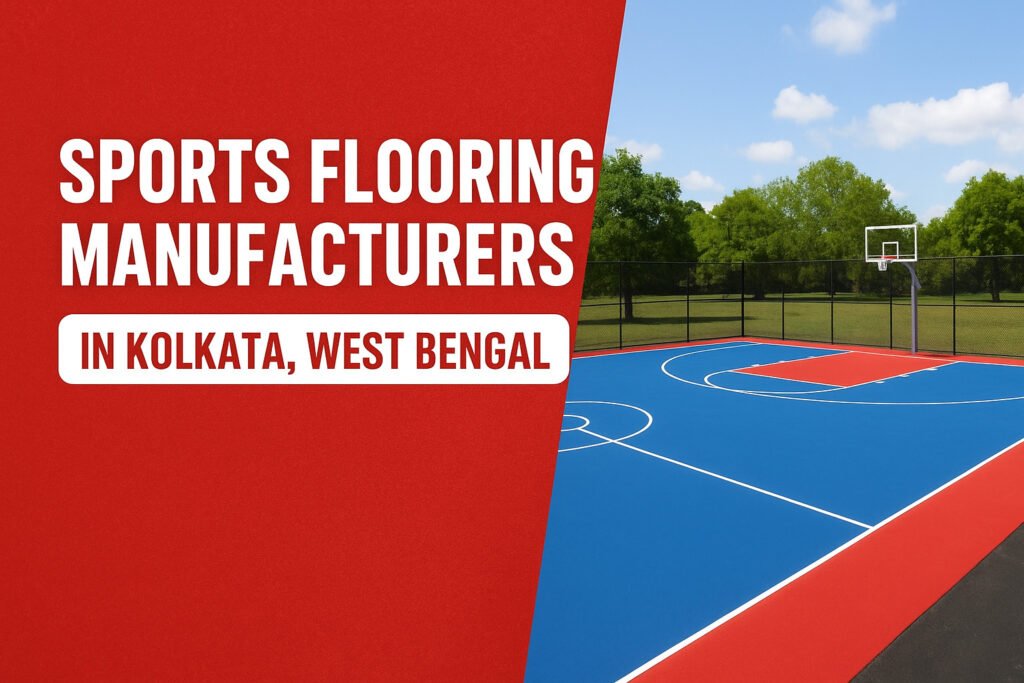
Sports Flooring Manufacturers in Kolkata
Sports Flooring Manufacturers in Kolkata, West Bengal

Sports Flooring Manufacturers in Kolkata, West Bengal: Complete Guide (Types, Cost, Features & Installation)

Sports infrastructure in India is expanding rapidly, and Kolkata, West Bengal, has emerged as one of the fastest-growing hubs for high-quality sports flooring solutions. Whether it’s a school, sports academy, residential complex, club, or commercial sports facility, choosing the right sports flooring manufacturer ensures safety, performance, durability, and long-term value. This in-depth guide covers everything you need to know about sports flooring manufacturers in Kolkata, including flooring types, cost breakdown, installation process, advantages, and how to choose the best manufacturer for your project. Why Sports Flooring Matters for Modern Sports Facilities Sports flooring is not just about aesthetics—it directly impacts: A reliable manufacturer ensures that every surface complies with international sports standards and supports long-term performance. Types of Sports Flooring Offered by Manufacturers in Kolkata, West Bengal 1. Acrylic Sports Flooring Acrylic flooring is widely used for: Features:✔ UV resistant✔ Weather-proof✔ Long-lasting colours✔ Suitable for outdoor courts Best For: Outdoor sports facilities & academies. 2. Synthetic PU (Polyurethane) Flooring PU sports flooring is preferred for indoor facilities due to its: Used In:Badminton courts, basketball courts, skating rinks, futsal courts, gym flooring. 3. EPDM Rubber Flooring A popular choice for: Benefits:✔ Non-toxic✔ Cushioned impact✔ Slip-resistant✔ Perfect for high footfall areas 4. Vinyl PVC Sports Flooring Vinyl sports flooring is commonly used in indoor multi-purpose halls. Ideal For:Badminton courts, yoga halls, table tennis rooms, dance studios, and auditoriums. Advantages:✔ Easy to maintain✔ High durability✔ Shock-absorbing✔ Anti-skid 5. Artificial Turf Popular for: Modern turf manufacturers in Kolkata offer turf that simulates natural grass without heavy maintenance. 6. Modular Interlocking Tiles An excellent choice for outdoor multi-sport courts. Benefits:✔ Weatherproof✔ Quick installation✔ Portable✔ Impact-resistant How to Choose the Best Sports Flooring Manufacturer in Kolkata Selecting the right manufacturer determines the quality and lifespan of your sports flooring. Here’s what to check: 1. Flooring Material Quality Ensure the material meets standards such as: 2. Experience & Technical Expertise Check whether the manufacturer has: 3. Customized Sport-Specific Solutions Each sport demands different: Choose manufacturers who offer custom solutions. 4. After-Sales Support Look for: 5. On-Site Inspection & Consultation Top manufacturers always provide: Sports Flooring Installation Process in Kolkata A standard flooring installation follows: 1. Site Assessment Engineers analyze: 2. Base Preparation A strong foundation is essential. This includes: 3. Material Application Depending on the flooring type: 4. Line Marking Professional markings for: 5. Final Testing Ensures: Sports Flooring Cost in Kolkata, West Bengal Flooring Type Approx. Price per sq ft Suitable For Acrylic Flooring ₹55 – ₹120 Outdoor courts PU Flooring ₹180 – ₹350 Indoor sports Vinyl PVC Flooring ₹60 – ₹140 Indoor halls EPDM Rubber Flooring ₹180 – ₹450 Gyms, kids’ areas Artificial Turf ₹80 – ₹250 Football & cricket Interlocking Tiles ₹90 – ₹160 Multi-sport courts Note: Prices vary depending on thickness, materials, and project size. Industries That Commonly Use Sports Flooring in Kolkata Sports flooring manufacturers cater to: Benefits of Choosing a Local Manufacturer in Kolkata ✔ Faster installation✔ Quick support & maintenance✔ Better understanding of local climate✔ Lower logistics cost✔ Easy quality verification Conclusion Kolkata is rapidly developing world-class sports infrastructure, and choosing the right sports flooring manufacturer ensures durability, safety, and international-level performance. Whether you need acrylic, PU, vinyl, turf, EPDM, or modular sports flooring, the key is to work with a manufacturer who offers quality materials, technical expertise, and reliable after-sales service.
Basketball Court Drawing

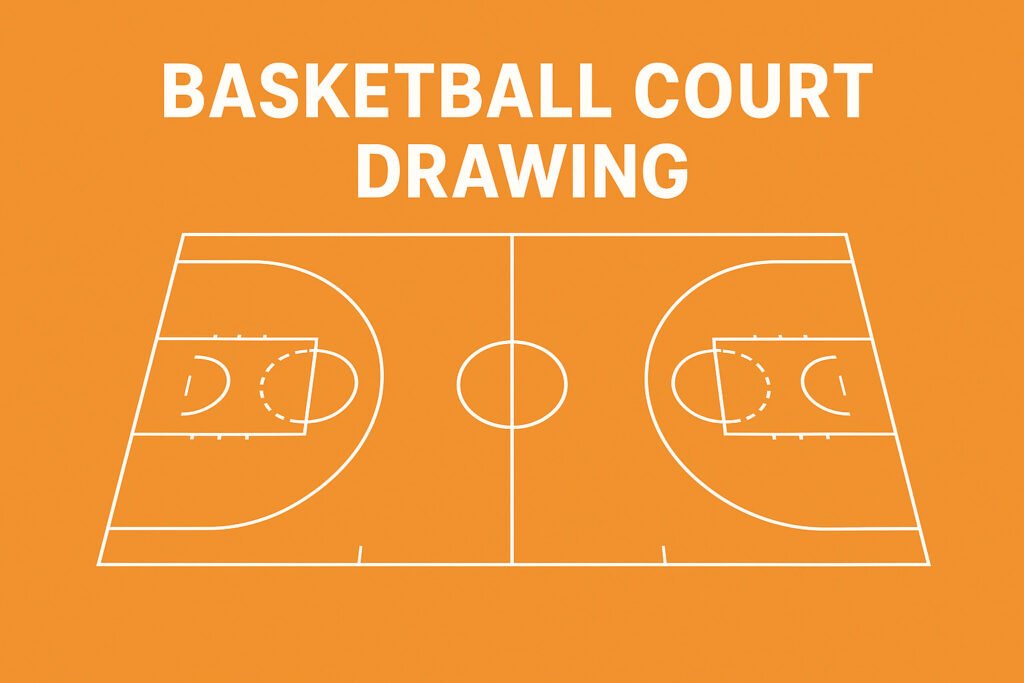
Basketball Court Drawing: Complete Guide to Dimensions, Layout & Markings

When designing or constructing a basketball court, the most important first step is creating an accurate basketball court drawing. Whether you’re planning a school court, community court, or professional-grade sports arena, a detailed court layout ensures correct dimensions, proper markings, and safe gameplay. This guide covers everything you need to know—court size, boundary lines, key measurements, markings, diagrams, and best practices. What Is a Basketball Court Drawing? A basketball court drawing is a scaled visual plan that shows the layout, markings, and dimensions of a basketball court. It includes: This drawing acts as the blueprint for accurate installation and sports flooring work. Standard Basketball Court Dimensions Basketball courts differ by level of play. Here are the official dimensions: 1. NBA Court Dimensions 2. FIBA Court Dimensions 3. High School Court Dimensions Key Elements in a Basketball Court Drawing 1. Sidelines & Baselines These are the outer boundaries of the court. 2. Center Circle Used for the opening jump ball. 3. Midcourt Line & Restraining Circle The half-court line divides the court into two equal halves. 4. Free-Throw Lane (The Key) Consists of: NBA key width: 16 ftFIBA key width: 4.9 m 5. Free-Throw Circle 6. Three-Point Line A crucial scoring zone. 7. Restricted Area A semi-circular arc located under the basket. 8. Backboard & Rim Location 9. Player Bench & Scorer’s Table Optional but recommended for high-level courts. Basketball Court Drawing: Step-by-Step Process Follow these steps to create an accurate and professional court layout: Step 1: Choose the Court Type Select whether your court follows NBA, FIBA, or High School standards. Step 2: Mark the Outer Boundary Draw the main rectangle based on the dimensions chosen. Step 3: Add the Midcourt Line & Center Circle Divide the court equally and draw the central circle. Step 4: Draw the Free-Throw Lane Include lane lines, the free-throw arc, and hash marks. Step 5: Draw the Three-Point Arc Use precise radius and distance measurements. Step 6: Add Backboards, Rims & Restricted Area Mark the space under the basket with correct positioning. Step 7: Add Optional Elements Step 8: Label All Measurements Every line, arc, and zone should show dimensions for clarity. Basketball Court Drawing Diagram (Text-Based) Why Accurate Basketball Court Drawings Matter? ✔ Ensures proper court measurements ✔ Helps avoid installation mistakes ✔ Supports professional and school-level gameplay ✔ Assists contractors & flooring companies ✔ Improves court safety and playability Accurate drawings help standardize gameplay and ensure athletes get a professional experience. Tips for Creating Professional Basketball Court Drawings Use AutoCAD, SketchUp, or CorelDRAW for precision. Follow FIBA/NBA measurement standards. Leave space for run-off areas (recommended 2–3 ft). Consider flooring material compatibility. Use contrasting colors for key zones. Common Mistakes to Avoid ❌ Incorrect three-point radius❌ Misaligned free-throw circles❌ Using non-standard measurements❌ Forgetting the restricted area arc❌ No buffer space outside boundaries Conclusion A well-designed basketball court drawing is essential for accuracy, performance, and safety. Whether you’re planning a small school court or a professional indoor stadium, having a detailed and properly measured layout is the foundation for a high-quality court. Use the guidelines, dimensions, and step-by-step instructions in this article to create a court layout that meets international standards and enhances the overall playing experience.

Sports Flooring Manufacturers in Karnataka

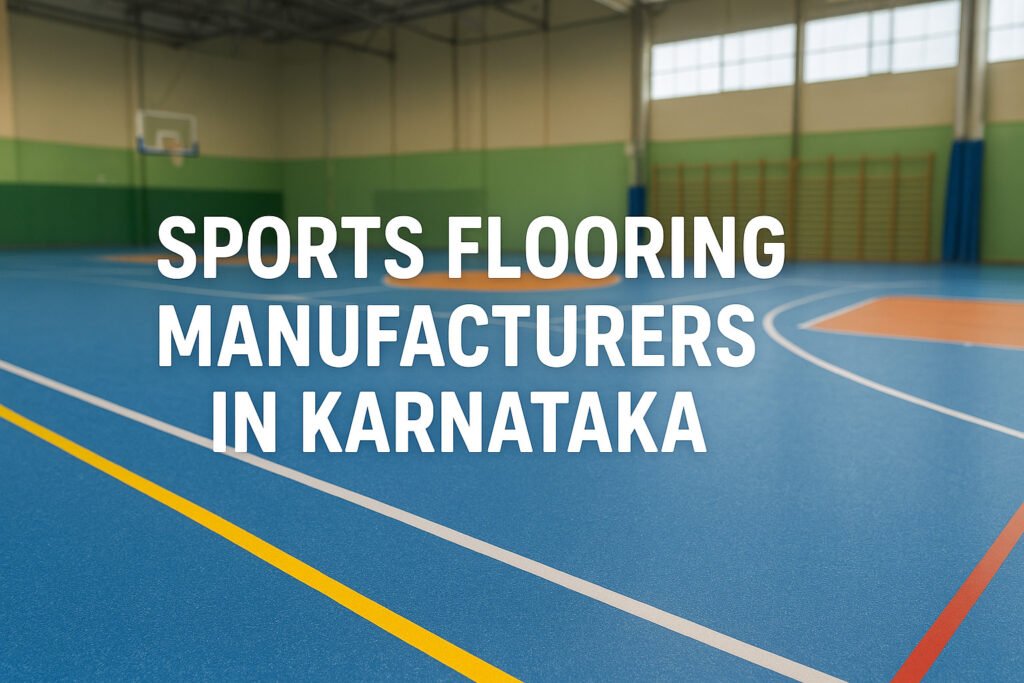
Sports Flooring Manufacturers in Karnataka

Sports flooring in Karnataka has grown rapidly due to rising interest in academies, fitness centres, schools, universities, corporate recreation zones, and public sports development projects. Whether you’re building a badminton court, basketball arena, gym, futsal turf, or a multipurpose indoor hall, choosing the right flooring system and manufacturer is crucial. This comprehensive guide explains flooring types, materials, performance standards, cost expectations, installation workflow, and how to choose the best sports flooring manufacturer in Karnataka. Overview of Sports Flooring Industry in Karnataka Karnataka—especially Bengaluru, Mysuru, Mangalore, Hubballi, Belagavi, and Davangere—is a growing hub for sports construction and infrastructure. The state’s climate, urban development, and increasing adoption of sports academies make it a strong market for: Manufacturers and contractors in the state typically provide design, supply, installation, and maintenance services. Types of Sports Flooring Available in Karnataka A. Indoor Sports Flooring 1. Wooden / Engineered Timber Ideal for badminton courts, basketball courts, squash rooms, and indoor multisport arenas. Features: 2. PU (Polyurethane) Sports Flooring Used for multipurpose indoor halls and training spaces. Advantages: 3. PVC / Vinyl Sports Flooring Popular for schools and commercial fitness zones. Benefits: 4. Rubber Flooring Used in gyms, CrossFit zones, and fitness studios. Benefits: B. Outdoor Sports Flooring 1. Acrylic Sports Flooring Used for tennis courts, basketball courts, volleyball courts, and multi-purpose play areas. Advantages: 2. Interlocking PP Tiles Suitable for outdoor multisport courts. Key features: 3. EPDM Rubber Flooring Mostly used for kids’ play areas, walking tracks, and jogging pathways. Benefits: 4. Artificial Turf (Futsal, Football) Suitable for turf arenas across Karnataka. Advantages: How to Choose the Right Sports Flooring Manufacturer in Karnataka Selecting the right manufacturer ensures performance, durability, and safety. Use this checklist: ✔ 1. Technical Expertise The supplier should understand sub-floor requirements, climatic conditions, thickness options, and sports standards. ✔ 2. Site Inspection A professional site inspection identifies: ✔ 3. Customised System Recommendation The flooring must match your needs: ✔ 4. Quality of Materials Ask for: ✔ 5. Installation Quality The installer’s skill matters more than the material quality. Key installation checks: ✔ 6. Warranty & After-Sales Support Request written warranties covering: ✔ 7. Past Work & Portfolio Choose a manufacturer with experience in: Sports Flooring Installation Process in Karnataka A standard installation workflow includes: Step 1: Site Visit & Measurement The team inspects the ground and takes accurate measurements. Step 2: Subfloor Preparation This may include leveling, crack filling, curing, and moisture control. Step 3: Shock Pad or Base Layer Installation Required for PU, wooden, and synthetic sports systems. Step 4: Main Flooring Application Timber, acrylic, rubber, PP tiles, PU coats, PVC sheets—depending on system. Step 5: Line Marking & Final Coating Professional line marking enhances gameplay accuracy. Step 6: Quality Check & Handover Manufacturers test bounce, grip, and surface uniformity before handover. Cost of Sports Flooring in Karnataka (Approximate Guide) Pricing varies based on material type, thickness, and subfloor work required. Below is a general range: Flooring Type Approx. Price per sq. ft. Application Acrylic Flooring Low to medium Outdoor courts PU Flooring Medium to high Indoor multisport halls Wooden Flooring Medium to high Badminton, basketball EPDM Rubber Medium Play areas, walkways PP Tiles Medium Outdoor multisport Vinyl Flooring Low to medium Indoor gyms/schools Artificial Turf Medium Football, futsal (These are indicative ranges; exact pricing depends on location, thickness, and preparation work.) Maintenance Requirements Every flooring system needs periodic maintenance for longevity. Indoor Flooring Maintenance Outdoor Flooring Maintenance Turf Maintenance Proper maintenance increases the flooring lifespan and keeps players safe. Common Mistakes to Avoid Avoiding these mistakes helps prevent cracking, peeling, uneven bounce, and reduced durability. Why Karnataka Is a Strong Market for Sports Flooring These factors make Karnataka one of India’s most active markets for sports flooring products and services. Conclusion Choosing the right sports flooring manufacturer in Karnataka requires understanding your sports facility’s needs, flooring materials, installation expectations, and long-term maintenance. The right flooring improves safety, performance, and overall playing experience

pickleball ball
Pickleball Ball

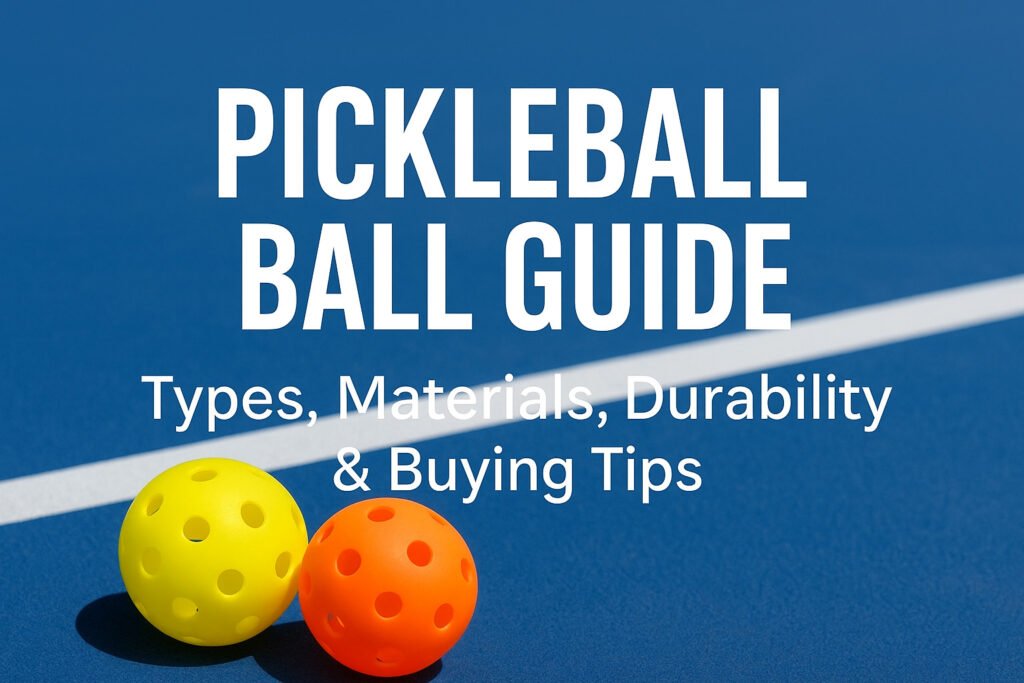
Pickleball Ball: Types, Materials, Durability & Complete Buying Guide

Pickleball has rapidly evolved into one of the fastest-growing racket sports worldwide, and with its popularity comes increased demand for quality equipment. Among all gear, the pickleball ball plays the most critical role in how the game feels—its bounce, speed, spin, and overall playability. Whether you’re a beginner learning the basics, a recreational player, or a tournament-level athlete, choosing the right pickleball ball can significantly improve your performance. This comprehensive guide explains everything you need to know about pickleball balls—types, construction, durability, approved standards, and how to choose the best one. What Is a Pickleball Ball? A pickleball ball is a lightweight, hollow plastic ball used specifically for playing pickleball. It is perforated with multiple holes to ensure aerodynamic movement and is designed to be durable, responsive, and consistent during gameplay. Different balls are made for indoor and outdoor conditions. Types of Pickleball Balls Pickleball balls are primarily categorized into two types: 1. Indoor Pickleball Balls Indoor balls are designed for wooden or synthetic indoor court surfaces. Key Features Ideal For 2. Outdoor Pickleball Balls Outdoor pickleball balls are built to withstand harder surfaces and windy conditions. Key Features Ideal For Pickleball Ball Material & Construction Pickleball balls are made using two main construction technologies: 1. Injection-Molded Balls 2. Two-Piece Molded Balls Common Materials These materials ensure: Performance Factors to Consider Before buying a pickleball ball, consider the following performance factors: 1. Weight Heavier balls provide more speed and stability outdoors. 2. Diameter 3. Bounce Height Standard bounce (from 78 inches drop): 4. Hardness Hardness affects spin, durability, and feel. 5. Hole Count & Pattern Hole placement improves: Durability: How Long Does a Pickleball Ball Last? Durability depends on: Indoor Balls Last Longer They face less friction and lower impact. Outdoor Balls Wear Faster Expect cracking or splitting due to: On average: How to Choose the Best Pickleball Ball Follow this simple checklist: ✔ Playing Environment ✔ Skill Level ✔ USAPA/USA Pickleball Approval If you plan to compete, ensure the ball is USA Pickleball Approved. ✔ Color Visibility Best colors: These provide high contrast on any court. ✔ Budget vs. Durability Outdoor balls tend to break faster, so buying in packs is more cost-effective. Maintenance Tips for Pickleball Balls To extend the life of your balls: 1. Avoid Extreme Temperatures Heat softens plastic, cold makes it brittle. 2. Store Properly Use a mesh bag or ball container. 3. Clean Regularly Wipe dust and debris to maintain smooth flight. 4. Rotate Balls Using multiple balls equally reduces cracking. Common Problems with Pickleball Balls 1. Cracks or Splits Due to hard hits or cold temperatures. 2. Warping Occurs if stored under heavy weight or heat. 3. Uneven Bounce Linked to material fatigue or damage. Replace balls when bounce consistency is lost. Best Pickleball Ball Colors for Visibility High-visibility colors improve gameplay: Avoid white or dull colors for outdoor games. Conclusion The pickleball ball may look simple, but its design significantly affects gameplay. Choosing the right ball—indoor vs. outdoor, soft vs. hard, seamless vs. two-piece—can upgrade your performance and enjoyment on the court. Whether you are a beginner or a competitive athlete, understanding materials, durability, and performance factors will help you pick the perfect ball for your playing style.

Tennis Court Floor Material
tennis court floor material​

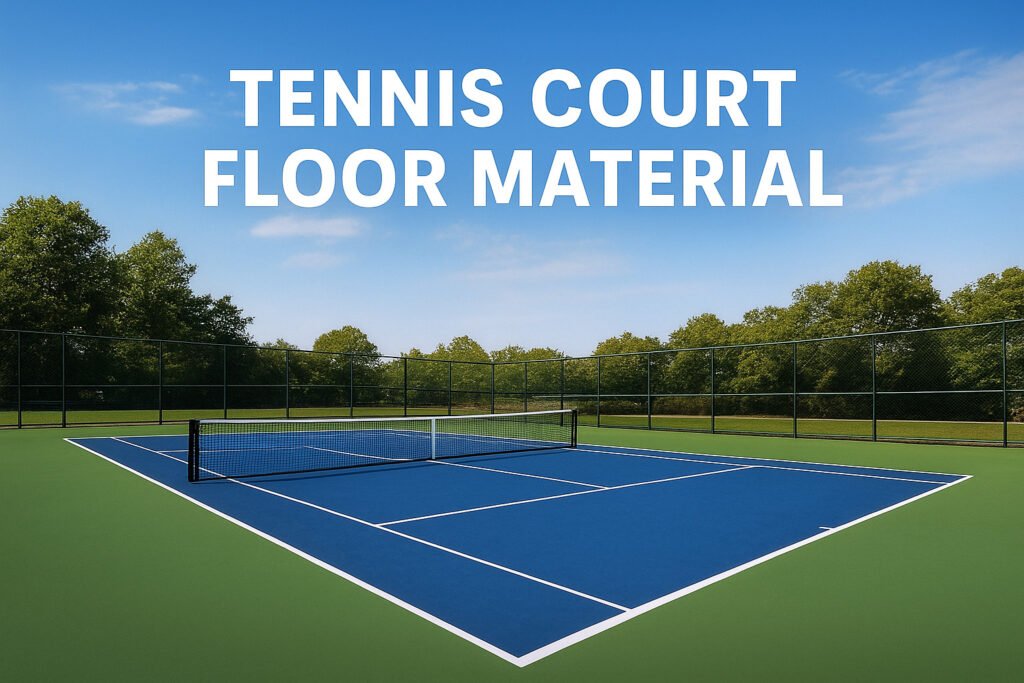
Tennis Court Floor Material: Complete Guide to Types, Features & Best Options

Choosing the right tennis court floor material is one of the most important decisions when building or renovating a tennis court. The flooring type directly affects player performance, ball bounce, speed of the game, injury prevention, court durability, and maintenance cost. This in-depth guide covers everything you need to know about tennis court flooring materials, including types, construction details, pros & cons, cost comparison, and how to choose the best material based on your climate, budget, and usage. What Is Tennis Court Flooring? Tennis court flooring refers to the surface material used to build the playing area of a tennis court. It includes layers of base preparation, cushioning, acrylic coatings, turf systems, rubber layers, clay mixtures, or synthetic materials that determine: Types of Tennis Court Floor Materials Below are the 5 most widely used tennis court flooring materials worldwide, along with their properties and ideal use cases. 1. Acrylic Hard Court Flooring (Most Popular Worldwide) Overview Acrylic hard courts are the most commonly used surfaces in schools, academies, clubs, and tournaments. These courts have a concrete or asphalt base topped with multiple layers of acrylic coatings. Features Pros Cons Best For Schools, academies, tennis clubs, government sports facilities. 2. Synthetic Turf (Artificial Grass) Tennis Court Flooring Overview Synthetic turf consists of artificial grass filled with sand or rubber infill. It offers a softer playing experience similar to natural grass courts. Features Pros Cons Best For Recreational courts, residential villas, sports clubs, hotels & resorts. 3. Clay Court Flooring (Red or Green Clay) Overview Clay courts are made with crushed shale, brick, or stone. These are widely used in Europe & South America, famously used at the French Open. Features Pros Best For Professional training academies and clubs focusing on endurance training. 4. PU (Polyurethane) Tennis Court Flooring Overview PU flooring is a cushioned athletic surface installed over concrete. It provides a balance of comfort and performance, ideal for multi-sport areas. Features Pros Cons Best For Multipurpose courts, indoor stadiums, premium sports facilities. 5. EPDM Rubber Flooring Overview EPDM is a rubber-based surface available in tiles or poured-in-place systems. It provides high cushioning and slip-resistance. Features Pros Cons Cons Comparison Table: Best Tennis Court Flooring Materials Flooring Material Court Speed Durability Maintenance Cost Best For Acrylic Hard Court Medium–Fast High Low Medium Schools, Clubs Synthetic Turf Fast Medium Low Medium Resorts, Home Courts Clay Court Slow Medium High Medium Training Academies PU Flooring Medium High Low High Indoor Courts EPDM Rubber Slow High Low High Recreational & Safe Sports Areas Factors to Consider When Choosing Tennis Court Flooring 1. Climate & Weather Conditions 2. Usage Purpose 3. Budget 4. Maintenance Expectations Average Cost of Tennis Court Flooring (2025 Estimates) Flooring Type Cost Range (Per sq. ft.) Acrylic Hard Court ₹80 – ₹200 Synthetic Turf ₹150 – ₹350 Clay Court ₹120 – ₹250 PU Flooring ₹250 – ₹450 EPDM Flooring ₹300 – ₹500 Costs may vary depending on location, thickness, brand, base preparation, and labor. Which Tennis Court Floor Material Is Best? (Summary) If you want the best all-rounder surface, go for Acrylic Hard Court. If you want premium comfort, choose PU Flooring. If you want low maintenance & aesthetics, synthetic turf is ideal. For professional training, nothing beats clay for endurance and technique building. Conclusion Selecting the right tennis court floor material is essential for ensuring long-term durability, player performance, and overall value. Whether you are constructing a new court or renovating an old one, understanding the pros, cons, and features of each flooring type will help you make an informed decision.

Indoor Basketball Courts Near Me

Indoor Basketball Courts Near Me: Complete Guide to Finding the Best Indoor Courts in Your Area

Looking for indoor basketball courts near me? Whether you’re a casual player, a fitness lover, or a serious hooper preparing for competitive games, finding a reliable indoor court can make a huge difference in your gameplay, training, and comfort level. This complete comparison guide explains everything about choosing the best indoor basketball courts, what features to look for, cost expectations, booking tips, safety guidelines, and how to improve your basketball training indoors. Why Choose Indoor Basketball Courts? Indoor courts offer a controlled environment where players can enjoy the game without interruptions caused by weather, uneven surfaces, or outdoor distractions. Benefits of Indoor Basketball Courts Indoor courts are preferred for practice, coaching sessions, tournaments, and skill improvement. 2. Types of Indoor Basketball Courts Near You When searching for “indoor basketball courts near me,” you will typically find: 1. Wooden Indoor Courts 2. Synthetic Multi-Purpose Courts 3. PVC / Vinyl Indoor Courts 4. Rubber Sports Flooring Courts Difference Between Indoor & Outdoor Basketball Courts Feature Indoor Courts Outdoor Courts Weather impact None Affected by rain/heat Flooring Wooden / PVC / Synthetic Concrete / Asphalt Safety High Moderate Skill performance More accurate Less predictable Lighting Controlled Natural sunlight Bounce quality Perfect Hard / inconsistent Comfort High Heat & dust issues Why Choose an Indoor Basketball Court? Indoor courts offer a controlled environment designed specifically for performance and safety. Key advantages include: 1. All-Weather Play 2. Professional Flooring Most indoor courts use: These surfaces: 3. Consistent Lighting Indoor facilities use high-lux LED lighting for: 4. Temperature Control Air-conditioned or well-ventilated areas help players: 5. Better Maintenance Indoor courts remain clean and dry, protecting: Types of Indoor Basketball Courts Depending on your location, you may find different types of courts: 1. Professional Full-Size Courts Suitable for: 2. Half Courts Ideal for: 3. Multi-Purpose Indoor Arenas Courts that also support: These are popular for community sports centers. 4. Private Indoor Courts Often available in: Key Features to Look for in an Indoor Basketball Court Before choosing a facility, evaluate these important features: ✅ 1. Flooring Quality The best courts have: ✅ 2. Ceiling Height A good indoor court should have: ✅ 3. Safety Padding Wall padding should be placed behind: ✅ 4. Backboards & Hoops Look for: ✅ 5. Ventilation & Air Quality Proper air movement helps avoid: ✅ 6. Cleanliness & Maintenance Regular cleaning ensures: Indoor Basketball Court Charges: What to Expect Prices vary based on the type of court and location. Hourly Charges Membership Fees Monthly or yearly options often include: Coaching & Training School Fees Who Should Use Indoor Basketball Courts? Indoor courts are beneficial for: How to Choose the Best Indoor Basketball Court Near You Use these criteria to pick the best facility: 1. Location Convenience Choose a court that is: 2. Booking Flexibility Check if they offer: 3. Cleanliness & Hygiene Evaluate how well-maintained the court is. 4. Trained Staff Experienced coordinators help maintain: 5. Reviews & Ratings Look at: 6. Value for Money The goal is not the cheapest but the best quality at a fair price. Health Benefits of Playing Basketball Indoors Playing in a controlled environment leads to better: Physical Benefits Mental Benefits Safety Tips for Indoor Basketball Players To avoid injuries: Conclusion Searching for “indoor basketball courts near me” helps you find accessible, safe, and comfortable places to play basketball without worrying about weather or outdoor conditions. Indoor courts offer professional flooring, improved safety, good lighting, and better performance opportunities. Whether you’re a casual player or a serious athlete, choosing the right indoor facility can significantly improve your overall basketball experience.


tennis vs badminton​

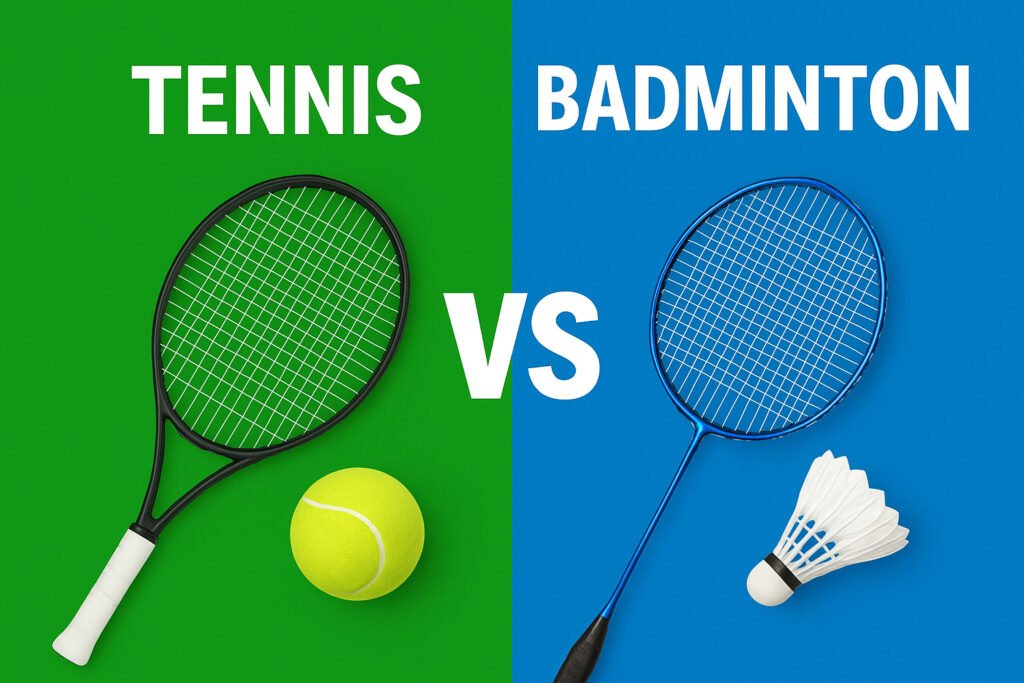
Tennis vs Badminton: Key Differences, Similarities, Rules & Complete Comparison Guide

When it comes to racket sports, Tennis vs Badminton is one of the most searched and debated comparisons. Both sports are fast-paced, strategic, and physically demanding—but they differ significantly in rules, court size, equipment, scoring, pace, fitness requirements, and learning difficulty. If you’re confused about which sport is better for fitness, beginners, kids, or professional growth, this complete comparison guide will help you make the right choice. Overview: Tennis vs Badminton Tennis uses a larger court, a heavier racket, and a bouncy felt ball, while badminton uses a lightweight racket and a shuttlecock that travels significantly faster. Tennis rallies are powerful and endurance-based, whereas badminton rallies are quick, agile, and explosive. Factor Tennis Badminton Court Size 23.77m × 8.23m (Singles) 13.4m × 5.18m (Singles) Equipment Heavy racket & ball Light racket & shuttle Rally Speed Medium to fast Very fast (shuttle >400 km/h impact speed) Physical Demand Strength + endurance Agility + reflexes Game Duration Long (1–3 hours) Short (40–60 min) Best For Endurance athletes Speed & agility lovers Court Size & Playing Environment Tennis Court Badminton Court Winner (Space): Badminton (needs less space)Winner (Variety): Tennis (multiple surfaces) Equipment Differences Tennis Equipment Badminton Equipment Impact on gameplay:Tennis rackets generate more power; badminton rackets enable faster wrist-based shots. Scoring System: Tennis vs Badminton Tennis Scoring Badminton Scoring Winner (Simple System): Badminton Speed & Intensity Tennis Badminton Winner (Speed): BadmintonWinner (Power): Tennis Physical Fitness Requirements Tennis Fitness Needs Badminton Fitness Needs Which burns more calories? Conclusion: Tennis burns slightly more calories over long duration. Learning Difficulty Badminton Tennis Winner (Beginner-Friendly): Badminton Injury Risks & Safety Common Tennis Injuries Common Badminton Injuries Verdict: Badminton → fewer long-term injuriesTennis → more joint load due to heavy ball impact and court size Cost Comparison Tennis Cost Badminton Cost Winner (Budget-Friendly): Badminton Popularity & Global Recognition Tennis Badminton Winner (Worldwide Fame): Tennis Which Sport Should You Choose? Choose Tennis if you want: Choose Badminton if you want: Tennis vs Badminton: Summary Table Feature Tennis Badminton Better In Court Size Large Small Tennis Pace Power-based Fast & explosive Badminton Scoring Complex Simple Badminton Equipment Heavy Light Badminton Endurance High Moderate Tennis Learning Curve Hard Easy Badminton Popularity Very high High Tennis Injury Risk Moderate-high Low-moderate Badminton Singles vs Doubles: Tennis vs Badminton Both sports offer singles and doubles formats, but how they differ is interesting. Tennis Singles Tennis Doubles Badminton Singles Badminton Doubles Expert Verdict: Training & Skill Development Tennis Training Tennis training focuses on: Training is longer and demanding because strokes are heavier and more technical. Badminton Training Badminton training focuses on: Training is shorter but extremely intense due to rapid movements. Popularity Breakdown By Country Tennis Popularity Regions Badminton Popularity Regions This affects accessibility and coaching availability depending on your location. Final Summary Table: Complete Comparison Category Tennis Badminton Court Size Bigger Compact Pace Power-oriented Extremely fast Equipment Heavy Light Cost Higher Affordable Learning Curve Harder Easier Injuries Moderate Low Professional Career Highly paid Popular in Asia Beginner Suitability Medium High Fitness Type Strength + Endurance Agility + Reflex Conclusion: Tennis vs Badminton – Which One Wins? There’s no absolute winner.Tennis wins in power, endurance, popularity, and outdoor excitement.Badminton wins in speed, agility, technique simplicity, and affordability. Choose the sport that aligns with your personal fitness goals, space availability, and playing style.


EPDM vs PU Flooring
EPDM vs PU Flooring

EPDM vs PU Flooring: Which Sports Flooring Is Better? (Complete Comparison Guide)

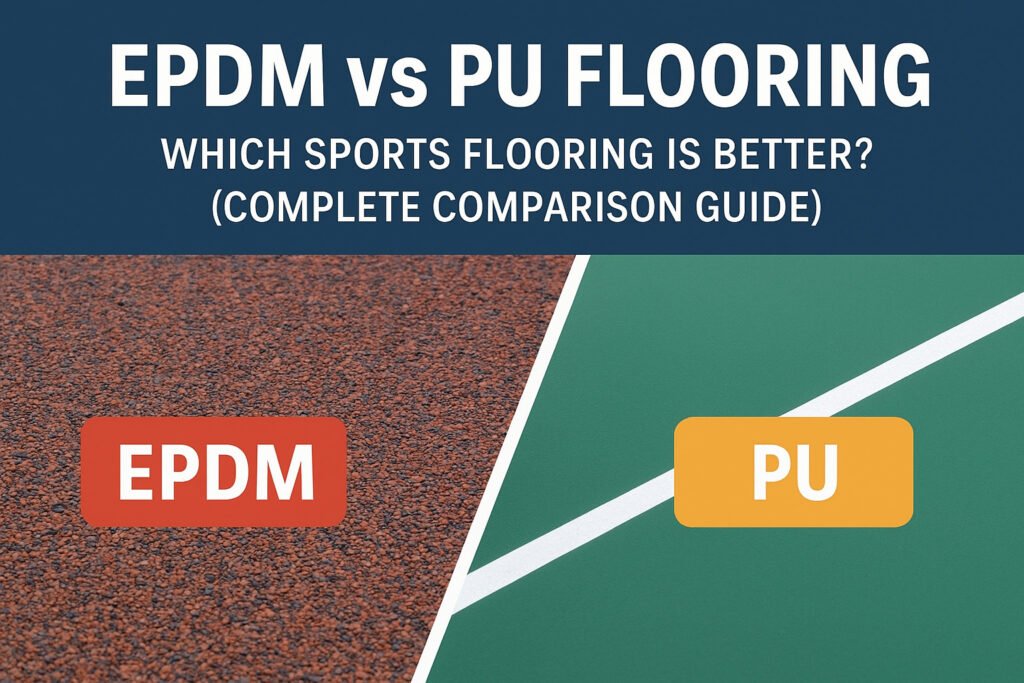
When choosing the right sports flooring, EPDM flooring and PU (Polyurethane) flooring are the two most preferred options across India. Both offer durability, safety, and excellent performance—but each has its own advantages depending on the sport, budget, and usage environment. This complete guide compares EPDM vs PU flooring based on features, durability, cost, installation, maintenance, and best uses, helping you make the best decision for your sports facility. What Is EPDM Flooring? EPDM (Ethylene Propylene Diene Monomer) is a high-quality synthetic rubber flooring used in: It is known for its impact absorption, UV resistance, and anti-slip properties. What Is PU Flooring? PU (Polyurethane) sports flooring is a seamless, cushioned, multi-layer system commonly used for: PU floors provide excellent ball bounce, shock absorption, and professional-level performance. EPDM vs PU Flooring: Quick Comparison Table Feature EPDM Flooring PU Flooring Material Rubber granules + binder Polyurethane liquid system Best For Outdoors, playgrounds, gyms Indoor sports courts Shock Absorption Very high High to medium UV Resistance Excellent Moderate Durability 8–12 years 10–15 years Maintenance Low Moderate Ball Bounce Low High Custom Designs Easy (color mix, shapes) Limited Cost Medium Medium to High Installation Granule spreading + binder Multi-layer liquid coating EPDM Flooring: Advantages & Disadvantages Advantages ✔ High slip resistance✔ UV & weather resistant✔ Perfect for outdoor conditions✔ Soft & safe for kids✔ Long-lasting color✔ Customizable designs Disadvantages ✘ Not great for sports requiring ball bounce✘ Surface can heat up in harsh summers✘ Requires skilled installation for best results PU Flooring: Advantages & Disadvantages Advantages ✔ Seamless professional sports flooring✔ Excellent ball rebound✔ Strong shock absorption✔ Comfortable for athletes✔ Ideal for indoor sports facilities Disadvantages ✘ Not suitable for outdoor use✘ Slightly higher cost✘ Repairs can be expensive✘ Sensitive to moisture during installation EPDM vs PU Flooring: Cost in India Prices vary depending on thickness, brand, and project size. Flooring Type Approx Cost (per sq. ft.) EPDM Flooring ₹200 – ₹450 PU Flooring ₹250 – ₹600 PU is slightly higher due to multi-layer application. Which One Should You Choose? Choose EPDM if: Choose PU if: EPDM vs PU Flooring: Best Use Cases EPDM Flooring — Ideal For PU Flooring — Ideal For Final Verdict: EPDM or PU? Both EPDM and PU flooring are excellent choices—but for different purposes. Choose based on your project type, sport requirements, and budget.

Pickleball Accessories

Must-Have Pickleball Accessories: What to Buy & Why It Matters

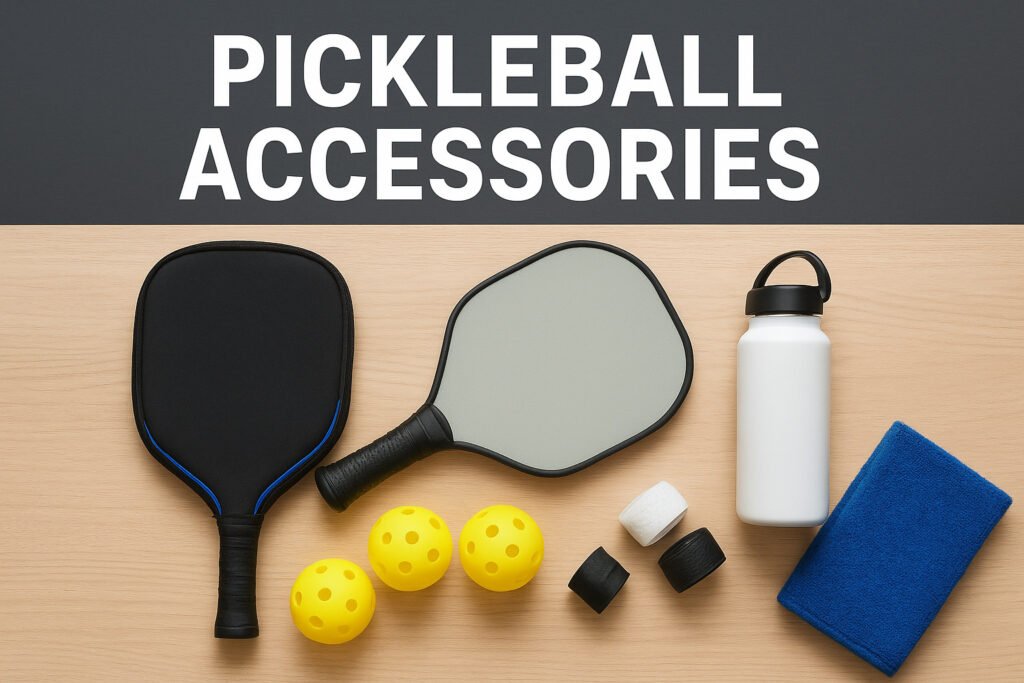
Pickleball is one of the fastest-growing sports in the world, and having the right accessories can significantly improve your performance, comfort, and overall playing experience. Whether you’re a beginner, intermediate player, or seasoned pro, choosing the best pickleball accessories can make a noticeable difference on the court. This complete guide covers must-have pickleball accessories, court equipment, training tools, player gear, and more to help you stay prepared and game-ready. What Are Pickleball Accessories? Pickleball accessories include essential and optional gear used to enhance gameplay, improve performance, ensure safety, store equipment, and maintain the pickleball court. These items support both casual and competitive players by offering better comfort, organization, and efficiency during matches and practice sessions. Essential Pickleball Accessories (Must-Have Items) Pickleball Paddle Cover/Case Protects your paddle from scratches, sun damage, and moisture. A padded case is ideal for long-term use. ✔ Pickleball Balls (Indoor & Outdoor) ✔ Overgrips & Replacement Grips Improve paddle grip, reduce slippage, and enhance control—especially during long matches. ✔ Water Bottle or Hydration Pack Hydration is crucial, especially for outdoor play. Opt for insulated bottles to keep drinks cold. ✔ Pickleball Towel Useful for wiping sweat, cleaning paddles, or drying hands for a better grip. Pickleball Court Accessories Portable Pickleball Net System If you’re setting up your own court, a USAPA-regulation portable net is a must.Look for: ✔ Court Line Tape or Boundary Markers Ideal for creating a temporary pickleball court in driveways, gyms, or parking lots.Choose non-slip, weather-resistant marking tape. ✔ Scoreboard / Scorekeeper Helps players keep track of scores during friendly matches or tournaments. ✔ Ball Retriever or Hopper Collects multiple balls quickly—perfect for coaches and group training sessions. Player Gear & Wearable Pickleball Accessories Pickleball Shoes Pickleball-specific shoes offer: Court shoes designed for tennis or volleyball also work well. ✔ Apparel (T-Shirts, Tanks, Shorts, Skorts) Choose breathable, moisture-wicking, and lightweight materials to stay cool. ✔ Compression Sleeves Reduces fatigue and enhances muscle stability in forearms, elbows, and knees. ✔ Hats, Visors & Sunglasses Protects you from sun glare, improves visibility, and enhances comfort during outdoor games. ✔ Wristbands & Headbands Help manage sweat and maintain grip while playing. Pickleball Bags & Storage Essentials Pickleball Backpack Includes dedicated compartments for paddles, balls, shoes, and water bottles. ✔ Duffle Bag Great for players carrying multiple paddles and accessories. ✔ Rolling Gear Bag Used by competitive players with larger equipment loads. ✔ Paddle Holders / Wall Racks Organize your home training area while protecting your gear. Training & Performance Pickleball Accessories Ball Machine A portable pickleball ball machine helps improve: Ideal for solo practice. ✔ Resistance Bands Used for strength training, shoulder warm-ups, and building mobility. ✔ Agility Ladder & Cones Enhance footwork, balance, and on-court movement. ✔ Swing Trainer / Arm Guide Perfects paddle positioning and swing mechanics. Pickleball Safety Accessories Knee Braces Supports joints and reduces injury risks. ✔ Ankle Braces Prevent sprains, especially during fast lateral movements. ✔ Sun Protection Advanced Pickleball Accessories for Competitive Players Paddle Lead Tape Customizes paddle weight and balance to boost power or control. ✔ Vibration Dampeners Reduces shock and improves paddle feel—great for players with wrist or elbow issues. ✔ Smart Sensors Attach to the paddle to track swing speed, shot accuracy, and gameplay analytics. Tips for Choosing the Best Pickleball Accessories Conclusion Pickleball accessories can significantly enhance your overall playing experience—whether you’re optimizing performance, organizing your gear, or upgrading your court. Invest in high-quality, durable items that match your playing style and skill level. From essential gear like balls and paddle covers to advanced tools like ball machines and smart sensors, the right accessories will keep you comfortable, confident, and game-ready every time you step on the court.

sports infrastructure companies in india​
Top Sports Infrastructure Companies in India

Top Sports Infrastructure Companies in India

India’s sports ecosystem is growing rapidly, with government initiatives, private academies, and real estate developers investing heavily in world-class facilities. This boom has increased the demand for sports infrastructure companies in India that can design, build, and maintain modern sports venues, courin ts, and multi-sport complexes. Whether you’re a school, college, sports academy, government institution, real estate developer, or sports facility owner—choosing the right company is crucial for durability, safety, and long-term performance. This guide lists the best sports infrastructure companies in India, their services, strengths, and why they are trusted across the country. Sports Flooring & Court Construction Specialists These companies specialize in building outdoor and indoor sports courts for schools, clubs, academies, real estate developers, and government institutions. Key Services Who This Is Best For These companies focus on durability, grip, consistent bounce, and weather resistance. Artificial Turf & Outdoor Ground Specialists These companies offer high-quality artificial turf systems for football, cricket, hockey, and multipurpose fields. Key Services Who This Is Best For These providers deliver FIFA and FIH–compliant turf for professional performance and long-term usage. Institutional Sports Facility Developers These companies focus on building complete sports facilities for schools, colleges, universities, and government organizations. Key Services Who This Is Best For Their expertise lies in large-scale, multi-sport installations with continuity of maintenance. Indoor Sports Flooring & Hall Setup Providers These companies deliver specialized indoor sports flooring systems suitable for badminton halls, gyms, arenas, and recreation centers. Key Services Who This Is Best For They aim for shock absorption, long-term durability, and athlete safety. Turnkey Multi-Sport Facility Builders These providers offer fully integrated end-to-end solutions across various sports categories. Key Services Who This Is Best For They specialize in concept-to-completion execution with long-term facility management. How to Choose the Best Sports Infrastructure Partner Choosing the right company requires evaluating a few crucial factors: ✔ 1. Material Quality & Certifications Look for: ✔ 2. Experience & Portfolio Check if they have handled: ✔ 3. Installation Expertise A professional installation team ensures: ✔ 4. Warranty & After-Sales Support Good companies offer 3–5 year warranties plus resurfacing and maintenance options. ✔ 5. PAN-India Service Capability Nationwide coverage ensures quick delivery and uniform quality. ✔ 6. Custom Design Options Every facility is unique—your provider should offer layout planning and custom color options. Types of Sports Facilities Commonly Built in India Outdoor Sports Facilities Indoor Sports Facilities Recreational Facilities Pacecourt – India’s Leading Sports Flooring & Court Construction Company Website: pacecourt.com Pacecourt is one of the fastest-growing and most reliable sports infrastructure companies in India, known for manufacturing its own acrylic sports flooring and delivering turnkey court construction solutions. Why Pacecourt Leads the Industry Services Popular Court Types Why Choose Pacecourt Pacecourt is ideal for schools, academies, clubs, and private builders who want long-lasting, safe, and premium-quality sports courts with minimal maintenance.

Scroll to Top
HOMEOWNERS
BUSINESS OWNERS
ARCHITECTS
MUNICIPALITIES

Acrylic Flooring

Get 10% off on sports flooring materials

ITF-certified acrylic flooring for Tennis, Basketball, Badminton, Pickleball & more shipped worldwide.

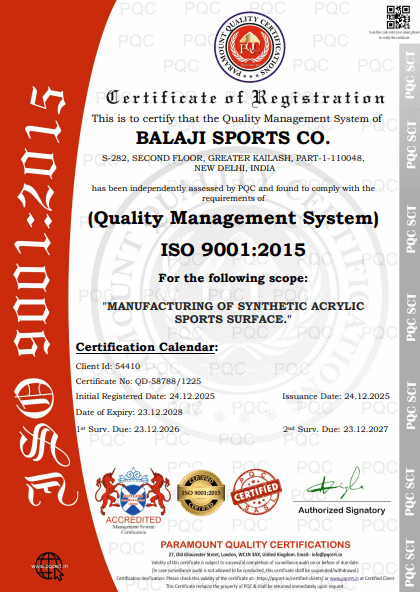
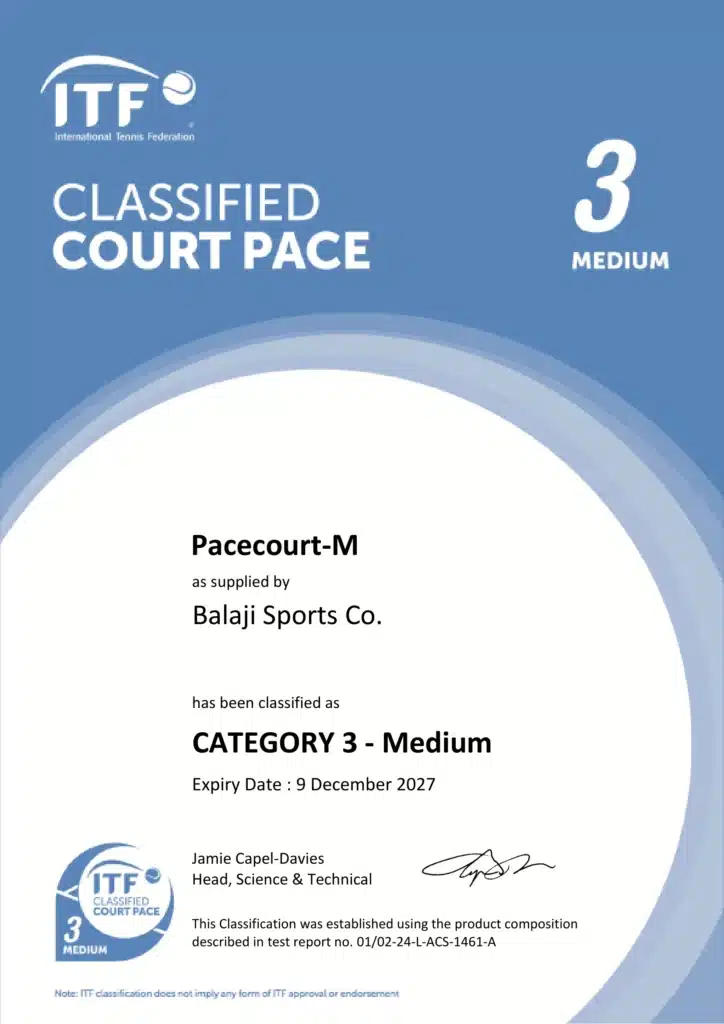
    ISO-Certificate