Sports Flooring UAE

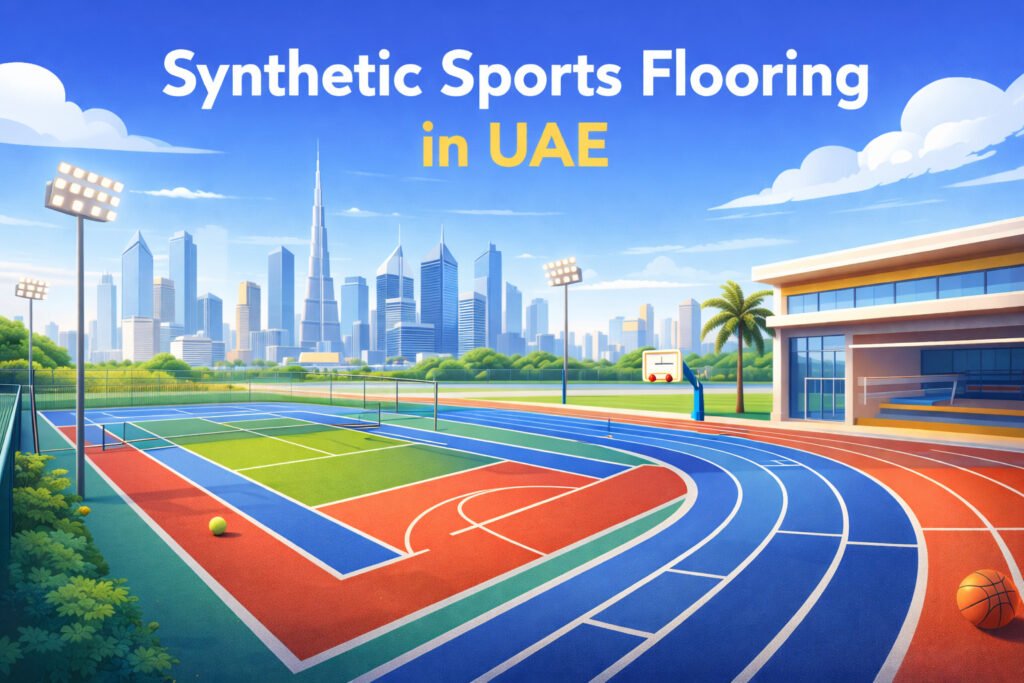
synthetic sports flooring in UAE
Sports Flooring UAE

Synthetic Sports Flooring in UAE: The Complete Guide

The UAE has always been a place where ambition meets innovation. From towering skyscrapers to world-class sports infrastructure, the country doesn’t do things halfway. When it comes to athletic facilities, synthetic sports flooring in UAE has become the gold standard. Whether you’re stepping into a school gym in Sharjah, a professional sports complex in Dubai, or a community playground in Abu Dhabi, chances are the surface beneath your feet is synthetic—and for good reason. Synthetic sports flooring isn’t just about aesthetics. It’s about performance, safety, durability, and long-term value. In a country known for extreme temperatures, sand, humidity, and heavy usage, traditional sports surfaces simply can’t keep up. Synthetic solutions, on the other hand, are engineered to thrive in these conditions. They offer consistent performance, minimal maintenance, and adaptability across a wide range of sports. In this guide, we’re going deep. We’ll explore what synthetic sports flooring really is, why it dominates the UAE market, the types available, benefits, costs, installation, maintenance, and future trends. If you’re a facility owner, school administrator, sports enthusiast, or investor, this article will give you clarity—no fluff, just real insight. Understanding Synthetic Sports Flooring What Is Synthetic Sports Flooring? At its core, synthetic sports flooring refers to man-made surface systems specifically designed for athletic activities. Unlike natural grass, clay, or wooden surfaces, these floors are engineered using advanced materials like polyurethane, PVC, rubber, acrylic, and synthetic fibers. Each layer is carefully designed to serve a purpose—shock absorption, grip, durability, and comfort. Think of synthetic flooring like a high-performance running shoe. Every component works together to protect the athlete while enhancing performance. The base layer provides stability, the middle layers absorb impact, and the top layer offers traction and wear resistance. This layered construction is what makes synthetic sports flooring so reliable, especially in demanding environments like the UAE. In the UAE, synthetic sports flooring is used across indoor and outdoor facilities. From basketball courts and gym floors to football fields and jogging tracks, these surfaces are tailored to meet international sports standards. They’re not just surfaces; they’re performance platforms designed to reduce injuries and improve gameplay. Why Synthetic Flooring Is Replacing Traditional Surfaces Traditional sports surfaces have charm, but charm doesn’t survive 45°C heat, sandstorms, and year-round usage. Natural grass requires constant watering, trimming, and repair—luxuries that aren’t always practical in the UAE. Wooden floors warp under humidity. Clay courts crack under intense heat. Synthetic sports flooring solves these problems. It’s weather-resistant, durable, and requires significantly less maintenance. Facility managers no longer have to worry about daily upkeep or seasonal damage. Athletes get a consistent playing surface every time they step onto the court or field. Another big reason for the shift is safety. Synthetic floors are designed to absorb shock and reduce strain on joints. This is crucial for schools, training academies, and professional venues where injury prevention is a top priority. Add to that customization options, vibrant colors, and branding possibilities, and it’s easy to see why synthetic flooring has taken over the UAE sports industry. Evolution of Sports Flooring in the UAE Early Sports Surfaces in the Region Before the UAE became a global hub for sports and entertainment, athletic facilities were fairly basic. Early sports surfaces relied heavily on natural materials—sand courts, basic grass fields, and concrete playgrounds. While functional, these surfaces offered little in terms of safety or performance optimization. Concrete, in particular, was widely used due to its low cost and availability. But anyone who has played sports on concrete knows how unforgiving it can be. Injuries were common, surfaces cracked easily, and maintenance was a constant challenge. As the UAE’s population grew and sports participation increased, the limitations of these traditional surfaces became impossible to ignore. The turning point came when the country began hosting international tournaments and investing heavily in sports infrastructure. Global standards demanded better surfaces—ones that could support high-level performance while ensuring athlete safety. This demand paved the way for synthetic sports flooring solutions. Rise of Synthetic Sports Flooring in Modern UAE Fast forward to today, and synthetic sports flooring is everywhere in the UAE. The government’s push for healthy lifestyles, school sports programs, and international sporting events has fueled massive investment in modern facilities. Synthetic flooring became the obvious choice due to its reliability and long-term value. Dubai, Abu Dhabi, and Sharjah now boast world-class indoor arenas, Olympic-standard running tracks, and FIFA-approved football fields—all featuring synthetic surfaces. Schools and universities followed suit, recognizing the benefits of safe, low-maintenance sports flooring for students. What truly accelerated adoption was innovation. Modern synthetic flooring systems are no longer one-size-fits-all. They’re customized for specific sports, usage levels, and environmental conditions. In a country that values excellence and efficiency, synthetic sports flooring fits perfectly into the UAE’s vision. Types of Synthetic Sports Flooring Used in UAE Polyurethane (PU) Sports Flooring Polyurethane sports flooring is one of the most popular choices in the UAE, especially for indoor sports facilities. PU flooring is seamless, flexible, and highly durable. It’s commonly used in basketball courts, volleyball halls, gyms, and multipurpose sports arenas. One of the standout features of PU flooring is its shock absorption capability. It reduces stress on athletes’ joints, making it ideal for high-impact sports. In the UAE, where indoor sports facilities often operate year-round, PU flooring offers long-lasting performance without cracking or peeling. Another advantage is hygiene. PU floors are easy to clean and resistant to moisture, bacteria, and dust—an important factor in shared sports spaces. Add customizable colors and line markings, and PU flooring becomes both functional and visually appealing. PVC / Vinyl Sports Flooring PVC sports flooring, also known as vinyl sports flooring, is widely used in indoor courts across the UAE. It comes in roll or tile form and is known for its excellent grip, comfort, and durability. This type of flooring is commonly found in badminton courts, table tennis halls, and school gyms. PVC flooring performs exceptionally well in controlled indoor environments. It provides consistent ball bounce, slip resistance, and cushioning. For schools

Sports Flooring UAE
Sports Flooring UAE

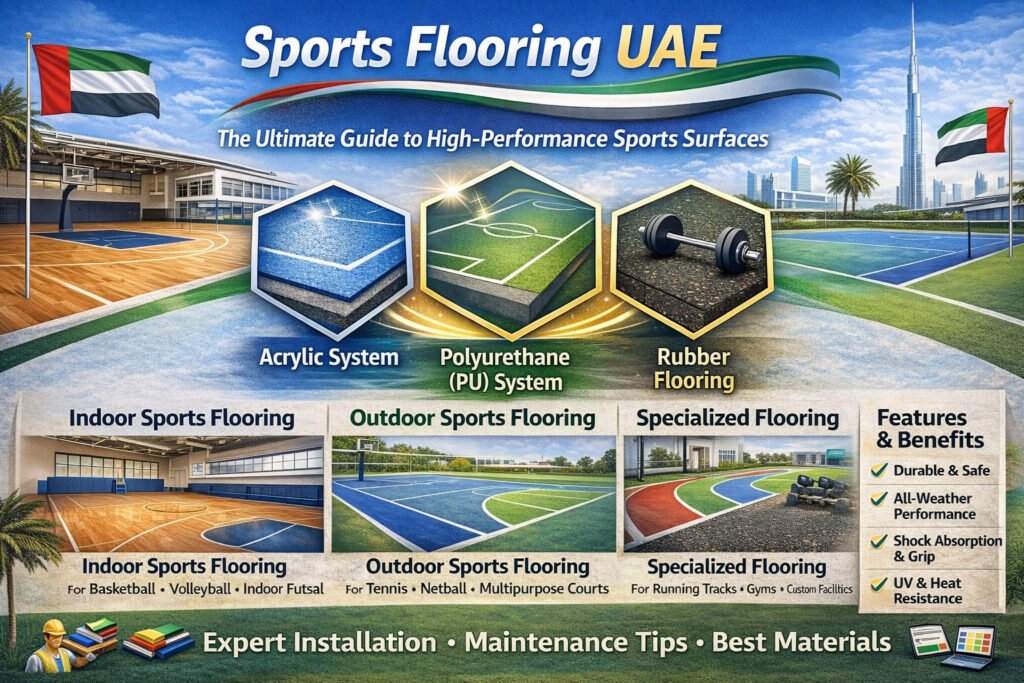
Sports Flooring UAE: The Ultimate Guide to High-Performance Sports Surfaces

Walk into any modern sports facility in the UAE and one thing becomes instantly clear—the floor is doing far more work than just sitting there. From professional arenas in Dubai to school gyms in Sharjah and outdoor courts in Abu Dhabi, sports flooring has become a critical part of athletic performance, safety, and facility reputation. The UAE’s rapid growth in sports infrastructure, fueled by international tournaments, fitness awareness, and government-backed wellness initiatives, has pushed sports flooring from an afterthought to a top priority. Unlike standard flooring, sports flooring in the UAE must handle extreme heat, heavy foot traffic, and intense athletic movement—all while meeting international standards. Think about it: a basketball player sprinting down the court, a tennis player sliding into a shot, or a gym enthusiast dropping heavy weights. The surface beneath them must absorb shock, provide grip, and reduce injury risks. In a country where temperatures can soar above 45°C, flooring materials must also resist UV damage, expansion, and wear. The UAE’s sports flooring market has matured significantly over the past decade. What once relied heavily on basic concrete or asphalt has evolved into a sophisticated industry offering advanced polyurethane systems, cushioned vinyl floors, engineered wood courts, and eco-friendly solutions. Whether it’s for a school, professional sports complex, residential community, or commercial gym, choosing the right sports flooring in the UAE is no longer optional—it’s essential. In this guide, we’ll walk through everything you need to know about sports flooring in the UAE, from types and materials to costs, standards, and future trends. If you’re planning a sports facility or upgrading an existing one, you’re in the right place. Understanding Sports Flooring Sports flooring isn’t just about aesthetics or durability—it’s about performance engineering. At its core, sports flooring is designed to support physical activity by enhancing comfort, safety, and efficiency. Unlike conventional tiles or marble floors commonly seen in UAE interiors, sports flooring systems are built with layers that serve specific purposes, such as shock absorption, energy return, and slip resistance. One of the biggest differences between regular flooring and sports flooring lies in impact management. When athletes jump, run, or fall, the floor must absorb and redistribute impact forces to reduce stress on joints and muscles. This is especially important in high-impact sports like basketball, volleyball, and indoor football. A poorly designed surface can increase the risk of injuries such as shin splints, knee pain, and ankle sprains. Another defining feature of sports flooring is traction. Too slippery, and athletes lose control. Too rough, and movement becomes restricted. Sports flooring in the UAE is carefully engineered to strike the perfect balance, allowing quick directional changes without compromising stability. This is particularly crucial in indoor, air-conditioned environments where humidity levels can fluctuate. Acoustics also play a role, especially in indoor facilities. Sports flooring materials often include sound-dampening layers that reduce noise caused by footsteps, bouncing balls, and equipment. This makes the environment more comfortable for both athletes and spectators. In short, sports flooring is a silent partner in athletic performance. It works behind the scenes, ensuring every movement feels natural, safe, and responsive—something that becomes even more critical in the demanding climate of the UAE. Evolution of Sports Flooring in the UAE The journey of sports flooring in the UAE mirrors the country’s rapid development. In the early days, sports facilities were functional but basic. Outdoor courts were often simple asphalt surfaces, while indoor spaces relied on concrete or generic tiles with minimal cushioning. These surfaces served their purpose but offered little in terms of athlete safety or performance optimization. As the UAE began hosting international sporting events and investing heavily in sports academies, the need for world-class facilities became apparent. Imported sports flooring systems from Europe and North America started making their way into the market. Wooden basketball courts, acrylic tennis surfaces, and polyurethane running tracks became more common, especially in professional venues. Over time, local expertise grew. UAE-based suppliers and installers began specializing in sports flooring, adapting international technologies to suit regional conditions. Materials were modified to withstand extreme heat, UV exposure, and sand infiltration—challenges unique to the Gulf region. This localization played a major role in improving the lifespan and performance of sports floors. Today, the UAE boasts some of the most advanced sports flooring installations in the Middle East. From Olympic-standard courts to multi-purpose community facilities, the evolution has been remarkable. The focus has shifted from merely building sports spaces to creating environments that enhance performance, reduce injuries, and reflect the UAE’s commitment to excellence. Types of Sports Flooring Available in the UAE Indoor Sports Flooring Indoor sports facilities dominate the UAE landscape, thanks to the hot climate that makes air-conditioned environments more practical for year-round use. Indoor sports flooring systems are designed to deliver consistent performance regardless of external weather conditions, making them ideal for schools, universities, gyms, and professional arenas. Indoor sports flooring typically prioritizes shock absorption, surface uniformity, and aesthetic appeal. These floors often consist of multiple layers, including a base mat, shock-absorbing layer, and wear-resistant top surface. The choice of material depends on the sport, usage intensity, and budget. Wooden Sports Flooring Wooden sports flooring, especially maple hardwood, is considered the gold standard for indoor courts. Commonly used in basketball, volleyball, and badminton courts across the UAE, these floors offer excellent ball bounce, natural grip, and superior energy return. Athletes often describe playing on wood as “alive” because of how responsive it feels underfoot. In the UAE, engineered wooden flooring systems are preferred over solid wood. These systems are designed to handle temperature fluctuations and humidity changes without warping. Advanced subfloor systems enhance shock absorption, reducing strain on athletes’ joints. While wooden sports flooring requires a higher initial investment, its performance and prestige make it a popular choice for professional venues. PVC and Vinyl Sports Flooring PVC and vinyl sports flooring have gained massive popularity in the UAE due to their versatility and cost-effectiveness. These floors are commonly used in school gyms, fitness studios, indoor courts, and multipurpose halls.

Scroll to Top
ISO-Certificate

Get 10% Off – Fill the Form Now

Hours
Minutes
Seconds