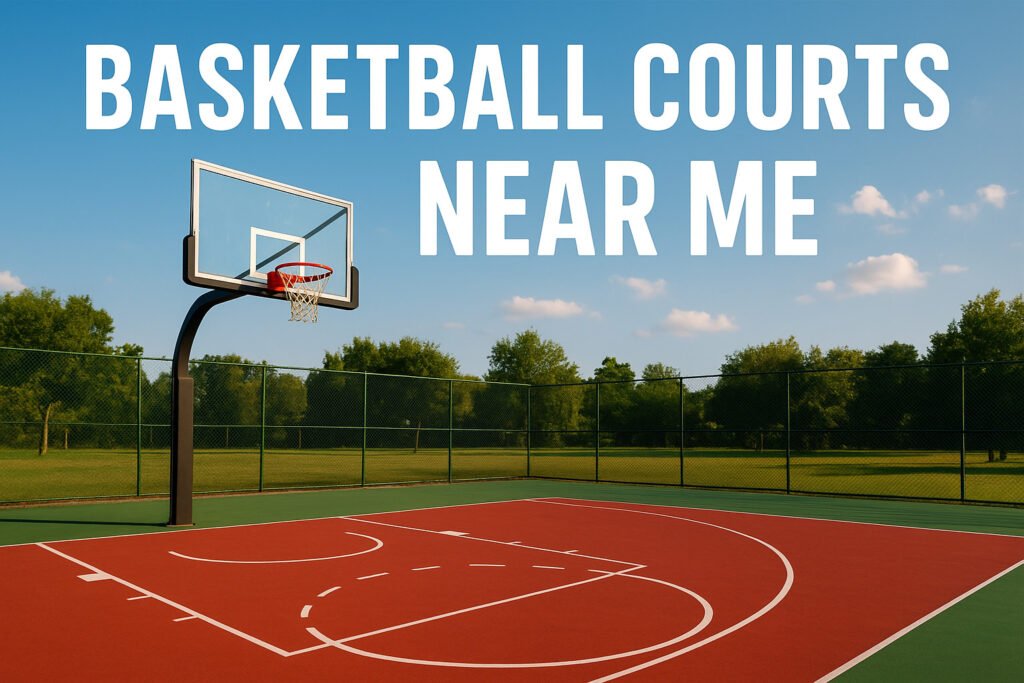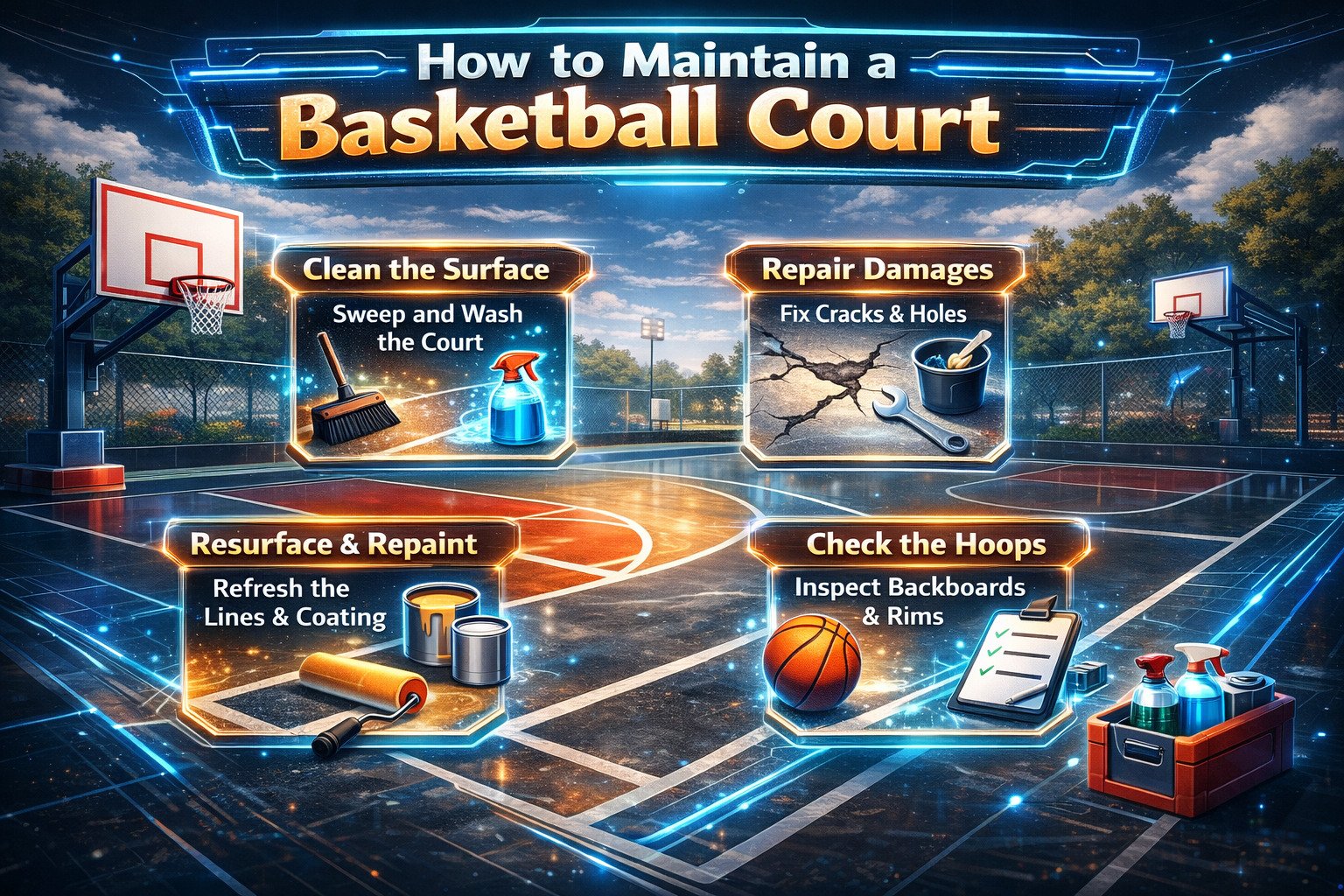
A basketball court isn’t just a slab of concrete or a shiny wooden floor with painted lines—it’s the heart of competition, community, and countless memories. Understanding How to Maintain a Basketball Court is essential if you want to preserve that heart for years to come. Whether it’s a school gym packed with cheering fans or a neighborhood outdoor court where pickup games never seem to end, the condition of the court directly affects how the game feels. Have you ever tried playing on a dusty floor where your sneakers slide like you’re on ice? Or on a cracked outdoor court where the ball bounces unpredictably? It’s frustrating—and more importantly, it’s dangerous.
Maintaining a basketball court isn’t just about keeping it looking good. It’s about safety, performance, durability, and saving money in the long run. A well-maintained court provides consistent ball bounce, proper grip, and reduces injury risks. On the other hand, neglect leads to warped wood, widening cracks, faded lines, rusted rims, and eventually, expensive renovations.
Think of your basketball court like a car. If you change the oil regularly and fix small issues early, it runs smoothly for years. Ignore it, and one day you’re stuck with a major repair bill. The same logic applies here.
In this complete guide, we’ll walk step-by-step through everything you need to know about maintaining a basketball court—indoor or outdoor. From daily cleaning routines to resurfacing strategies, from crack repair to budgeting, this guide covers it all in practical, real-world terms you can actually use.
Let’s start with understanding what type of court you’re dealing with—because maintenance always begins with knowing your surface.
Understanding Different Types of Basketball Courts

Before grabbing a broom or pressure washer, you need to know what kind of court you’re working with. Not all basketball courts are created equal, and maintaining a hardwood indoor floor is vastly different from caring for an outdoor asphalt surface. Treating them the same way can cause serious damage.
Indoor Hardwood Courts
Indoor courts are typically made of maple hardwood, prized for its durability and consistent bounce. These courts have a protective polyurethane finish that provides shine and grip. However, they are extremely sensitive to moisture. Even small amounts of water can seep into the wood, causing warping, cupping, or swelling.
Humidity levels also play a major role. Too much moisture in the air? The wood expands. Too little? It contracts and cracks. That’s why climate control is critical in gyms.
Outdoor Concrete Courts
Concrete courts are tough and long-lasting, but they’re not indestructible. Weather is their biggest enemy. Rainwater can seep into small pores and freeze during winter, causing expansion and cracking. UV rays can fade paint and weaken surface coatings.
Asphalt Courts
Asphalt provides a slightly softer surface than concrete, but it requires more frequent maintenance. It’s more susceptible to cracking, potholes, and surface breakdown over time, especially in hot climates.
Synthetic and Modular Tile Courts
These are becoming increasingly popular. Made of interlocking plastic tiles or rubberized surfaces, they offer better shock absorption. Maintenance is easier, but tiles can loosen or shift if not regularly inspected.
Understanding your court type is step one. Maintenance strategies depend entirely on what lies beneath your feet.
Why Regular Maintenance Is Non-Negotiable
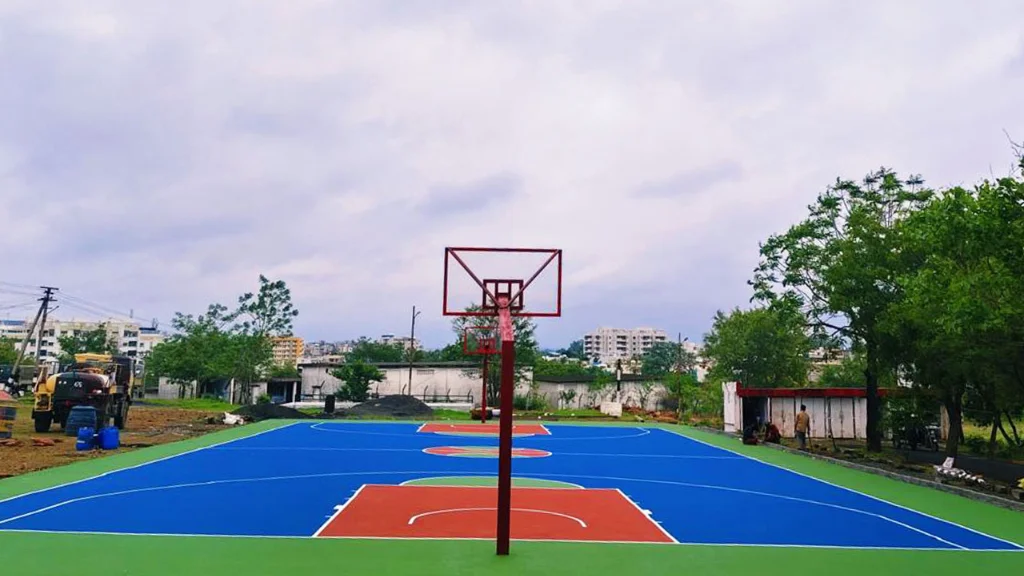
You might think, “It’s just a court. How bad can it get?” The answer: very bad, very fast. Skipping routine maintenance is like ignoring a leaky roof—it might seem minor at first, but it compounds quickly.
Player Safety Concerns
Safety should always come first. Dusty indoor floors reduce traction, increasing the risk of slips and ankle injuries. Outdoor cracks can trip players mid-sprint. Loose rims or unstable backboards can cause catastrophic accidents.
Small issues become hazards. A minor crack today can become a twisted ankle tomorrow. Regular maintenance minimizes these risks dramatically.
Performance and Game Quality
Basketball is a precision sport. Dribbling, passing, cutting—everything depends on reliable surface response. If the ball doesn’t bounce consistently because of surface damage, the entire game changes. It’s like trying to play soccer on a field full of potholes.
Clean courts also improve grip. Players can pivot, stop, and explode with confidence. That consistency matters whether you’re hosting a competitive tournament or just enjoying weekend games.
Long-Term Cost Savings
Here’s the financial truth: preventive maintenance costs far less than full resurfacing or reconstruction. Filling small cracks costs a fraction of replacing an entire court. Regular cleaning protects protective coatings, extending the life of your investment.
Think of maintenance as insurance. You’re protecting thousands—sometimes hundreds of thousands—of dollars in infrastructure. Skipping routine care almost always leads to larger expenses down the line.
In short, regular maintenance isn’t optional. It’s the foundation of safety, performance, and smart budgeting.
Daily Basketball Court Maintenance Routine
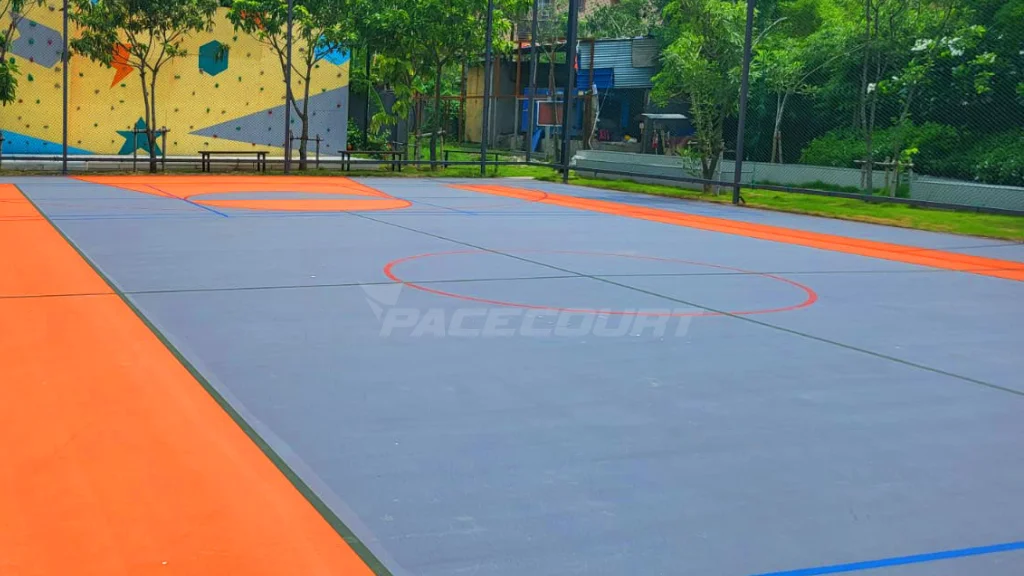
Daily maintenance might sound excessive, but it’s actually simple—and incredibly effective. Just a small amount of attention each day can prevent long-term damage.
Sweeping and Dust Removal
Dust is the silent enemy of basketball courts, especially indoor hardwood. Every shoe that steps onto the floor brings dirt particles. Over time, those particles act like sandpaper, wearing down the protective finish.
Use a microfiber dust mop daily. Avoid traditional brooms that simply push dust into the air. Microfiber traps particles effectively without scratching the surface.
Outdoor courts should also be cleared of debris—leaves, small rocks, and trash. These not only affect ball bounce but can also stain surfaces if left too long.
Spot Cleaning Spills Immediately
Spilled water bottles, sports drinks, or rainwater tracked indoors must be cleaned immediately. Liquids left sitting on hardwood can seep into seams and cause swelling.
Use a slightly damp mop with a manufacturer-approved cleaner. Never soak the floor. When it comes to hardwood, less water is always better.
Inspecting for Damage
Take five minutes daily to visually inspect the surface. Look for:
- Small cracks
- Peeling paint
- Loose tiles
- Moisture buildup
- Worn-out nets or loose rims
Catching issues early prevents them from growing into expensive problems.
Daily maintenance isn’t complicated—it’s about consistency. Like brushing your teeth, it’s a small daily habit that prevents major future headaches.
Weekly Maintenance Checklist
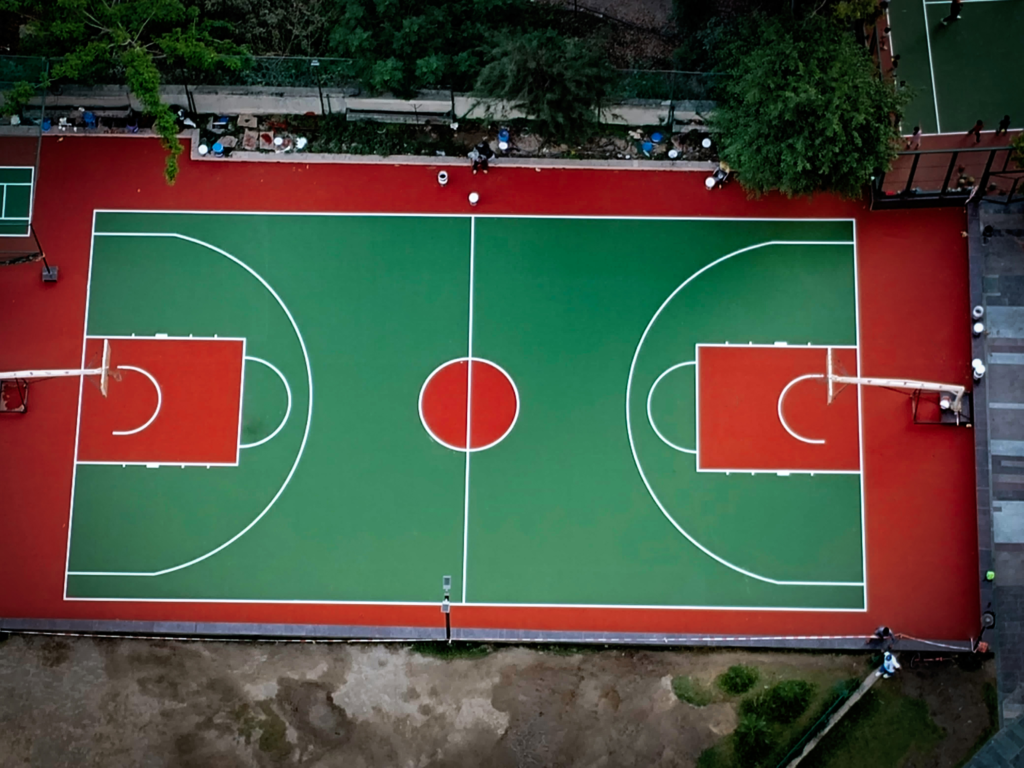
Daily care keeps the surface playable, but weekly maintenance is where you start protecting the long-term integrity of the court. Think of it as a deeper reset. You’re not just removing visible dirt—you’re preserving structure, grip, and durability.
Deep Cleaning Procedures
For indoor hardwood courts, a weekly deep clean is essential. Use an auto-scrubber designed specifically for wood sports flooring or a damp (not wet) microfiber mop paired with a pH-neutral cleaner approved by the floor manufacturer. Avoid household cleaners—they often leave residue that makes floors slippery or dulls the finish.
Work in sections. Clean methodically. Never flood the surface. Water is hardwood’s worst enemy. After cleaning, allow proper drying time before use.
For outdoor courts, weekly maintenance might include:
- Removing embedded dirt
- Brushing away algae or moss buildup
- Clearing drains
- Rinsing high-traffic areas
If debris builds up, it can stain or degrade coatings over time. A simple rinse with a hose (not necessarily pressure washing every week) helps maintain surface integrity.
Checking Lines and Markings
Game lines fade gradually, so you may not notice until they’re significantly worn. Weekly visual checks allow you to track fading before it becomes a problem. Clear markings are essential for competitive play and safety.
Look for:
- Peeling paint
- Blurred boundaries
- Discoloration
Monitoring Moisture Levels (Indoor Courts)
Humidity control is critical. Ideal indoor humidity typically sits between 35% and 50%. Too dry? Wood shrinks and cracks. Too humid? It expands and warps.
Use a hygrometer to monitor levels weekly. Climate control systems aren’t optional luxuries—they’re protective tools.
Weekly maintenance doesn’t require hours. But it does require attention. That attention is what separates a court that lasts 5 years from one that lasts 20.
Monthly Court Inspection and Preventive Care
If daily care is brushing your teeth and weekly cleaning is a dental checkup, monthly inspections are your full health scan. This is where you look beyond surface cleanliness and inspect structural elements.
Surface Crack Inspections
Outdoor courts are especially vulnerable to cracks. Temperature changes cause expansion and contraction, slowly widening hairline fractures.
Inspect:
- Baselines
- Key areas
- Three-point arcs
- Perimeter edges
Mark cracks so you can monitor growth over time. Small cracks can be filled easily. Large ones become structural nightmares.
Indoor courts should be checked for:
- Cupping or warping
- Gaps between planks
- Finish wear in high-traffic zones
Hardware and Hoop Maintenance
Examine hoops, bolts, anchors, and backboards. Tighten loose hardware. Replace worn nets. Check rim tension.
Loose hardware isn’t just annoying—it’s dangerous.
Fence and Boundary Checks (Outdoor Courts)
If your court has fencing, inspect for:
- Rust
- Loose posts
- Broken links
Fencing protects the court surface from outside damage. Don’t ignore it.
Monthly inspections help you catch small issues early—before weather, time, and heavy play magnify them.
Seasonal Maintenance for Outdoor Courts
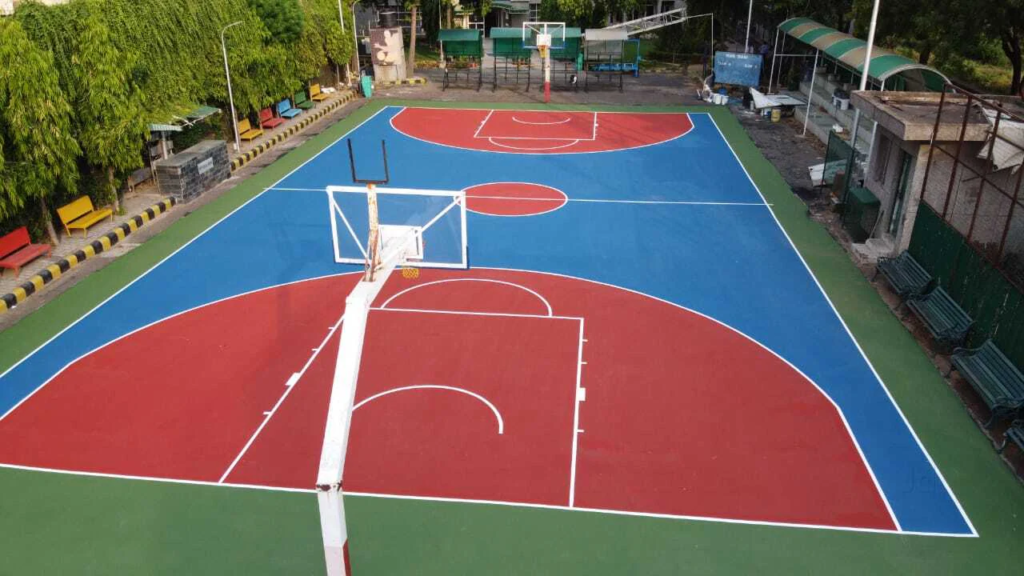
Outdoor courts live at the mercy of the elements. Each season brings its own threats.
Preparing for Summer Heat
UV rays break down coatings and fade paint. In hot climates, asphalt can soften slightly, making it more vulnerable to damage.
Consider:
- Applying UV-resistant sealers
- Inspecting for surface softening
- Cleaning regularly to prevent heat-trapping debris
Heat accelerates deterioration. Preparation slows it down.
Winter Protection Strategies
Winter is brutal on outdoor courts. Freeze-thaw cycles cause cracks to widen dramatically. Water seeps into tiny pores, freezes, expands, and breaks the surface apart.
Before winter:
- Fill cracks
- Ensure proper drainage
- Remove standing water quickly
Avoid using metal shovels for snow removal—they scrape coatings. Use rubber-edged tools instead.
Rainy Season Drainage Checks
Water pooling is a red flag. If water sits for more than 24 hours, drainage needs improvement.
Standing water leads to:
- Surface breakdown
- Mold growth
- Structural damage
Seasonal awareness protects your investment from climate stress.
How to Properly Clean an Indoor Hardwood Court
Hardwood courts are premium surfaces. Treat them like you would fine furniture—carefully and intentionally.
Choosing the Right Cleaning Products
Never use:
- Oil-based cleaners
- Ammonia products
- Generic household detergents
These damage finish and create slippery residue.
Instead, use manufacturer-approved, pH-neutral cleaners designed specifically for athletic wood flooring.
Mopping Techniques That Protect the Finish
Use microfiber mops and minimal moisture. Mop in the direction of the wood grain. Change cleaning pads frequently to avoid redistributing dirt.
Auto-scrubbers should be calibrated correctly. Too much pressure or water can damage the finish.
Avoiding Water Damage
Water damage is the number one enemy of hardwood courts. Even small puddles can seep into seams.
Best practices:
- Wipe spills immediately
- Maintain humidity control
- Never wet-mop excessively
Proper cleaning extends finish life significantly, delaying costly refinishing projects.
How to Maintain Outdoor Concrete and Asphalt Courts
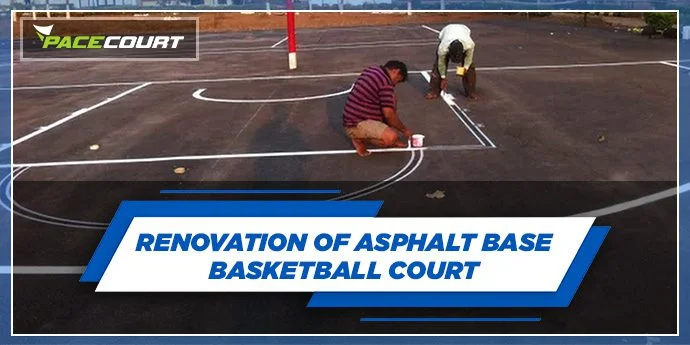
Outdoor courts require tougher maintenance strategies.
Pressure Washing Best Practices
Pressure washing is effective—but must be done correctly.
Tips:
- Use moderate pressure
- Avoid blasting paint lines directly
- Keep consistent distance
- Clean in sections
Too much pressure strips coatings. Controlled cleaning removes grime without damage.
Crack Filling and Surface Repairs
Small cracks should be filled with acrylic crack fillers. Clean the crack thoroughly before application. Allow proper curing time before reopening the court.
Early intervention prevents widening and water intrusion.
Repainting Faded Lines
Use high-quality, weather-resistant acrylic paint. Clean and dry the surface completely before painting.
Mask carefully. Precision matters.
Maintenance of outdoor courts is about vigilance. Weather never rests—and neither should your attention.
Maintaining Basketball Hoops and Equipment
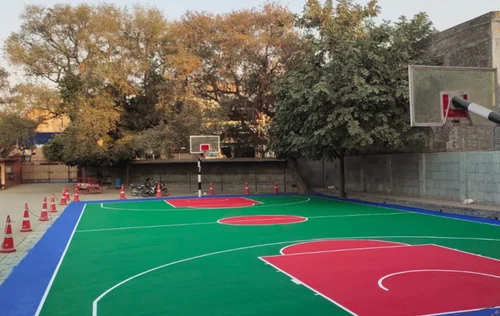
The court surface isn’t the only thing that needs care. Equipment maintenance is just as important.
Backboard Cleaning and Inspection
Clean glass or acrylic backboards regularly. Dirt buildup affects visibility and aesthetics.
Check for:
- Cracks
- Loose mounting brackets
- Rust spots
Rim and Net Replacement
Rims endure constant stress. Inspect weld points and springs. Replace worn nets promptly.
Pole and Anchor Safety Checks
Ensure poles are stable and anchors secure. Rust should be sanded and treated.
Equipment failure is preventable with routine inspections.
Resurfacing a Basketball Court
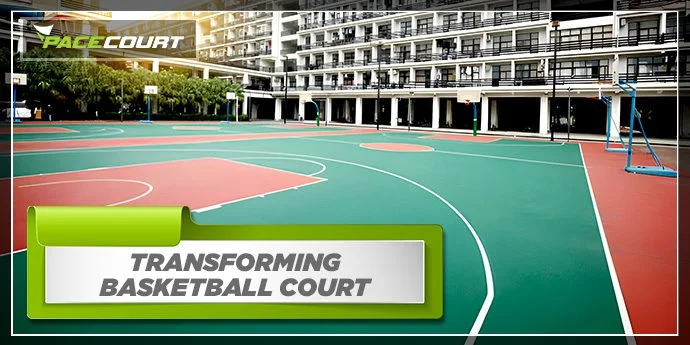
Even with excellent maintenance, resurfacing eventually becomes necessary.
Signs It’s Time to Resurface
- Extensive cracking
- Faded colors
- Uneven bounce
- Peeling coatings
Resurfacing Process Explained
Resurfacing includes:
- Cleaning and preparation
- Crack repair
- Applying new acrylic layers
- Repainting lines
Cost Considerations
Costs vary depending on size and condition. Preventive care reduces frequency.
Resurfacing isn’t failure—it’s renewal.
Conclusion
Maintaining a basketball court isn’t complicated—but it requires consistency. From daily dust removal to seasonal inspections, every small effort compounds into long-term durability. Whether indoor hardwood or outdoor asphalt, the principles remain the same: clean regularly, inspect frequently, repair early, and protect against the elements.
A well-maintained court doesn’t just look better—it plays better. It’s safer. It lasts longer. And it saves money.
Treat your court like the valuable asset it is, and it will reward you with years—sometimes decades—of reliable performance.