Sports infrastructure has evolved dramatically in India over the past decade. From school playgrounds and community courts to professional stadiums and Olympic-level arenas, sports flooring has become a critical component of athletic performance and safety. As demand for high-quality playing surfaces grows, choosing a Top Sports Flooring Manufacturer in India has become increasingly important for building reliable and durable sports facilities. When athletes step onto a court, track, or field, the surface beneath their feet plays a much bigger role than most people realize. It influences traction, comfort, shock absorption, and even the risk of injury.
Think of sports flooring like the suspension system in a car. Without it, every bump, jump, or sudden stop would transmit shock directly to the athlete’s body. Good flooring absorbs that impact, protects joints, and provides consistent grip. Whether it’s basketball, badminton, tennis, volleyball, or multi-purpose indoor sports, the right flooring ensures athletes can perform at their best.
Another important factor is longevity. Poor-quality surfaces crack, fade, or lose traction over time, which leads to higher maintenance costs and potential safety hazards. That’s why choosing a reliable sports flooring manufacturer matters just as much as selecting the type of flooring itself.
Across India, several manufacturers and suppliers now offer specialized flooring systems tailored for different sports. These companies combine advanced materials, engineering expertise, and international standards to deliver surfaces that meet professional requirements. Understanding how sports flooring works—and why it matters—is the first step toward choosing the right solution for your facility.
What Is Sports Flooring?
At its core, sports flooring refers to specially engineered surfaces designed to support athletic activities safely and efficiently. Unlike regular flooring used in homes or offices, sports floors must handle constant impact, sudden directional changes, and heavy usage without deteriorating. These surfaces are built using materials that provide shock absorption, traction, durability, and consistent ball bounce.
Imagine playing basketball on a marble floor or running on polished concrete. It would be slippery, unforgiving, and potentially dangerous. Sports flooring eliminates those risks by offering a carefully balanced combination of grip and cushioning. This balance ensures athletes can run, jump, and pivot without slipping or putting excessive strain on their joints.
Sports flooring systems typically consist of multiple layers rather than a single material. For example, indoor wooden courts often include:
- A base subfloor structure
- Shock-absorbing pads
- Wooden planks or panels
- Protective coatings and line markings
Each layer contributes to the floor’s overall performance. Outdoor sports surfaces follow a similar concept but use materials designed to withstand UV exposure, rain, and temperature fluctuations.
In India, sports flooring solutions are used across many types of facilities, including:
- School and college sports halls
- Professional indoor arenas
- Badminton and squash courts
- Tennis courts and multi-sport grounds
- Gymnasiums and fitness centers
The goal is always the same: create a surface that enhances athletic performance while minimizing injury risk.
Industry experts often emphasize that flooring quality directly affects gameplay. According to sports facility consultants, up to 30–40% of sports injuries in indoor courts are linked to poor flooring conditions. This statistic highlights why investing in high-quality flooring from trusted manufacturers is essential.
As India continues building modern sports infrastructure, the demand for advanced flooring technologies—like modular tiles, synthetic surfaces, and cushioned vinyl systems—is growing rapidly.
Why Quality Sports Flooring Matters for Athletes
Athletes train for months or even years to perfect their skills, but the playing surface can either support their performance or hold them back. High-quality sports flooring acts as a silent partner in every game, training session, and competition. When designed properly, it enhances agility, reduces fatigue, and keeps athletes safe during intense movements.
One of the biggest benefits of premium sports flooring is shock absorption. Sports like basketball, volleyball, and badminton involve constant jumping and landing. Without proper cushioning, those repeated impacts travel through the legs and into the knees and spine. Over time, this can lead to chronic injuries. A well-designed sports floor absorbs much of that impact, protecting the athlete’s body.
Traction is another crucial factor. Have you ever watched a professional badminton match? Players change direction in a split second. If the floor is too slippery, they risk falling. If it’s too sticky, their shoes might grip excessively and strain their knees. Quality flooring strikes the perfect balance, allowing smooth yet controlled movement.
Professional organizations and sports federations often set strict guidelines for flooring systems. For example, FIBA-certified basketball courts and BWF-approved badminton courts require specific shock absorption and friction levels. Manufacturers who meet these standards demonstrate a high level of expertise and product quality.
There’s also a psychological element involved. Athletes perform better when they trust the surface beneath them. Knowing the floor will provide consistent bounce, grip, and stability allows them to focus entirely on the game.
For facility owners, investing in quality sports flooring also delivers long-term benefits. Durable surfaces reduce maintenance costs, maintain their appearance for years, and increase the credibility of the sports venue. Many top Indian academies and stadiums choose premium flooring solutions because they understand that the playing surface is just as important as the equipment used in the sport.
Simply put, great athletes deserve great surfaces. And that’s exactly why the role of top sports flooring manufacturers in India continues to grow in importance as the country’s sports industry expands.
Types of Sports Flooring Used in India
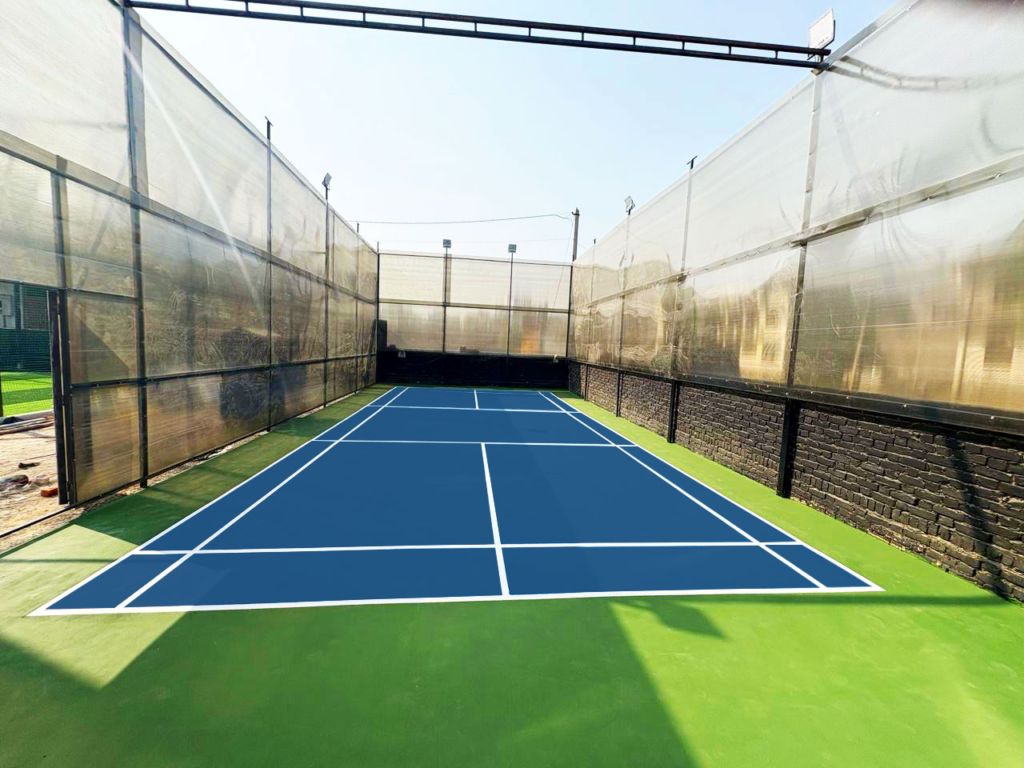
India’s rapidly growing sports infrastructure requires flooring systems that can support a wide range of activities—from professional indoor courts to large outdoor stadiums. Different sports demand different surface characteristics. A badminton court needs precise grip and shock absorption, while a football field requires durability and weather resistance. Because of this diversity, sports flooring manufacturers in India produce several specialized surface types designed for both indoor and outdoor environments.
Choosing the right flooring is not simply about aesthetics or cost. It involves understanding the sport being played, the level of competition, and the environmental conditions of the facility. A school sports hall, for instance, often needs multi-purpose flooring that supports basketball, volleyball, badminton, and indoor futsal. Meanwhile, professional stadiums demand sport-specific surfaces that meet international federation standards.
Another factor influencing flooring choice is maintenance. Some surfaces require periodic polishing or recoating, while others are designed to be nearly maintenance-free. Facility managers must weigh these considerations carefully when selecting flooring systems for long-term use.
In India, the most common sports flooring categories include:
- Wooden flooring for indoor courts
- PVC and vinyl sports surfaces
- Acrylic courts for outdoor games
- Synthetic turf for football and hockey
- Rubber flooring for gyms and athletic training areas
Each material comes with unique performance characteristics. Some prioritize shock absorption, others focus on durability and weather resistance, while some emphasize multi-sport versatility.
With India hosting more national and international sporting events than ever before, demand for high-performance surfaces is increasing rapidly. Manufacturers are also integrating modern technologies such as layered cushioning systems, UV-resistant coatings, and eco-friendly materials.
Understanding the differences between indoor and outdoor sports flooring helps facility planners make better decisions and ensures athletes always play on surfaces designed specifically for their sport.
Indoor Sports Flooring
Indoor sports flooring systems are designed for controlled environments such as gymnasiums, indoor arenas, badminton halls, and basketball courts. Because these spaces are protected from weather conditions, the flooring materials can focus primarily on performance, comfort, and consistency.
Indoor courts typically require excellent shock absorption, smooth ball bounce, and consistent friction levels. These characteristics help athletes maintain speed and agility while minimizing the risk of injuries. Professional indoor surfaces often include layered construction systems that combine structural support with cushioning.
A well-designed indoor sports floor is like a carefully engineered sandwich. Each layer serves a purpose: the base provides stability, the middle layers absorb shock, and the top layer ensures grip and durability. This layered approach allows athletes to jump, sprint, and pivot without putting excessive stress on their joints.
Indoor sports flooring also needs to meet strict standards set by international sports federations. For example:
- Badminton courts must meet Badminton World Federation (BWF) requirements
- Basketball courts must comply with FIBA guidelines
- Volleyball courts often follow FIVB standards
Many top Indian manufacturers now design their flooring systems specifically to meet these international certifications.
Another major advantage of indoor flooring is customization. Facilities can choose from various colors, line markings, and branding options. Schools and sports academies often use customized designs to display team logos or sponsor graphics.
Among the many indoor flooring options available, two types dominate the Indian market: wooden sports flooring and PVC or vinyl sports flooring. Each has unique advantages depending on the sport and budget.
Wooden Sports Flooring
When people imagine professional indoor sports courts, they usually picture polished wooden floors like those seen in NBA arenas. Wooden sports flooring has long been considered the gold standard for indoor sports facilities due to its natural elasticity, durability, and premium appearance.
These floors are typically made from high-quality hardwoods such as maple, oak, or beech, which provide excellent resilience and consistent ball bounce. The surface is coated with specialized sports finishes that enhance traction while protecting the wood from wear and tear.
One of the key reasons wooden flooring remains popular is its superior shock absorption. The layered substructure beneath the wooden planks often includes rubber pads or foam systems designed to cushion impacts. This feature is especially important in sports involving frequent jumping, such as basketball and volleyball.
Advantages of wooden sports flooring include:
- Exceptional shock absorption
- Consistent ball rebound
- Long lifespan with proper maintenance
- Premium visual appeal
However, wooden flooring does require periodic maintenance, including sanding and refinishing. Despite this requirement, many professional arenas and universities prefer wood because it delivers unmatched performance.
Several Indian manufacturers and suppliers now provide FIBA-certified wooden flooring systems, allowing domestic facilities to meet international standards without importing expensive materials from abroad.
PVC and Vinyl Sports Flooring
While wooden floors are premium solutions, PVC and vinyl sports flooring have become increasingly popular due to their versatility and affordability. These surfaces are widely used in schools, training centers, community sports halls, and multi-purpose indoor arenas.
PVC sports flooring consists of multiple synthetic layers designed to provide cushioning, durability, and slip resistance. Unlike wood, which requires regular maintenance, vinyl surfaces are relatively easy to clean and maintain.
One of the biggest advantages of PVC flooring is its multi-sport compatibility. A single court can support activities like badminton, table tennis, basketball practice, yoga classes, and indoor fitness training. This flexibility makes it ideal for facilities with limited space.
PVC flooring also offers:
- High resistance to wear and tear
- Moisture resistance
- Easy installation
- Lower overall cost compared to hardwood floors
Modern PVC sports surfaces are engineered with foam backing layers that improve comfort and reduce stress on athletes’ joints. Some premium systems even replicate the performance characteristics of wooden courts.
Because of these benefits, many sports academies and schools in India are choosing PVC flooring as a cost-effective alternative that still delivers professional performance.
Outdoor Sports Flooring
Outdoor sports facilities face a completely different set of challenges compared to indoor venues. Surfaces must endure rain, sunlight, dust, temperature fluctuations, and heavy usage without losing their structural integrity.
Outdoor sports flooring systems are designed with durability and weather resistance as top priorities. Unlike indoor courts, which focus on aesthetics and smooth finishes, outdoor surfaces must maintain grip and performance even under harsh conditions.
India’s climate—ranging from intense summer heat to monsoon rains—makes surface selection particularly important. A poorly designed outdoor court can develop cracks, fading, or slippery patches within just a few seasons.
Because of these challenges, most outdoor sports courts rely on synthetic materials that are engineered specifically for environmental resilience. These surfaces provide consistent gameplay while requiring minimal maintenance.
The two most common outdoor sports flooring systems used across India are acrylic sports flooring and synthetic sports turf.
Acrylic Sports Flooring
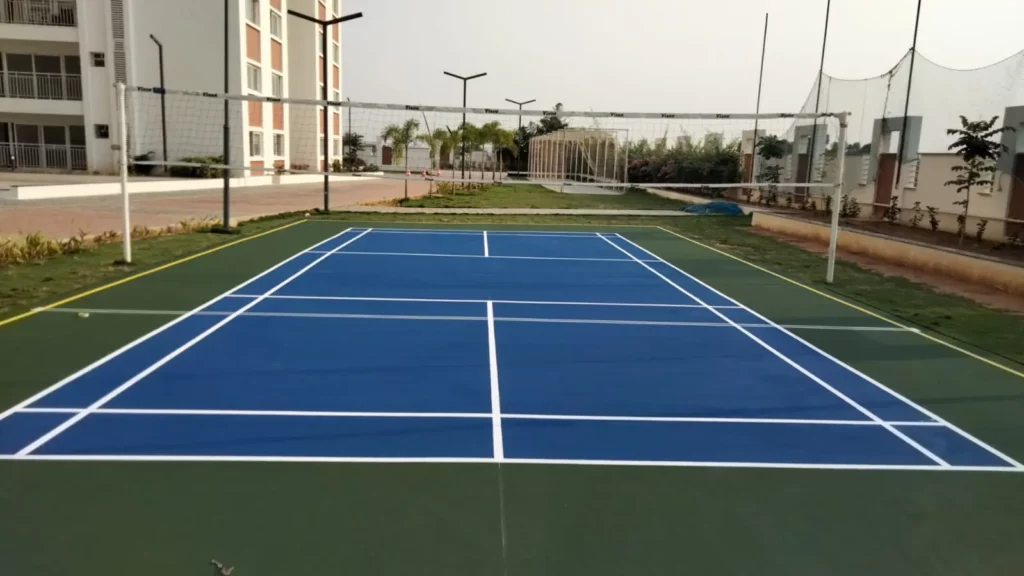
Acrylic sports flooring is widely used for outdoor courts such as tennis, basketball, volleyball, and multi-purpose playgrounds. It consists of multiple layers of acrylic coating applied over concrete or asphalt bases.
The layered system provides a textured surface that enhances traction while maintaining durability against weather exposure. Acrylic courts are also highly customizable, allowing facilities to choose vibrant colors and clear game line markings.
Key benefits of acrylic sports flooring include:
- UV resistance that prevents fading
- Excellent traction and slip resistance
- Low maintenance requirements
- Long lifespan in outdoor environments
Professional tennis tournaments often use acrylic surfaces because they provide consistent ball speed and bounce. In India, acrylic courts are extremely popular in schools, clubs, and residential sports complexes.
Synthetic Sports Turf
Synthetic turf has transformed outdoor sports fields in India, especially for football, hockey, and multi-purpose training grounds. Unlike natural grass, artificial turf provides a consistent playing surface throughout the year without requiring watering, mowing, or fertilizing.
Modern synthetic turf systems include several layers, including shock pads and infill materials that replicate the feel of natural grass while improving durability. This design helps reduce impact stress and allows athletes to perform high-intensity movements safely.
Benefits of synthetic sports turf include:
- Year-round usability
- Reduced maintenance costs
- Consistent surface performance
- High durability under heavy usage
India has seen significant adoption of synthetic turf in recent years, particularly in urban areas where maintaining natural grass fields can be challenging.
Key Features of High-Quality Sports Flooring
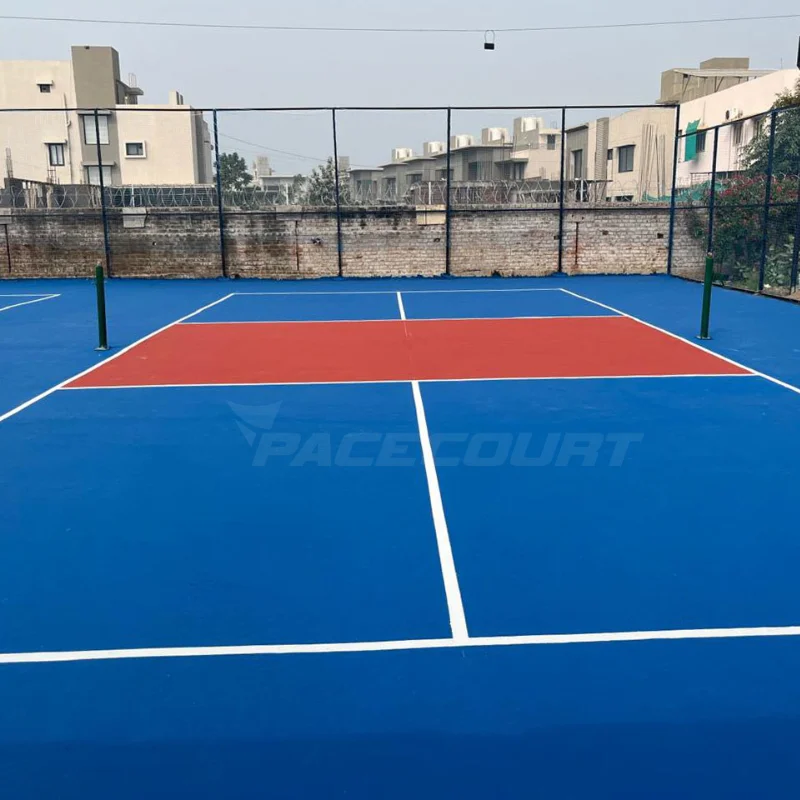
Choosing the right sports flooring is not just about selecting a material like wood, PVC, or acrylic. What truly matters are the performance features built into the flooring system. These features determine how safe, durable, and comfortable the surface will be for athletes. A well-engineered sports floor can enhance performance, reduce injury risks, and last for many years even under intense usage.
Modern sports flooring is designed using advanced materials and engineering techniques. Manufacturers now conduct extensive testing to ensure their flooring systems meet strict international standards. Organizations like FIBA, BWF, ITF, and ASTM set performance benchmarks that high-quality sports flooring must satisfy. These standards cover aspects such as shock absorption, slip resistance, vertical deformation, and ball rebound.
One of the biggest differences between ordinary flooring and sports flooring is how it reacts to dynamic movement. Athletes rarely move in straight lines. They sprint, jump, pivot, slide, and stop suddenly. A sports floor must support all these movements without becoming slippery or unstable.
Another important factor is longevity. Sports facilities experience heavy foot traffic every day, especially in schools, training academies, and stadiums. Flooring systems must withstand thousands of hours of activity while maintaining consistent performance.
High-quality sports flooring typically focuses on three core performance elements:
- Shock absorption and athlete safety
- Long-term durability and weather resistance
- Anti-slip properties that enhance movement control
When these three factors are properly balanced, the result is a playing surface that supports athletes at every level—from beginners practicing their first drills to professionals competing in high-stakes matches.
Shock Absorption and Safety
One of the most critical characteristics of sports flooring is shock absorption. Every time an athlete jumps or lands, a significant amount of force travels through their body. Without proper cushioning, this repeated impact can cause injuries to the ankles, knees, hips, and spine.
To understand the importance of shock absorption, imagine jumping repeatedly on a hard concrete floor. The impact would feel harsh and uncomfortable almost immediately. Now imagine landing on a cushioned gym mat. The difference is dramatic. Sports flooring operates on a similar principle—it absorbs and disperses impact energy to protect athletes.
Professional sports flooring systems use multiple layers to achieve this effect. For example, wooden basketball courts often include:
- Rubber pads or foam cushions beneath the surface
- Flexible wooden planks that absorb movement
- Protective coatings that maintain traction
These components work together to reduce the force transmitted back to the athlete’s body.
According to sports science research, proper sports flooring can reduce impact force by up to 40–50% compared to hard surfaces. This reduction significantly lowers the risk of injuries such as stress fractures, ligament damage, and joint pain.
Shock absorption is especially important in sports that involve frequent jumping and landing, including:
- Basketball
- Volleyball
- Badminton
- Handball
- Gymnastics
Facilities that prioritize athlete safety often invest in premium flooring systems with enhanced cushioning layers. These systems may cost more initially, but they help prevent injuries and extend athletes’ careers.
Safety also includes proper surface stability. A good sports floor must not feel too soft or unstable, as that could affect balance and speed. The ideal surface provides controlled flexibility—just enough cushioning to absorb impact while remaining firm enough for fast movements.
Durability and Weather Resistance
Sports facilities are long-term investments, and their flooring must withstand years of heavy use. That’s why durability is one of the most important qualities when evaluating sports flooring systems.
Indoor courts may host thousands of training sessions and matches every year. Outdoor courts must handle not only constant usage but also environmental challenges like rain, sunlight, dust, and temperature changes. Without durable materials, flooring can crack, fade, or lose its performance properties over time.
High-quality sports flooring manufacturers address these challenges by using advanced materials designed for longevity. For indoor surfaces, protective coatings are applied to resist scratches, stains, and wear from shoes or sports equipment. These coatings also make cleaning easier and help maintain the floor’s appearance.
Outdoor surfaces require additional protection against UV radiation and moisture. Acrylic courts, for example, are specifically formulated with UV-resistant pigments that prevent color fading even after years of exposure to sunlight. Similarly, synthetic turf systems use weather-resistant fibers that maintain their shape and elasticity.
Durable sports flooring offers several long-term benefits:
- Reduced maintenance costs
- Longer replacement cycles
- Consistent playing conditions
- Improved facility reputation
Many top sports flooring manufacturers in India now offer 10–15 year performance warranties on certain systems, demonstrating confidence in their durability.
Proper installation also plays a key role in durability. Even the best materials can fail if they are not installed correctly. That’s why professional manufacturers often provide installation services or certified installers to ensure the flooring performs as intended.
Anti-Slip and Performance Enhancement
Traction is another essential element of sports flooring. Athletes rely on the surface beneath their feet to maintain balance and control during fast movements. If the floor is too slippery, players risk falling. If it’s too sticky, their shoes may grip excessively, which can strain joints during sudden turns.
High-quality sports flooring achieves the perfect balance through anti-slip surface technologies. These technologies include textured coatings, specialized finishes, and engineered surface patterns that improve grip without restricting movement.
For example, indoor wooden courts are coated with sports-grade polyurethane finishes that provide controlled friction. These finishes allow athletes to slide slightly when needed—an important feature in sports like basketball or badminton.
Outdoor acrylic courts use textured silica sand within the surface coating to create a rough yet comfortable grip. This texture helps players maintain traction even when the court becomes slightly damp.
The right level of traction improves several aspects of athletic performance:
- Faster acceleration and direction changes
- Better stability during jumps and landings
- Reduced risk of slips and falls
- Improved confidence during gameplay
Professional athletes often emphasize the importance of surface consistency. When every step feels predictable, players can react faster and perform complex movements without hesitation.
As sports technology advances, manufacturers continue developing innovative surface treatments that combine grip, durability, and comfort. These advancements are helping transform sports facilities across India into world-class environments where athletes can train and compete at their highest level.
Top Sports Flooring Manufacturers in India
India’s sports infrastructure is expanding at an impressive pace. With the rise of professional leagues, sports academies, government initiatives like Khelo India, and increased awareness about fitness, the demand for world-class sports facilities has grown dramatically. One key component behind every successful sports venue is the quality of its flooring. This is where the role of reliable sports flooring manufacturers becomes extremely important.
The top sports flooring manufacturers in India are not just suppliers of materials—they are solution providers. They help clients design courts, choose appropriate flooring systems, install surfaces according to international standards, and provide long-term maintenance support. These companies combine engineering expertise, high-quality raw materials, and modern installation techniques to create surfaces that meet professional sports requirements.
Another reason manufacturers matter is compliance with international standards. Sports federations like FIBA (basketball), BWF (badminton), ITF (tennis), and FIFA (football) specify strict guidelines regarding court dimensions, friction levels, shock absorption, and surface durability. Leading manufacturers ensure their products meet these certifications, allowing facilities to host professional tournaments.
India’s sports flooring market is served by both domestic manufacturers and international brands. Local companies often provide cost-effective solutions tailored to Indian climates and budgets, while international brands bring global technology and premium materials.
Many modern sports complexes combine expertise from both sectors. For instance, an indoor arena may use imported wooden flooring while relying on Indian manufacturers for acrylic outdoor courts or synthetic turf fields.
Understanding the major players in this industry helps facility owners, architects, and sports authorities choose trusted partners for their projects.
Leading Indian Brands
India has developed a strong domestic sports infrastructure industry, and several local companies now manufacture and install high-quality sports flooring systems. These manufacturers have gained recognition for delivering reliable surfaces that meet international standards while remaining affordable for schools, academies, and community sports facilities.
One major advantage of Indian manufacturers is their ability to design flooring systems specifically for the country’s diverse climate conditions. From the humid coastal regions to the extremely hot plains, Indian companies understand how environmental factors affect sports surfaces. This expertise helps them create durable products that perform well across different regions.
Many Indian sports flooring companies specialize in a wide range of surfaces, including:
- Indoor wooden courts
- PVC and vinyl sports flooring
- Acrylic outdoor courts
- Synthetic turf fields
- Rubber gym flooring
These companies often offer complete turnkey solutions, meaning they handle everything from surface preparation and material supply to installation and line marking.
Some well-known Indian sports flooring providers include companies specializing in:
- Acrylic tennis and basketball courts
- Badminton court flooring systems
- Synthetic running tracks
- Multi-purpose indoor sports surfaces
Another major strength of domestic manufacturers is their cost efficiency. Because materials are produced locally and installation teams are based within the country, project costs are usually lower than importing full systems from overseas.
Indian manufacturers also provide faster project completion times. For schools or academies working with tight schedules, local suppliers can deliver and install flooring much quicker than international suppliers.
As India continues investing heavily in sports infrastructure, local companies are rapidly improving their technology, quality standards, and design capabilities. Many are now capable of delivering international-level sports flooring solutions that compete with global brands.
These companies often partner with Indian distributors or installation specialists to deliver projects locally. This collaboration ensures that global technologies can be implemented while maintaining compliance with Indian construction practices.
International flooring systems are often used in elite sports academies, national stadiums, and professional training centers. Their surfaces are designed for precision performance, offering consistent ball bounce, advanced shock absorption, and long-term durability.
However, these systems typically come at a higher cost compared to locally manufactured solutions. As a result, many facilities evaluate their budget and level of competition before deciding whether to use international brands.
What’s interesting is that the gap between domestic and international products is gradually narrowing. Indian manufacturers are investing heavily in research and development, improving their materials and installation methods.
The result is a dynamic sports flooring industry where both local and global companies contribute to building better sports infrastructure across India.
How to Choose the Best Sports Flooring Manufacturer
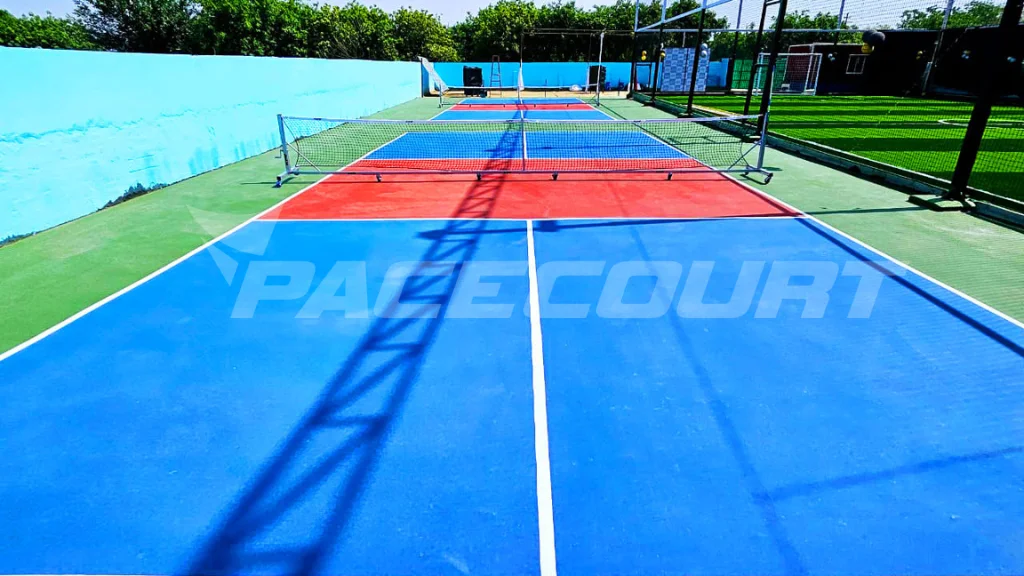
Selecting the right sports flooring manufacturer can make or break a sports facility project. Even the highest-quality material will fail to deliver its intended performance if it is poorly designed or installed incorrectly. That’s why choosing the right manufacturer involves much more than simply comparing prices.
Facility owners should evaluate several factors before making a decision. These factors include product quality, industry certifications, installation expertise, after-sales support, and long-term maintenance services.
A reliable manufacturer usually offers end-to-end project support. This begins with understanding the client’s needs and recommending the most suitable flooring system based on the type of sport, budget, and facility design. From there, the company handles surface preparation, installation, and finishing work.
Another important consideration is experience. Companies that have completed numerous projects across schools, stadiums, and sports academies are more likely to deliver consistent results. Their experience helps them anticipate potential challenges during installation and resolve them efficiently.
Transparency is also essential. Good manufacturers clearly explain their materials, installation processes, and warranty terms. They should be able to provide references from previous projects and demonstrate their expertise through completed installations.
Ultimately, the best sports flooring manufacturer is one that combines quality materials, professional installation, and reliable long-term support.
Certifications and Industry Standards
When evaluating sports flooring manufacturers, certifications are one of the most important indicators of quality. These certifications confirm that the flooring system meets performance and safety standards established by international sports organizations.
Some of the most recognized certifications in the sports flooring industry include:
- FIBA Certification – for basketball court flooring
- BWF Approval – for badminton courts
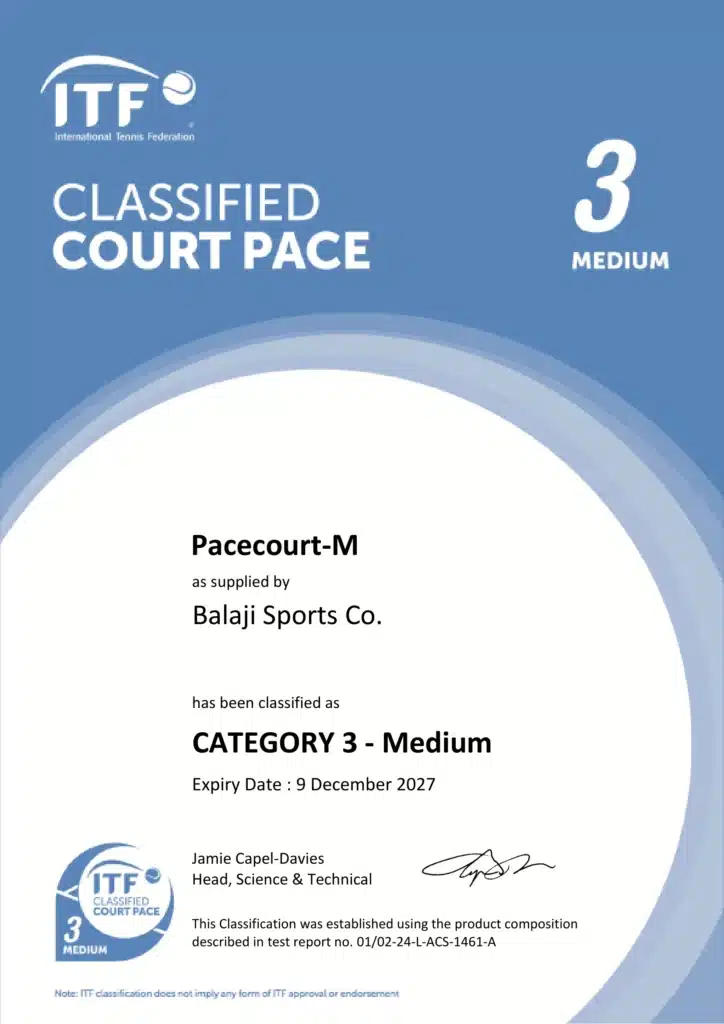
- ITF Court Pace Rating – for tennis courts
- FIFA Quality Certification – for synthetic football turf
Manufacturers who meet these standards demonstrate that their products have been tested for key performance factors such as:
- Shock absorption
- Surface friction
- Ball rebound consistency
- Durability under heavy use
These tests are usually conducted by independent laboratories to ensure accuracy.
Facilities that plan to host tournaments or professional competitions should always choose flooring systems that comply with relevant certifications. Without these approvals, venues may not be eligible to host official matches.
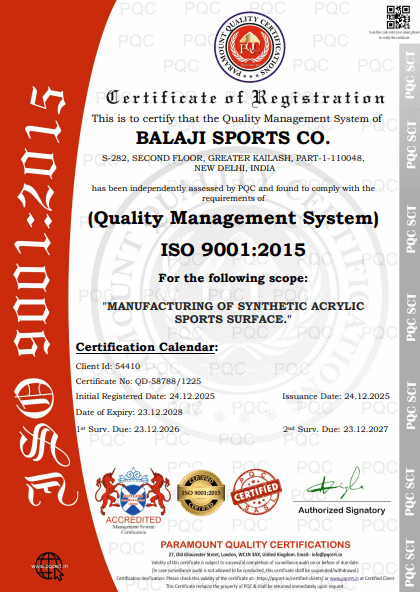
Beyond sports-specific certifications, manufacturers may also hold ISO quality management certifications, which indicate adherence to strict manufacturing and operational standards.
Installation Expertise and After-Sales Support
Even the best flooring materials can fail if they are installed incorrectly. That’s why installation expertise is just as important as product quality when selecting a sports flooring manufacturer.
Professional installation teams follow precise procedures to ensure the surface performs correctly. These steps include proper subfloor preparation, moisture testing, leveling, and accurate placement of materials. Skipping or rushing any of these steps can lead to uneven surfaces, poor shock absorption, or premature wear.
Experienced manufacturers typically provide trained installation crews who specialize in sports flooring projects. These teams understand the technical requirements of different surfaces and follow manufacturer guidelines carefully.
After installation, ongoing maintenance and after-sales support play a vital role in preserving the flooring’s performance. Reliable manufacturers offer maintenance guidance, repair services, and warranty coverage.
Some companies even provide annual inspection programs to ensure the flooring remains in optimal condition.
Choosing a manufacturer that offers strong after-sales support ensures that the sports facility remains safe, attractive, and functional for many years.
Cost of Sports Flooring in India
One of the biggest questions facility owners ask when planning a sports complex is simple: How much does sports flooring cost in India? The answer, however, is not always straightforward. Sports flooring prices can vary widely depending on several factors such as the type of material, the size of the court, installation complexity, and the level of performance required.
Think of sports flooring like buying a car. You can choose a basic model that serves the purpose, or you can invest in a high-performance version with advanced features. Both options will get you where you need to go, but the experience and durability will differ significantly.
In India, sports flooring projects typically range from ₹150 per square foot to over ₹1,500 per square foot, depending on the material and specifications. Basic outdoor acrylic courts fall on the lower end of the spectrum, while premium wooden indoor courts used in professional arenas sit at the higher end.
To understand these differences better, it helps to look at approximate cost ranges for common flooring types.
| Flooring Type | Approximate Price Range (per sq ft) | Common Applications |
|---|---|---|
| Acrylic Sports Flooring | ₹150 – ₹300 | Outdoor basketball, tennis courts |
| PVC / Vinyl Sports Flooring | ₹250 – ₹600 | Indoor badminton, multi-purpose halls |
| Synthetic Turf | ₹350 – ₹900 | Football, hockey fields |
| Wooden Sports Flooring | ₹700 – ₹1,500+ | Basketball arenas, indoor stadiums |
| Rubber Gym Flooring | ₹200 – ₹500 | Fitness centers, training areas |
These numbers represent general estimates, and the actual cost can vary depending on project location, customization requirements, and installation conditions.
Another important aspect to consider is lifecycle cost rather than just the initial price. A cheaper surface might save money at the beginning but require frequent repairs or replacement. In contrast, premium sports flooring systems often last longer and maintain performance for many years, making them more cost-effective in the long run.
For example, a high-quality wooden sports court can last 20–30 years with proper maintenance, while an acrylic outdoor court may require resurfacing every 5–8 years depending on usage and climate.
Facility planners should also factor in additional costs such as:
- Surface preparation and base construction
- Line markings and court customization
- Transportation and installation
- Maintenance equipment and coatings
Working with experienced manufacturers can help optimize these costs while ensuring the flooring meets performance standards.
Price Factors and Budget Planning
Several factors influence the final price of sports flooring installations in India. Understanding these variables helps facility owners create realistic budgets and avoid unexpected expenses during the project.
One of the most important factors is the type of sport and level of competition. A recreational school playground does not require the same performance specifications as a professional stadium. Higher-level competitions demand flooring systems that meet international certifications, which naturally increases costs.
The size of the facility also affects the budget. Larger courts or multi-sport complexes require more materials, more labor, and longer installation times. However, larger projects sometimes benefit from bulk pricing, which can reduce the cost per square foot.
Another factor is subfloor preparation. Sports flooring requires a stable and perfectly level base to function properly. If the existing floor or ground surface is uneven, additional work may be required to prepare it before installing the sports surface. This preparation stage can significantly impact overall project costs.
Customization is another consideration. Many facilities request unique colors, logos, sponsor branding, or specialized line markings. While these features enhance the visual appeal of the venue, they also add to the overall expense.
Maintenance planning is equally important. Budgeting for regular cleaning, recoating, or resurfacing ensures the flooring remains safe and functional over time. Facilities that ignore maintenance often end up paying higher repair costs later.
A practical approach for budgeting sports flooring projects usually includes:
- Determining the primary sport or activity
- Selecting the appropriate flooring material
- Evaluating manufacturer certifications
- Calculating installation and maintenance costs
By carefully planning these elements, sports facility owners can choose flooring systems that deliver the best balance between performance, durability, and affordability.
Future Trends in Sports Flooring Industry in India
The sports flooring industry in India is evolving rapidly as technology, sustainability concerns, and athlete performance requirements continue to advance. What once consisted mainly of simple wooden courts and concrete outdoor surfaces has now transformed into a sophisticated industry driven by innovation and material science.
One major trend shaping the future of sports flooring is the use of advanced synthetic materials. Modern flooring systems now incorporate specialized polymers, foam layers, and shock pads that improve athlete comfort while maintaining durability. These materials are designed to absorb impact efficiently, reducing the risk of injuries during high-intensity sports.
Another emerging trend is the adoption of modular sports flooring systems. These systems consist of interlocking tiles that can be quickly installed and removed when needed. Modular floors are especially useful for temporary events, multi-purpose halls, and community sports centers where flexibility is important.
Sustainability is also becoming a key priority for manufacturers. Many companies are now developing eco-friendly sports flooring materials made from recycled rubber, sustainable wood sources, and low-emission adhesives. These environmentally responsible products help reduce the carbon footprint of sports infrastructure projects.
Technology integration is another exciting development. Some modern sports floors now include sensor-based performance tracking systems that measure athlete movements, speed, and impact forces. These smart surfaces provide valuable data for coaches and trainers, helping athletes improve their training techniques.
The growth of sports leagues and training academies across India is also driving demand for higher-quality facilities. Cities are investing in modern stadiums, while schools and universities are upgrading their sports infrastructure to meet international standards.
Experts predict that India’s sports infrastructure market could grow significantly over the next decade as the country prepares to host more global sporting events and encourages youth participation in sports.
This growth will likely lead to:
- Increased adoption of certified professional sports flooring
- Expansion of domestic manufacturing capabilities
- Greater use of technology-driven training surfaces
- Higher demand for multi-purpose sports facilities
The future of sports flooring in India looks promising. With continued investment in technology and infrastructure, the country is steadily building the foundation for world-class sports environments where athletes can train, compete, and excel.
Conclusion
The quality of a sports facility often comes down to what lies beneath the athletes’ feet. Sports flooring plays a crucial role in safety, performance, and durability, making it one of the most important elements of any sports infrastructure project.
India’s growing sports ecosystem has created strong demand for advanced flooring systems across schools, universities, stadiums, and private training academies. From wooden indoor courts and PVC flooring to acrylic outdoor courts and synthetic turf fields, modern sports surfaces are designed to meet the unique requirements of different sports and playing environments.
Choosing the right sports flooring manufacturer is essential for achieving long-term success. Reliable companies provide high-quality materials, professional installation, and ongoing maintenance support. They also ensure their products meet international certifications such as FIBA, BWF, ITF, and FIFA standards, which are critical for hosting professional competitions.
Cost considerations, durability, shock absorption, and anti-slip performance are all important factors when selecting sports flooring. Facility owners who carefully evaluate these aspects can create environments that support athletes while maximizing the lifespan of their investment.
As technology continues to evolve, the sports flooring industry in India is moving toward smarter, more sustainable, and higher-performing solutions. With the right flooring system in place, sports facilities can provide athletes with the safe and reliable surfaces they need to train harder, compete better, and reach their full potential.