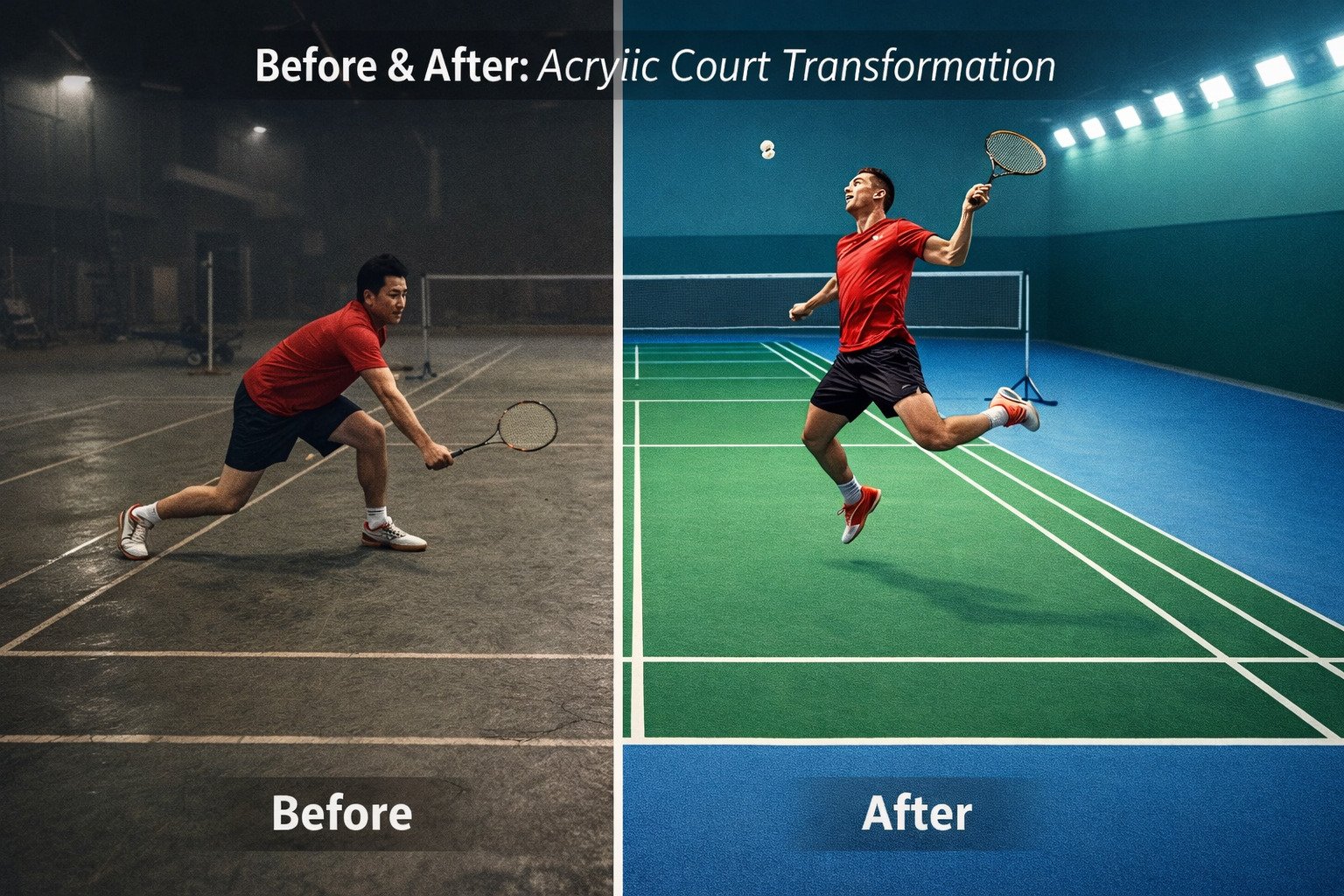
When you walk into a badminton academy, what’s the first thing you notice? The players? The coaches? The energy in the air? Maybe. But beneath every smash, every drop shot, and every lightning-fast rally lies something far more important—the court itself. It’s the silent foundation of the game. And for one badminton academy, that foundation was slowly becoming its biggest weakness.
For years, the academy operated on aging, worn-out court surfaces that had seen better days. Cracks ran like spider webs across the floor. The grip was inconsistent. The bounce felt unpredictable. Players adjusted their footwork not to outsmart their opponents, but to avoid slipping. It wasn’t just inconvenient—it was holding them back.
Then came a bold decision: replace the old flooring with high-performance acrylic sports flooring. It wasn’t just a cosmetic upgrade. It was a transformation that reshaped performance, safety, and even the academy’s reputation.
In this article, we’ll take a deep dive into how this single change revolutionized the academy. We’ll explore the challenges they faced before, the installation journey, and the powerful before-and-after benefits that followed. If you’ve ever wondered whether flooring really makes that much of a difference, you’re about to find out.
Table of contents
- The Struggles of Worn-Out Courts
- Why Flooring Matters More Than You Think
- Understanding Acrylic Flooring for Badminton Courts
- Before the Transformation: The Challenges the Academy Faced
- The Decision-Making Process
- The Installation Journey
- After the Upgrade: Immediate Improvements
- Long-Term Benefits for the Academy
- Before vs After: A Clear Comparison
- Player and Coach Testimonials
- How Acrylic Flooring Impacts Professional Training
- Maintenance Tips for Acrylic Courts
- Is Acrylic Flooring Worth the Investment?
- Conclusion: A Surface That Changed the Game
The Struggles of Worn-Out Courts
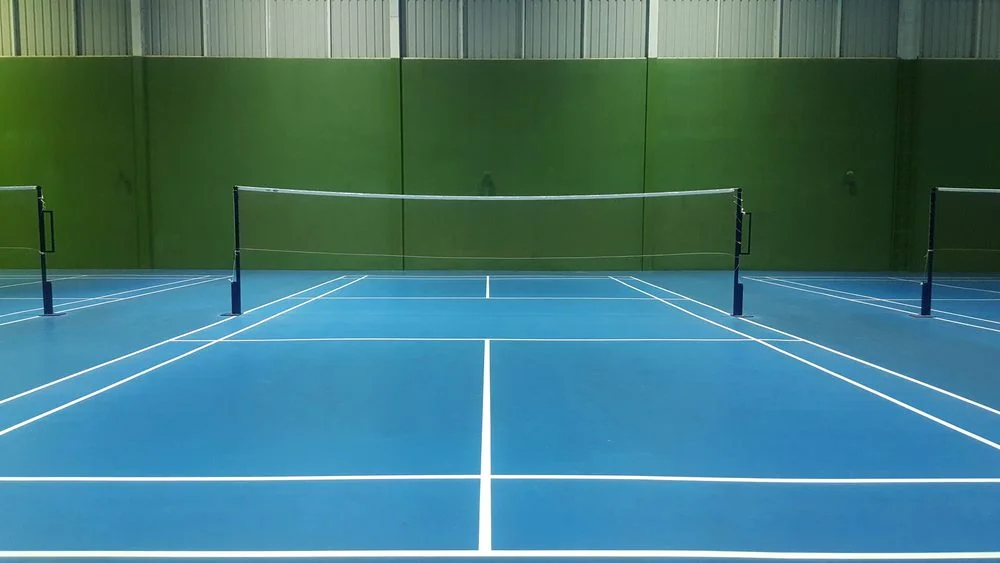
Before the transformation, the academy’s courts told a story of years of heavy use—and neglect. At first glance, everything looked manageable. But spend a few minutes watching a match, and the issues became obvious.
The surface had become uneven over time. Small cracks had formed due to constant impact and temperature changes. Some areas felt smoother than others, while certain patches had lost their texture entirely. Imagine running on a road that randomly switches from asphalt to ice and then to gravel. That’s how unpredictable it felt for the players.
Injuries began creeping in. Minor ankle twists. Knee strain. Muscle fatigue. Coaches noticed that players weren’t moving as freely as they should. Instead of focusing on agility and explosive power, athletes hesitated. They second-guessed their lunges. They slowed their footwork.
Maintenance was another nightmare. The old flooring required frequent patchwork repairs. Cleaning was difficult because dirt settled into tiny surface cracks. Over time, even the court markings began to fade, giving the entire facility a dull and unprofessional appearance.
Morale took a hit too. Players want to train in an environment that feels inspiring. Walking into a worn-out space every day subtly affects motivation. It’s like trying to prepare for a championship in a crumbling gym. The ambition is there—but the environment doesn’t match it.
The academy management realized something crucial: talent alone wasn’t enough. The foundation had to support the dream.
Why Flooring Matters More Than You Think
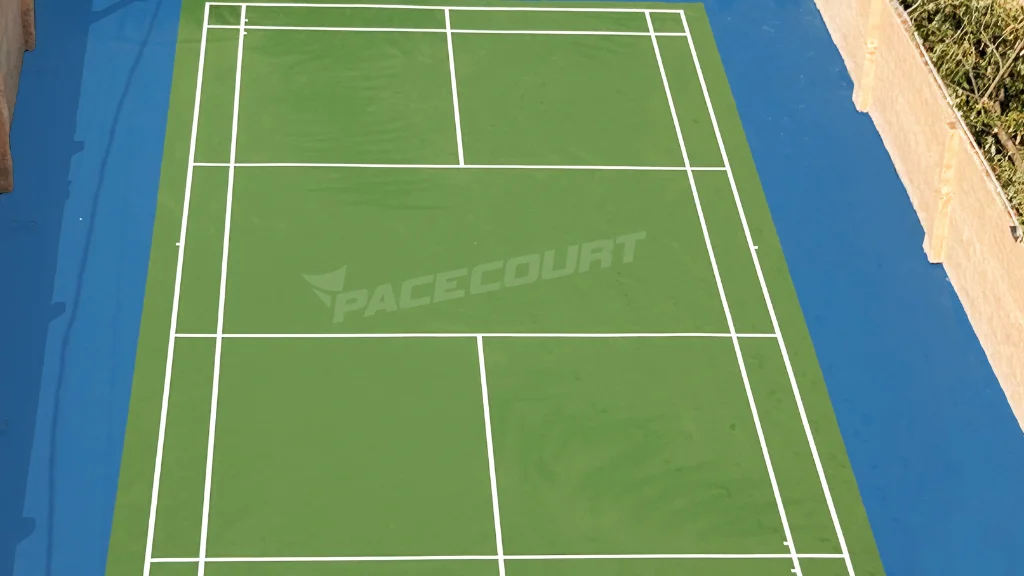
Let’s be honest—flooring doesn’t usually get the spotlight in sports discussions. We talk about rackets, shuttle quality, training techniques, and fitness routines. But the court surface? It’s often overlooked. And that’s a mistake.
In badminton, footwork is everything. The sport demands explosive starts, sudden stops, rapid lateral movements, and constant directional changes. Every point can involve dozens of quick steps. If the surface lacks grip, players slide. If it’s too hard, joints absorb excessive shock. If it’s uneven, balance becomes a gamble.
Think of the court as the engine oil in a car. You don’t see it. But without it functioning properly, everything else starts to break down.
Good sports flooring provides:
- Consistent traction
- Shock absorption
- Energy return
- Surface uniformity
- Durability under repeated impact
When these elements are missing, performance drops—even if the players are skilled. Over time, injuries increase, training intensity decreases, and confidence suffers.
The academy realized that upgrading the flooring wasn’t just a facility improvement—it was an investment in athlete development. The right surface would allow players to move naturally, train harder, and compete without hesitation.
And that realization changed everything.
Understanding Acrylic Flooring for Badminton Courts
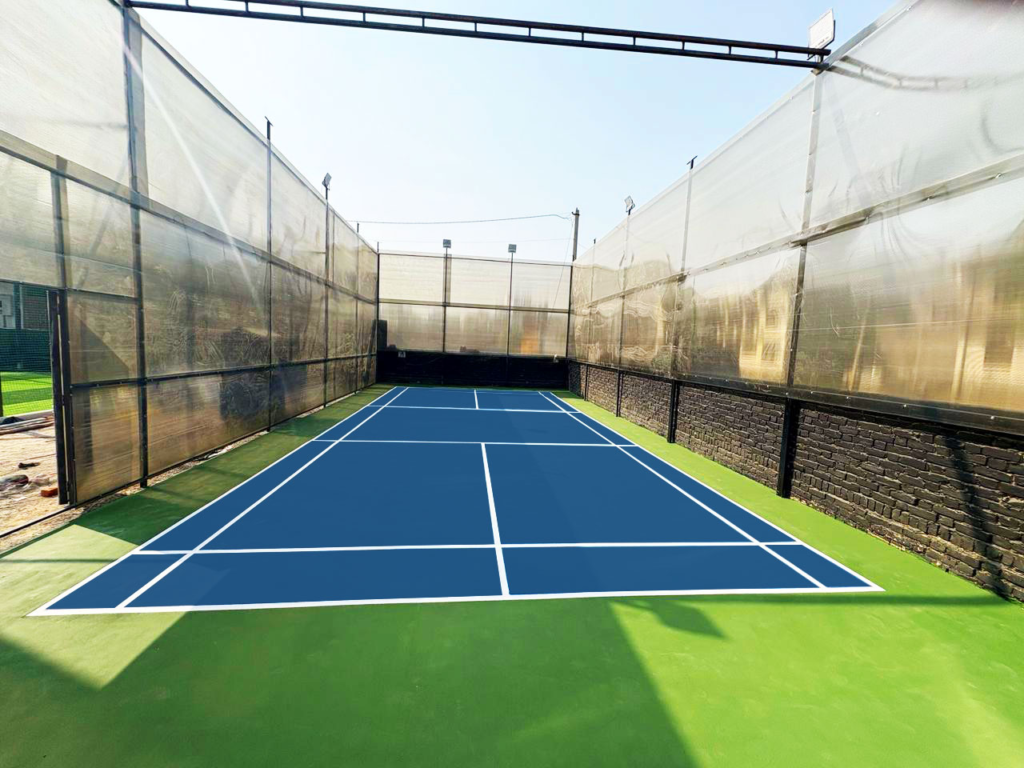
So what exactly is acrylic sports flooring, and why did the academy choose it?
Acrylic flooring is a multi-layer synthetic surface system designed specifically for sports applications. It’s commonly used in tennis, basketball, and increasingly, badminton courts. Unlike basic concrete or traditional coatings, acrylic systems are engineered to provide durability, grip, and cushioning.
At its core, acrylic flooring consists of several carefully applied layers. Each layer serves a purpose—like a well-assembled sandwich where every ingredient matters.
The system typically includes:
- A properly prepared base (usually concrete or asphalt)
- Cushion or resilience layers
- Textured acrylic topcoats
- Precise line markings
One of the biggest advantages is customization. The surface texture can be adjusted to provide optimal grip for badminton movements. Cushion levels can be modified depending on whether the academy prioritizes high-performance training or recreational play.
Acrylic surfaces are also known for their vibrant color options. The academy selected a bold two-tone design that clearly defined playing zones while enhancing visibility for players and spectators.
But beyond aesthetics, what truly convinced the management was performance data. Acrylic flooring offers excellent traction without being sticky. It absorbs shock better than bare concrete. It resists cracking under heavy use.
In short, it strikes the perfect balance between speed and safety—two essentials in badminton.
Before the Transformation: The Challenges the Academy Faced
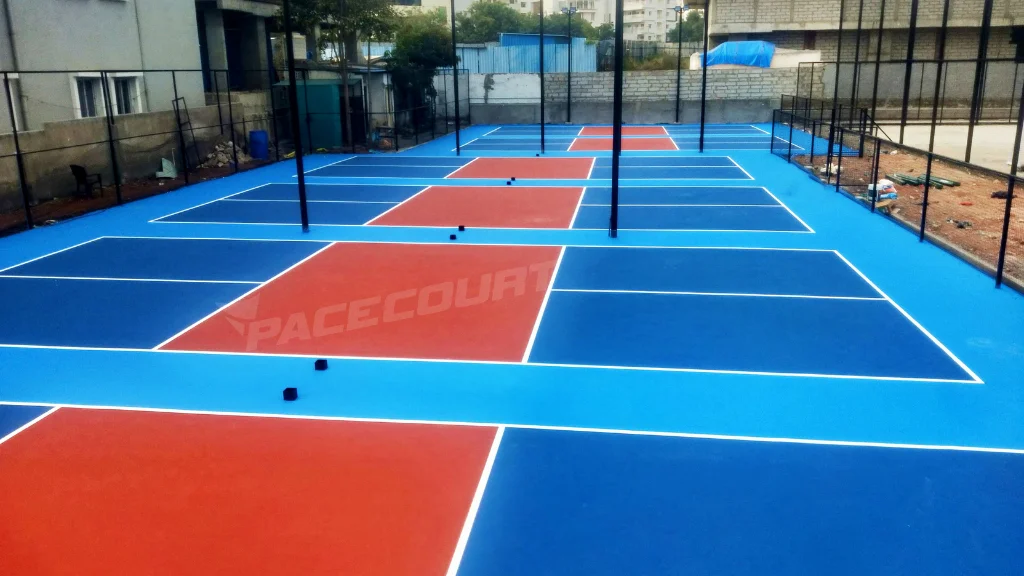
If you had visited the academy before the renovation, you might have sensed something was off. The talent was undeniable. The coaches were dedicated. Yet the environment felt outdated.
Players often complained about inconsistent grip. During intense rallies, their shoes squeaked unpredictably. Some areas felt slightly slippery, especially during humid days. Coaches had to remind players to be cautious, which is the last thing you want during high-speed drills.
Injury reports were becoming more frequent. Nothing catastrophic—but enough to disrupt training schedules. Ankle soreness. Shin splints. Knee discomfort. Over time, these small issues compound. Athletes miss sessions. Momentum slows.
Upgrade Your Sports Court Today
Get premium synthetic acrylic flooring designed for durability, grip, and performance.
Get Free ConsultationFinancially, the academy was stuck in a cycle of patch-and-repair. Instead of investing in a long-term solution, money kept going toward temporary fixes. It was like repeatedly fixing potholes instead of repaving the road.
And then there was the image problem. Competing academies showcased modern facilities online. Prospective students toured multiple centers before enrolling. The worn-out courts subtly influenced their decisions.
Management reached a turning point. They asked themselves a simple question:
Are we building a future—or maintaining the past?
That question sparked the transformation journey.
The Decision-Making Process
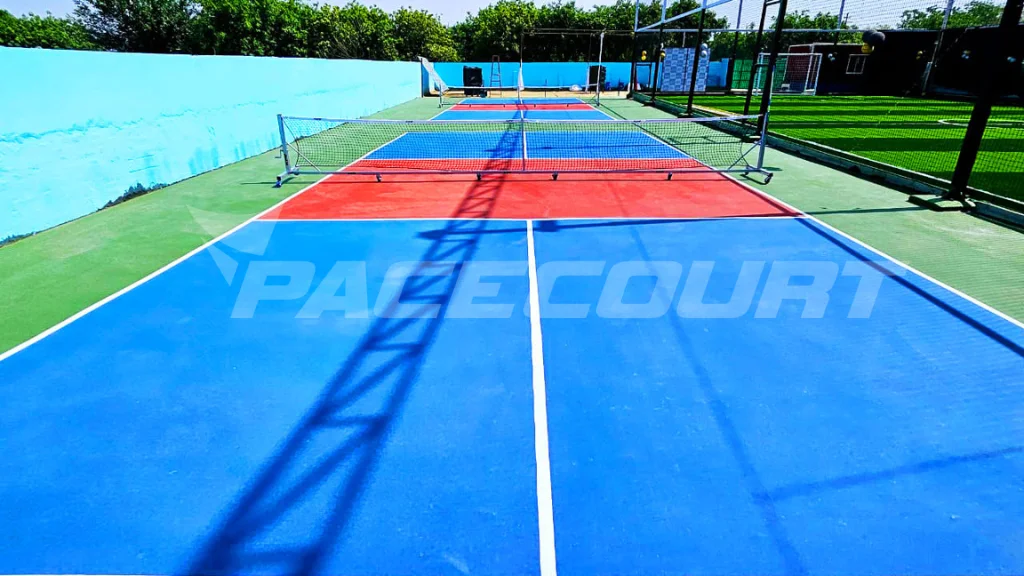
Big changes rarely happen overnight. For the academy’s management team, upgrading to acrylic flooring wasn’t an impulsive move—it was the result of months of research, debate, and careful planning. After all, replacing multiple badminton courts is not a small investment. It’s a commitment that affects training schedules, finances, and long-term strategy.
The first step was understanding the available options. The management explored traditional wooden courts, synthetic PVC mats, and polyurethane systems. Each had its advantages. Wooden flooring offered a premium indoor aesthetic and natural shock absorption. PVC mats were popular in professional tournaments and offered portability. Polyurethane systems promised durability and cushioning.
But when the academy compared these options against their needs—high daily usage, limited maintenance downtime, cost efficiency, and long-term durability—acrylic sports flooring stood out. It offered a balance of performance, affordability, and resilience. Unlike wooden floors, acrylic surfaces weren’t as vulnerable to moisture or warping. Compared to PVC mats, they required less frequent replacement. And in terms of customization, acrylic allowed flexibility in texture and cushioning layers.
Budget planning played a crucial role. The management calculated not just installation costs but long-term return on investment (ROI). They considered reduced injury risks, lower maintenance expenses, improved player retention, and potential tournament hosting opportunities. The numbers painted a clear picture: while the upfront cost was significant, the long-term financial and performance gains justified the investment.
Ultimately, the decision wasn’t just about flooring—it was about aligning infrastructure with ambition. The academy wanted to compete at a higher level, and that required a surface that could keep up.
The Installation Journey
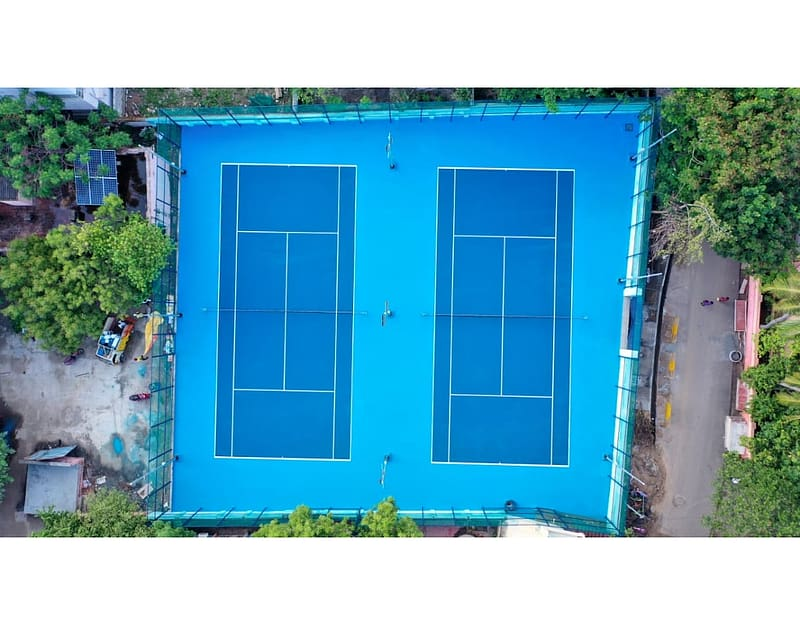
Once the decision was finalized, the real transformation began. Installation wasn’t as simple as laying down a new surface. It required precision, patience, and professional expertise.
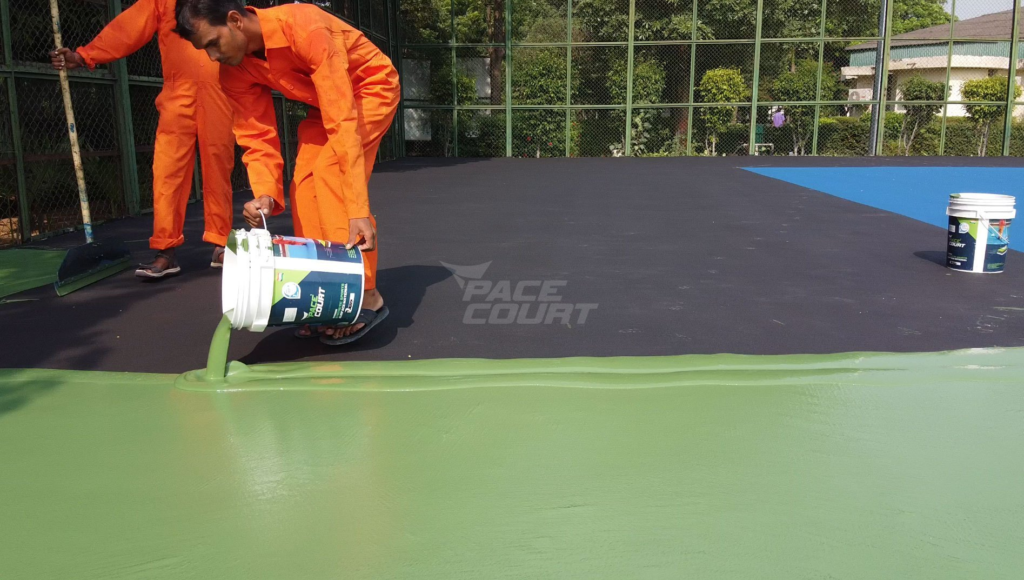
The process started with subfloor preparation. The old surface was thoroughly inspected, cleaned, and repaired. Any cracks were filled. Uneven sections were leveled. Moisture tests were conducted to ensure the base was stable and suitable for coating. Think of it like preparing a canvas before painting—if the foundation isn’t perfect, the final result won’t last.
Next came the application of the acrylic system. Multiple layers were applied systematically:
- Primer Layer: Ensured proper adhesion between the base and subsequent coatings.
- Cushion Layers: Added resilience and shock absorption.
- Textured Acrylic Coats: Provided grip and durability.
- Color Finishing: Enhanced visibility and aesthetics.
- Line Markings: Precisely measured and painted to meet official badminton standards.
Each layer required drying time. The installation team monitored temperature and humidity levels to ensure optimal curing conditions. Rushing the process could compromise durability, so patience was key.
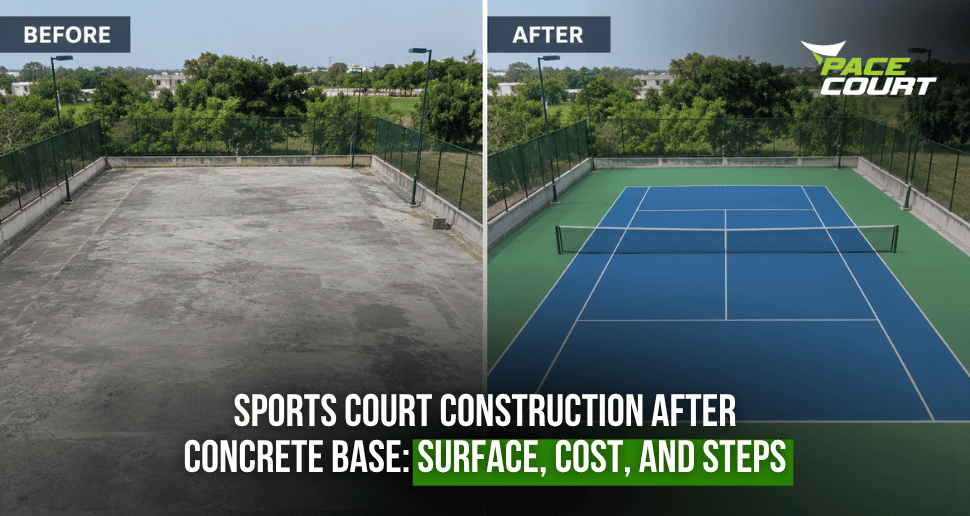
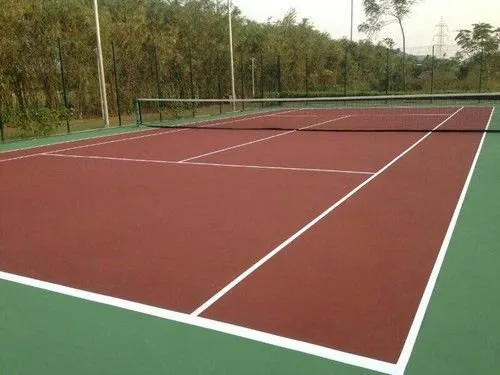
When the final coat dried and the crisp white lines appeared against the vibrant surface, the difference was immediately visible. The once-dull courts now looked professional, sharp, and inviting.
It wasn’t just a renovation. It felt like a rebirth.
After the Upgrade: Immediate Improvements
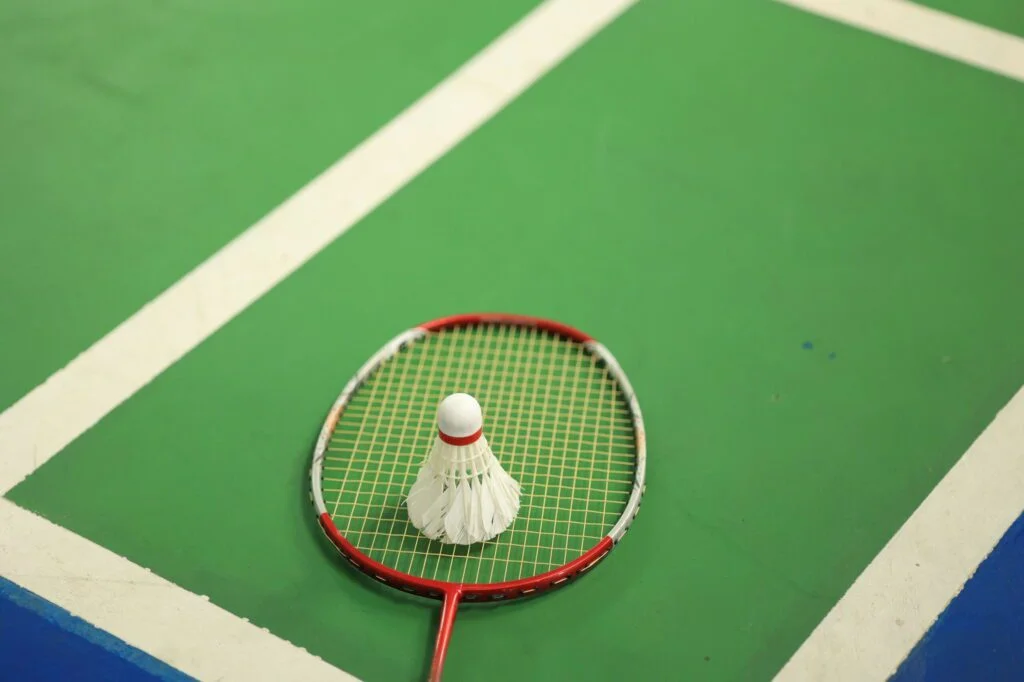
The first training session on the new acrylic courts was unforgettable. Players stepped onto the surface with curiosity—and within minutes, their expressions changed. Movements felt smoother. Stops were sharper. Turns felt controlled rather than cautious.
The most noticeable improvement was traction. The textured acrylic surface provided consistent grip without feeling sticky. Players could lunge confidently, knowing their shoes would hold firm. Footwork drills became more dynamic, with athletes pushing themselves harder than before.
Shock absorption also made a dramatic difference. The added cushion layers reduced strain on knees and ankles. After intense sessions, players reported less fatigue and soreness. It was as if the floor was working with them instead of against them.
Visually, the courts were stunning. The two-tone color scheme enhanced shuttle visibility, making rallies clearer and more enjoyable to watch. Bright, crisp line markings improved accuracy during matches. Even spectators commented on the professional look.
Coaches noticed something subtle yet powerful: confidence had returned. When athletes trust their environment, they play freely. They dive for shots. They commit fully to movements. And that confidence translates directly into performance gains.
The transformation wasn’t theoretical—it was immediate and tangible.
Long-Term Benefits for the Academy
As weeks turned into months, the long-term advantages of acrylic flooring became even more apparent.
Maintenance costs dropped significantly. Unlike the old surface that required frequent patch repairs, the acrylic courts only needed regular cleaning and occasional resurfacing. The smooth, sealed finish prevented dirt from settling into cracks, making daily upkeep simple and efficient.
Durability proved impressive. Despite heavy usage—multiple training sessions per day—the surface maintained its texture and color. It resisted wear patterns and fading, even under constant foot traffic. For an academy operating year-round, this resilience was invaluable.
Injury reports decreased noticeably. While no sports surface can eliminate injuries entirely, the improved shock absorption and traction reduced strain-related complaints. Players trained more consistently, and fewer sessions were interrupted due to minor issues.
The academy’s reputation soared. Prospective students touring the facility were immediately impressed. Parents felt reassured seeing a professional, safe environment. Enrollment numbers began to climb.
Perhaps most importantly, the academy positioned itself as forward-thinking and quality-driven. In a competitive sports training market, infrastructure speaks volumes. And the new acrylic courts sent a clear message: this academy is serious about excellence.
Before vs After: A Clear Comparison
To truly understand the transformation, let’s look at the contrast side by side.
| Aspect | Before Acrylic Flooring | After Acrylic Flooring |
|---|---|---|
| Surface Condition | Cracked and uneven | Smooth and uniform |
| Player Grip | Inconsistent | Reliable and textured |
| Shock Absorption | Minimal | Enhanced cushioning |
| Injury Frequency | Moderate | Reduced |
| Maintenance Cost | High (frequent repairs) | Low (routine cleaning) |
| Aesthetic Appeal | Faded and dull | Vibrant and professional |
| Player Confidence | Hesitant movements | Aggressive, confident play |
The difference wasn’t just cosmetic—it was functional, financial, and psychological.
Before, players adapted to the court’s flaws. After, the court supported their strengths.
Player and Coach Testimonials
Nothing validates a transformation like real feedback from those who use the courts daily.
One senior player described the new surface as “a breath of fresh air.” She explained how lunges felt stable and how her recovery steps were faster. “I don’t think about slipping anymore,” she said. “I just focus on the shuttle.”
Another athlete mentioned reduced knee pain after long practice sessions. Previously, he needed extended recovery time. With the new acrylic cushioning, his body handled intensive drills better.
Coaches were equally enthusiastic. One coach observed improved agility during footwork training. “Players are moving with confidence,” he noted. “They’re not holding back.”
From a training perspective, consistency was the biggest win. Drills that required rapid directional changes could now be executed at full intensity. Coaches could push athletes harder without worrying about unsafe conditions.
When both athletes and mentors praise a facility upgrade, you know the decision was right.
How Acrylic Flooring Impacts Professional Training
Professional-level badminton demands precision. A fraction of a second can decide a point. In such an environment, surface consistency becomes critical.
Acrylic flooring provides predictable traction and uniform bounce characteristics. Players don’t need to adjust their stride based on court zones. This consistency enhances muscle memory development—a key component in elite training.
The textured surface also supports explosive acceleration. Quick starts and rapid decelerations feel controlled rather than abrupt. Over time, this improves agility drills and defensive recovery.
Additionally, acrylic courts meet tournament standards when properly installed. This allowed the academy to simulate competitive conditions during training. Players felt psychologically prepared for official matches because their practice environment mirrored professional settings.
In essence, the new surface elevated training quality. It wasn’t just about comfort—it was about unlocking higher performance potential.
Maintenance Tips for Acrylic Courts
To maximize lifespan and performance, proper maintenance is essential. Fortunately, acrylic flooring is relatively low-maintenance compared to traditional options.
Daily Cleaning Routine
- Sweep or vacuum dust and debris.
- Use a soft mop with mild detergent for deeper cleaning.
- Avoid harsh chemical cleaners.
Seasonal Care Guidelines
- Inspect for minor surface damage.
- Repaint line markings if necessary.
- Ensure proper drainage in case of outdoor installations.
Do’s and Don’ts
Do:
- Use non-marking sports shoes.
- Address spills immediately.
- Schedule professional inspections periodically.
Don’t:
- Drag heavy equipment across the surface.
- Use abrasive cleaning tools.
- Ignore small cracks or wear spots.
With consistent care, acrylic courts can maintain optimal performance for years.
Is Acrylic Flooring Worth the Investment?
The ultimate question remains: was it worth it?
From a financial standpoint, the academy observed reduced repair costs and increased enrollment revenue. The improved facility attracted new students and even local tournaments, generating additional income streams.
From a performance perspective, the benefits were undeniable. Reduced injuries, enhanced training intensity, and improved player morale created measurable improvements in competitive results.
When you combine financial savings, safety improvements, and reputation growth, the return on investment becomes clear.
It wasn’t just an expense—it was a strategic move.
Conclusion: A Surface That Changed the Game
Sometimes, transformation begins from the ground up—literally.
By upgrading to acrylic sports flooring, the badminton academy didn’t just replace an old surface. It redefined its training environment. The before-and-after contrast was dramatic: from cracked and inconsistent courts to vibrant, high-performance arenas.
Players moved with confidence. Coaches trained with intensity. Maintenance headaches faded. Enrollment numbers grew. The academy’s identity shifted from outdated to elite.
Flooring may seem like a background detail, but in sports, it’s the silent partner in every movement. When that partner performs flawlessly, everything else rises to a higher level.
And for this academy, the new acrylic courts didn’t just support the game—they transformed it.
Stay Updated with Pacecourt
Discover expert insights, practical tips, and the latest industry updates from Pacecourt, covering sports flooring, tennis and multi-sport court construction, resurfacing, maintenance, court performance, and innovative sports infrastructure solutions.
Powered by Google's Preferred Sources feature