Walk into any modern sports facility in the UAE and one thing becomes instantly clear—the floor is doing far more work than just sitting there. From professional arenas in Dubai to school gyms in Sharjah and outdoor courts in Abu Dhabi, sports flooring has become a critical part of athletic performance, safety, and facility reputation. The UAE’s rapid growth in sports infrastructure, fueled by international tournaments, fitness awareness, and government-backed wellness initiatives, has pushed sports flooring from an afterthought to a top priority.
Unlike standard flooring, sports flooring in the UAE must handle extreme heat, heavy foot traffic, and intense athletic movement—all while meeting international standards. Think about it: a basketball player sprinting down the court, a tennis player sliding into a shot, or a gym enthusiast dropping heavy weights. The surface beneath them must absorb shock, provide grip, and reduce injury risks. In a country where temperatures can soar above 45°C, flooring materials must also resist UV damage, expansion, and wear.
The UAE’s sports flooring market has matured significantly over the past decade. What once relied heavily on basic concrete or asphalt has evolved into a sophisticated industry offering advanced polyurethane systems, cushioned vinyl floors, engineered wood courts, and eco-friendly solutions. Whether it’s for a school, professional sports complex, residential community, or commercial gym, choosing the right sports flooring in the UAE is no longer optional—it’s essential.
In this guide, we’ll walk through everything you need to know about sports flooring in the UAE, from types and materials to costs, standards, and future trends. If you’re planning a sports facility or upgrading an existing one, you’re in the right place.
Table of contents
- Understanding Sports Flooring
- Evolution of Sports Flooring in the UAE
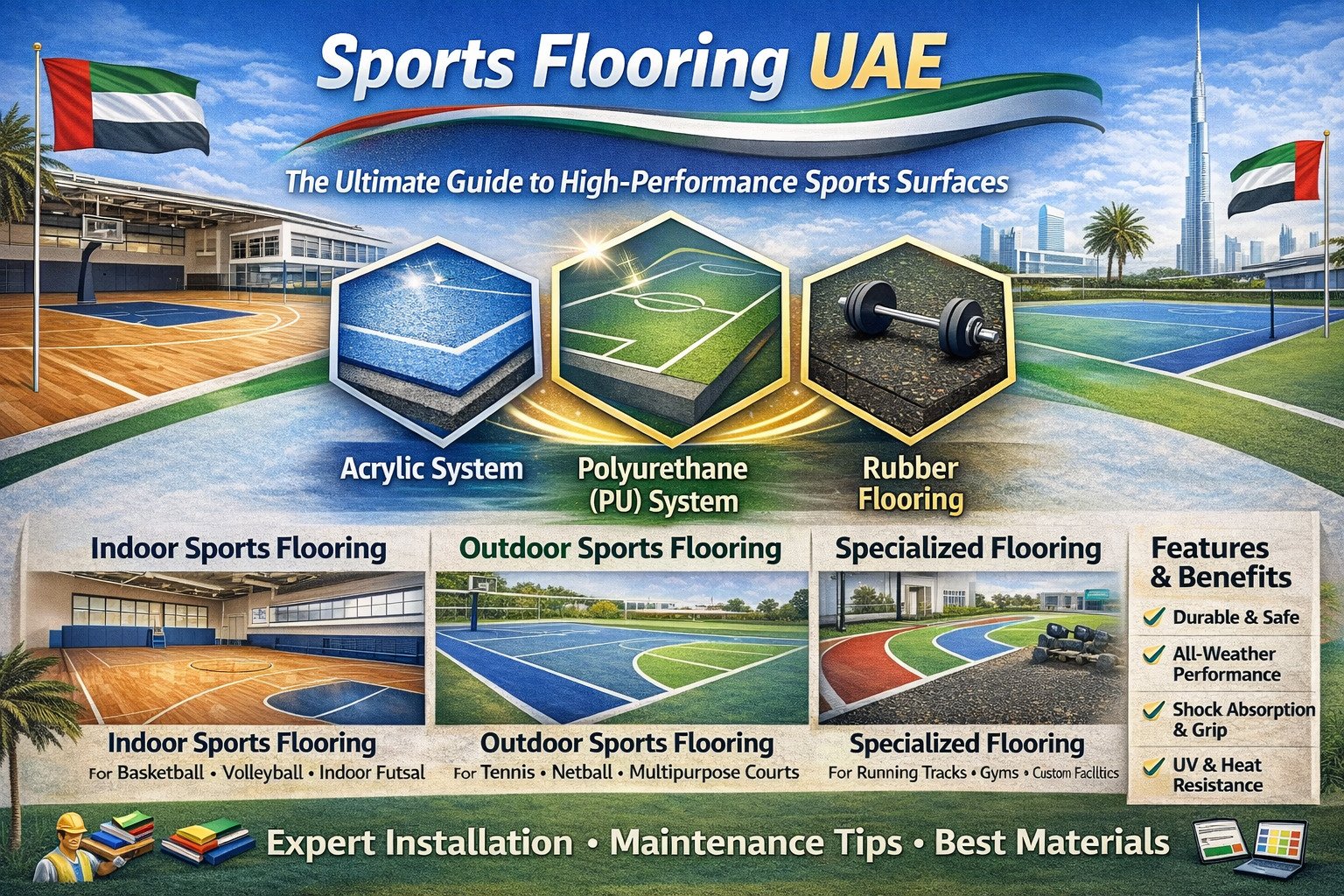
- Types of Sports Flooring Available in the UAE
- Sports Flooring for Specific Sports
- Key Factors to Consider When Choosing Sports Flooring in UAE
- UAE Climate and Its Impact on Sports Flooring
- International Standards and Certifications
- Installation Process of Sports Flooring
- Maintenance and Care of Sports Flooring
- Cost of Sports Flooring in the UAE
- Choosing the Right Sports Flooring Supplier in UAE
- Sustainability and Eco-Friendly Sports Flooring
- Future Trends in Sports Flooring UAE
- Conclusion
Understanding Sports Flooring
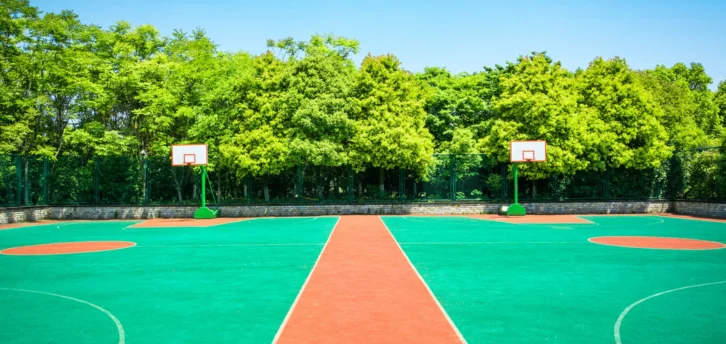
Sports flooring isn’t just about aesthetics or durability—it’s about performance engineering. At its core, sports flooring is designed to support physical activity by enhancing comfort, safety, and efficiency. Unlike conventional tiles or marble floors commonly seen in UAE interiors, sports flooring systems are built with layers that serve specific purposes, such as shock absorption, energy return, and slip resistance.
One of the biggest differences between regular flooring and sports flooring lies in impact management. When athletes jump, run, or fall, the floor must absorb and redistribute impact forces to reduce stress on joints and muscles. This is especially important in high-impact sports like basketball, volleyball, and indoor football. A poorly designed surface can increase the risk of injuries such as shin splints, knee pain, and ankle sprains.
Another defining feature of sports flooring is traction. Too slippery, and athletes lose control. Too rough, and movement becomes restricted. Sports flooring in the UAE is carefully engineered to strike the perfect balance, allowing quick directional changes without compromising stability. This is particularly crucial in indoor, air-conditioned environments where humidity levels can fluctuate.
Acoustics also play a role, especially in indoor facilities. Sports flooring materials often include sound-dampening layers that reduce noise caused by footsteps, bouncing balls, and equipment. This makes the environment more comfortable for both athletes and spectators.
In short, sports flooring is a silent partner in athletic performance. It works behind the scenes, ensuring every movement feels natural, safe, and responsive—something that becomes even more critical in the demanding climate of the UAE.
Evolution of Sports Flooring in the UAE
The journey of sports flooring in the UAE mirrors the country’s rapid development. In the early days, sports facilities were functional but basic. Outdoor courts were often simple asphalt surfaces, while indoor spaces relied on concrete or generic tiles with minimal cushioning. These surfaces served their purpose but offered little in terms of athlete safety or performance optimization.
As the UAE began hosting international sporting events and investing heavily in sports academies, the need for world-class facilities became apparent. Imported sports flooring systems from Europe and North America started making their way into the market. Wooden basketball courts, acrylic tennis surfaces, and polyurethane running tracks became more common, especially in professional venues.
Over time, local expertise grew. UAE-based suppliers and installers began specializing in sports flooring, adapting international technologies to suit regional conditions. Materials were modified to withstand extreme heat, UV exposure, and sand infiltration—challenges unique to the Gulf region. This localization played a major role in improving the lifespan and performance of sports floors.
Today, the UAE boasts some of the most advanced sports flooring installations in the Middle East. From Olympic-standard courts to multi-purpose community facilities, the evolution has been remarkable. The focus has shifted from merely building sports spaces to creating environments that enhance performance, reduce injuries, and reflect the UAE’s commitment to excellence.
Types of Sports Flooring Available in the UAE
Indoor Sports Flooring
Indoor sports facilities dominate the UAE landscape, thanks to the hot climate that makes air-conditioned environments more practical for year-round use. Indoor sports flooring systems are designed to deliver consistent performance regardless of external weather conditions, making them ideal for schools, universities, gyms, and professional arenas.
Indoor sports flooring typically prioritizes shock absorption, surface uniformity, and aesthetic appeal. These floors often consist of multiple layers, including a base mat, shock-absorbing layer, and wear-resistant top surface. The choice of material depends on the sport, usage intensity, and budget.
Wooden Sports Flooring
Wooden sports flooring, especially maple hardwood, is considered the gold standard for indoor courts. Commonly used in basketball, volleyball, and badminton courts across the UAE, these floors offer excellent ball bounce, natural grip, and superior energy return. Athletes often describe playing on wood as “alive” because of how responsive it feels underfoot.
In the UAE, engineered wooden flooring systems are preferred over solid wood. These systems are designed to handle temperature fluctuations and humidity changes without warping. Advanced subfloor systems enhance shock absorption, reducing strain on athletes’ joints. While wooden sports flooring requires a higher initial investment, its performance and prestige make it a popular choice for professional venues.
PVC and Vinyl Sports Flooring
PVC and vinyl sports flooring have gained massive popularity in the UAE due to their versatility and cost-effectiveness. These floors are commonly used in school gyms, fitness studios, indoor courts, and multipurpose halls. Available in rolls or tiles, vinyl sports flooring systems feature multiple layers that provide cushioning, slip resistance, and durability.
One of the biggest advantages of vinyl sports flooring is low maintenance. Unlike wood, it doesn’t require regular polishing or refinishing. It’s also available in a wide range of colors and designs, allowing facility owners to customize branding and court markings easily. For indoor sports flooring in the UAE, vinyl strikes a perfect balance between performance and practicality.
Outdoor Sports Flooring
Outdoor sports flooring in the UAE faces a completely different set of challenges. Intense heat, UV exposure, sand, and occasional rain demand materials that are tough, weather-resistant, and low maintenance. Outdoor flooring systems must maintain performance without cracking, fading, or becoming slippery.
Acrylic Sports Flooring
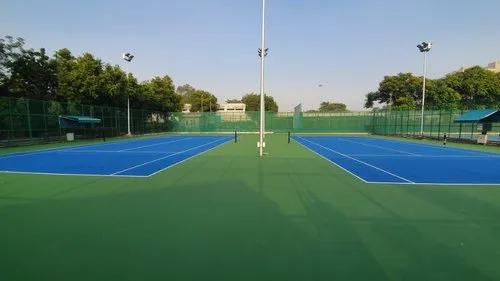
Acrylic sports flooring is one of the most widely used outdoor solutions in the UAE. Commonly seen on tennis courts, basketball courts, and multi-purpose areas, acrylic surfaces are durable, UV-resistant, and cost-effective. They are applied as layered coatings over concrete or asphalt, creating a seamless and colorful playing surface.
Acrylic flooring provides consistent ball bounce and good traction, making it suitable for competitive play. It also requires minimal maintenance, which is ideal for public and community courts across the UAE.
Polyurethane Sports Flooring
Polyurethane (PU) sports flooring offers a more advanced solution for both indoor and outdoor applications. These seamless systems are elastic, comfortable, and highly durable. PU flooring is often used in running tracks, indoor halls, and multipurpose courts where athlete comfort is a top priority.
In the UAE, polyurethane flooring is valued for its resistance to heat and moisture. Its cushioned nature reduces impact stress, making it a favorite for facilities focused on injury prevention and long-term athlete welfare.
Rubber Sports Flooring
Rubber sports flooring is commonly used in gyms, playgrounds, and training areas. Made from recycled rubber or synthetic compounds, these floors are extremely shock-absorbent and slip-resistant. In the UAE’s fitness industry, rubber flooring has become the go-to choice for weightlifting zones and functional training spaces.
Rubber flooring handles heavy equipment, high impact, and constant use with ease. Its durability and safety features make it ideal for both indoor and semi-outdoor applications.
Sports Flooring for Specific Sports
Choosing sports flooring in the UAE isn’t a one-size-fits-all decision. Each sport places unique demands on the surface, and selecting the wrong type can affect performance, safety, and even the lifespan of the facility. Think of sports flooring like footwear—you wouldn’t run a marathon in hiking boots or play basketball in flip-flops, right? The same logic applies here. Let’s break down how different sports require different flooring solutions and how facilities across the UAE are addressing those needs.
Basketball Court Flooring
Basketball is one of the most popular indoor sports in the UAE, played in schools, academies, professional clubs, and community centers. The flooring used for basketball courts must deliver consistent ball bounce, excellent grip, and high shock absorption. Athletes are constantly jumping, pivoting, and sprinting, so the surface needs to support explosive movements without increasing injury risk.
Indoor basketball courts in the UAE often use maple wooden sports flooring or high-performance vinyl systems. Wooden flooring is favored for professional-level play because of its natural elasticity and energy return, which helps players move efficiently and reduces fatigue. Engineered subfloor systems further enhance shock absorption, protecting knees and ankles.
Outdoor basketball courts, on the other hand, typically rely on acrylic or polyurethane sports flooring. These materials are designed to withstand harsh sunlight and temperature fluctuations while maintaining traction. In a climate like the UAE’s, UV resistance is non-negotiable. Properly installed basketball sports flooring ensures players can perform confidently, whether under stadium lights or the desert sun.
Tennis Court Flooring
Tennis courts in the UAE come in a variety of surface types, each offering a distinct playing experience. The choice of tennis court flooring directly influences ball speed, bounce, and player movement. Given the country’s strong tennis culture and international tournaments, quality tennis flooring is a major focus.
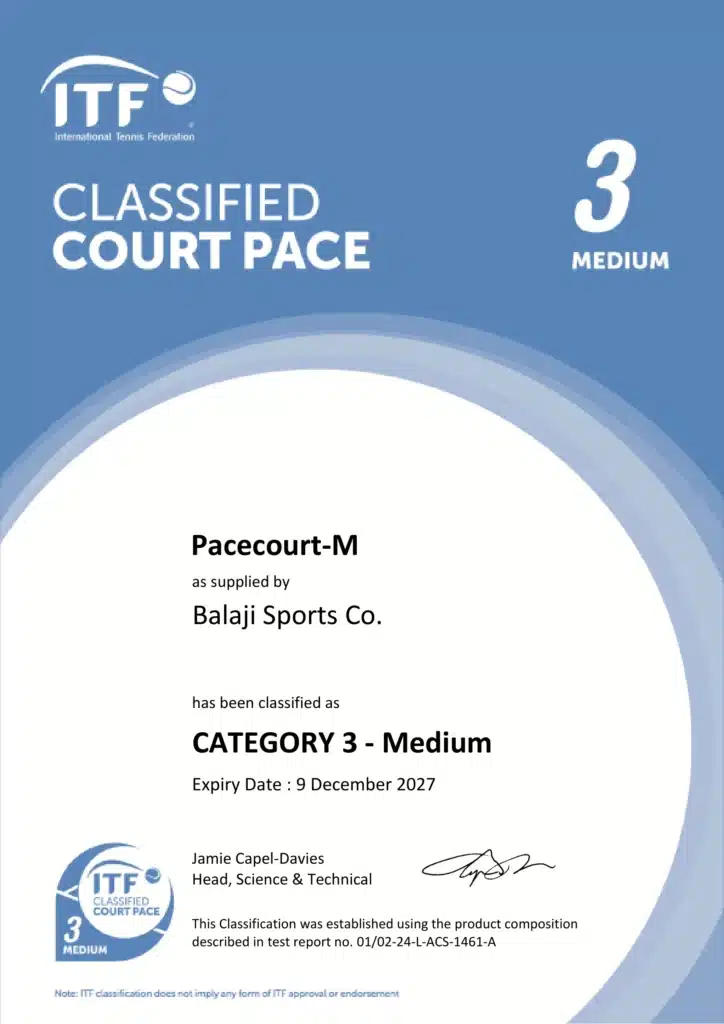
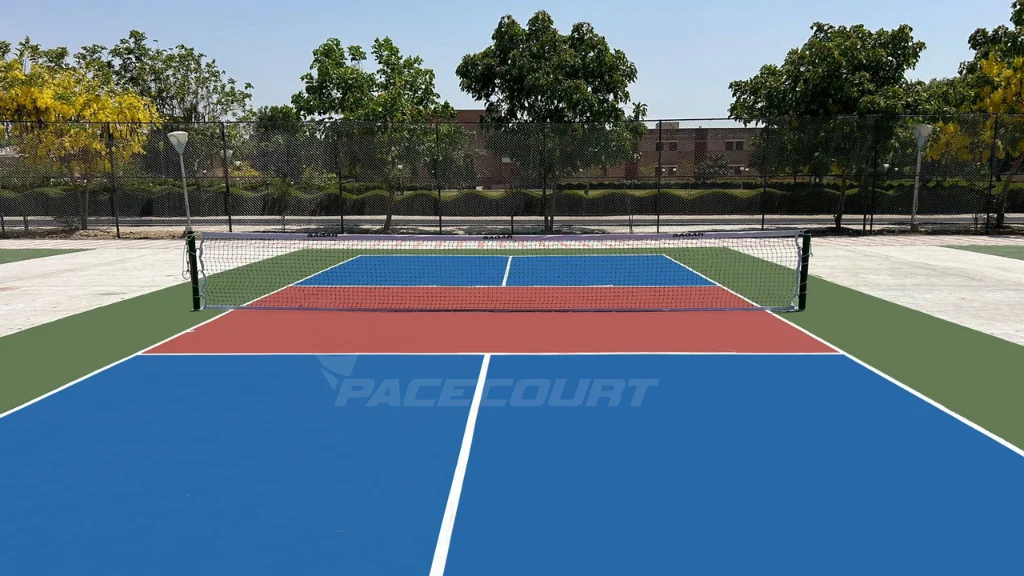
Acrylic tennis court flooring is the most common option in the UAE. It provides a medium-paced surface with consistent bounce, making it suitable for both professional and recreational play. Acrylic systems are also ITF-approved and highly resistant to UV rays, ensuring long-term color stability and performance.
Synthetic grass tennis courts are another popular option, especially in residential communities and clubs. These surfaces offer a softer feel underfoot and reduce joint stress, making them ideal for casual players and training facilities. Cushioned tennis court systems, which combine acrylic layers with elastic underlays, are increasingly popular for injury prevention and player comfort.
In the UAE, proper drainage and heat resistance are critical considerations for tennis court flooring. High-quality systems are designed to stay cool and playable even during peak summer months.
Gym and Fitness Flooring
Walk into any modern gym in Dubai or Abu Dhabi, and you’ll notice that the flooring changes depending on the activity zone. That’s because gym flooring needs vary significantly between cardio areas, weightlifting zones, and functional training spaces.
Rubber sports flooring dominates the gym flooring market in the UAE, and for good reason. It offers exceptional shock absorption, slip resistance, and durability. In weightlifting areas, thick rubber tiles or rolls protect both the equipment and the subfloor from damage caused by dropped weights. In cardio zones, rubber flooring reduces noise and vibration, creating a more comfortable workout environment.
Vinyl sports flooring is often used in group exercise studios, yoga rooms, and dance areas. Its smooth surface, easy maintenance, and aesthetic versatility make it a favorite for fitness centers aiming for a clean, modern look. Choosing the right gym flooring isn’t just about durability—it’s about creating a space that motivates people to move, train, and stay consistent.
Multi-Purpose Sports Courts
Multi-purpose sports courts are extremely popular in the UAE, especially in schools, residential communities, and public facilities. These courts are designed to accommodate multiple sports such as basketball, volleyball, futsal, and badminton—all on a single surface.
The key to successful multi-purpose sports flooring is flexibility. Vinyl and polyurethane flooring systems are commonly used because they can be customized with different line markings and offer balanced performance across various activities. These surfaces provide adequate shock absorption and grip without favoring one sport too heavily over another.
In the UAE, multi-purpose courts are often used by a wide range of age groups, from children to adults. That makes safety a top priority. Cushioned sports flooring systems help reduce impact-related injuries while maintaining durability under constant use. For facility managers, multi-purpose sports flooring offers an efficient, cost-effective solution without compromising on quality.
Key Factors to Consider When Choosing Sports Flooring in UAE
Selecting sports flooring in the UAE requires careful consideration of several critical factors. It’s not just about what looks good or fits the budget—it’s about long-term performance, safety, and value. One of the most important aspects is climate compatibility. The UAE’s extreme heat and humidity can wreak havoc on low-quality materials, causing cracking, fading, or delamination.
Safety is another major factor. Sports flooring should minimize the risk of slips, falls, and impact injuries. This means paying attention to shock absorption ratings, surface friction, and compliance with international standards. Maintenance requirements also play a big role. Some flooring systems require regular polishing or resurfacing, while others are virtually maintenance-free.
Budget considerations extend beyond initial installation costs. High-quality sports flooring may cost more upfront, but it often delivers better durability and lower maintenance expenses over time. In a fast-paced market like the UAE, investing in the right flooring system can save money and headaches in the long run.
UAE Climate and Its Impact on Sports Flooring
The UAE’s climate is both impressive and unforgiving. With scorching summers, high UV exposure, and fluctuating humidity levels, sports flooring systems must be built to endure extreme conditions. Materials that perform well in milder climates may fail quickly in the Gulf if they’re not properly adapted.
Heat causes materials to expand, while cooler temperatures lead to contraction. Without proper engineering, this movement can result in cracks, warping, or surface separation. That’s why sports flooring in the UAE often includes expansion joints, flexible adhesives, and UV-stable coatings.
Outdoor sports flooring faces additional challenges such as sand accumulation and occasional rainfall. Proper surface texture and drainage systems are essential to maintain playability and safety. Indoor facilities aren’t immune either—air conditioning can create condensation issues if the flooring system isn’t designed for humidity control.
Understanding the local climate isn’t optional when selecting sports flooring in the UAE—it’s a fundamental requirement for long-term success.
International Standards and Certifications
International standards play a crucial role in the sports flooring industry, especially in a globally connected market like the UAE. Certifications from organizations such as FIBA, FIFA, ITF, and IAAF ensure that sports flooring meets strict performance, safety, and durability criteria.
For example, FIBA-approved basketball flooring must meet specific requirements for ball rebound, shock absorption, and surface friction. Tennis courts must comply with ITF pace ratings, while football and athletics surfaces have their own governing standards.
In the UAE, many sports facilities aim for international compliance to attract tournaments, academies, and professional athletes. Even for schools and community centers, certified sports flooring provides peace of mind and long-term credibility. Working with experienced suppliers who understand these standards is essential for achieving compliance without unnecessary complications.
Installation Process of Sports Flooring
Installing sports flooring in the UAE is not just a technical task—it’s a carefully coordinated process that determines how well the surface will perform over the next 10 to 20 years. Even the highest-quality sports flooring materials can fail if installation is rushed or handled by inexperienced teams. That’s why professional installation is considered just as important as the flooring system itself.
The process usually begins with a detailed site inspection. Installers evaluate the subfloor condition, moisture levels, flatness, and structural integrity. In the UAE, this step is especially critical because concrete subfloors can retain moisture due to humidity and air-conditioning systems. Any imperfections at this stage are corrected through grinding, leveling, or moisture-barrier applications.
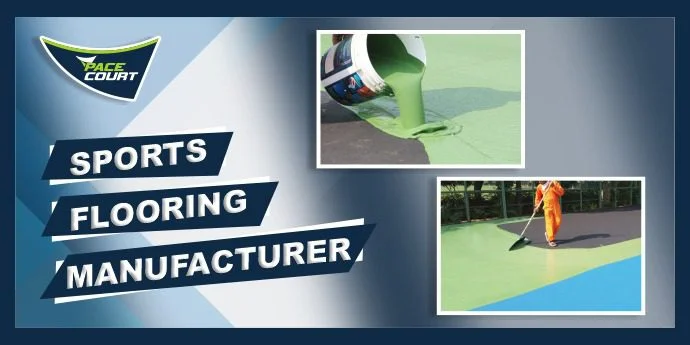
Next comes surface preparation. This includes cleaning, priming, and installing shock-absorbing layers if required. For systems like polyurethane or acrylic flooring, multiple layers are applied in sequence, each with a specific curing time. Wooden sports flooring involves installing a subfloor system, followed by engineered wood panels, sanding, line marking, and sealing.
Installation timelines vary depending on the flooring type and project size. A small gym flooring project may take just a few days, while a full indoor arena can take several weeks. In the UAE’s fast-paced construction environment, proper planning ensures that quality is never sacrificed for speed. A well-installed sports floor doesn’t just look good—it performs consistently and safely for years.
Maintenance and Care of Sports Flooring
Sports flooring may be tough, but it still needs proper care to stay in top condition. Maintenance practices in the UAE are particularly important due to dust, sand, and high foot traffic. The good news? Most modern sports flooring systems are designed for easy and cost-effective maintenance.
Daily cleaning typically involves sweeping or vacuuming to remove dust and debris. For indoor courts, damp mopping with approved cleaning solutions helps maintain grip and appearance. Vinyl and polyurethane floors are especially low-maintenance, requiring minimal effort to keep them game-ready.
Wooden sports flooring demands more attention. Regular cleaning is essential, along with periodic inspections for scratches or wear. Over time, wooden floors may require resurfacing or re-coating to restore performance and aesthetics. While this adds to maintenance costs, the longevity and performance benefits often justify the investment.
Outdoor sports flooring maintenance focuses on debris removal, surface washing, and occasional re-coating. Acrylic courts, for example, may need resurfacing every few years depending on usage and exposure. Preventive maintenance not only extends the life of sports flooring but also ensures player safety and consistent performance.
Cost of Sports Flooring in the UAE
The cost of sports flooring in the UAE varies widely based on material, installation complexity, and facility size. There’s no single price tag because each project has unique requirements. However, understanding cost factors helps facility owners make informed decisions.
Basic outdoor acrylic sports flooring is generally the most affordable option, making it popular for schools and community courts. Vinyl sports flooring falls in the mid-range, offering excellent value for indoor multi-purpose facilities. Wooden sports flooring and advanced polyurethane systems sit at the higher end of the price spectrum, often chosen for professional venues and premium gyms.
It’s important to look beyond initial installation costs. Long-term expenses such as maintenance, repairs, and resurfacing can significantly impact the overall budget. In many cases, investing more upfront in high-quality sports flooring results in lower lifetime costs. In the UAE, where facilities are expected to meet high standards, value is measured in durability, performance, and safety—not just price.
Choosing the Right Sports Flooring Supplier in UAE
Selecting the right supplier is one of the most critical decisions in any sports flooring project. The UAE market is filled with options, ranging from local installers to international brands. The key is finding a supplier who understands local conditions while delivering globally recognized quality.
A reliable sports flooring supplier should offer end-to-end solutions, including consultation, design, installation, and after-sales support. Experience matters—suppliers with a strong portfolio of completed projects in the UAE are more likely to anticipate challenges related to climate and usage.
Transparency is another important factor. Reputable suppliers clearly explain material specifications, warranties, maintenance requirements, and compliance with international standards. They don’t oversell—they guide. In a competitive market like the UAE, choosing the right partner can make the difference between a flooring system that lasts decades and one that fails prematurely.
Sustainability and Eco-Friendly Sports Flooring
Sustainability is no longer a trend—it’s a necessity, and the UAE is taking it seriously. Eco-friendly sports flooring solutions are gaining traction as developers and facility owners aim to reduce environmental impact without compromising performance.
Many modern sports flooring systems use recycled materials, such as rubber made from recycled tires. Low-VOC adhesives and coatings improve indoor air quality, making facilities safer for athletes and spectators. Some flooring systems are even designed for easy recycling at the end of their life cycle.
In the UAE, sustainable sports flooring aligns with green building initiatives and long-term cost efficiency. Durable, low-maintenance materials reduce waste and resource consumption over time. Choosing eco-conscious flooring isn’t just good for the planet—it’s a smart investment in the future of sports infrastructure.
Future Trends in Sports Flooring UAE
The future of sports flooring in the UAE is exciting, innovative, and performance-driven. As technology advances, flooring systems are becoming smarter and more customizable. Shock-absorbing layers are improving, materials are becoming more resilient, and design possibilities are expanding.
One emerging trend is smart sports flooring, which integrates sensors to track movement, usage patterns, and performance metrics. These systems are especially appealing to professional training facilities and sports academies. Customization is another major trend, with facilities opting for branded designs, unique color schemes, and multi-sport layouts.
Hybrid flooring systems that combine multiple materials are also gaining popularity. These surfaces deliver balanced performance for diverse activities, making them ideal for modern, multi-functional spaces. In the UAE, where innovation is part of the culture, sports flooring continues to evolve alongside ambition.
Conclusion
Sports flooring in the UAE is far more than a construction detail—it’s the foundation of athletic performance, safety, and longevity. From indoor wooden courts and vinyl gyms to outdoor acrylic and polyurethane surfaces, the right flooring transforms how sports are played and experienced.
With extreme climate conditions, high usage demands, and global standards to meet, choosing the right sports flooring requires knowledge, planning, and the right partners. When done correctly, sports flooring becomes an invisible advantage—supporting every jump, sprint, and movement without drawing attention to itself.