Chennai has long been known as one of India’s most passionate sports cities. While cricket traditionally dominates the headlines, Tennis Courts in Chennai have helped tennis quietly build a powerful community in the city over the past two decades. Walk through neighborhoods like Nungambakkam, Adyar, or Besant Nagar early in the morning, and you’ll likely hear the rhythmic thwack of tennis balls bouncing across courts. That sound represents a sport steadily weaving itself into Chennai’s sporting identity, with Tennis Courts in Chennai becoming popular gathering spots for both beginners and competitive players.
Table of contents
One major reason behind this surge is the availability of high-quality tennis infrastructure. Chennai hosts several professional courts, training academies, and stadiums that cater to everyone—from casual weekend players to serious competitors preparing for national tournaments. Facilities like the SDAT Tennis Stadium have played a huge role in nurturing talent and promoting the sport locally.
Another driving factor is the city’s strong tennis culture supported by clubs and residential communities. Many premium apartments and gated communities now include tennis courts as part of their amenities. This means residents don’t have to travel far to play; the court is often just an elevator ride away. As accessibility increases, so does participation.
Chennai’s weather also plays an interesting role. Despite its humid climate, the city allows year-round outdoor tennis, unlike places where winter forces players indoors. Early mornings and late evenings become prime time for matches, creating a daily rhythm around tennis activity.
Tennis is also gaining traction among young professionals and students. Many see it as the perfect combination of fitness, competition, and stress relief. Unlike gym workouts, tennis brings an element of excitement and social interaction that keeps people coming back.
In short, tennis in Chennai is no longer a niche hobby. It has evolved into a thriving sporting culture fueled by infrastructure, accessibility, and a growing community of passionate players.
Why Tennis Is Gaining Momentum in the City
Tennis is experiencing a noticeable surge in popularity across Chennai, and the reasons go far beyond simple recreational interest. The sport has become a lifestyle activity that blends fitness, competition, and networking, which strongly appeals to urban professionals and young athletes alike.
First, tennis offers an exceptional full-body workout. Sports fitness experts often say that a one-hour tennis session can burn between 400 and 600 calories, depending on intensity. That’s comparable to high-intensity interval training, but far more engaging. Players sprint, pivot, and swing constantly, which builds endurance, agility, and coordination simultaneously. For many Chennai residents trying to stay active despite busy work schedules, tennis provides a fun alternative to repetitive gym routines.
Another key factor is the rise of tennis academies and structured training programs across the city. In areas like Velachery, Anna Nagar, and OMR, several academies now offer professional coaching for different age groups. Parents increasingly enroll their children in these programs, recognizing tennis as a sport that develops discipline, focus, and mental resilience.
Corporate culture in Chennai has also played a role. Many companies organize inter-corporate tennis tournaments and weekend sports leagues, encouraging employees to participate in sports as part of wellness initiatives. These tournaments often spark friendly rivalries and motivate participants to practice regularly.
The digital era has also contributed to tennis growth. Mobile apps now allow players to book courts, find hitting partners, and join local tennis communities within minutes. What used to require club memberships and personal contacts can now be arranged with a few taps on a smartphone.
All these elements together create a powerful ecosystem. Tennis in Chennai isn’t just growing—it’s evolving into a vibrant community sport supported by infrastructure, technology, and passionate players.
Influence of International Tennis and Indian Champions
The rise of tennis in Chennai cannot be fully understood without acknowledging the influence of international tournaments and legendary players. Over the years, global tennis icons and Indian champions have inspired thousands of young players across the city.
One of the biggest contributors to Chennai’s tennis reputation was the Chennai Open, an ATP Tour event that ran for more than two decades. Hosted at the SDAT Tennis Stadium in Nungambakkam, this tournament brought world-class players to the city every year. Fans had the opportunity to watch professionals like Rafael Nadal, Stan Wawrinka, Carlos Moyá, and Marin Čilić compete live. For aspiring players, witnessing that level of tennis up close was incredibly motivating.
Indian tennis stars have also played a crucial role. Players such as Leander Paes, Mahesh Bhupathi, and Rohan Bopanna transformed tennis into a nationally respected sport. Their success on the global stage showed young athletes that Indians could compete and win internationally. Chennai, with its strong sporting culture, quickly embraced this inspiration.
Local success stories have further strengthened the sport’s appeal. Several players from Tamil Nadu have progressed through junior circuits and national championships, proving that professional pathways exist for talented athletes in the region. Tennis academies often highlight these success stories to motivate younger trainees.
Media coverage and streaming platforms have amplified this influence. Today, fans in Chennai can easily watch Grand Slam tournaments like Wimbledon, the US Open, and the Australian Open in real time. Seeing dramatic five-set battles and iconic rivalries often inspires viewers to pick up a racket themselves.
Tennis thrives on inspiration, and Chennai has had plenty of it. From international tournaments hosted in the city to legendary players shaping the sport globally, the ripple effect has been profound. Every new player stepping onto a Chennai tennis court today carries a small piece of that legacy.
Types of Tennis Courts Available in Chennai
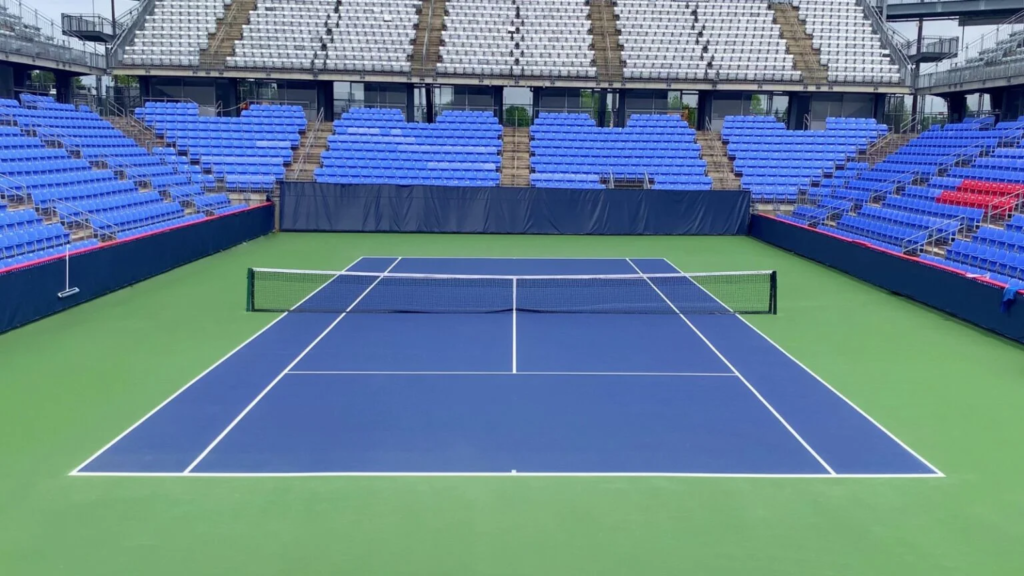
Tennis courts are not all built the same, and in a city like Chennai, the type of surface can significantly influence the way the game is played. The bounce of the ball, the speed of rallies, and even the player’s movement depend heavily on the court surface. Chennai offers a variety of tennis court surfaces, making it possible for both beginners and professional players to experience different playing styles without leaving the city.
Most tennis facilities in Chennai feature hard courts, clay courts, or synthetic surfaces, each with its own advantages and challenges. Hard courts are the most common because they require relatively low maintenance and are durable in the city’s hot and humid climate. Clay courts, while less common, provide a slower pace of play and are often preferred by players who enjoy longer rallies and strategic gameplay. Synthetic and acrylic courts are increasingly popular in modern sports complexes because they provide consistent bounce and excellent player comfort.
Weather conditions also play a role in determining which court types are most practical. Chennai experiences high temperatures and seasonal monsoon rains, so surfaces that drain quickly and withstand heat tend to dominate local sports infrastructure. This is one reason why acrylic and hard courts are widely used in residential communities, schools, and tennis academies.
Another important factor is player development. Coaches often recommend training on multiple surfaces because each one develops different skills. Hard courts encourage quick reactions and powerful baseline play, while clay courts help players improve patience and footwork. For aspiring athletes, exposure to different surfaces prepares them for tournaments played across varied court types.
Understanding these court variations can help players choose the best facility for their needs. Whether someone is playing casually with friends or preparing for competitive tournaments, selecting the right court surface can greatly improve both performance and enjoyment.
Hard Courts
Hard courts are by far the most common type of tennis court in Chennai, and for good reason. These courts are typically made from asphalt or concrete layers coated with acrylic materials, creating a durable playing surface that performs well even under intense sunlight and frequent use.
One of the biggest advantages of hard courts is their consistent bounce and predictable ball behavior. Unlike clay courts, where the ball may slow down or kick unpredictably, hard courts offer a reliable surface that allows players to develop precise strokes. This consistency is particularly beneficial for beginners who are still learning proper technique.
Hard courts also support a fast-paced style of play. The ball travels quickly across the surface, leading to shorter rallies and more aggressive shot-making. Players who enjoy powerful serves, strong forehands, and quick volleys often prefer hard courts because they reward speed and precision.
Maintenance is another reason why these courts dominate Chennai’s tennis infrastructure. Compared to clay courts, hard courts require significantly less daily upkeep. Facility managers mainly need to keep the surface clean, repaint boundary lines periodically, and ensure proper drainage during monsoon seasons. This lower maintenance cost makes them ideal for schools, residential complexes, and public sports centers.
Many of Chennai’s well-known tennis facilities rely on hard courts. The SDAT Tennis Stadium, which once hosted international ATP tournaments, features professional-grade hard courts designed to meet global standards. Numerous academies also use this surface for training because it closely resembles the courts used in major tournaments like the US Open and Australian Open.
Upgrade Your Sports Court Today
Get premium synthetic acrylic flooring designed for durability, grip, and performance.
Get Free ConsultationFor players who want a balanced game that combines speed, strategy, and endurance, hard courts provide an excellent environment. Their durability and consistent performance make them the backbone of Chennai’s tennis ecosystem.
Clay Courts
Clay courts offer a completely different tennis experience compared to hard courts. These courts are made from crushed brick, shale, or stone materials that create a softer and slower playing surface. While clay courts are less common in Chennai, they remain highly valued among serious players and professional training academies.
The most noticeable difference on a clay court is the slower ball speed. When the ball hits the surface, it loses momentum and bounces higher than it would on a hard court. This creates longer rallies and forces players to rely more on patience, strategy, and endurance rather than pure power. Matches on clay courts often turn into tactical battles where players carefully construct points rather than ending them quickly.
Another distinctive feature of clay courts is the ability to slide during movement. Experienced players use controlled slides to reach difficult shots and maintain balance while changing direction. While this technique takes time to master, it can significantly improve footwork and agility.
Clay courts are also considered gentler on the body. Because the surface is softer than concrete or asphalt, it absorbs more impact when players run or jump. Many athletes recovering from injuries prefer practicing on clay because it reduces stress on joints and muscles.
Maintenance, however, is the biggest challenge. Clay courts require daily watering, rolling, and line maintenance to keep the surface in proper condition. In a humid coastal city like Chennai, this level of care demands dedicated staff and resources. As a result, clay courts are usually found in premium clubs or specialized tennis academies rather than public facilities.
Despite these challenges, clay courts remain an essential part of tennis development. Training on clay improves stamina, patience, and defensive skills, which are critical for competitive players. For anyone serious about mastering tennis strategy, experiencing clay courts in Chennai can be both challenging and incredibly rewarding.
Synthetic and Acrylic Courts
In recent years, synthetic and acrylic tennis courts have become increasingly popular across Chennai. These modern surfaces combine durability with comfort, making them a preferred choice for newly built sports complexes, schools, and residential communities.
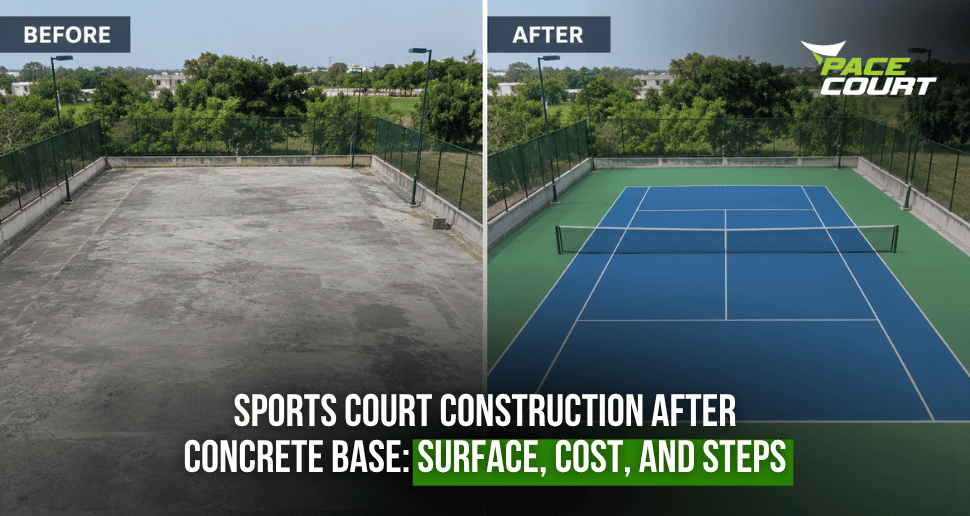
Acrylic courts are typically constructed by applying multiple layers of specialized coatings over asphalt or concrete. These coatings create a smooth, cushioned surface that improves player comfort and reduces fatigue during long matches. Compared to traditional hard courts, acrylic surfaces provide slightly better shock absorption, which can help prevent injuries over time.
One of the biggest advantages of synthetic courts is their weather resistance. Chennai’s climate includes intense sunlight, humidity, and seasonal monsoon rains, all of which can damage poorly constructed surfaces. High-quality synthetic courts are designed to withstand these conditions while maintaining consistent performance. They also dry relatively quickly after rain, allowing players to return to the court sooner.
Another benefit is the customizable speed of play. By adjusting the type and thickness of acrylic coatings, facility designers can control how fast or slow the court plays. Some courts are built for recreational players who prefer moderate ball speed, while others are designed for competitive training environments.
Synthetic courts also offer strong visual appeal. Bright blue or green playing surfaces combined with contrasting boundary lines create a professional look similar to international tournaments. This aesthetic quality is one reason many premium residential projects in Chennai install acrylic tennis courts as lifestyle amenities.
Maintenance requirements are relatively manageable as well. Unlike clay courts that need daily grooming, synthetic courts mainly require periodic cleaning and resurfacing every few years. This makes them cost-effective for long-term operation.
As Chennai continues expanding its sports infrastructure, synthetic courts are becoming an important part of the city’s tennis landscape. They combine modern technology, durability, and player comfort, making them an excellent option for both recreational players and serious athletes.
Top Tennis Courts and Clubs in Chennai
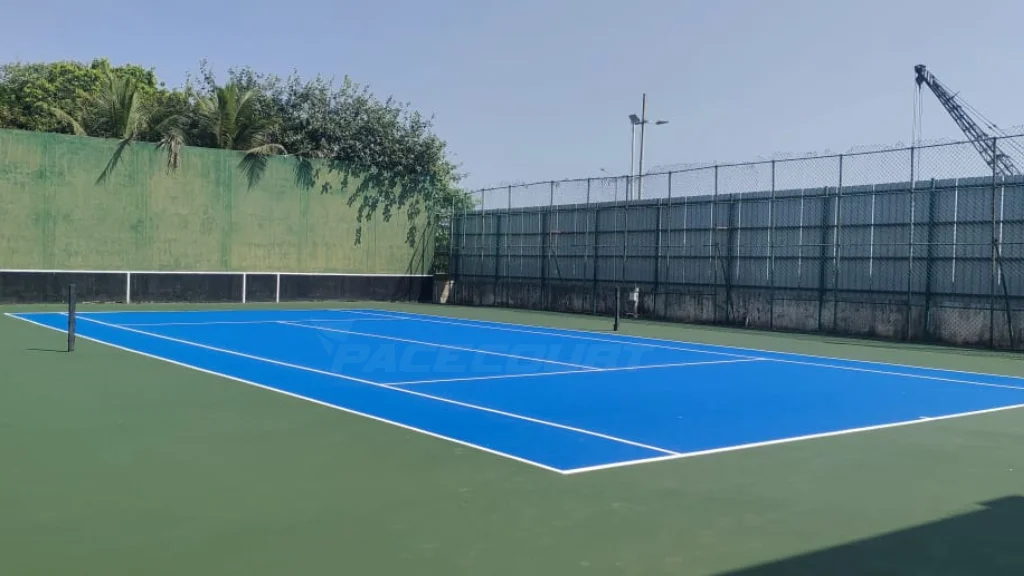
Chennai is home to several outstanding tennis venues that cater to players of all levels. Some facilities are historic clubs with decades of tradition, while others are modern academies equipped with advanced training infrastructure. These venues form the backbone of the city’s tennis culture.
Among the most famous is the SDAT Tennis Stadium in Nungambakkam, a venue that has hosted international tournaments and professional players from around the world. Other prominent locations include private clubs such as the Madras Cricket Club and neighborhood sports complexes in areas like Adyar and Besant Nagar.
Each facility offers a unique environment. Some prioritize competitive training with professional coaching staff, while others focus on community recreation where players gather for friendly matches and social interaction. Choosing the right tennis venue often depends on a player’s goals, skill level, and budget.
The next sections explore some of Chennai’s most notable tennis courts and clubs, highlighting what makes each one special.
SDAT Tennis Stadium (Nungambakkam)
The SDAT (Sports Development Authority of Tamil Nadu) Tennis Stadium is arguably the most iconic tennis venue in Chennai. Located in the heart of Nungambakkam, this stadium has played a central role in shaping the city’s tennis culture for decades.
Built to host international competitions, the stadium gained worldwide recognition as the home of the Chennai Open ATP tournament, which ran from 1996 to 2017. During those years, the venue welcomed top-ranked players from across the globe. For local fans, watching elite athletes compete just a few meters away created unforgettable memories and inspired a new generation of tennis enthusiasts.
The stadium features professional-grade hard courts, spectator seating, training facilities, and practice courts used by aspiring players and professionals alike. The infrastructure meets international standards, making it one of the most prestigious tennis venues in India.
Beyond professional tournaments, the SDAT complex also serves as a training hub for young athletes. Several coaching programs operate within the facility, providing structured development pathways for juniors who want to compete in state and national tournaments. Many players from Tamil Nadu have started their journeys on these courts.
Accessibility is another major advantage. Located in central Chennai, the stadium is relatively easy to reach from different parts of the city. This makes it a popular destination for tennis events, coaching sessions, and local competitions.
For anyone passionate about tennis, visiting or playing at the SDAT Tennis Stadium feels like stepping into the heart of Chennai’s tennis legacy.
Madras Cricket Club Tennis Courts
The Madras Cricket Club (MCC) is one of the most historic sports institutions in Chennai, and while the name suggests a focus on cricket, the club also provides excellent tennis facilities. Located inside the iconic MA Chidambaram Stadium complex in Chepauk, MCC offers a refined and classic sporting atmosphere that attracts athletes, professionals, and sports enthusiasts alike.
The tennis courts at MCC are known for their well-maintained playing surfaces and premium club environment. Unlike public sports complexes that often experience heavy daily traffic, these courts typically provide a calmer and more controlled playing environment. This allows players to enjoy longer practice sessions without excessive waiting times or overcrowding.
Membership at the Madras Cricket Club is highly valued in Chennai’s social and sporting circles. Members gain access to multiple sports facilities including tennis, cricket, squash, and swimming. For tennis players, this means the opportunity to practice regularly in a structured and professional environment while also being part of a vibrant sports community.
Another major advantage of MCC’s tennis facilities is the networking and social aspect. Many members are business leaders, entrepreneurs, and professionals who share a passion for sports. Friendly matches often turn into opportunities for conversation, collaboration, and long-term friendships. This social dimension makes tennis at MCC more than just a physical activity—it becomes a community experience.
The club also organizes internal tournaments and inter-club competitions, encouraging members to improve their skills and maintain a competitive spirit. These events are usually well organized and bring together players of different skill levels, from beginners to experienced competitors.
For players seeking a premium tennis experience in Chennai, the Madras Cricket Club stands out as one of the most prestigious venues. Its blend of tradition, exclusivity, and high-quality sports infrastructure creates an atmosphere that few other tennis facilities in the city can match.
Besant Nagar and Adyar Tennis Facilities
The coastal neighborhoods of Besant Nagar and Adyar have quietly become some of the most active tennis hubs in Chennai. Known for their leafy streets, educational institutions, and vibrant residential communities, these areas provide multiple opportunities for tennis enthusiasts to play regularly.
One of the reasons tennis thrives here is the presence of numerous sports clubs, schools, and residential complexes equipped with courts. Many apartment communities in Adyar and Besant Nagar include tennis courts as part of their recreational infrastructure. Residents often organize informal matches during early mornings and evenings when the weather is more comfortable.
Several local sports academies also operate in these neighborhoods. These academies provide structured coaching programs for children, teenagers, and adults. Young players often start training at the beginner level and gradually progress toward district and state-level competitions. Coaches in these academies typically emphasize technique, footwork, and mental discipline.
Another advantage of these coastal areas is the community-driven sports culture. Tennis players frequently connect through local groups, social media communities, or sports booking apps to find partners for practice sessions. This makes it easier for newcomers to integrate into the tennis scene even if they don’t belong to a private club.
The environment itself also adds to the experience. Playing tennis near the coast often means cooler evening breezes and scenic surroundings. After a match, many players head to nearby cafés or walk along the Besant Nagar beach promenade, turning a simple tennis session into a relaxed social outing.
For players who prefer accessible and community-oriented tennis facilities, Besant Nagar and Adyar offer some of the best options in Chennai.
Public vs Private Tennis Courts in Chennai
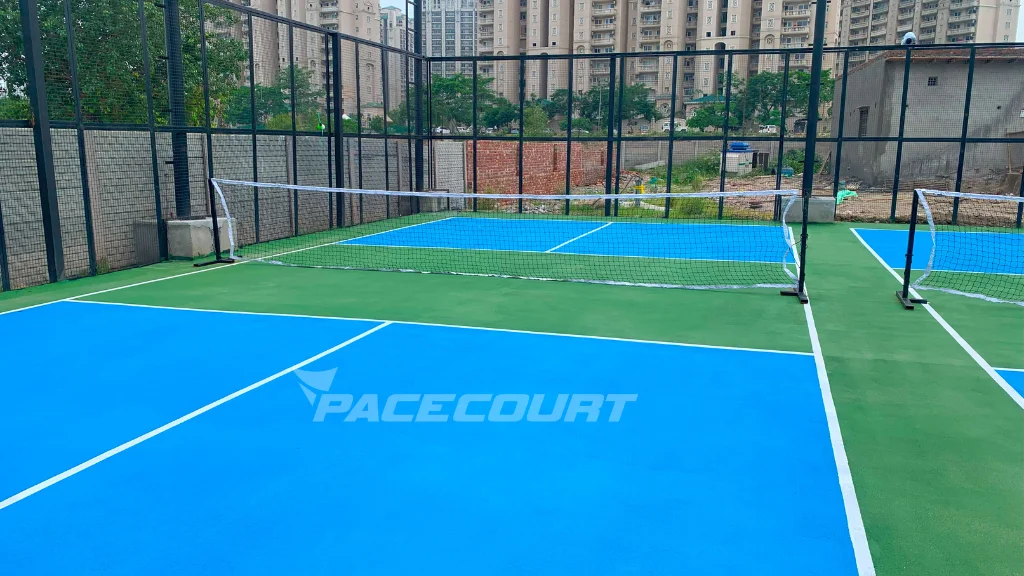
Choosing where to play tennis in Chennai often comes down to a simple question: public court or private club? Both options have their advantages, and the right choice usually depends on a player’s budget, playing frequency, and expectations.
Public courts are typically managed by government organizations, sports authorities, or educational institutions. These courts are designed to make tennis accessible to a broader population, allowing anyone to book a slot and play. The affordability of public courts makes them especially appealing for beginners and students.
Private tennis clubs, on the other hand, offer a more exclusive environment. Access usually requires a membership or guest entry. While this means higher costs, private clubs often provide better maintenance, coaching facilities, and fewer crowds.
Another key difference lies in the overall experience. Public courts emphasize accessibility and community participation, while private clubs focus on premium amenities and structured sports programs. Some players enjoy the energetic atmosphere of public courts, where they can meet new partners and play casual matches. Others prefer the organized environment of private clubs, where training sessions and tournaments are carefully scheduled.
Understanding these differences helps players choose a tennis facility that aligns with their lifestyle and goals.
Advantages of Public Courts
Public tennis courts play a crucial role in expanding access to the sport across Chennai. These facilities are often operated by organizations such as the Sports Development Authority of Tamil Nadu (SDAT) or local municipal bodies, making them affordable and accessible to a wide range of players.
The most obvious advantage is cost-effectiveness. Public courts usually charge modest hourly booking fees, allowing students, beginners, and recreational players to enjoy tennis without committing to expensive memberships. This affordability helps introduce the sport to people who might otherwise never try it.
Public courts also create a diverse and energetic playing community. On any given day, you might see school students practicing serves, office workers unwinding after a long day, and experienced players preparing for tournaments. This diversity makes the environment lively and welcoming.
Another benefit is the opportunity to meet new playing partners. Because public courts attract a broad range of players, it’s relatively easy to find someone with a similar skill level for practice matches. Many friendships and informal tennis groups in Chennai started on these courts.
Some public facilities also offer basic coaching programs at affordable rates. These programs allow beginners to learn the fundamentals without investing heavily in private training sessions.
While public courts may not always provide luxury amenities, they serve an essential purpose by making tennis accessible and encouraging more people to participate in the sport.
Benefits of Private Clubs
Private tennis clubs offer a completely different experience compared to public courts. These facilities focus on quality, exclusivity, and professional-level infrastructure, making them attractive to serious players and sports enthusiasts who want a premium environment.
One major advantage is the quality of court maintenance. Private clubs typically employ dedicated staff to clean, repair, and maintain the courts regularly. This ensures consistent playing conditions, which can significantly improve practice sessions and match performance.
Another key benefit is access to professional coaching and structured training programs. Many private clubs hire certified tennis coaches who work with players on advanced techniques, match strategies, and physical conditioning. These programs are particularly valuable for young athletes aiming to compete in regional or national tournaments.
Private clubs also provide a comfortable and well-equipped environment. Facilities often include locker rooms, fitness centers, swimming pools, and relaxation areas where members can unwind after a match. This turns a simple tennis session into a complete recreational experience.
Networking opportunities are another reason many people join private clubs. Members often include professionals, entrepreneurs, and sports enthusiasts who share common interests. Tennis matches frequently become opportunities to build friendships and professional connections.
For players who prioritize comfort, quality infrastructure, and a structured sporting environment, private tennis clubs in Chennai offer a highly rewarding experience.
Tennis Coaching Academies in Chennai
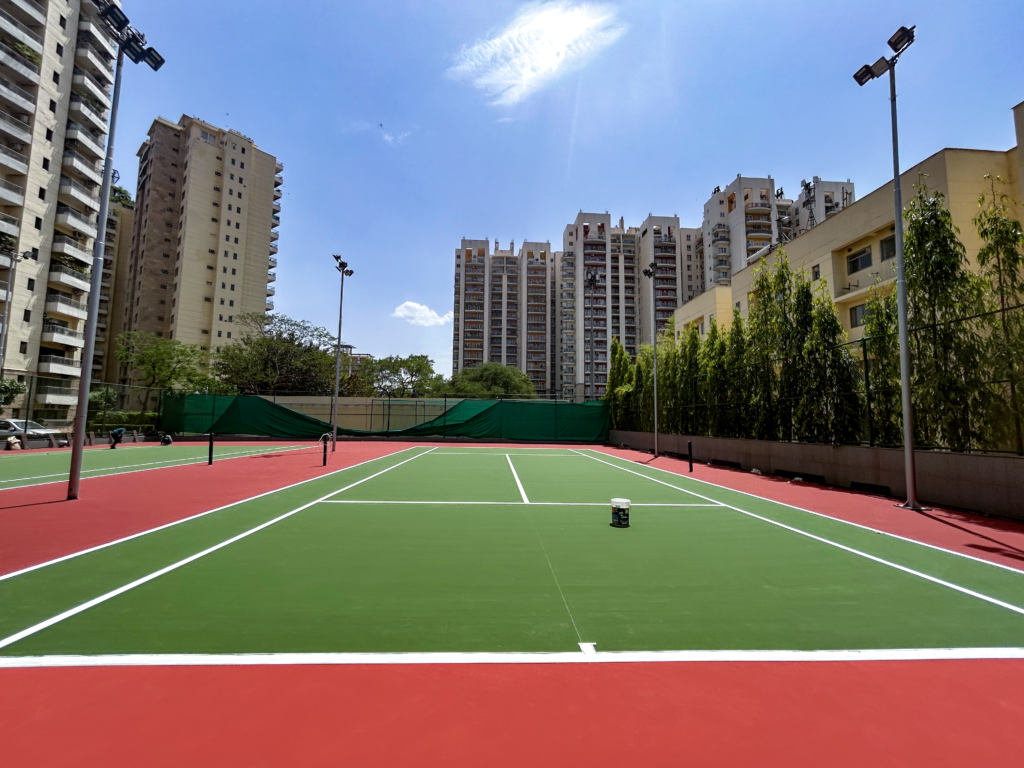
Chennai is widely recognized as one of India’s most active cities for tennis training. The presence of numerous professional coaching academies has created a strong development pathway for aspiring players. These academies cater to everyone—from children holding a tennis racket for the first time to advanced athletes preparing for competitive tournaments.
Most academies follow a structured curriculum that focuses on technical skills, physical conditioning, and mental toughness. Training sessions typically include drills for serving, forehand and backhand strokes, footwork exercises, and match simulations. Coaches emphasize consistency and discipline, which are crucial for long-term improvement.
Another reason coaching academies thrive in Chennai is the growing interest among parents who want their children to engage in structured sports activities. Tennis is often seen as a sport that builds focus, resilience, and strategic thinking. As a result, many academies run specialized junior development programs.
Modern training centers also integrate fitness training and sports science into their programs. Strength conditioning, agility drills, and injury prevention exercises help young players build the physical foundation required for competitive tennis.
With its strong coaching infrastructure and passionate tennis community, Chennai continues to produce talented players who compete at state and national levels.
Professional Training Programs
Professional tennis training programs in Chennai are designed for players who want to take the sport seriously and compete at higher levels. These programs are typically run by experienced coaches who have played competitive tennis or hold certifications from international tennis organizations.
Training sessions usually begin with technical skill development. Players practice serves, groundstrokes, volleys, and footwork through repetitive drills that build muscle memory. Coaches carefully analyze each player’s technique, correcting posture, grip, and swing mechanics to ensure proper fundamentals.
Another essential component is match strategy and tactical awareness. Players learn how to construct points, anticipate opponents’ moves, and adapt their playing style depending on the situation. This strategic understanding often separates casual players from competitive athletes.
Physical conditioning is also heavily emphasized. Tennis requires explosive speed, endurance, and flexibility, so many academies incorporate strength training, agility ladders, sprint drills, and endurance workouts into their programs.
Regular practice matches and internal tournaments help players gain competitive experience. These matches simulate real tournament conditions and teach athletes how to handle pressure and maintain focus during long rallies.
Professional training programs provide a pathway for dedicated players to progress from local competitions to state, national, and even international tournaments.
Programs for Kids and Beginners
Tennis academies in Chennai have also developed excellent programs specifically designed for kids and beginner players. These programs focus on making the sport enjoyable while gradually introducing essential skills.
For children, training often begins with modified equipment and smaller courts. Using lighter rackets and softer balls helps young players learn proper technique without feeling overwhelmed. Coaches emphasize fun activities and interactive drills to keep children engaged.
Beginner programs for adults follow a slightly different approach. Coaches focus on basic strokes, footwork patterns, and simple rally techniques that allow new players to start enjoying the game quickly. These sessions are often conducted in small groups, creating a supportive learning environment.
Many academies also organize friendly tournaments and skill challenges for beginners. These events help participants build confidence and experience the excitement of competitive play without intense pressure.
For anyone curious about tennis but unsure where to start, beginner-friendly programs in Chennai provide the perfect introduction to the sport.
Cost of Playing Tennis in Chennai
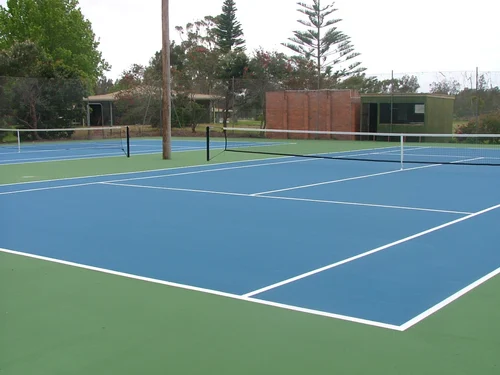
The cost of playing tennis in Chennai can vary widely depending on where you play, how often you train, and whether you choose a public facility or a premium private club. For beginners, the good news is that tennis in Chennai doesn’t have to be expensive. With the growing number of courts and academies across the city, players can find options that suit almost every budget.
Several factors influence the overall cost of playing tennis. These include court booking fees, coaching charges, club memberships, equipment expenses, and tournament participation fees. While casual players might only need to pay for court time and a basic racket, serious athletes often invest in structured coaching programs and professional-grade equipment.
Tennis equipment itself can range from affordable to premium. A beginner racket typically costs between ₹2,000 and ₹6,000, while advanced rackets used by competitive players may cost ₹10,000 or more. Tennis balls, shoes, and accessories add to the total cost, although these are usually replaced periodically rather than every month.
Chennai’s tennis ecosystem also offers flexibility in how players spend. Some people play once or twice a week at local courts with friends, keeping costs minimal. Others train daily at professional academies, treating tennis almost like a career pursuit. This flexibility allows the sport to attract both recreational players and serious athletes.
Another important aspect is value. Many players see tennis not just as a sport but as an investment in health and social interaction. A regular tennis routine improves cardiovascular fitness, coordination, and mental focus while also providing opportunities to meet new people.
Understanding the cost structure helps players plan their tennis journey realistically. Whether someone wants to play casually on weekends or train intensively, Chennai offers plenty of options that make the sport accessible and rewarding.
Court Booking Fees
Court booking fees are one of the primary expenses for tennis players in Chennai. These fees depend on several factors, including the type of facility, court surface, location, and time of day. Public courts generally charge lower fees, while private clubs and premium sports complexes tend to be more expensive.
Public sports complexes managed by organizations like the Sports Development Authority of Tamil Nadu (SDAT) often charge between ₹200 and ₹500 per hour for court bookings. These courts are popular among students, recreational players, and beginners because they offer affordable access to quality facilities.
Private sports clubs and residential complexes usually charge higher rates. At some premium clubs, hourly court fees can range from ₹500 to ₹1,500, depending on the club’s reputation and infrastructure. These facilities often provide better lighting, seating areas, and well-maintained surfaces, which many players find worth the additional cost.
Peak hours can also influence pricing. Early mornings and evenings are the most popular playing times in Chennai due to the heat during midday. Courts during these periods may be harder to book and sometimes slightly more expensive.
Today, many players book courts through sports booking apps and online platforms. These platforms allow users to check availability, compare prices, and reserve courts instantly. This digital convenience has made it easier than ever to organize matches with friends or schedule practice sessions.
For regular players, splitting court fees with partners can make tennis extremely affordable. Since a standard match involves two or four players, the cost per person often becomes quite reasonable.
Coaching and Membership Costs
Coaching and club memberships represent the next major expense for tennis players in Chennai, especially for those who want structured training. These costs vary depending on the experience of the coach, the reputation of the academy, and the frequency of training sessions.
Beginner coaching programs in Chennai typically cost around ₹2,000 to ₹5,000 per month, depending on the number of weekly sessions. These programs focus on basic techniques, footwork, and game fundamentals, making them ideal for players who are just starting their tennis journey.
Intermediate and advanced coaching programs can cost between ₹5,000 and ₹15,000 per month. These sessions usually involve smaller groups, personalized feedback from coaches, and more intensive training routines. Players aiming to compete in tournaments often enroll in these programs.
Private one-on-one coaching is also available but tends to be more expensive. Individual lessons can range from ₹1,000 to ₹3,000 per hour, depending on the coach’s credentials and experience. While costly, these sessions provide highly personalized training that can accelerate skill development.
Club memberships add another layer of expense but also provide significant benefits. Some of Chennai’s premium clubs charge annual membership fees ranging from ₹30,000 to several lakhs, depending on exclusivity and facilities. These memberships often include access to tennis courts, gyms, swimming pools, and social events.
Despite these costs, many players see coaching and memberships as valuable investments. Professional guidance can dramatically improve a player’s technique and performance, while club memberships offer consistent access to high-quality facilities and a strong sports community.
How to Book a Tennis Court in Chennai
Booking a tennis court in Chennai has become much easier in recent years thanks to digital technology and improved sports infrastructure. What once required personal connections or phone calls to club offices can now often be done within minutes using a smartphone.
One of the most common ways to book a tennis court today is through online sports booking platforms and mobile apps. Apps such as Playo and similar sports networks allow players to search for available courts in their area, compare prices, and reserve a slot instantly. These platforms also show user reviews, photos, and facility details, helping players choose the best location for their needs.
Another method is booking directly through sports academies or club websites. Many tennis academies in Chennai allow players to reserve courts through online forms or messaging services like WhatsApp. This approach is particularly common for training facilities that operate structured schedules.
Public sports complexes often provide on-site booking options as well. Players can visit the facility, check available time slots, and pay the booking fee at the reception desk. While this method is slightly less convenient than online booking, it still works well for players who live nearby.
Planning ahead is usually a good idea, especially during peak hours. Early mornings and evening slots tend to fill up quickly because the weather is cooler and more comfortable for outdoor sports. Booking a day or two in advance ensures players get the time they want.
Another helpful strategy is joining local tennis groups or communities. Many players coordinate bookings together and share courts, which reduces costs and guarantees a playing partner.
With these convenient booking options, finding a tennis court in Chennai has never been easier. Whether someone wants a casual weekend match or a regular training schedule, the city provides plenty of ways to get on the court.
Best Areas in Chennai to Find Quality Tennis Courts
Chennai is a large and diverse city, and some neighborhoods are particularly well known for their sports infrastructure. For tennis players, choosing the right area can make a big difference in terms of court availability, quality of facilities, and access to coaching programs.
Nungambakkam is widely considered one of the best locations for tennis because it houses the famous SDAT Tennis Stadium. This area attracts serious players and aspiring professionals who want access to high-quality courts and structured training programs.
Adyar and Besant Nagar are also excellent areas for tennis enthusiasts. These neighborhoods feature multiple academies, residential courts, and sports clubs that encourage regular play. Their strong community culture makes it easy for players to find partners and participate in friendly matches.
Anna Nagar is another hotspot for sports facilities. The area contains several parks, schools, and private clubs with tennis courts. Many families living in Anna Nagar enroll their children in local tennis academies, making it a lively hub for junior training.
Velachery and OMR (Old Mahabalipuram Road) have seen rapid development in recent years, including modern sports complexes and residential communities with tennis amenities. Professionals working in the IT corridor often use these facilities to unwind after work.
These neighborhoods collectively form the backbone of Chennai’s tennis landscape. No matter where someone lives in the city, chances are there is a quality tennis court within a short distance.
Tips for Choosing the Right Tennis Court in Chennai
Selecting the right tennis court can greatly influence both performance and enjoyment of the game. With so many options available in Chennai, players should consider a few key factors before deciding where to play.
First, think about the type of court surface. Hard courts are fast and widely available, clay courts offer slower rallies and better joint protection, and synthetic courts provide a balanced experience. Trying different surfaces can help players discover which style suits them best.
Location is another important factor. Choosing a court close to home or work makes it easier to maintain a consistent playing routine. If traveling to the court takes too long, it becomes harder to practice regularly.
Court maintenance should also be evaluated. Well-maintained courts with clear lines, proper lighting, and smooth surfaces significantly improve the playing experience. Visiting the facility beforehand or reading online reviews can provide useful insights.
Players who want to improve quickly should look for courts that offer coaching programs or training academies. Practicing in a structured environment with professional guidance can accelerate skill development.
Finally, consider the community atmosphere. Some players prefer quiet, private clubs, while others enjoy the energetic vibe of public courts where new friendships form easily.
By considering these factors, players can find a tennis court that perfectly matches their goals and playing style.
Conclusion
Tennis in Chennai has grown from a niche sport into a vibrant and expanding community activity. With a mix of historic stadiums, private clubs, residential courts, and professional academies, the city offers opportunities for players at every level. Whether someone wants to play casually with friends or pursue competitive training, Chennai’s tennis infrastructure provides the necessary resources.
From the iconic SDAT Tennis Stadium to neighborhood courts in Adyar and Besant Nagar, the city’s facilities reflect its deep passion for sports. Affordable public courts make tennis accessible to beginners, while private clubs offer premium experiences for dedicated players.
The rise of coaching academies, online court booking platforms, and community tennis groups has further strengthened the sport’s presence in Chennai. As more people discover the physical and social benefits of tennis, the city’s tennis culture continues to flourish.
For anyone considering picking up a racket, there has never been a better time to start playing tennis in Chennai.
Stay Updated with Pacecourt
Discover expert insights, practical tips, and the latest industry updates from Pacecourt, covering sports flooring, tennis and multi-sport court construction, resurfacing, maintenance, court performance, and innovative sports infrastructure solutions.
Powered by Google's Preferred Sources feature