What Makes Pickleball So Popular Today?
Pickleball has quietly transformed from a backyard pastime into one of the fastest-growing sports in the world, and if you’ve found yourself searching for “pickleball courts near me,” you’re definitely not alone. What’s fascinating about pickleball is how it manages to strike a balance between simplicity and competitiveness. It’s easy enough for beginners to pick up within minutes, yet strategic enough to keep seasoned players hooked for years. That sweet spot is rare in sports, and it’s a big reason behind its explosive popularity.
Walk into any park or recreation center today, and you’ll likely hear the unmistakable “pop” of the paddle hitting the ball. That sound has become the heartbeat of a growing community. Unlike tennis, which can feel intimidating due to its pace and skill curve, pickleball welcomes you in. The smaller court size makes movement manageable, and the slower ball speed gives you just enough time to react without feeling overwhelmed.
Another factor driving its popularity is accessibility. You don’t need expensive gear or years of training to enjoy a decent match. A paddle, a few balls, and a court are enough to get started. This low barrier to entry has made pickleball especially appealing to families, retirees, and even younger athletes looking for a social alternative to traditional sports.
And then there’s the social aspect. Pickleball isn’t just a sport—it’s a community experience. Whether you’re playing doubles with friends or joining a pickup game with strangers, there’s a natural sense of camaraderie that builds quickly. It’s the kind of activity where conversations flow as easily as rallies, making every visit to a local court feel like more than just exercise.
The Rapid Growth of Pickleball Across the U.S.
The numbers behind pickleball’s rise are nothing short of staggering. According to recent reports, pickleball has been the fastest-growing sport in the United States for several consecutive years, with participation increasing by over 150% in just a short span. That kind of growth isn’t accidental—it reflects a cultural shift toward more inclusive, community-driven activities.
Cities and towns across the country are scrambling to keep up with demand. Tennis courts are being converted into pickleball courts, new facilities are popping up, and local governments are investing in infrastructure to support the surge of players. If you’ve noticed more courts appearing in your area, it’s not your imagination—it’s a nationwide trend.
What’s particularly interesting is how diverse the player base has become. Initially popular among older adults, pickleball has now captured the attention of millennials and Gen Z players. Social media has played a huge role in this expansion, with influencers and athletes showcasing the sport’s fun, fast-paced nature. Suddenly, pickleball isn’t just something your grandparents play—it’s something everyone wants to try.
Professional leagues and televised tournaments have also contributed to its credibility. When you see athletes competing at a high level, it changes your perception of the game. It’s no longer just casual—it’s competitive, exciting, and worthy of serious attention.
All of this growth means one thing for you: more options when searching for pickleball courts near you. But it also means more crowded courts, making it even more important to know where and when to play.
Why People of All Ages Love Pickleball
There’s something uniquely universal about pickleball that makes it appealing across generations. Think about it—how many sports can a teenager, a working professional, and a retiree all enjoy together without anyone feeling outmatched? That’s the magic of pickleball.
For older adults, the game offers a low-impact way to stay active. The smaller court reduces strain on joints, while the slower pace minimizes the risk of injury. It’s exercise disguised as fun, which is why so many seniors have embraced it wholeheartedly. But don’t mistake “low-impact” for “low-intensity.” Matches can still get competitive, especially when players develop their skills.
Younger players, on the other hand, are drawn to the social and competitive elements. It’s a great way to meet people, unwind after work, or even replace a gym session. The quick rallies and strategic gameplay keep things engaging, while the doubles format encourages teamwork and communication.
Families love pickleball because it levels the playing field. Parents can play with their kids without feeling like they need to hold back, and kids can compete without feeling intimidated. It turns a simple outing into a shared experience, something that’s increasingly rare in today’s screen-heavy world.
At its core, pickleball succeeds because it’s inclusive. It doesn’t matter your age, fitness level, or athletic background—you can step onto a court and feel like you belong. And once you do, it’s only natural to start searching for the best pickleball courts near you to keep the momentum going.
How to Find Pickleball Courts Near You
Finding pickleball courts near you might seem as simple as typing a quick search into your phone, but if you want to consistently play at the best locations—with good surfaces, friendly players, and minimal waiting—you’ll need a slightly smarter approach. The truth is, not all courts are created equal. Some are hidden gems tucked inside quiet parks, while others are bustling hubs packed with players from sunrise to sunset. Knowing how to locate the right one can completely change your playing experience.
Start by thinking about what kind of environment you prefer. Are you looking for a casual, laid-back setting where you can practice at your own pace? Or do you want a competitive atmosphere where you can test your skills against experienced players? Your answer will guide your search. Many players make the mistake of simply choosing the closest court, only to realize later that it doesn’t match their vibe or availability.
Timing also plays a huge role. Some courts are technically “available,” but if they’re constantly occupied, you may spend more time waiting than playing. This is where local knowledge becomes invaluable. Talking to other players, checking online reviews, and observing peak hours can help you avoid frustration.
Another overlooked factor is accessibility. Is there parking nearby? Are the courts well-lit for evening games? Are restrooms or water fountains available? These small details can make a big difference, especially if you plan to play regularly.
Ultimately, finding the perfect court is a mix of research and exploration. You might need to try a few different spots before you discover the one that feels just right. But once you do, it becomes more than just a place to play—it becomes part of your routine, your social circle, and your lifestyle.
Using Google Maps and Location-Based Searches
When it comes to quickly locating pickleball courts near me, Google Maps is often the first—and sometimes the best—tool people turn to. It’s fast, convenient, and surprisingly detailed if you know how to use it properly. But here’s the thing: most users barely scratch the surface of what it can do.
Instead of just typing “pickleball courts,” try variations like “public pickleball courts,” “indoor pickleball near me,” or even “pickleball clubs.” These small tweaks can yield very different results. Google’s algorithm prioritizes relevance, so being specific helps you find exactly what you’re looking for.
Once you see the results, don’t just pick the first option. Take a moment to explore the reviews and photos. Players often share valuable insights about court conditions, crowd levels, and even the friendliness of the community. A court with a slightly lower rating might still be perfect for you if it’s less crowded or better maintained.
Satellite view is another underrated feature. It allows you to visually inspect the court layout, parking availability, and surrounding environment. You can even spot whether the courts are dedicated pickleball spaces or repurposed tennis courts with temporary lines.
Directions and traffic updates also come in handy, especially if you’re planning to play during peak hours. A court that’s 10 minutes away without traffic could turn into a 30-minute drive during rush hour. Knowing this in advance helps you plan your visits more efficiently.
In short, Google Maps isn’t just a navigation tool—it’s your first step toward discovering the best pickleball experiences in your area.
Best Apps and Websites for Court Discovery
While Google Maps is a great starting point, dedicated apps and websites take your search for pickleball courts near you to the next level. These platforms are built specifically for players, which means they offer features you simply won’t find in general search tools.
One of the most popular resources is the USA Pickleball Places2Play directory. It’s essentially a comprehensive database of courts across the country, complete with details like location, number of courts, surface type, and whether they’re indoor or outdoor. It’s like having a curated guidebook in your pocket.
Apps like PicklePlay and CourtReserve go even further by adding social and scheduling features. You can find nearby games, join local groups, and even reserve courts in advance. Imagine showing up to a court knowing exactly who you’ll be playing with and when—that’s a game-changer.
What makes these platforms especially valuable is their community-driven nature. Players update information regularly, so you’re getting real-time insights rather than outdated listings. If a court is under maintenance or temporarily closed, chances are someone has already posted about it.
Some apps also include skill-level filters, which can help you find games that match your experience. This is particularly useful for beginners who might feel intimidated jumping into advanced matches. Instead of guessing, you can confidently join sessions that suit your level.
Using a combination of these tools gives you a significant advantage. You’re not just finding courts—you’re finding the right courts, the right people, and the right opportunities to improve your game.
Types of Pickleball Courts You’ll Encounter
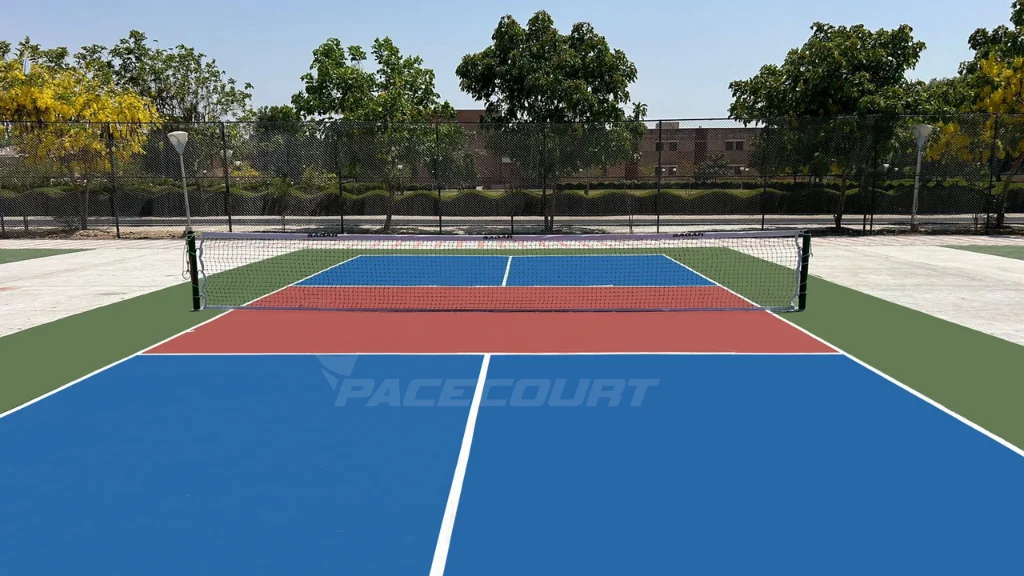
Not all pickleball courts are built the same, and understanding the different types can help you choose the best one for your needs. When searching for pickleball courts near you, you’ll quickly notice variations in design, location, and overall experience. These differences might seem minor at first, but they can have a huge impact on how much you enjoy the game.
Some courts are designed specifically for pickleball, with permanent lines and professional-grade surfaces. Others are multi-use spaces, often shared with tennis or basketball courts, where temporary lines and portable nets are used. While both options are perfectly playable, they offer very different experiences.
Weather is another factor that comes into play. Outdoor courts provide fresh air and natural lighting, but they’re subject to rain, wind, and extreme temperatures. Indoor courts, on the other hand, offer consistency and comfort, making them a popular choice in regions with unpredictable weather.
Then there’s the question of ownership. Public courts are usually free and open to everyone, while private clubs may require memberships or fees. Each option has its pros and cons, depending on your budget and how often you plan to play.
Understanding these distinctions helps you make smarter choices. Instead of settling for whatever is closest, you can actively seek out courts that align with your preferences, schedule, and playing style.
Indoor vs Outdoor Courts
Choosing between indoor and outdoor courts is one of the first decisions you’ll face when exploring pickleball courts near you. Each option has its own unique charm, and the “better” choice often comes down to personal preference and local climate.
Outdoor courts are the most common and often the most accessible. You’ll find them in public parks, community centers, and recreational areas. There’s something undeniably refreshing about playing under the open sky, with natural light and fresh air enhancing the experience. It feels less confined, more social, and often more relaxed.
However, outdoor play comes with its challenges. Wind can affect the ball’s trajectory, making shots less predictable. Heat and humidity can also take a toll, especially during summer months. And of course, there’s always the risk of rain disrupting your plans.
Indoor courts eliminate many of these variables. The controlled environment ensures consistent playing conditions, which is especially beneficial if you’re focused on improving your skills. Lighting is optimized, surfaces are well-maintained, and weather is never an issue.
The trade-off is accessibility and cost. Indoor facilities are often part of gyms or clubs, which may require memberships or hourly fees. They can also be more crowded during peak times, as players seek shelter from the elements.
Ultimately, both options have their place. Many players switch between indoor and outdoor courts depending on the season, giving them the best of both worlds.
Public Parks vs Private Clubs
Another key distinction you’ll encounter when searching for pickleball courts near me is whether the court is located in a public park or a private club. Each setting offers a different kind of experience, and understanding these differences can help you decide where you’ll feel most comfortable playing.
Public park courts are often the heart of local pickleball communities. They’re free or very low-cost, making them accessible to everyone. You’ll find a wide range of players here—from complete beginners to seasoned veterans. This diversity creates a welcoming atmosphere where it’s easy to jump into a game and meet new people.
The downside is that popularity can lead to overcrowding. During peak hours, you might have to wait for a court or rotate in with other players. While this can be a great way to socialize, it’s not ideal if you’re looking for uninterrupted play.
Private clubs, on the other hand, offer a more structured and predictable experience. Courts are usually well-maintained, and reservations ensure you have dedicated playing time. Many clubs also provide coaching, leagues, and organized events, which can be incredibly valuable if you’re serious about improving your game.
Of course, these benefits come at a cost. Membership fees can vary widely, and some clubs require long-term commitments. It’s important to weigh these expenses against how often you plan to play.
In the end, the choice between public and private courts comes down to your priorities. If you value community and affordability, public parks are a great option. If you prefer consistency and premium facilities, a private club might be worth the investment.
Key Features to Look for in a Good Pickleball Court
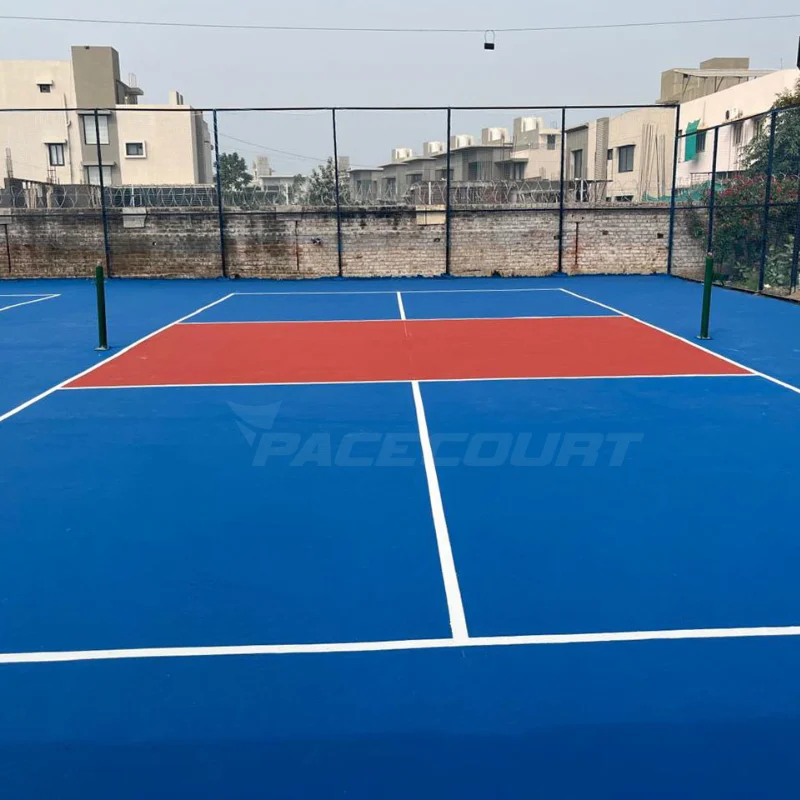
When you’re searching for pickleball courts near you, it’s easy to focus only on distance and availability. But if you’ve ever played on a poorly maintained court, you already know how quickly that excitement can fade. The truth is, the quality of the court can completely shape your playing experience—sometimes in ways you don’t even notice until something feels off.
A great pickleball court isn’t just about having a flat surface and a net. It’s about how everything comes together to create a smooth, enjoyable, and safe environment. Think of it like cooking your favorite meal—each ingredient matters, and when one is missing or off-balance, the whole experience changes.
For example, the texture of the court surface affects how the ball bounces and how your shoes grip the ground. A worn-out or cracked surface can lead to unpredictable bounces, which can be frustrating and even risky. Similarly, proper court markings are essential for fair play. Faded or unclear lines can lead to constant disputes, breaking the flow of the game.
Another factor that often goes unnoticed is spacing. A well-designed court has enough room around it for players to move freely without feeling cramped. If you’ve ever chased a ball only to nearly collide with a fence or another court, you’ll understand why this matters.
Ultimately, choosing the right court is about more than convenience—it’s about setting yourself up for a better, more enjoyable experience every time you play.
Surface Quality, Lighting, and Amenities
Let’s zoom in on the details that truly define a high-quality pickleball court. When evaluating pickleball courts near me, three elements consistently stand out: surface quality, lighting, and amenities. These might sound like small details, but together they create the foundation of a great playing environment.
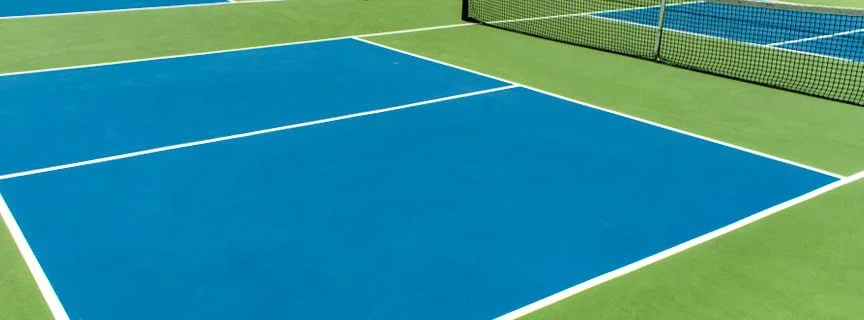
The surface is arguably the most important factor. Most pickleball courts are made of asphalt or concrete, often coated with a specialized acrylic layer to improve traction and ball response. A good surface should feel consistent underfoot, allowing you to move confidently without slipping. Cracks, puddles, or uneven patches are red flags—they don’t just affect gameplay; they increase the risk of injury.
Lighting becomes crucial if you plan to play in the վաղ morning or evening. Well-lit courts extend your playing hours and ensure visibility remains consistent. Poor lighting can create shadows that make it difficult to track the ball, especially during fast rallies. If you’re serious about playing regularly, finding courts with reliable lighting is a huge advantage.
Amenities are the finishing touch that can elevate your experience. While they’re not strictly necessary, they make a big difference over time. Look for features like:
- Benches or seating areas for rest breaks
- Water fountains or nearby hydration options
- Restrooms for convenience
- Shade structures or covered areas
These elements might seem secondary, but they contribute to comfort and convenience, especially during longer sessions. A court that takes care of these details shows that it’s designed with players in mind.
Court Availability and Booking Systems
Even the best court in the world won’t do you much good if you can’t actually play on it. That’s why availability is such a critical factor when exploring pickleball courts near you. It’s one thing to find a beautiful court, and another to find one that fits seamlessly into your schedule.
Public courts often operate on a first-come, first-served basis. While this system is simple, it can lead to long wait times during peak hours. You might arrive ready to play, only to find a queue of players ahead of you. Some parks use paddle rotation systems, where players take turns in organized sequences. This can be fair and social, but it may limit how long you can play in a single session.
Private facilities and clubs usually offer booking systems, which provide more control over your schedule. Apps like CourtReserve or facility-specific platforms allow you to reserve a court in advance, ensuring you have guaranteed playing time. This is especially useful if you’re coordinating with friends or planning practice sessions.
However, booking systems come with their own considerations. Some require membership, while others charge hourly fees. It’s important to understand the rules—cancellation policies, time limits, and peak pricing can all affect your experience.
Another emerging trend is hybrid systems, where public courts offer limited reservations alongside open play. This approach tries to balance accessibility with convenience, giving players more flexibility.
In the end, the best court for you is one that aligns with your routine. Whether you prefer spontaneous games or carefully planned sessions, understanding availability and booking options helps you make the most of your time on the court.
Costs and Membership Options Explained
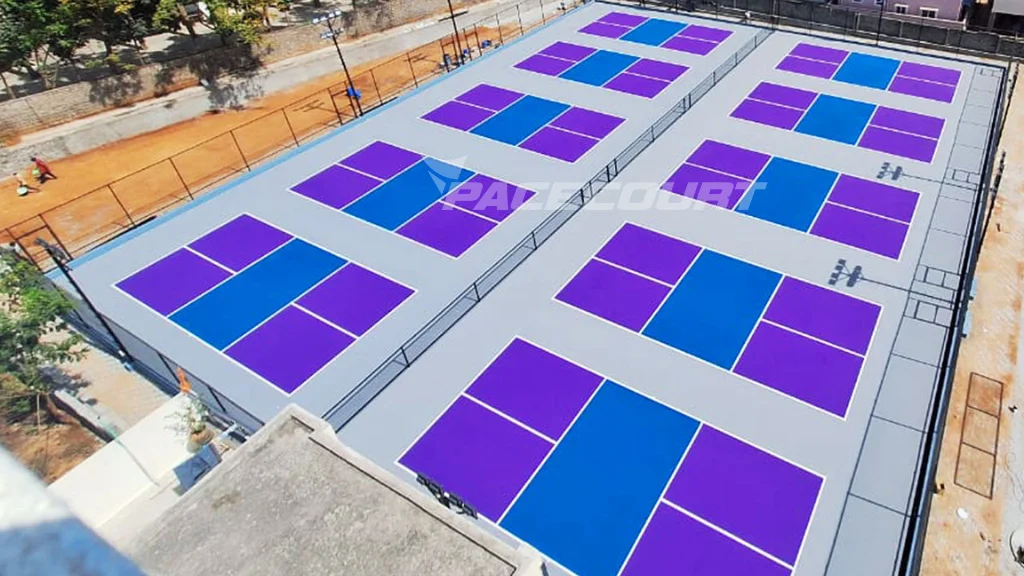
One of the most common questions people have when searching for pickleball courts near me is simple: “How much is this going to cost?” The good news is that pickleball remains one of the most affordable sports out there. The not-so-simple answer is that costs can vary widely depending on where and how you choose to play.
At one end of the spectrum, you have completely free public courts. These are typically located in parks or community spaces and are funded by local governments. They’re perfect for casual players or anyone just getting started. You can show up, join a game, and play without spending a dime.
On the other end, you have premium facilities and private clubs that offer top-tier amenities, organized events, and professional coaching. These come with membership fees or pay-per-play costs, which can add up over time. The key is understanding what you’re paying for and whether it aligns with your goals.
Interestingly, many players find themselves somewhere in the middle. They might use public courts for casual games and occasionally visit private facilities for a more structured experience. This hybrid approach allows you to enjoy the best of both worlds without committing fully to one option.
Understanding the cost landscape helps you make informed decisions. It’s not about choosing the cheapest or the most expensive option—it’s about finding the right balance between value and experience.
Free Public Courts vs Paid Facilities
The choice between free and paid pickleball courts near you often comes down to priorities. Free public courts are incredibly appealing because, well, they’re free. But as with most things in life, there are trade-offs.
Public courts are accessible, inclusive, and often buzzing with activity. They’re great for meeting new people and getting a feel for the local pickleball community. However, their popularity can lead to overcrowding, especially during evenings and weekends. Maintenance can also vary depending on local funding and usage levels.
Paid facilities, in contrast, offer a more controlled environment. Courts are usually in excellent condition, and you’re less likely to deal with overcrowding. Many facilities also provide additional services like coaching, leagues, and tournaments, which can significantly enhance your experience.
Here’s a quick comparison:
| Feature | Public Courts | Paid Facilities |
|---|---|---|
| Cost | Free or low-cost | Membership or hourly fees |
| Availability | First-come, first-served | Reservation-based |
| Maintenance | Varies | Typically high |
| Community | Diverse and open | More structured |
Choosing between these options depends on what you value most. If you enjoy spontaneity and social interaction, public courts are a fantastic choice. If you prefer consistency and premium conditions, paid facilities might be worth the investment.
Membership Benefits and Hidden Fees
If you’re considering joining a private facility, it’s important to look beyond the surface. Memberships can offer incredible value, but they can also come with unexpected costs. When evaluating pickleball courts near me, understanding these details can save you from surprises down the line.
Membership benefits often include priority court reservations, access to exclusive events, and discounted rates for lessons or tournaments. Some clubs even offer fitness facilities, lounges, and social events, turning your membership into a full lifestyle experience.
However, it’s essential to read the fine print. Hidden fees can include initiation charges, annual maintenance fees, or additional costs for peak-hour bookings. Some clubs also have guest fees, which can add up if you frequently bring friends.
Another factor to consider is commitment. Many memberships require long-term contracts, which might not be ideal if your schedule is unpredictable. Flexibility is key, especially if you’re still exploring how often you want to play.
The best approach is to ask questions and, if possible, try a trial membership. This gives you a firsthand experience of what the facility offers without a full commitment.
In the end, a membership should enhance your pickleball journey—not complicate it. Taking the time to understand the details ensures you’re making a choice that truly fits your needs.
Tips for Beginners Visiting Local Courts
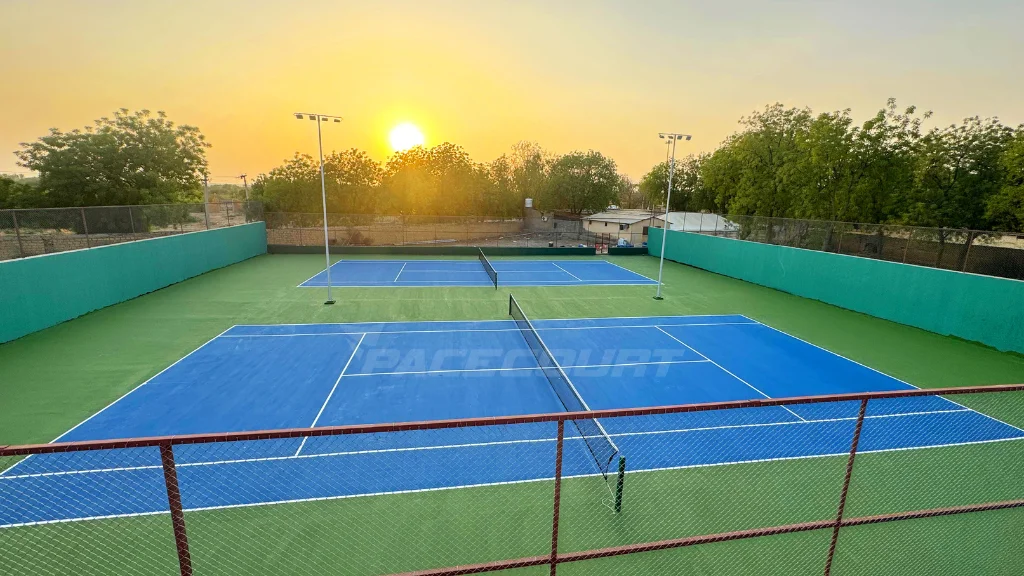
Walking onto a pickleball court for the first time can feel a bit like stepping into a new social circle—you’re excited, maybe a little unsure, and definitely curious about how everything works. If you’ve been searching for pickleball courts near me and finally found a spot to play, the next step is making sure you show up prepared and confident. The good news? You don’t need to be an expert to fit right in.
One of the biggest misconceptions beginners have is that they need to be “good enough” before playing in public. That couldn’t be further from the truth. Most pickleball communities are incredibly welcoming, and experienced players are often happy to help newcomers learn the ropes. The key is to approach the game with an open mindset and a willingness to learn.
It also helps to observe before jumping in. Spend a few minutes watching how games rotate, how players communicate, and how the flow of the court works. Every location has its own rhythm, and understanding it can make your first game much smoother. Think of it like joining a pickup basketball game—you don’t just run onto the court; you get a feel for how things operate first.
Another important aspect is pacing yourself. It’s easy to get caught up in the excitement and overexert yourself, especially if you’re playing multiple games in a row. Take breaks, stay hydrated, and listen to your body. Pickleball might look easy, but it can be surprisingly demanding.
Starting your pickleball journey is less about perfection and more about participation. The more you play, the more comfortable you’ll become—and before you know it, you’ll be the one welcoming new players to the court.
What to Bring to Your First Game
Showing up prepared can make a world of difference when visiting pickleball courts near you for the first time. While pickleball doesn’t require a lot of gear, having the essentials ensures you can focus on enjoying the game rather than worrying about what you forgot.
At the top of the list is your paddle. While some courts or clubs offer rentals, having your own paddle gives you consistency and comfort. Beginner paddles are relatively affordable and perfectly suitable for learning the game. Pair that with a few pickleball balls—usually plastic with holes—and you’re ready to play.
Footwear is another critical element. Regular running shoes might seem fine, but court shoes designed for lateral movement provide better support and reduce the risk of injury. Since pickleball involves quick side-to-side motions, this is one area where the right gear really matters.
Comfortable clothing is also key. Breathable, flexible fabrics allow you to move freely and stay cool during longer matches. And don’t forget the small but important items: a water bottle, a towel, and maybe even a hat or sunscreen if you’re playing outdoors.
If you want to go a step further, consider bringing a small bag to keep everything organized. It’s a simple touch, but it makes your experience feel more intentional and less rushed.
Being prepared isn’t about having the best equipment—it’s about removing distractions so you can fully enjoy your time on the court.
Court Etiquette and Basic Rules
Understanding etiquette is just as important as learning how to play when visiting pickleball courts near me. Think of it as the unwritten rulebook that keeps the game enjoyable for everyone. Without it, even the best courts can feel chaotic.
One of the first things you’ll notice is the rotation system. At busy public courts, players often take turns using a paddle queue or similar method. Respecting this system ensures fairness and keeps things running smoothly. Cutting in line or ignoring the rotation can quickly create tension.
Communication is another big part of etiquette. Calling out the score clearly before each serve helps avoid confusion, and acknowledging good shots—whether from your teammate or opponent—creates a positive atmosphere. Pickleball is competitive, but it’s also deeply social.
Then there’s the matter of boundaries. Avoid walking across active courts while a game is in progress, and be mindful of other players’ space. These small gestures show respect and help maintain the flow of play.
Basic rules, like staying out of the “kitchen” (the non-volley zone) during volleys, might seem tricky at first, but they quickly become second nature. Don’t worry about getting everything perfect—most players understand that beginners are still learning.
At its core, etiquette is about consideration. When everyone follows it, the court becomes a place where competition and camaraderie coexist effortlessly.
How to Connect with Local Pickleball Communities
Finding pickleball courts near you is only half the journey—the real magic happens when you start connecting with the people who play there. Pickleball isn’t just about hitting a ball back and forth; it’s about building relationships, sharing experiences, and becoming part of a community that extends beyond the court.
One of the easiest ways to connect is simply by showing up regularly. Familiar faces quickly turn into friendly conversations, and before long, you’ll find yourself being invited into games and groups. Consistency builds trust, and trust builds community.
Social media has also become a powerful tool for connecting players. Many local pickleball groups have Facebook pages, WhatsApp chats, or Meetup groups where they organize games, share updates, and welcome newcomers. Joining these groups can give you instant access to a network of players who share your interest.
Another approach is to participate in beginner sessions or open play events. These are specifically designed to bring people together, making them perfect for meeting others in a relaxed setting. It’s like a social mixer, but with paddles and a lot more movement.
Connecting with a community transforms pickleball from a casual hobby into something much more meaningful. It gives you a reason to keep coming back and a group of people to share the journey with.
Social Groups, Leagues, and Events
Once you’ve dipped your toes into local pickleball courts near me, you’ll likely discover a whole world of organized activities waiting for you. Social groups, leagues, and events are where the sport truly comes alive, offering opportunities to play, improve, and connect on a deeper level.
Social groups are often the most relaxed option. These are informal gatherings where players meet regularly for friendly games. There’s usually no pressure to perform, making them ideal for beginners or anyone looking to enjoy the game without intense competition.
Leagues, on the other hand, introduce a more structured format. Players are grouped by skill level, and matches are scheduled over a season. This setup provides a sense of progression and achievement, as you track your performance and improve over time.
Events and mixers add another layer of excitement. These can range from themed game nights to charity tournaments, each offering a unique experience. They’re also great opportunities to meet players from different areas and expand your network.
Participating in these activities helps you grow as a player while also deepening your connection to the sport. It’s one thing to play occasionally; it’s another to feel like you’re part of something bigger.
Finding Tournaments Near You
If you’re ready to take things up a notch, searching for tournaments at pickleball courts near you can be an exciting step forward. Tournaments bring a different energy to the game—one that’s competitive, fast-paced, and incredibly rewarding.
Local tournaments are often the best place to start. They’re more accessible and typically cater to a range of skill levels, from beginners to advanced players. Websites like USA Pickleball and dedicated apps often list upcoming events, making it easy to find opportunities nearby.
What makes tournaments special isn’t just the competition—it’s the atmosphere. There’s a buzz in the air, a sense of anticipation that makes every point feel more meaningful. You’ll see players giving their best, learning from each other, and celebrating the sport together.
Preparation is key. Make sure you understand the format, rules, and schedule before participating. Arriving early, warming up properly, and staying hydrated can make a big difference in your performance.
Even if you don’t win, the experience itself is valuable. You’ll gain insights, improve your skills, and build confidence. And who knows? You might even discover a competitive side you didn’t know you had.
Safety, Accessibility, and Inclusivity at Courts
When exploring pickleball courts near me, it’s easy to focus on convenience and gameplay, but there’s another layer that matters just as much—safety, accessibility, and inclusivity. These elements shape whether a court feels welcoming, secure, and usable for everyone, regardless of age or ability. A great court doesn’t just serve skilled players; it creates an environment where anyone can step in and feel comfortable participating.
Safety begins with the physical design of the court. Proper fencing, non-slip surfaces, and clearly marked boundaries all reduce the likelihood of accidents. But safety also extends beyond the court itself. Well-maintained walkways, adequate lighting in surrounding areas, and visible signage contribute to an overall sense of security. If you’ve ever arrived at a poorly lit court in the evening, you’ll know how quickly that excitement can turn into hesitation.
Inclusivity is another cornerstone of modern pickleball culture. One of the reasons the sport has grown so rapidly is its ability to bring together people from different backgrounds, fitness levels, and age groups. The best courts actively support this by offering programs for beginners, seniors, and even adaptive players. It’s not just about providing space—it’s about creating opportunities.
Accessibility ties everything together. Are the courts easy to reach? Do they have ramps or smooth pathways for wheelchairs? Are there seating areas for those who need frequent breaks? These details might seem small, but they can determine whether someone can participate at all.
Ultimately, a truly great pickleball court is one where everyone feels they belong. It’s not just a place to play—it’s a place to connect, grow, and enjoy the game without barriers.
Staying Safe While Playing
Safety on the court isn’t something you think about until something goes wrong, which is why it’s worth paying attention to from the start. When visiting pickleball courts near you, developing a few simple habits can go a long way in preventing injuries and keeping your experience enjoyable.
Warm-ups are often overlooked, especially in casual games. It’s tempting to jump straight into a match, but taking even five to ten minutes to stretch and loosen up can significantly reduce the risk of strains or pulls. Pickleball involves quick directional changes, and your muscles need to be ready for that.
Footwork is another key factor. Wearing proper court shoes with good grip helps you move confidently and avoid slipping. Combine that with awareness of your surroundings—like nearby players or stray balls—and you create a much safer playing environment.
Hydration is equally important, particularly during outdoor games. Dehydration can sneak up on you, affecting both performance and concentration. Keeping a water bottle nearby and taking regular breaks is a simple but effective habit.
It’s also worth mentioning communication. Calling out “ball!” when a stray ball enters your court or clearly communicating with your partner during play helps prevent collisions and confusion.
Safety isn’t about playing cautiously—it’s about playing smart. When you take these small precautions, you free yourself to fully enjoy the game without unnecessary risks.
Accessibility for Seniors and Disabled Players
One of the most inspiring aspects of pickleball is how adaptable it is. When searching for pickleball courts near me, you’ll often find facilities that go the extra mile to accommodate seniors and players with disabilities. This inclusivity isn’t just a bonus—it’s a defining feature of the sport’s identity.
For seniors, accessibility often means more than just physical access. It includes thoughtful design elements like shaded seating areas, smooth court surfaces, and easy entry points. Many courts also offer senior-specific play times or beginner-friendly sessions, creating a comfortable environment where players can enjoy the game at their own pace.
For players with disabilities, adaptive pickleball programs are becoming increasingly common. These programs may include modified equipment, specialized coaching, or courts designed to accommodate wheelchairs. The goal is simple: remove barriers so everyone can participate.
What’s particularly powerful is how these inclusive environments foster community. Players support each other, celebrate progress, and create a culture of encouragement. It’s not uncommon to see multi-generational games where everyone, regardless of ability, contributes to the experience.
Accessibility isn’t just about compliance—it’s about intention. When courts prioritize inclusivity, they send a clear message: this sport is for everyone.
Future Trends in Pickleball Facilities
As demand continues to surge, the landscape of pickleball courts near you is evolving rapidly. What was once a simple setup in a local park is transforming into a sophisticated, tech-enhanced experience. The future of pickleball isn’t just about more courts—it’s about smarter, more engaging spaces that elevate the way people play and connect.
One of the most noticeable trends is the rise of dedicated pickleball complexes. These facilities are designed exclusively for the sport, featuring multiple courts, spectator areas, and even on-site cafes or lounges. They’re not just places to play—they’re destinations.
Another trend is the integration of technology. From digital booking systems to performance tracking tools, technology is making it easier to organize games, analyze performance, and connect with other players. It’s a shift that mirrors what we’ve seen in other sports, bringing pickleball into a more modern, data-driven era.
Sustainability is also becoming a focus. New courts are being built with eco-friendly materials, energy-efficient lighting, and water-conscious designs. This reflects a broader awareness of environmental impact, ensuring that the sport’s growth doesn’t come at a cost to the planet.
These trends point to an exciting future. As facilities continue to innovate, players can expect more convenience, better quality, and richer experiences every time they step onto the court.
Smart Courts and Tech Integration
Imagine walking onto one of the newest pickleball courts near me and having your game automatically recorded, analyzed, and broken down into insights you can actually use. That’s the promise of smart courts—a growing trend that’s reshaping how people interact with the sport.
Smart courts use sensors and cameras to track ball movement, player positioning, and shot accuracy. After your game, you can review detailed stats, watch replays, and identify areas for improvement. It’s like having a personal coach built into the court itself.
These systems also enhance the social aspect of pickleball. Players can share highlights, track progress over time, and even compete in virtual leaderboards. It adds a new layer of engagement, turning every match into a measurable and shareable experience.
Booking technology is evolving as well. Mobile apps now allow you to reserve courts, join games, and connect with players in real time. Some platforms even suggest matches based on your skill level and availability, making it easier than ever to find the right game.
While these innovations are still emerging, they’re quickly gaining traction. As more facilities adopt smart technology, the way we experience pickleball will continue to evolve—becoming more connected, more personalized, and more exciting.
Conclusion
Searching for pickleball courts near me is often the first step into a much larger journey—one that blends fitness, community, and pure enjoyment. What starts as a simple search quickly turns into a routine, a social circle, and, for many, a genuine passion. The beauty of pickleball lies in its accessibility, but the real magic comes from finding the right courts and the right people to share the experience with.
From understanding the types of courts available to evaluating features like surface quality and availability, every detail plays a role in shaping your experience. Add in the social connections, the learning curve, and the evolving technology, and it becomes clear that pickleball is more than just a sport—it’s a lifestyle.
Whether you’re playing casually at a local park or joining leagues at a private facility, the key is to stay curious and open. Try different courts, meet new players, and embrace the variety that the sport offers. There’s no single “perfect” way to enjoy pickleball—only the way that works best for you.
And as the sport continues to grow, so will your options. New courts, new communities, and new opportunities are constantly emerging, making it easier than ever to stay engaged and inspired.