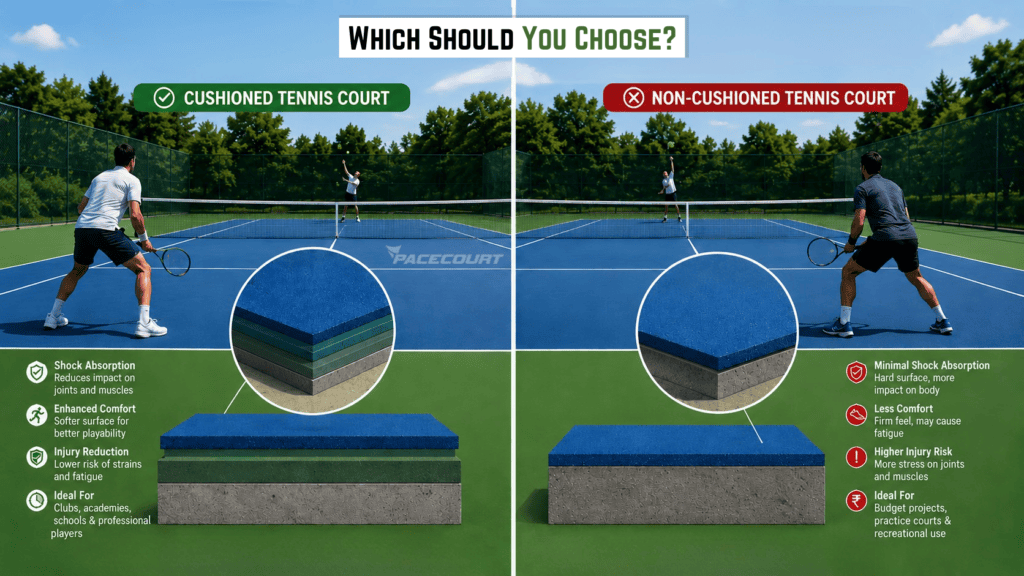
Cushioned vs Non-Cushioned Tennis Court Flooring: Which Should You Choose?
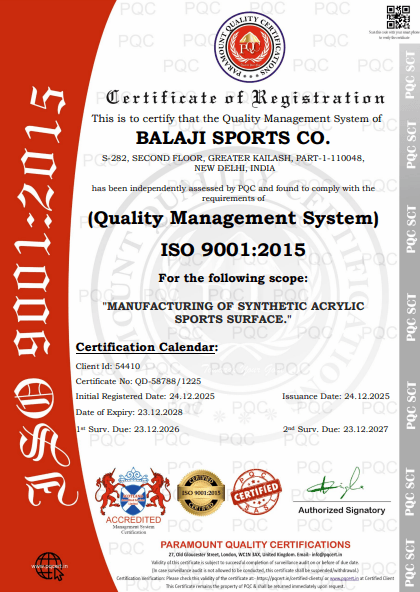
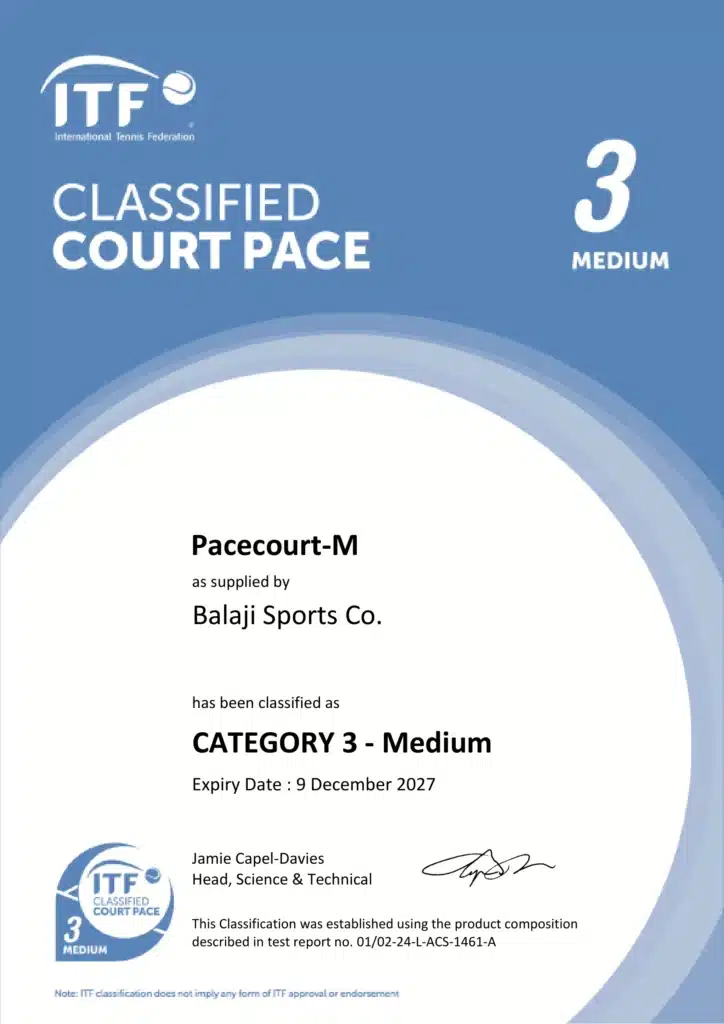
If the court gets played on most days, go cushioned. If it’s a home or society court that sees a few games a week, a non-cushioned hard court will usually do the job and save you money. Both are acrylic. The difference sits underneath the colour you see. Cushioned tennis court flooring has a few extra soft layers built in, and those layers take some of the shock out of every stride, split step and landing. If you run a school, a club, an academy or you’re putting a court in at home, this should help you pick the right tennis court material. For the full product range, see Pacecourt’s tennis court flooring page. What Is Cushioned Tennis Court Flooring? Think of it as a hard court with a bit of give. Between the resurfacer and the colour coats, the installer adds several cushion coat layers. You won’t see them once the court is finished, but your knees will notice them after a two-hour session. Pacecourt lists two cushioned builds on its layer system page: System Cushion Layers Full Build (Bottom to Top) 5-layer 2 Resurfacer, 2 cushion coats, 2 colour coats 8-layer 5 Resurfacer, 5 cushion coats, 2 colour coats The more cushion coats, the softer it feels. Lines are painted last on both. What Is Non-Cushioned Tennis Court Flooring? This is the classic hard court most people grew up playing on. The concrete or asphalt base gets an acrylic resurfacer to fill small pores and even things out. Textured acrylic colour coats go on top, then the lines. It’s firm, and the bounce is predictable. Since there are fewer coats to lay and dry, it’s cheaper and gets finished sooner. Cushioned vs Non-Cushioned: Side-by-Side Comparison Comfort and cost are where the two really split. Day-to-day upkeep? Almost identical. Factor Cushioned Non-Cushioned Layers Resurfacer, 2 to 5 cushion coats, colour coats Resurfacer and colour coats Feel underfoot Softer, more forgiving Firm Stress on knees and ankles Lower Higher over long sessions Ball pace Can be slightly moderated, per Pacecourt Set mainly by top-coat texture Upfront cost Higher (more material and labour) Lower Install time Longer, each coat needs to dry Shorter Routine care Sweeping, washing, crack repair Same Best for Academies, clubs, daily play Home courts, schools, tight budgets On lifespan, Pacecourt says a professionally installed acrylic court can go 6 to 10 years before it needs resurfacing. That holds for either option. Ready to Build the Right Tennis Court? Whether you need a cushioned system for daily training or a non-cushioned hard court for casual play — Pacecourt supplies the complete acrylic surface system from resurfacer to line marking, anywhere in India. Benefits of Each Option Why Choose Cushioned Flooring? Coaches tend to like it, and for good reason. Players who train every day put a lot of load through their joints, and the cushion layers soften that. Juniors and older members feel the difference quickly. A fall on a cushioned court is a little less harsh, too. Why Choose Non-Cushioned Flooring? The budget is the obvious one. You also get a faster build and a firm, true bounce that many recreational players actually prefer. For a court used a few evenings a week, the extra cushion layers are often more than you need. Which Tennis Court Material Suits Your Court? Start with how the court will be used, not with the price list. Here’s a rough guide: Court Type Suggested Option Tennis academy or coaching centre 8-layer cushioned Club or school with regular matches 5-layer cushioned Home or society court, light use Non-cushioned or 5-layer Multi-sport court Cushioned Tight budget Non-cushioned Questions to Ask Before You Decide One more thing. If the court doubles up for badminton, the same cushioned system suits outdoor badminton court flooring as well. Does Cushioning Change Court Speed? Not much. The ITF groups court pace into five categories, from Category 1 (slow) up to Category 5 (fast). What really sets the pace is the silica sand mixed into the top coats. More grit means more friction, and the ball slows down. So you can build either type to play fast, medium or slow. How to Choose the Right Tennis Court Manufacturer? A good tennis court manufacturer should offer both systems and still be around when the court needs repairs. Before you sign, check that they have ITF-certified products, more than one layer option, a written warranty and dealers near your site. Pacecourt says it has 15+ years in the business, 12,000+ courts built, 250+ dealers and 800+ colours with no minimum order. It’s also a pickleball court manufacturer, which is handy if you want tennis, badminton and pickleball handled by one supplier. Not Sure Which System Is Right for Your Court? Tell us how the court will be used, who will play and your budget – Pacecourt will recommend the right system and deliver materials directly to your site. ✅ ITF Classified Surface Materials✅ Cushioned and Non-Cushioned Systems Available✅ Up to 30% More Coverage✅ No Minimum Order Value✅ Fast Delivery Across India✅ Buy-Back on Unused Stock Key Takeaways Summary Both cushioned and non-cushioned tennis court flooring are tough acrylic surfaces that last for years. What separates them is how they feel. A cushioned court soaks up more impact, which matters when people are on it every day. A non-cushioned court keeps the cost down and is perfectly fine for casual play. So before you settle on a tennis court material, be honest about usage, players and budget. Then talk to a tennis court manufacturer that can supply the whole system, from resurfacer to line paint. Pacecourt does this, and its range also includes badminton court flooring. As a pickleball court manufacturer too, it can plan a multi-sport facility in one go. Frequently Asked Questions (FAQs) Is cushioned tennis court flooring worth the extra cost? For a court used daily, usually yes, because players tire less and their joints take less strain. A home court used a few hours a week is