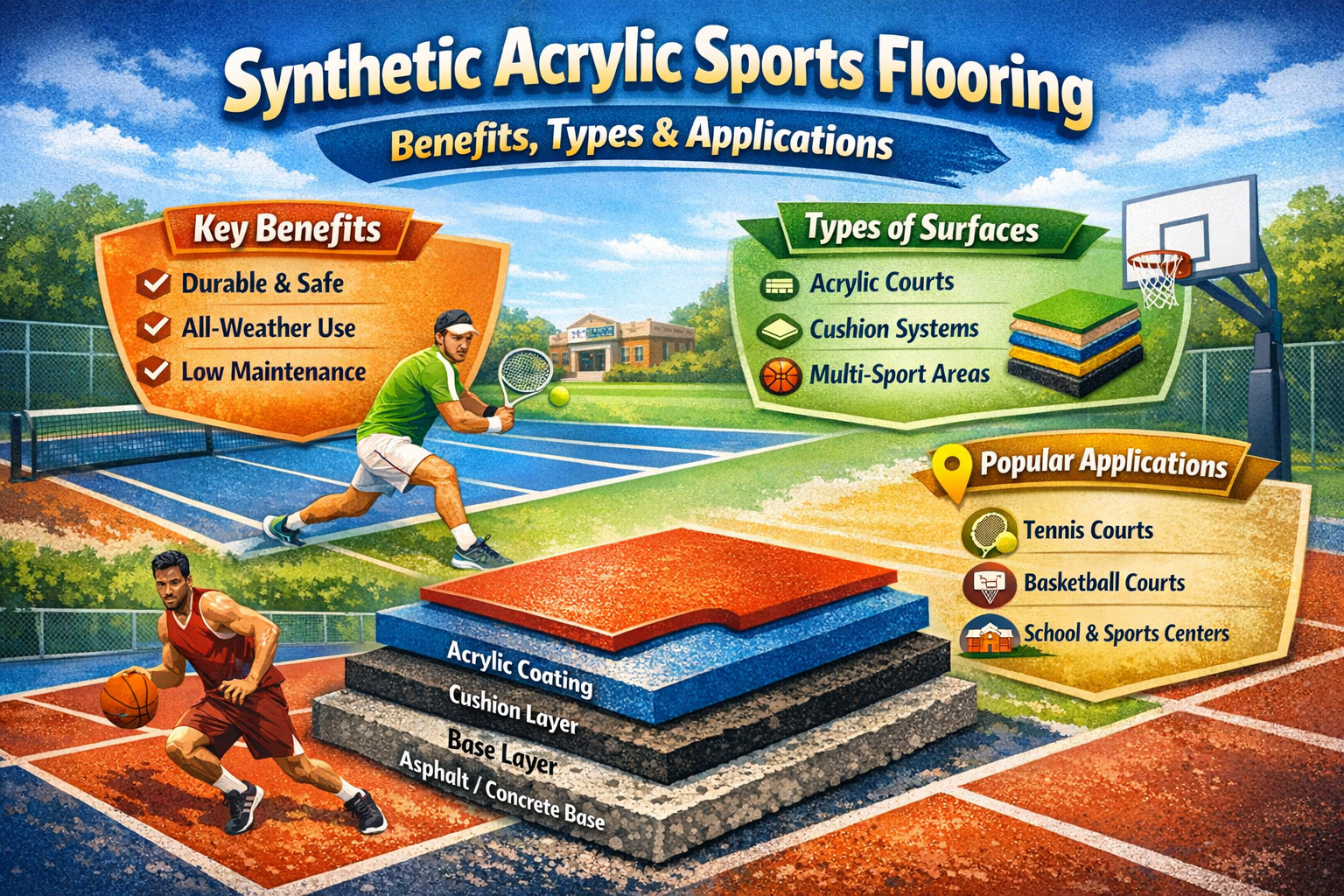
Synthetic acrylic sports flooring is one of those innovations that quietly transformed the way modern sports surfaces are built, yet many people don’t fully realize its impact until they step onto a court that feels “just right.” At its core, this type of flooring is a multi-layered surface system made from acrylic resins, silica sand, and specialized coatings applied over a stable base like asphalt or concrete. The result? A seamless, durable, and performance-driven surface designed to meet the demands of athletes across various sports.
What makes synthetic acrylic flooring stand out is its adaptability. Whether it’s a high-intensity tennis match or a casual basketball game in a community park, this surface delivers consistent bounce, grip, and comfort. Unlike traditional surfaces that may crack, warp, or degrade over time, acrylic systems are engineered to maintain their integrity even under heavy use. Think of it like a well-built running shoe—it absorbs impact, provides traction, and supports movement without slowing you down.
Another important aspect is customization. Synthetic acrylic flooring can be tailored in terms of color, texture, and cushioning level. This flexibility allows facility owners to design courts that not only meet international standards but also reflect branding or aesthetic preferences. From professional stadiums to school playgrounds, acrylic surfaces are everywhere—and for good reason.
In today’s sports infrastructure landscape, where performance and safety go hand in hand, synthetic acrylic flooring has become a go-to solution. It’s not just about creating a playing surface; it’s about enhancing the entire athletic experience, from the first step to the final whistle.
Evolution of Sports Flooring Materials
If you rewind a few decades, sports flooring looked very different from what we see today. Early courts were often made from natural materials like clay, grass, or untreated wood. While these surfaces had their charm, they came with significant limitations—uneven play, high maintenance, and vulnerability to weather conditions. As sports grew more competitive and global, the demand for reliable, high-performance surfaces became impossible to ignore.
This is where synthetic materials began to enter the scene. The introduction of asphalt and concrete courts marked a turning point, offering greater durability and consistency. However, these hard surfaces lacked the flexibility and shock absorption needed to protect athletes from injuries. That gap led to the development of advanced coatings, eventually giving rise to synthetic acrylic systems.
By the late 20th century, acrylic sports flooring had started gaining traction, especially in tennis. Major tournaments began adopting acrylic surfaces because they provided predictable ball bounce and could be customized for speed. Over time, technological advancements improved the formulation of acrylic resins, making them more resistant to UV rays, temperature fluctuations, and wear.
Today, synthetic acrylic flooring represents the perfect blend of science and sport. It incorporates decades of research, athlete feedback, and material innovation. Modern systems are not only more durable but also environmentally conscious, with many manufacturers focusing on low-VOC formulations and sustainable practices.
The journey from grass courts to high-tech acrylic surfaces is a testament to how far sports infrastructure has come. And as technology continues to evolve, one thing is clear—synthetic acrylic flooring is here to stay, constantly adapting to meet the ever-changing demands of athletes and facility owners alike.
Key Features of Synthetic Acrylic Sports Flooring
Durability and Longevity
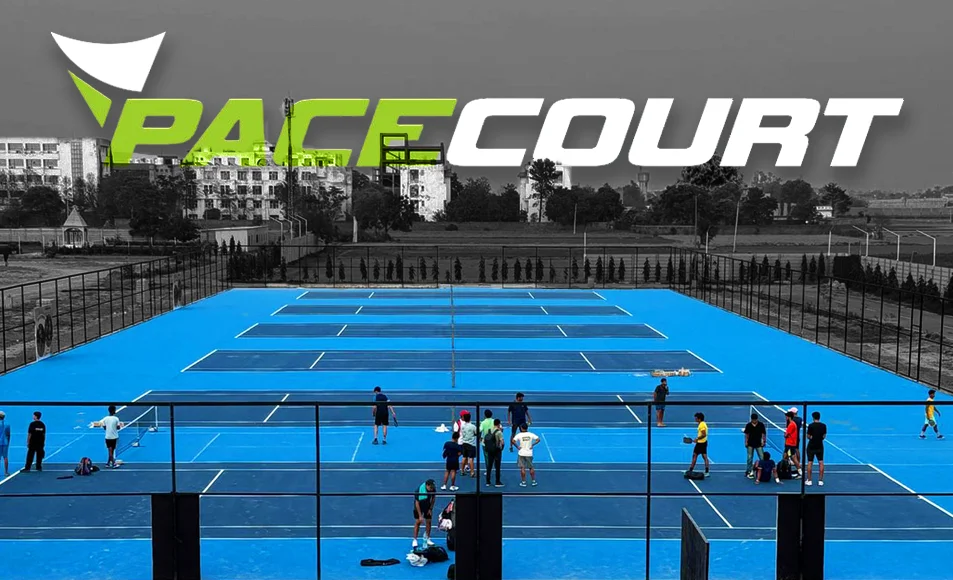
Durability isn’t just a nice-to-have feature in sports flooring—it’s a necessity. Synthetic acrylic sports flooring excels in this area, making it one of the most reliable choices for both indoor and outdoor applications. Imagine a surface that can withstand thousands of footfalls, intense gameplay, and varying weather conditions without losing its structural integrity. That’s exactly what acrylic flooring offers.
The secret lies in its layered construction. Each layer, from the base coat to the top finish, is designed to handle specific stresses. The inclusion of silica sand enhances abrasion resistance, while the acrylic binders ensure flexibility and adhesion. This combination creates a surface that resists cracking, peeling, and fading over time.
From a financial perspective, this longevity translates into significant savings. While the initial installation cost might seem higher compared to basic concrete or asphalt surfaces, the reduced need for repairs and replacements makes acrylic flooring a cost-effective solution in the long run. According to industry estimates, well-maintained acrylic courts can last anywhere from 8 to 15 years before requiring major resurfacing.
Another factor contributing to durability is resistance to environmental factors. Whether it’s scorching heat, heavy rainfall, or freezing temperatures, synthetic acrylic surfaces maintain their performance characteristics. This resilience makes them ideal for regions with unpredictable climates.
Facility managers often describe acrylic flooring as a “set it and forget it” solution—not because it requires no maintenance, but because it doesn’t demand constant attention. With periodic cleaning and minor touch-ups, these surfaces can retain their quality for years.
In a world where downtime equals lost revenue and dissatisfied users, durability becomes a competitive advantage. Synthetic acrylic sports flooring delivers that advantage consistently, making it a trusted choice across schools, clubs, and professional arenas.
Upgrade Your Sports Court Today
Get premium synthetic acrylic flooring designed for durability, grip, and performance.
Get Free ConsultationWeather Resistance and UV Stability
Outdoor sports surfaces face a relentless enemy: the elements. Sunlight, rain, wind, and temperature fluctuations can wreak havoc on poorly constructed courts. This is where synthetic acrylic sports flooring truly shines, offering exceptional weather resistance and UV stability that keep surfaces looking and performing like new.
One of the standout features of acrylic flooring is its ability to resist UV degradation. Prolonged exposure to sunlight can cause many materials to fade, crack, or become brittle. Acrylic coatings, however, are formulated with UV-resistant pigments and stabilizers that protect the surface from these effects. This means vibrant court colors remain intact for years, enhancing both aesthetics and visibility during gameplay.
Water resistance is another critical advantage. Acrylic surfaces are non-porous, preventing water from seeping into the underlying layers. This reduces the risk of mold growth, structural damage, and surface warping. After rainfall, these courts dry relatively quickly, minimizing downtime and allowing players to get back into action sooner.
Temperature fluctuations can also be a challenge, especially in regions with extreme climates. Synthetic acrylic flooring is designed to expand and contract without cracking, thanks to its flexible composition. This adaptability ensures consistent performance regardless of seasonal changes.
Consider a community tennis court that hosts games year-round. Without proper weather resistance, maintenance costs would skyrocket, and playability would suffer. Acrylic flooring eliminates these concerns, providing a reliable surface that stands up to nature’s toughest tests.
In essence, weather resistance and UV stability are not just technical features—they are essential qualities that define the usability and lifespan of a sports surface. Synthetic acrylic flooring delivers on both fronts, ensuring that athletes can focus on their game rather than worrying about the ground beneath their feet.
Benefits of Synthetic Acrylic Sports Flooring
Player Safety and Shock Absorption
When it comes to sports surfaces, performance is important—but safety is non-negotiable. Synthetic acrylic sports flooring strikes a careful balance between firmness and flexibility, creating a surface that supports athletic performance while minimizing the risk of injury. Think about the repetitive impact athletes endure during a game—jumping, sprinting, sudden stops, and quick pivots. Without proper shock absorption, these movements can take a toll on joints, particularly the knees and ankles.
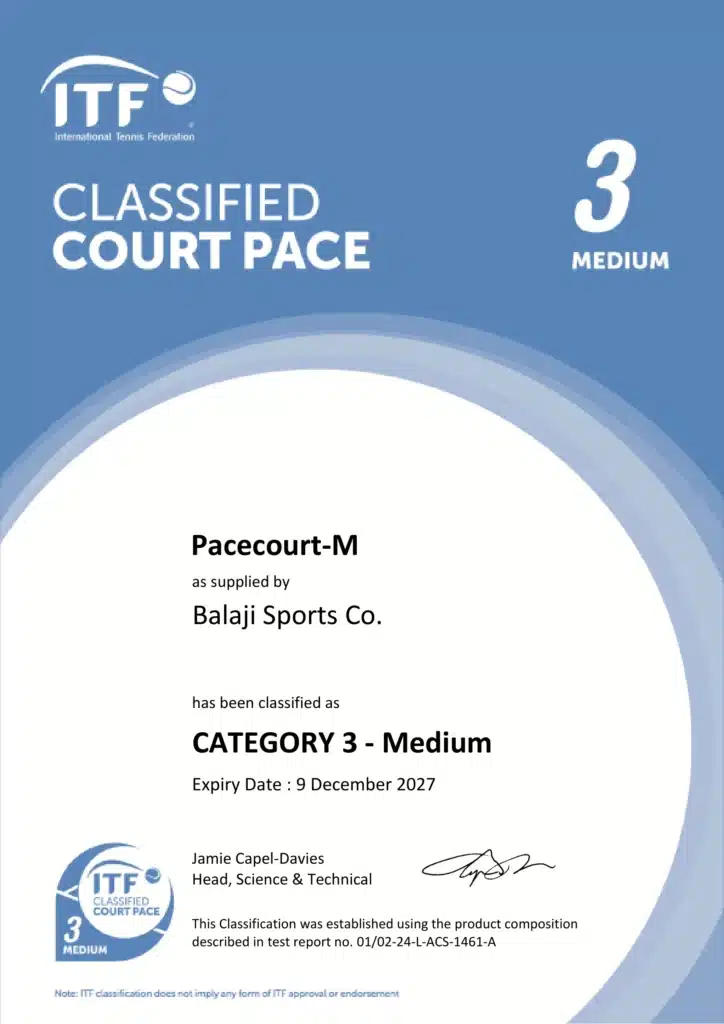
Acrylic flooring systems often incorporate cushioned layers that act like a buffer between the athlete and the hard base below. These layers absorb a portion of the impact energy, reducing stress on the body. While the level of cushioning can be customized depending on the sport, even standard acrylic systems offer better shock absorption compared to bare concrete or asphalt. This is one of the reasons why organizations such as the International Tennis Federation (ITF) recommend acrylic surfaces for competitive play.
Another crucial safety feature is traction. A slippery surface can quickly turn a game into a hazard zone. Acrylic coatings are engineered to provide optimal grip, allowing athletes to move confidently without the fear of slipping. At the same time, the surface isn’t overly abrasive, which helps prevent skin injuries during falls.
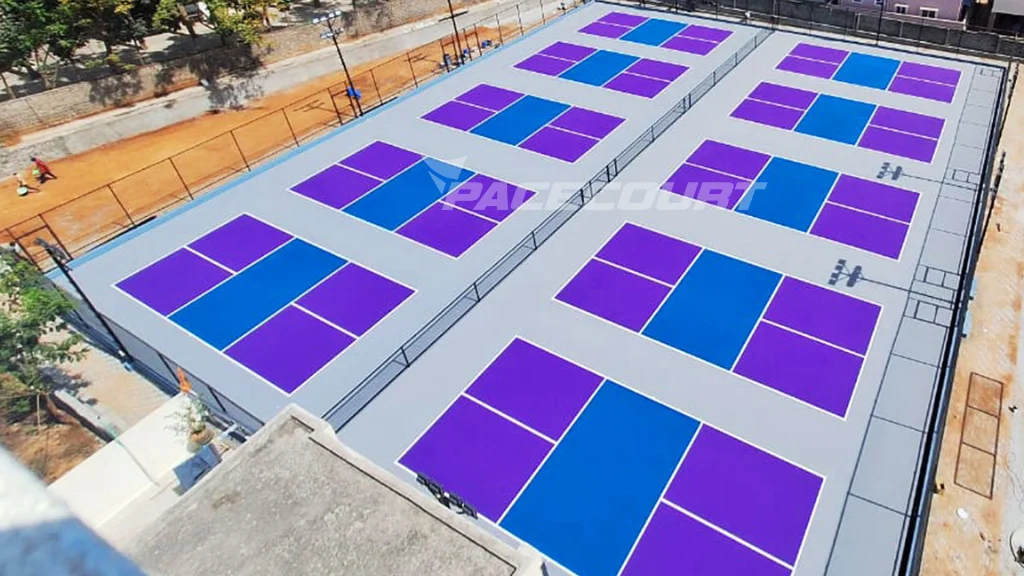
Visibility also plays a role in safety. The vibrant, non-fading colors of acrylic courts enhance line markings and contrast, making it easier for players to track the ball and judge boundaries accurately. This reduces errors and improves overall gameplay.
From amateur players to professionals, everyone benefits from a surface that prioritizes safety. Synthetic acrylic flooring doesn’t just support the game—it protects the people playing it. And in a world where athlete well-being is increasingly emphasized, that’s a feature that truly matters.
Low Maintenance Requirements
If you’ve ever managed or maintained a sports facility, you already know how quickly upkeep costs can spiral out of control. Surfaces that crack, stain, or wear unevenly demand constant attention, draining both time and resources. This is where synthetic acrylic sports flooring proves to be a game-changer, offering a low-maintenance solution that doesn’t compromise on quality.
Unlike natural surfaces such as grass or clay, acrylic courts don’t require watering, mowing, or frequent resurfacing. Their non-porous nature prevents dirt and debris from embedding into the surface, making cleaning as simple as occasional sweeping and periodic washing. For facility managers, this simplicity translates into significant cost savings over time.
Minor repairs are also straightforward. Small cracks or worn-out areas can be patched without needing to overhaul the entire surface. This modular approach to maintenance ensures that the court remains in top condition without major disruptions. In many cases, a well-maintained acrylic surface only needs resurfacing every 5 to 8 years, depending on usage levels.
Another advantage is resistance to stains and chemicals. Whether it’s spilled drinks, sweat, or environmental pollutants, acrylic coatings are designed to withstand exposure without permanent damage. This keeps the court looking clean and professional, even in high-traffic environments.
From a practical standpoint, low maintenance means more playtime and less downtime. Schools, clubs, and recreational facilities can focus on providing a better experience for users instead of constantly worrying about repairs. It’s like owning a car that rarely needs servicing—you spend less time in the workshop and more time on the road.
In the long run, the ease of maintenance offered by synthetic acrylic sports flooring makes it not just a practical choice, but a smart investment for any sports facility.
Types of Synthetic Acrylic Sports Flooring
Indoor Acrylic Flooring Systems
Indoor sports facilities come with their own unique set of requirements. Controlled environments eliminate weather-related challenges, but they also demand surfaces that can handle high-frequency use without compromising performance. Synthetic acrylic flooring systems designed for indoor applications are tailored to meet these needs, offering consistency, durability, and aesthetic appeal.
One of the defining characteristics of indoor acrylic flooring is its smooth and uniform finish. Since these courts are not exposed to external elements like rain or UV rays, the focus shifts toward optimizing playability. The surface is engineered to provide consistent ball bounce and controlled speed, making it ideal for sports such as basketball, volleyball, and indoor tennis.
Another key advantage is customization. Indoor acrylic systems can be designed with varying levels of cushioning, depending on the sport and user preference. For example, a basketball court may require more shock absorption compared to a badminton court. This flexibility allows facility owners to create multi-purpose courts that cater to different activities without sacrificing performance.
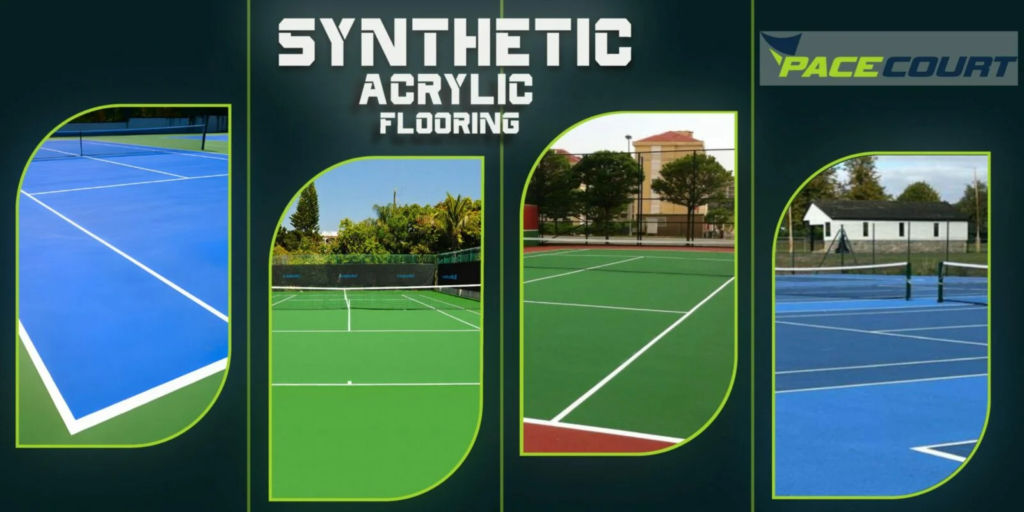
Aesthetics also play a significant role indoors. Acrylic coatings are available in a wide range of colors and finishes, enabling designers to create visually striking courts that enhance the overall ambiance of the facility. Whether it’s a school gymnasium or a professional arena, the right flooring can elevate the entire experience.
Maintenance for indoor acrylic flooring is even simpler than its outdoor counterpart. With no exposure to dirt, moisture, or harsh weather, the surface remains cleaner and more stable over time. Regular sweeping and occasional cleaning are usually enough to keep it in excellent condition.
In essence, indoor acrylic flooring systems combine functionality with design flexibility. They provide a reliable, high-performance surface that meets the demands of modern sports while offering the freedom to customize according to specific needs.
Outdoor Acrylic Flooring Systems
Outdoor sports courts face a completely different set of challenges compared to indoor facilities. Exposure to sunlight, rain, temperature changes, and heavy usage requires a surface that can endure it all without breaking down. Synthetic acrylic flooring systems designed for outdoor use are built with these challenges in mind, making them one of the most popular choices for open-air sports environments.
One of the most notable features of outdoor acrylic flooring is its weather-resistant composition. These systems include specialized coatings that protect against UV radiation, preventing color fading and surface degradation. This ensures that the court maintains its appearance and functionality even after years of exposure to sunlight.
Drainage is another critical factor. Outdoor acrylic surfaces are designed to allow water runoff, preventing puddles and reducing the risk of slips. This quick-drying capability means that games can resume shortly after rain, maximizing court usability.
Durability is equally important. Outdoor courts often experience higher levels of wear due to environmental factors and continuous use. Acrylic systems are reinforced with materials like silica sand, which enhances their مقاومت to abrasion and ensures long-lasting performance.
These surfaces are widely used for tennis courts, basketball courts, and multi-sport facilities in parks, schools, and residential complexes. Their versatility makes them suitable for both recreational and professional use.
From a cost perspective, outdoor acrylic flooring offers excellent value. While the initial investment may vary depending on the size and specifications of the court, the long-term benefits—low maintenance, durability, and consistent performance—make it a worthwhile choice.
Outdoor sports are all about freedom and energy, and the right surface plays a crucial role in that experience. Synthetic acrylic flooring ensures that players can enjoy the game without worrying about the condition of the court, no matter what the weather brings.
Layers and Composition of Acrylic Flooring
Base Layers and Cushion Systems
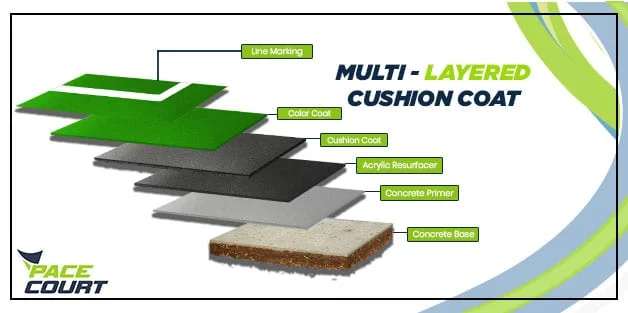
To truly understand why synthetic acrylic sports flooring performs so well, you need to look beneath the surface—literally. What appears to be a simple, colorful court is actually a carefully engineered system composed of multiple layers, each serving a specific purpose. The base layers and cushion systems form the foundation of this structure, playing a critical role in durability, comfort, and performance.
The process begins with a stable base, typically made of asphalt or concrete. This base provides structural support and ensures that the surface remains level. However, on its own, it would be too hard and unforgiving for sports activities. That’s where cushion systems come into play.
Cushion layers are made from a blend of acrylic resins and rubber granules or other elastic materials. These layers are applied over the base to create a degree of flexibility and shock absorption. The thickness and composition of these layers can be adjusted based on the desired level of comfort. For example, professional courts may use advanced cushion systems to reduce player fatigue during long matches.
One of the key benefits of these layers is injury prevention. By absorbing impact forces, they reduce stress on joints and muscles, allowing athletes to perform at their best without unnecessary strain. This is particularly important in high-impact sports like basketball and tennis.
Another advantage is surface uniformity. Cushion systems help eliminate minor imperfections in the base layer, ensuring a smooth and even playing surface. This consistency is essential for accurate ball bounce and predictable gameplay.
In many ways, the base and cushion layers act like the foundation and suspension system of a car. They may not be visible, but they determine how the entire system performs. Without them, the surface would lack the comfort and resilience that make synthetic acrylic flooring such a popular choice.
Top Coats and Finishing Layers
If the base layers are the backbone of synthetic acrylic sports flooring, the top coats are its personality. These finishing layers are what players see and interact with directly, and they play a crucial role in defining the surface’s performance, appearance, and durability.
Top coats are typically made from high-quality acrylic resins mixed with pigments and fine aggregates like silica sand. This combination creates a textured surface that offers the perfect balance between grip and smoothness. Too much traction can restrict movement, while too little can lead to slips. Acrylic top coats are engineered to strike that balance precisely.
Color is another important aspect. The vibrant hues used in acrylic flooring are not just for aesthetics—they also enhance visibility. Clear boundary lines and contrasting colors help players track the ball and make quick decisions during gameplay. This is especially important in fast-paced sports where split-second reactions can make all the difference.
Durability is built into these layers as well. Top coats are designed to resist wear and tear, ensuring that the surface remains functional even after years of use. They also provide protection against environmental factors such as UV rays and moisture, extending the lifespan of the entire flooring system.
Maintenance is relatively simple at this level. Since the top coat is the outermost layer, it can be cleaned, repaired, or even recoated without disturbing the underlying structure. This makes it easy to refresh the court’s appearance and performance when needed.
In a way, the top coat is like the finishing touch on a masterpiece. It brings together all the underlying elements and transforms them into a surface that not only performs exceptionally but also looks and feels just right.
Applications of Synthetic Acrylic Sports Flooring
Tennis Courts
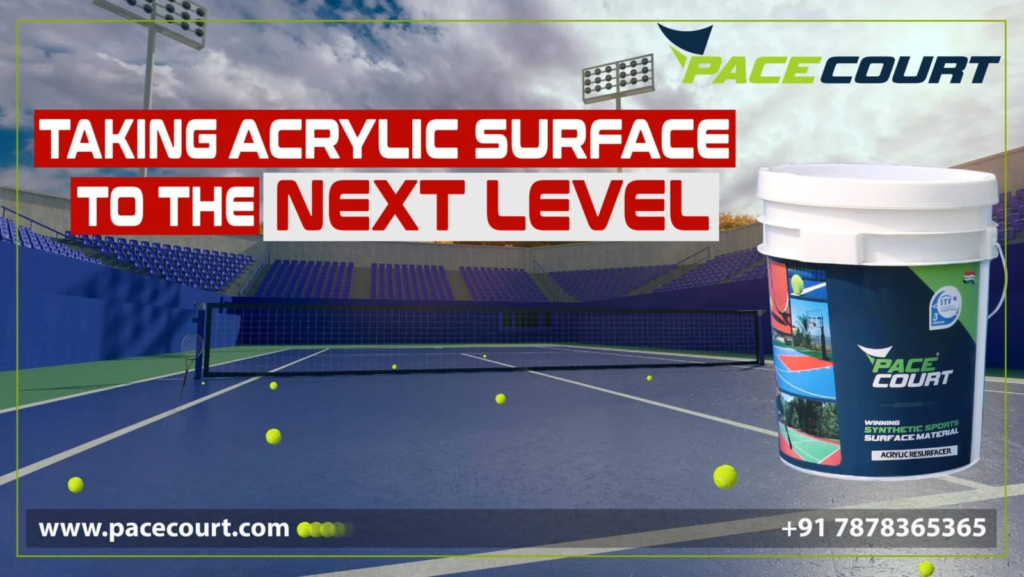
If there’s one place where synthetic acrylic sports flooring truly proves its worth, it’s on the tennis court. In fact, some of the most prestigious tournaments in the world—like the US Open and Australian Open—use acrylic surfaces, which tells you everything about their reliability and performance. But what makes this type of flooring so ideal for tennis?
The answer lies in consistency. Tennis is a sport where the smallest variation in ball bounce can change the outcome of a rally. Synthetic acrylic flooring provides a uniform surface that ensures predictable ball behavior across the entire court. Whether you’re hitting a baseline shot or executing a delicate drop shot, the response remains consistent, allowing players to focus entirely on strategy and technique.
Another major advantage is speed customization. Acrylic tennis courts can be designed to play fast, medium, or slow depending on the formulation of the surface layers. This flexibility allows facilities to cater to different playing styles and levels of competition. For instance, professional tournaments often choose specific surface speeds to influence gameplay dynamics.
Player comfort is also a big factor. Long matches can be physically demanding, and a surface with proper cushioning can significantly reduce fatigue. Acrylic systems with cushioned layers help absorb impact, making extended play more manageable for athletes.
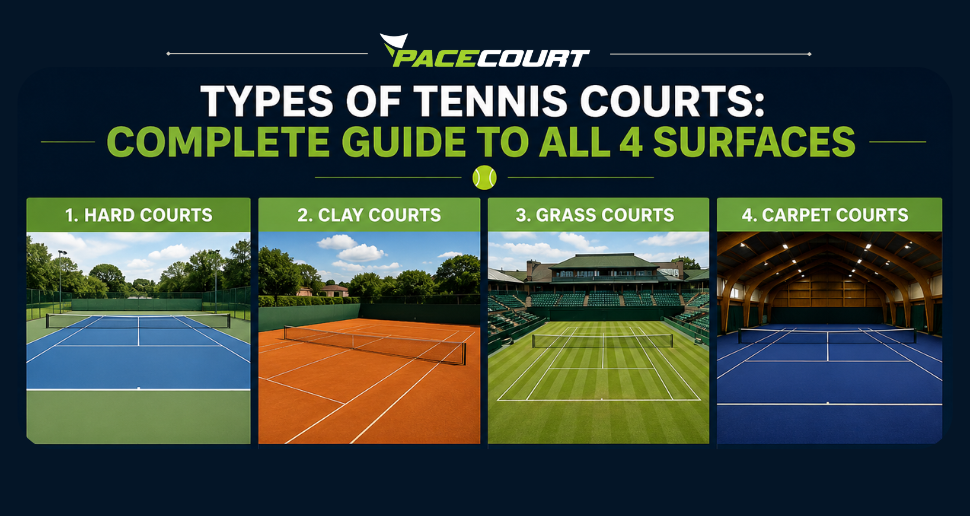
From a maintenance perspective, tennis courts benefit greatly from acrylic flooring. Unlike clay courts that require constant grooming or grass courts that demand meticulous care, acrylic surfaces are relatively easy to maintain. This makes them a practical choice for clubs, schools, and recreational facilities.
In short, synthetic acrylic flooring transforms a tennis court into a high-performance arena. It enhances gameplay, supports athletes, and reduces maintenance headaches—all while delivering a professional look and feel.
Basketball and Multi-Sport Courts
Step onto any modern basketball or multi-sport court, and there’s a good chance you’re standing on synthetic acrylic flooring. Its versatility makes it a top choice for facilities that host multiple sports, from basketball and volleyball to futsal and handball. But what exactly makes it so adaptable?
First, let’s talk about traction. Basketball, in particular, demands quick movements—sharp cuts, rapid acceleration, and sudden stops. Acrylic surfaces provide the grip needed for these actions without being overly rough. This balance helps players maintain control while minimizing the risk of injuries.
Ball response is another critical factor. Whether it’s a basketball bounce or a volleyball impact, the surface needs to deliver consistent performance. Acrylic flooring ensures that the ball behaves predictably, which is essential for fair and competitive play.
Multi-sport functionality is where acrylic flooring really shines. By simply adding different line markings and adjusting surface properties, a single court can accommodate various sports. This is especially valuable for schools and community centers that need to maximize space and resources.
Here’s a quick comparison of how acrylic flooring supports different sports:
| Sport | Key Requirement | How Acrylic Flooring Helps |
|---|---|---|
| Basketball | Grip & shock absorption | Provides traction and cushioning |
| Volleyball | Smooth surface | Ensures consistent ball bounce |
| Futsal | Durability | Handles high-intensity play |
| Handball | Impact resistance | Reduces wear and tear |
Durability is also a major advantage. Multi-sport courts experience constant activity, often with different types of footwear and equipment. Acrylic surfaces are built to withstand this variety without degrading quickly.
From a design standpoint, these courts can be customized with vibrant colors and clear markings, making them visually appealing and easy to navigate. This enhances both the player experience and spectator enjoyment.
In essence, synthetic acrylic flooring turns a simple court into a dynamic, multi-functional space. It’s like having several sports venues rolled into one—efficient, reliable, and built for performance.
Installation Process of Acrylic Sports Flooring
Surface Preparation
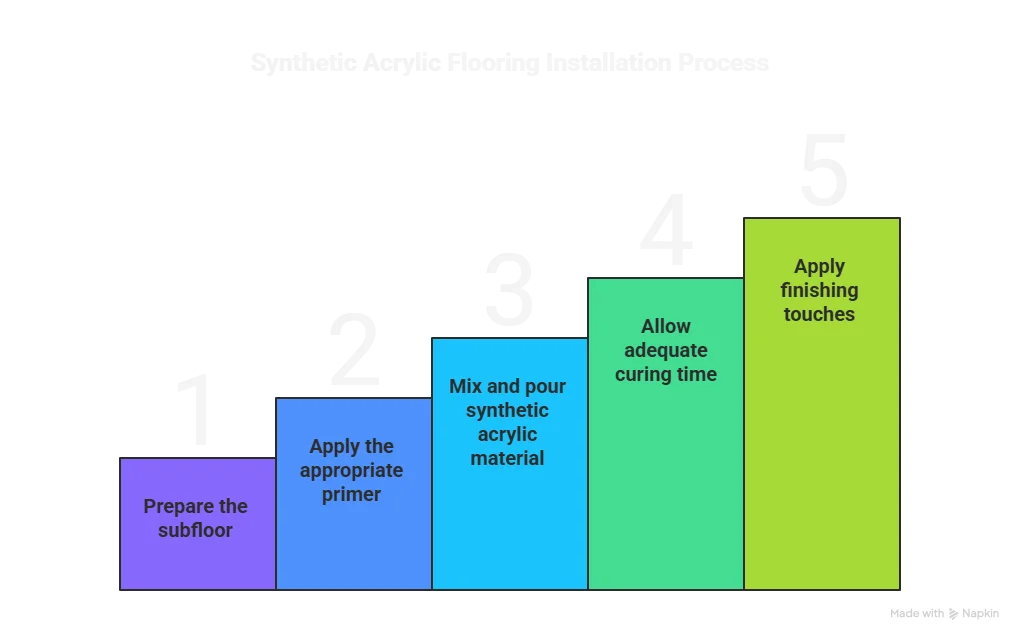
Before a single drop of acrylic coating is applied, the success of the entire flooring system hinges on one crucial step: surface preparation. Think of it like building a house—you wouldn’t start without a solid foundation, right? The same principle applies here. Proper preparation ensures that the flooring adheres correctly, performs consistently, and lasts for years.
The process typically begins with assessing the base surface, which is usually asphalt or concrete. Any cracks, uneven areas, or structural issues must be addressed before moving forward. Ignoring these imperfections can lead to premature failure of the flooring system, no matter how high-quality the materials are.
Cleaning is the next step. The surface must be free from dust, dirt, grease, and other contaminants that could interfere with adhesion. High-pressure washing is often used to achieve a clean and stable base. In some cases, chemical treatments may be applied to remove stubborn residues.
Leveling is equally important. Even minor irregularities can affect ball bounce and player movement. Contractors use specialized compounds to fill gaps and create a smooth, even surface. This step ensures that the final court delivers the consistency that athletes expect.
Priming follows preparation. A primer layer is applied to enhance the bond between the base and the acrylic coatings. This layer acts like a glue, ensuring that the subsequent layers adhere properly and remain intact over time.
Skipping or rushing through surface preparation is one of the most common mistakes in sports flooring installation. It might save time initially, but it often leads to costly repairs down the line.
In many ways, surface preparation is the unsung hero of acrylic flooring installation. It doesn’t get much attention, but it plays a vital role in determining the quality and longevity of the final product.
Application and Curing Process
Once the surface is properly prepared, the real transformation begins. The application and curing process is where raw materials turn into a high-performance sports surface. It’s a meticulous procedure that requires precision, expertise, and the right environmental conditions.
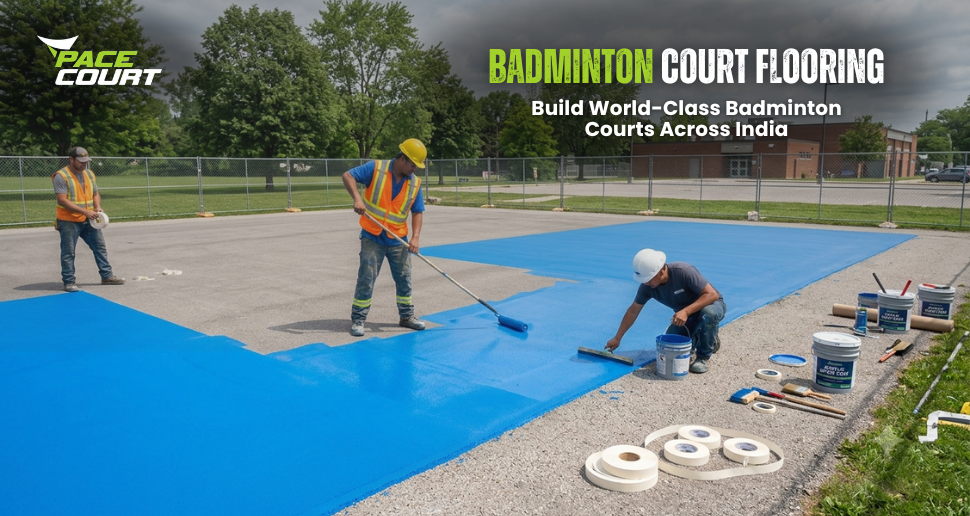
The process starts with applying the base coats, which are designed to create a stable and uniform layer. These coats often include a mixture of acrylic resins and fillers that help smooth out the surface and provide a solid foundation for the upper layers.
Next come the cushion layers, if the system includes them. These layers are applied in multiple passes to achieve the desired thickness and level of shock absorption. Each layer must dry before the next one is added, ensuring proper bonding and performance.
After the cushioning stage, the focus shifts to the top coats. These are the colored layers that define the court’s appearance and playability. Contractors carefully apply these coatings to achieve the right texture and finish. Line markings are then added using specialized paints to ensure precision and durability.
Curing is the final step. This is the period during which the applied layers harden and reach their full strength. Depending on weather conditions and the specific materials used, curing can take several days. During this time, the surface must be protected from traffic and environmental exposure.
Temperature and humidity play a significant role in this process. Ideal conditions ensure proper drying and prevent issues like bubbling or uneven finishes. Experienced installers monitor these factors closely to achieve the best results.
The end result is a seamless, durable, and visually appealing sports surface ready for action. It’s a process that combines science, craftsmanship, and attention to detail—turning a simple base into a professional-grade playing field.
Cost Factors and Budget Considerations
Initial Investment vs Long-Term Value
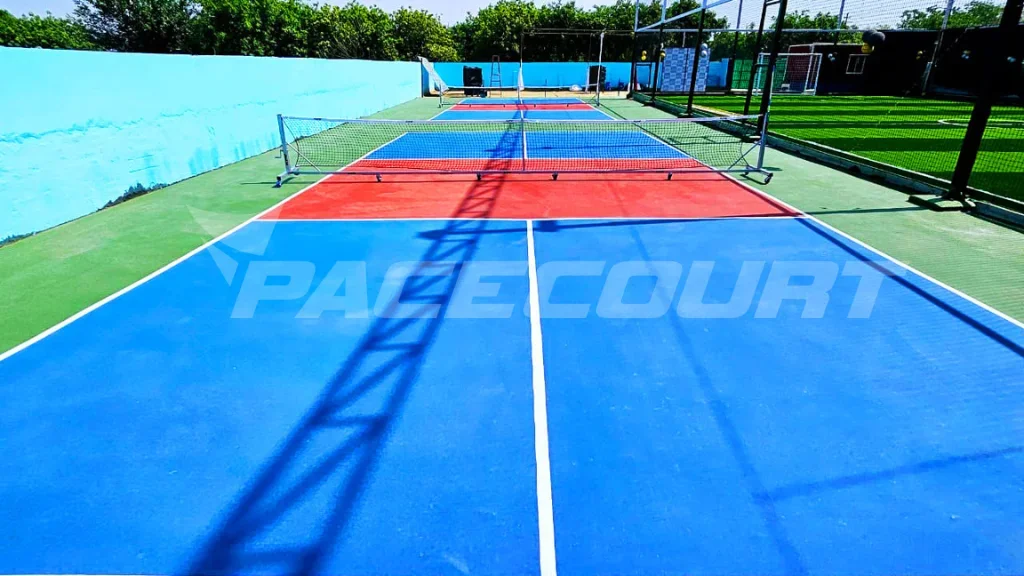
When evaluating synthetic acrylic sports flooring, one of the first questions that naturally comes to mind is: “How much is this going to cost?” It’s a fair question, and the answer isn’t always straightforward. The cost of installing acrylic sports flooring can vary widely depending on factors like court size, location, base condition, and whether you’re opting for a cushioned system. But focusing only on the upfront price can be misleading. The real story lies in understanding the balance between initial investment and long-term value.
Let’s start with the upfront costs. On average, acrylic sports flooring can range from $4 to $10 per square foot, depending on the complexity of the system and materials used. Cushioned systems, which offer enhanced shock absorption, tend to be on the higher end of this spectrum. Additional costs may include surface preparation, drainage systems, and line markings. At first glance, this might seem like a significant investment, especially when compared to basic concrete or asphalt surfaces.
But here’s where things get interesting. Acrylic flooring is designed to last. With proper maintenance, these surfaces can remain in excellent condition for 8 to 15 years before requiring major resurfacing. Compare that to cheaper alternatives that may need frequent repairs or complete replacement within a few years, and the value becomes clear.
Maintenance costs are another important factor. Acrylic courts require minimal upkeep—no watering, mowing, or intensive treatments. This translates into lower operational expenses over time. For facility owners, this means fewer disruptions and more consistent revenue from court usage.
There’s also the aspect of user experience. A high-quality surface attracts more players, whether it’s a school facility, a sports club, or a commercial venue. Better performance and safety can lead to increased usage, memberships, or event hosting opportunities, all of which contribute to a higher return on investment.
Think of it like buying a durable pair of shoes. You could go for a cheaper option that wears out quickly, or invest in a high-quality pair that lasts longer and performs better. Synthetic acrylic sports flooring falls into the latter category—it’s an investment that pays off over time.
Comparison with Other Sports Flooring Types
Acrylic vs Polyurethane Flooring
Choosing the right sports flooring isn’t just about picking a popular option—it’s about finding the surface that best fits your specific needs. Among the most common comparisons in the industry is acrylic vs polyurethane flooring. Both have their strengths, but they serve slightly different purposes, and understanding these differences can help you make a more informed decision.
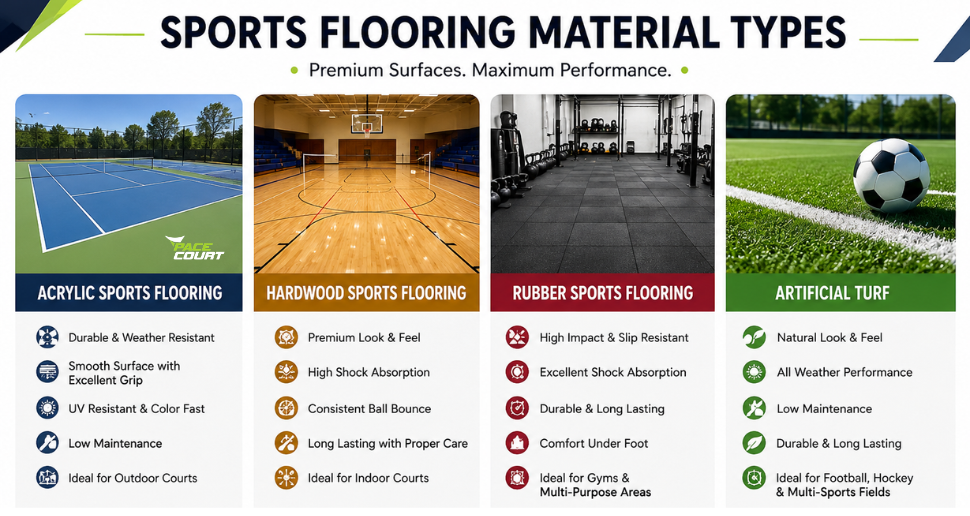
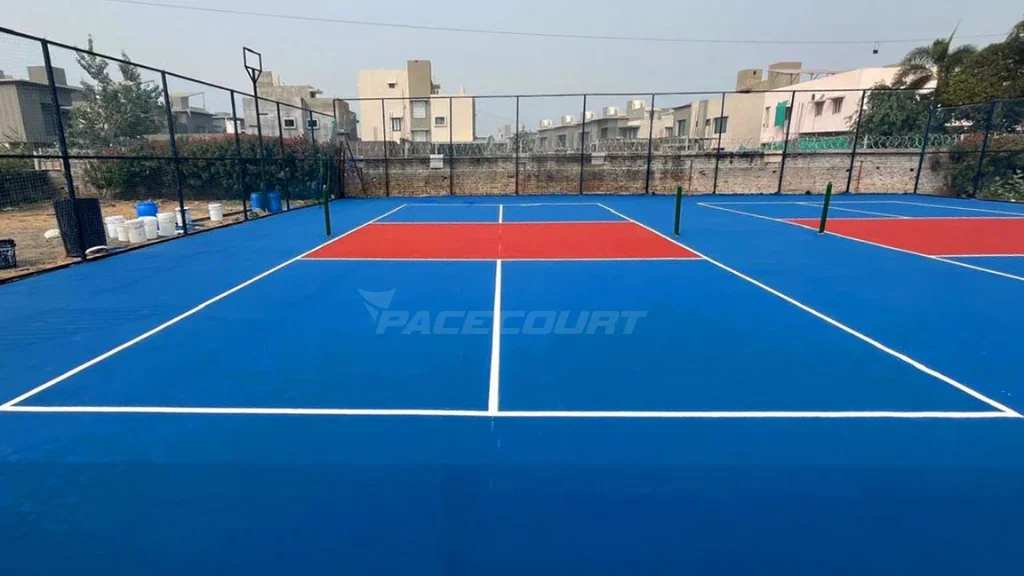
Acrylic flooring is widely known for its durability, affordability, and suitability for outdoor applications. It performs exceptionally well in environments exposed to sunlight and weather conditions, thanks to its UV-resistant properties. Polyurethane flooring, on the other hand, is often used indoors and is prized for its superior cushioning and seamless finish.
Here’s a side-by-side comparison to make things clearer:
| Feature | Acrylic Flooring | Polyurethane Flooring |
|---|---|---|
| Best Use | Outdoor & multi-sport courts | Indoor sports facilities |
| Durability | High (weather-resistant) | High (wear-resistant) |
| Shock Absorption | Moderate to high (with cushioning) | Very high |
| Maintenance | Low | Moderate |
| Cost | More affordable | Typically more expensive |
| Surface Finish | Textured | Smooth and seamless |
One of the biggest advantages of acrylic flooring is its versatility. It can be used for tennis courts, basketball courts, and multi-purpose facilities, both indoors and outdoors. Polyurethane, while excellent for indoor use, doesn’t perform as well in outdoor environments due to its sensitivity to UV exposure.
Another factor to consider is installation and maintenance. Acrylic systems are relatively easier to install and repair. Polyurethane flooring, while offering a premium feel, often requires more specialized installation and maintenance procedures.
That said, polyurethane flooring does have an edge when it comes to shock absorption. For sports that involve high levels of jumping and impact—like indoor basketball or gymnastics—it can provide additional comfort and injury prevention.
Ultimately, the choice comes down to your priorities. If you’re looking for a cost-effective, durable, and weather-resistant solution, acrylic flooring is hard to beat. If indoor performance and maximum cushioning are your top concerns, polyurethane might be worth considering.
Maintenance Tips for Longevity
Cleaning and Repair Practices
Even though synthetic acrylic sports flooring is known for its low maintenance requirements, a little care goes a long way in preserving its performance and appearance. Think of it like maintaining a car—you don’t need to service it every day, but regular upkeep ensures it runs smoothly for years.
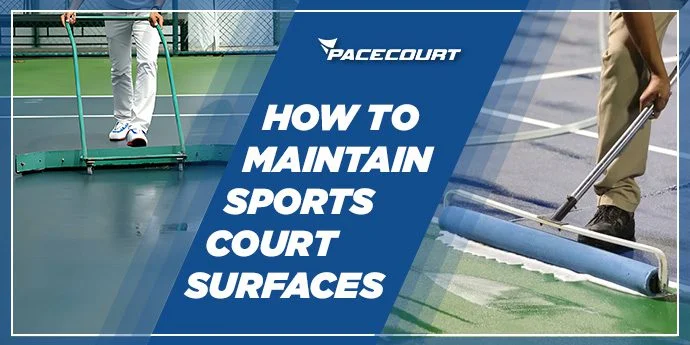
Cleaning is the most basic yet essential aspect of maintenance. Dust, dirt, leaves, and debris can accumulate on the surface over time, affecting both aesthetics and playability. Regular sweeping or using a leaf blower helps keep the court clean. For a deeper clean, occasional washing with water and mild detergents can remove stubborn stains and restore the surface’s original look.
One important tip is to avoid using harsh chemicals or abrasive cleaning tools. These can damage the acrylic coating and reduce its lifespan. Instead, stick to manufacturer-recommended cleaning solutions and methods.
Crack prevention and repair are also crucial. While acrylic surfaces are durable, the underlying base (asphalt or concrete) may develop minor cracks over time due to environmental factors. Addressing these issues early prevents them from spreading and affecting the surface layer. Small cracks can be filled with specialized acrylic patching compounds, ensuring the court remains smooth and safe.
Another key practice is periodic inspection. Checking for signs of wear, fading, or surface damage allows you to take corrective action before problems escalate. In high-traffic areas, recoating the top layer every few years can help maintain optimal performance.
Drainage should not be overlooked either. Ensuring that water flows away from the court prevents pooling and reduces the risk of surface damage. Proper drainage also helps maintain traction and safety.
In essence, maintaining synthetic acrylic sports flooring isn’t about constant effort—it’s about consistent, simple care. With the right practices, you can extend the life of the surface, preserve its quality, and ensure that it continues to deliver an excellent playing experience for years to come.
Conclusion
Synthetic acrylic sports flooring has carved out a strong position in the world of modern sports infrastructure, and it’s easy to see why. It brings together durability, performance, safety, and aesthetic appeal in a way that few other materials can match. Whether it’s a professional tennis court, a school playground, or a multi-sport community facility, acrylic flooring adapts seamlessly to different environments and requirements.
Its layered construction ensures not only strength but also comfort, reducing the physical strain on athletes while maintaining consistent gameplay. Add to that its resistance to weather, low maintenance needs, and long lifespan, and you have a solution that delivers value far beyond its initial cost.
What truly sets synthetic acrylic flooring apart is its versatility. It doesn’t just serve one purpose—it evolves with the needs of players, facility owners, and designers. From indoor arenas to outdoor courts, from casual games to competitive tournaments, it continues to prove its reliability time and time again.
As sports continue to grow and evolve, the demand for high-quality playing surfaces will only increase. Synthetic acrylic sports flooring is well-positioned to meet that demand, offering a balance of innovation and practicality that makes it a smart choice for the present and the future.
Upgrade Your Sports Court Today
Get premium synthetic acrylic flooring designed for durability, grip, and performance.
Get Free Consultation