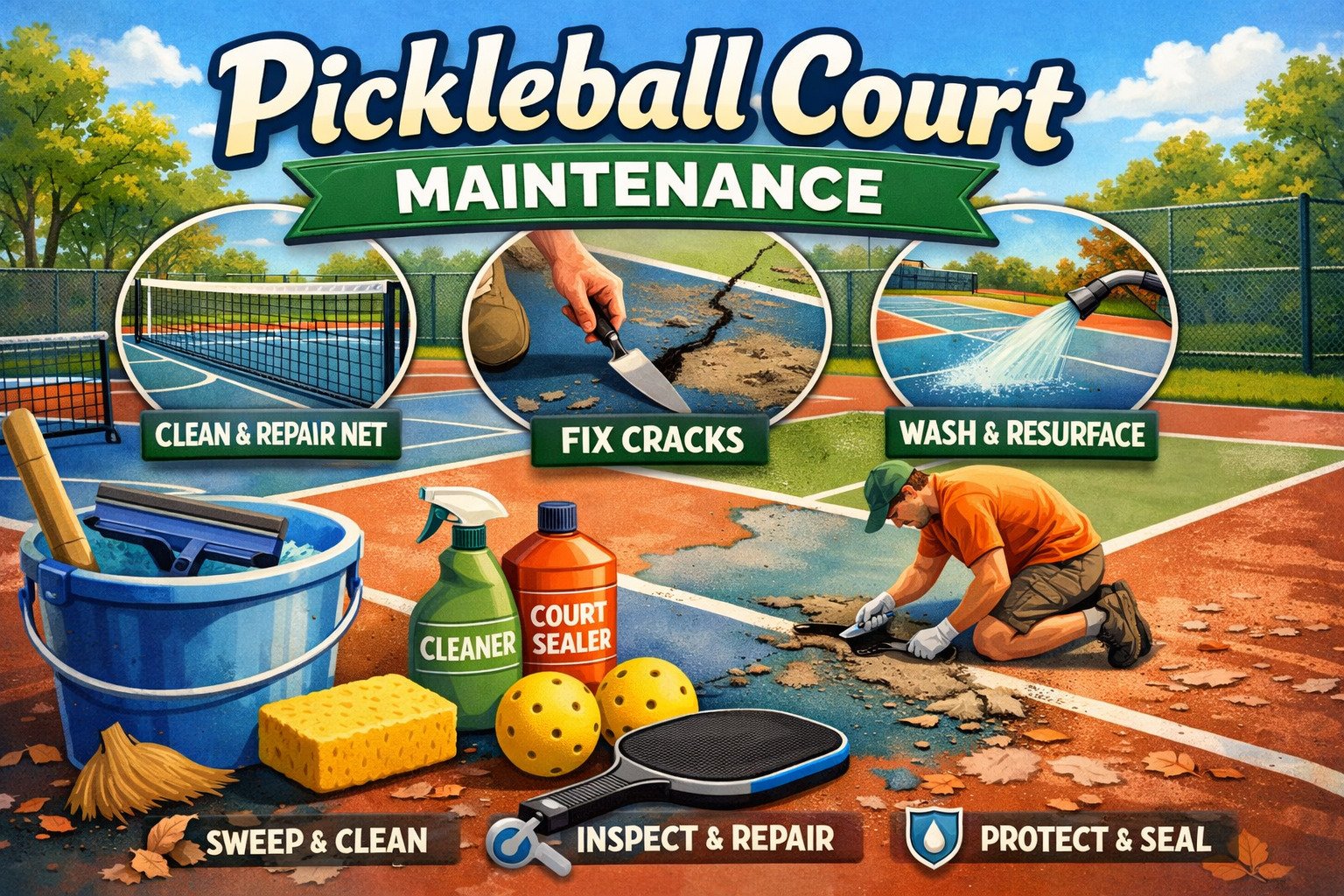
Pickleball has exploded in popularity over the last decade, transforming empty tennis courts, community parks, and backyard spaces into buzzing recreational hubs. According to the Sports & Fitness Industry Association (SFIA), pickleball is one of the fastest-growing sports in the United States, with millions of players picking up paddles every year. But while players often focus on paddles, balls, and strategies, one critical element quietly determines the quality of every match: the condition of the court itself. This is where Pickleball Court Maintenance becomes essential, ensuring the playing surface remains safe, smooth, and consistent for every serve, rally, and winning shot.
Table of contents
A well-maintained pickleball court isn’t just about aesthetics. The surface directly impacts player safety, ball bounce consistency, traction, and overall gameplay experience. Imagine trying to play a competitive match on a court covered with debris, faded lines, or cracks. Shots become unpredictable, movement becomes risky, and the fun quickly disappears. Proper court maintenance keeps the playing surface smooth, clean, and reliable.
Maintenance also plays a major role in protecting your investment. Building a pickleball court can cost anywhere from₹5 lakh to ₹10 lakh or more, depending on materials, location, and design. Without routine upkeep, small issues—like hairline cracks or standing water—can grow into expensive structural problems. Regular care extends the life of the surface and prevents costly repairs later.
Another important factor is player satisfaction. Whether the court is located at a community center, school, sports club, or private residence, players naturally gravitate toward courts that feel professional and well maintained. Clean surfaces, visible lines, and safe traction create a welcoming environment that encourages people to return again and again.
This comprehensive guide dives deep into everything you need to know about pickleball court maintenance. From daily cleaning routines and seasonal care strategies to repairing cracks and managing drainage, you’ll discover practical steps that keep your court in top condition year-round. Whether you’re a facility manager, park administrator, or backyard enthusiast, mastering these maintenance practices ensures every game starts on a court that’s ready for action.
Importance of Regular Maintenance
Maintaining a pickleball court isn’t just a routine chore—it’s the foundation for consistent performance, player safety, and long-term durability. Think of a court like a car: without regular care, even the most expensive model eventually breaks down. In the same way, even the highest-quality pickleball surfaces can deteriorate quickly without proper maintenance.
One of the biggest reasons maintenance matters is player safety. Over time, dirt, algae, and moisture can accumulate on the surface, creating slippery spots. Players often move quickly, pivoting and sprinting across the court to return shots. If the surface lacks traction, the risk of slips, falls, and injuries increases dramatically. Regular cleaning and inspection help eliminate these hazards before they cause accidents.
Another crucial factor is consistent ball performance. Pickleball relies on precise ball bounce and predictable movement. When cracks form or debris accumulates, the ball may bounce unpredictably, making gameplay frustrating. A properly maintained court ensures that each rally feels fair and competitive.
Maintenance also significantly extends the lifespan of the court surface. Asphalt and concrete courts, for example, naturally expand and contract due to temperature changes. If small cracks aren’t sealed early, they can widen and allow water to seep underneath the surface. This process eventually leads to major structural damage. Addressing minor issues early can prevent expensive resurfacing projects down the line.
Financially, routine upkeep is far more cost-effective than large repairs. For example:
| Maintenance Type | Average Cost | Frequency |
|---|---|---|
| Basic cleaning | Low | Weekly |
| Crack sealing | Moderate | Annually or as needed |
| Resurfacing | High | Every 4–8 years |
By investing a little time and effort regularly, court owners can avoid costly repairs and maintain a professional playing environment.
Maintenance also contributes to visual appeal and community pride. Bright court lines, clean surfaces, and well-maintained nets create an inviting space that encourages more people to play. When players see a well-kept court, it signals that the facility values quality and safety.
Ultimately, regular maintenance isn’t optional—it’s essential. It protects players, preserves the surface, and ensures every serve, volley, and smash happens on a court that performs exactly as it should.
Types of Pickleball Court Surfaces
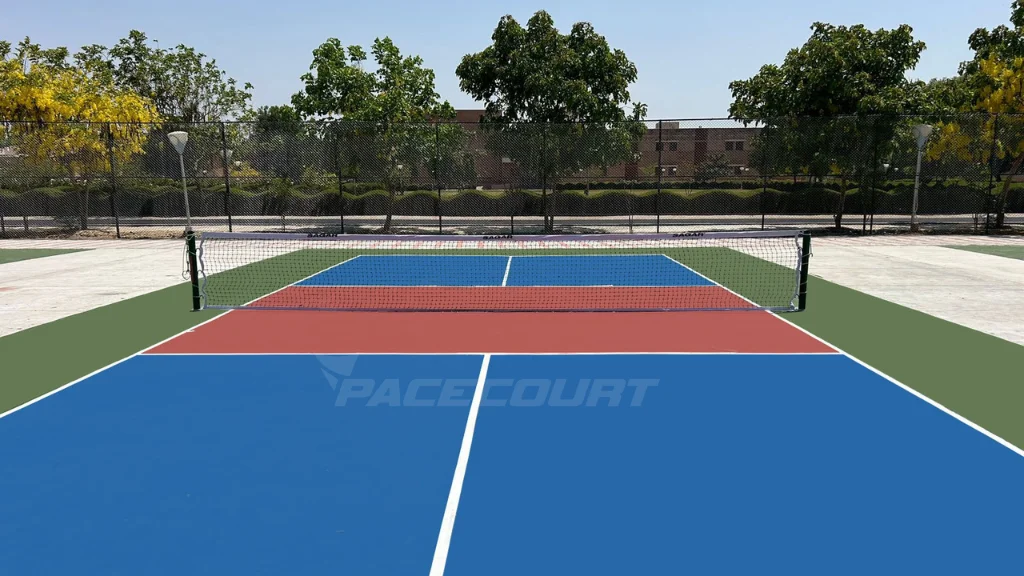
Before diving into maintenance routines, it’s important to understand that not all pickleball courts are built the same way. The type of surface used plays a huge role in how the court should be cleaned, repaired, and maintained over time. Each material has unique strengths, weaknesses, and maintenance requirements.
Most pickleball courts fall into three main categories: asphalt, concrete, and modular tile surfaces. Each one delivers a slightly different playing experience and demands different levels of care.
Asphalt courts are among the most common in public parks and recreational facilities. They’re relatively affordable to install and provide a smooth playing surface. However, asphalt is somewhat flexible and susceptible to cracking as it ages or experiences temperature fluctuations. Regular inspections and crack sealing are particularly important for these courts.
Concrete courts, on the other hand, are known for their durability and long lifespan. They resist deformation better than asphalt and generally require less structural maintenance. That said, concrete can still develop surface cracks over time, especially in regions with extreme weather conditions.
Modular tile courts represent a newer alternative that has become increasingly popular in schools, sports clubs, and residential spaces. These courts use interlocking plastic tiles placed over a solid base surface. The tiles provide excellent traction and can be replaced individually if damaged, which simplifies certain types of maintenance.
Understanding the type of court surface you’re dealing with is critical because maintenance techniques vary significantly between materials. For example, pressure washing may be safe for concrete but could damage certain modular tile systems if done improperly. Similarly, crack repair methods differ between asphalt and concrete surfaces.
Another factor to consider is climate and location. Courts exposed to heavy rainfall, intense sunlight, or freezing winters may require additional care regardless of surface type. Environmental factors influence how quickly surfaces degrade and how often maintenance should occur.
By identifying the specific court surface and understanding its characteristics, facility managers and homeowners can develop a targeted maintenance plan. This approach ensures the court remains safe, visually appealing, and ready for play for many years.
Asphalt Courts
Asphalt pickleball courts are among the most widely used surfaces in parks, recreation centers, schools, and community sports complexes. One of the main reasons for their popularity is cost efficiency. Compared to concrete, asphalt is generally cheaper to install, which makes it a practical choice for facilities building multiple courts. It also provides a slightly flexible playing surface that many players find comfortable for long matches because it can absorb a small amount of impact during movement.
However, asphalt comes with a unique set of maintenance requirements. Unlike concrete, asphalt is more susceptible to expansion, contraction, and weather-related wear. Temperature changes can cause the material to expand during hot weather and contract when temperatures drop. Over time, this constant cycle may create small cracks that gradually widen if they are not addressed early.
Crack management is one of the most important aspects of maintaining asphalt pickleball courts. Hairline cracks might appear harmless at first, but they often allow water to seep underneath the surface. When water infiltrates the base layer, it can weaken the structure and eventually cause surface lifting or larger fractures. Maintenance professionals recommend inspecting asphalt courts several times a year and sealing cracks as soon as they appear.
Cleaning is another critical step. Asphalt surfaces tend to accumulate dust, sand, leaves, and organic debris, especially in outdoor environments. If left unchecked, these materials can reduce traction and make the court slippery. A weekly sweeping routine combined with occasional washing keeps the surface safe and visually appealing.
Sun exposure also plays a role in asphalt court aging. Ultraviolet rays gradually break down the surface binder, causing fading and surface roughness. This is why many courts receive a protective acrylic coating during resurfacing projects. The coating enhances color, improves traction, and protects the underlying asphalt.
Typically, asphalt pickleball courts require resurfacing every 4 to 6 years, depending on usage and environmental conditions. During resurfacing, contractors apply fresh layers of acrylic coating and repaint court lines to restore the court’s original performance.
While asphalt requires consistent care, its affordability and reliable playability make it an excellent option. With regular cleaning, crack repairs, and resurfacing at the right intervals, asphalt courts can remain in great condition for many years.
Upgrade Your Sports Court Today
Get premium synthetic acrylic flooring designed for durability, grip, and performance.
Get Free ConsultationConcrete Courts
Concrete pickleball courts are widely considered one of the most durable and long-lasting playing surfaces available. Many professional or high-end recreational facilities choose concrete because it provides exceptional structural stability and can last decades with proper care. While the initial installation cost is usually higher than asphalt, the long-term durability often makes concrete a smart investment.
One of the key advantages of concrete is its resistance to deformation. Unlike asphalt, which can soften under extreme heat, concrete maintains its structural integrity even during intense summer temperatures. This stability ensures that the court surface remains level and consistent, which is essential for predictable ball bounce and fair gameplay.
Despite its strength, concrete is not completely maintenance-free. Over time, it can develop surface cracks or expansion joint separation, especially in areas that experience significant temperature fluctuations. These cracks often occur due to natural ground movement, moisture changes, or thermal expansion.
Regular inspections are essential for identifying early signs of damage. Small cracks should be sealed promptly using specialized fillers designed for sports surfaces. Ignoring these cracks can allow water to penetrate beneath the surface, which may lead to larger structural problems over time.
Cleaning concrete courts is relatively straightforward. Because the surface is harder and less porous than asphalt, debris can usually be removed using brooms, leaf blowers, or pressure washers. Pressure washing is particularly effective for removing stubborn dirt, mildew, and algae buildup that may accumulate in shaded or damp areas.
Another important aspect of maintaining concrete courts is protecting the surface coating. Most pickleball courts are finished with acrylic sport coatings, which add texture, color, and traction. These coatings gradually wear down due to foot traffic and weather exposure. When the coating starts to fade or lose grip, resurfacing becomes necessary.
On average, concrete pickleball courts require resurfacing every 5 to 8 years, depending on climate and usage levels. Resurfacing restores the protective coating and ensures that players continue to enjoy consistent ball bounce and safe footing.
Although concrete courts demand periodic maintenance, their durability, stability, and longevity make them a favorite choice for facilities looking to build courts that last for decades.
Modular Tile Courts
Modular tile pickleball courts represent one of the most modern innovations in sports surface technology. Instead of using a single continuous material like asphalt or concrete, these courts consist of interlocking plastic tiles installed over a solid base. Each tile connects to the next, forming a durable and flexible playing surface that has become increasingly popular in residential backyards, sports clubs, and temporary tournament setups.
One of the biggest advantages of modular tile courts is ease of maintenance and repair. If a section of the court becomes damaged or worn out, individual tiles can be removed and replaced without resurfacing the entire court. This modular design significantly reduces long-term maintenance costs compared to traditional surfaces.
The tiles themselves are typically made from high-impact polypropylene, a material known for its durability and weather resistance. These tiles are designed with built-in drainage systems that allow rainwater to pass through small gaps between panels. As a result, modular courts often dry much faster after rainfall compared to solid asphalt or concrete courts.
Cleaning modular tile courts is relatively simple. Regular sweeping or using a leaf blower helps remove debris like leaves, dirt, and dust that may accumulate on the surface. Occasionally, the court may need to be washed with water and mild detergent to remove dirt buildup. Unlike traditional courts, pressure washing should be used cautiously to avoid dislodging tiles.
Another advantage is player comfort. Modular tiles provide slightly more cushioning compared to rigid concrete surfaces, which can reduce joint strain during long matches. Many players appreciate the improved shock absorption, especially older athletes or those who play frequently.
However, modular tile courts are not completely maintenance-free. Dirt can sometimes collect between tiles, and extreme temperature changes may cause expansion or contraction in certain climates. Periodic inspections ensure that tiles remain properly connected and level.
Many modular systems also include UV-resistant coatings that help maintain vibrant colors and prevent fading over time. With proper care, these surfaces can last 10 to 15 years or more, making them a durable and versatile option for modern pickleball facilities.
Essential Maintenance Tools
Maintaining a pickleball court becomes significantly easier when you have the right tools for the job. Just as a gardener relies on proper equipment to keep plants healthy, court owners need specific tools to ensure the playing surface stays clean, safe, and visually appealing.
The most basic tool for court maintenance is a wide push broom or court brush. These brushes are specifically designed for sports surfaces and allow operators to remove dust, sand, and debris quickly without damaging the surface coating. Regular sweeping prevents debris from accumulating and affecting ball bounce or player traction.
Another essential tool is a leaf blower, especially for outdoor courts located near trees or landscaped areas. Leaves, twigs, and pollen can quickly cover a court surface, particularly during autumn. A powerful blower clears large areas efficiently and saves significant time compared to manual sweeping.
Water hoses and pressure washers are also valuable for deeper cleaning tasks. While sweeping removes loose debris, washing helps eliminate stubborn stains, algae, and mildew that can form in humid environments. For best results, mild detergents specifically designed for sports surfaces should be used instead of harsh chemicals.
Crack repair kits are another important component of any maintenance toolkit. These kits typically include crack fillers, sealants, and application tools designed to repair small surface fractures. Addressing cracks early prevents them from spreading and protects the court’s structural integrity.
Facility managers often keep additional tools on hand, including:
- Line striping machines for repainting court markings
- Squeegees or rollers for removing standing water
- Measuring tools for verifying court line accuracy
- Inspection checklists to track maintenance schedules
Having the right equipment not only simplifies maintenance but also ensures the work is performed correctly. Without proper tools, tasks like cleaning or crack repair can become inefficient or even damage the court surface.
Investing in quality maintenance tools is a small expense compared to the cost of resurfacing or rebuilding a court. With a well-equipped maintenance setup, keeping a pickleball court in top condition becomes a manageable and routine process.
Daily and Weekly Cleaning Routine
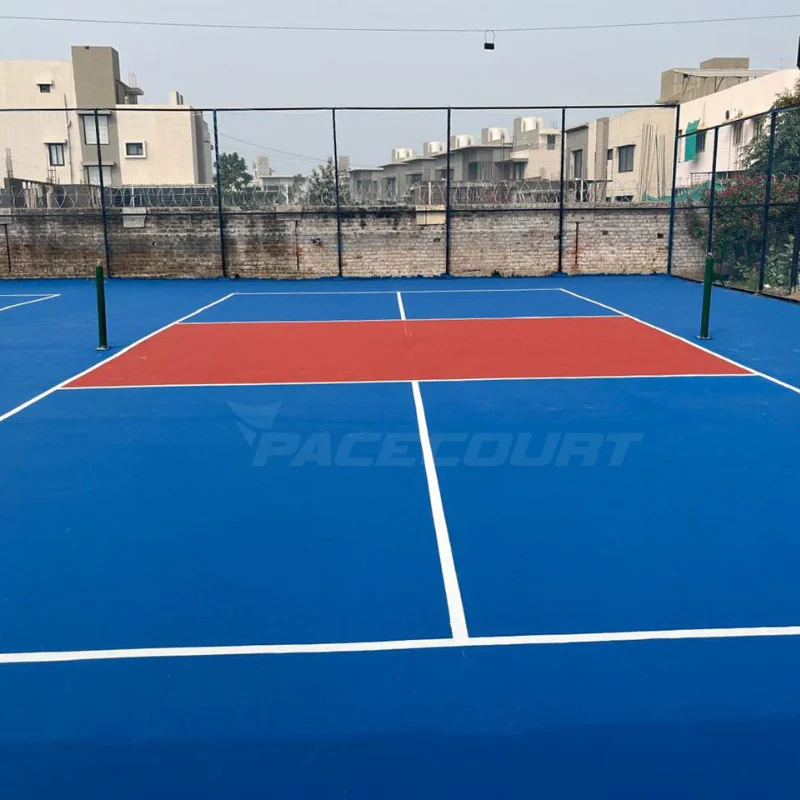
A consistent cleaning routine is one of the most effective ways to keep a pickleball court in excellent condition. Think of it like maintaining a kitchen countertop—if you wipe it down regularly, stains and grime never get the chance to build up. The same principle applies to sports courts. Daily and weekly maintenance prevents small issues from turning into bigger, more expensive problems later.
Outdoor courts naturally collect dust, leaves, pollen, sand, and small debris carried by wind, shoes, and surrounding landscapes. Over time, these materials accumulate on the playing surface and begin to affect traction. When players sprint, pivot, or lunge for a ball, even a thin layer of dust can increase the risk of slipping. Regular cleaning ensures that the court remains safe and comfortable for athletes.
Daily maintenance typically focuses on quick debris removal. This might involve sweeping the court with a push broom or using a leaf blower to clear loose materials. The goal is not deep cleaning but simply preventing buildup. If the court is located near trees or landscaping, this quick cleanup becomes even more important because leaves and organic matter can accumulate rapidly.
Weekly maintenance usually goes a step further by including surface washing and inspection. During this process, operators remove stubborn dirt, stains, and organic growth such as algae or mildew. Moisture combined with organic material can create slippery patches that affect gameplay. Washing the court ensures that the surface remains clean and visually appealing.
Another important part of weekly maintenance is checking for early signs of damage. Small cracks, fading lines, or uneven surfaces often begin subtly. If they are spotted early, repairs are relatively inexpensive and quick to complete. Ignoring them for months or years can result in expensive resurfacing projects.
Many professional sports facilities create a structured cleaning schedule. For example, courts in busy recreation centers might be swept every morning and washed every weekend. This routine ensures the court always looks and performs its best for players.
Ultimately, daily and weekly maintenance routines are the backbone of long-term court care. By dedicating a small amount of time each week, facility managers and homeowners can dramatically extend the lifespan of the surface and maintain a high-quality playing experience.
Removing Debris and Dust
Removing debris may sound like a simple task, but it plays a crucial role in maintaining the performance and safety of a pickleball court. Dust, sand, leaves, and tiny particles gradually accumulate on the surface, especially in outdoor environments. These materials may seem harmless at first glance, yet they can significantly affect player traction and ball movement.
One of the biggest concerns with debris buildup is reduced grip on the playing surface. Pickleball players frequently make quick directional changes, sudden stops, and rapid sprints. When loose particles are present, they act like tiny ball bearings underfoot, increasing the risk of slips and falls. Keeping the court clear ensures that players maintain secure footing throughout the game.
The most effective way to remove debris is through regular sweeping or blowing. Wide push brooms designed for sports courts are ideal because they distribute pressure evenly across the surface and prevent damage to protective coatings. Sweeping should be done gently yet thoroughly, focusing on corners and edges where debris tends to collect.
Leaf blowers provide another efficient solution, particularly for outdoor courts surrounded by trees or vegetation. With a powerful airflow, blowers can quickly clear large areas without requiring significant physical effort. Many maintenance crews prefer blowers because they allow operators to clean an entire court within minutes.
Weather conditions also influence how frequently debris must be removed. For example:
- Autumn: Falling leaves require daily clearing.
- Spring: Pollen and dust accumulation increases.
- Windy conditions: Sand and debris may blow onto the court.
Ignoring debris for extended periods can also lead to surface staining and organic growth. Leaves and organic materials decompose over time, creating dark spots or slippery algae patches. These issues are far more difficult to remove once they become established.
By maintaining a consistent debris removal routine, court owners ensure the playing surface remains clean, safe, and ready for competition. It’s a simple task, yet it plays an enormous role in preserving the court’s quality and longevity.
Washing the Surface Properly
While sweeping and blowing remove loose debris, deeper cleaning occasionally becomes necessary to restore the court’s appearance and traction. Washing the court surface helps eliminate embedded dirt, stains, mildew, and algae that may accumulate over time, especially in humid or shaded environments.
The cleaning process usually begins with a simple rinse using a garden hose or low-pressure water system. This step loosens dirt and removes smaller particles that sweeping might have missed. For routine maintenance, plain water is often enough to keep the surface looking fresh.
When stains or organic growth appear, a mild cleaning solution may be required. Maintenance professionals typically recommend using sports-surface-friendly detergents mixed with water. Harsh chemicals such as bleach or strong solvents should be avoided because they can damage acrylic coatings and fade court colors.
For stubborn dirt, many facilities use pressure washers, but this method must be applied carefully. Excessively high pressure can strip protective coatings or erode the textured surface that provides traction. Most experts suggest using a low to medium pressure setting and maintaining a consistent distance from the court surface.
The cleaning process generally follows these steps:
- Sweep or blow away loose debris.
- Rinse the court with water.
- Apply a mild cleaning solution if needed.
- Gently scrub problem areas with a soft brush.
- Rinse thoroughly and allow the surface to dry.
Drainage is another important factor during washing. Courts should be designed with slight slopes to allow water to flow away from the playing area. Standing water not only slows the drying process but can also encourage mold, mildew, and surface deterioration.
Regular washing improves both the appearance and functionality of the court. Players immediately notice the difference when stepping onto a freshly cleaned surface—the colors look brighter, the texture feels grippier, and the overall experience becomes more enjoyable.
With proper washing techniques and the right cleaning products, pickleball courts can remain vibrant, safe, and ready for action throughout the year.
Seasonal Maintenance Strategies
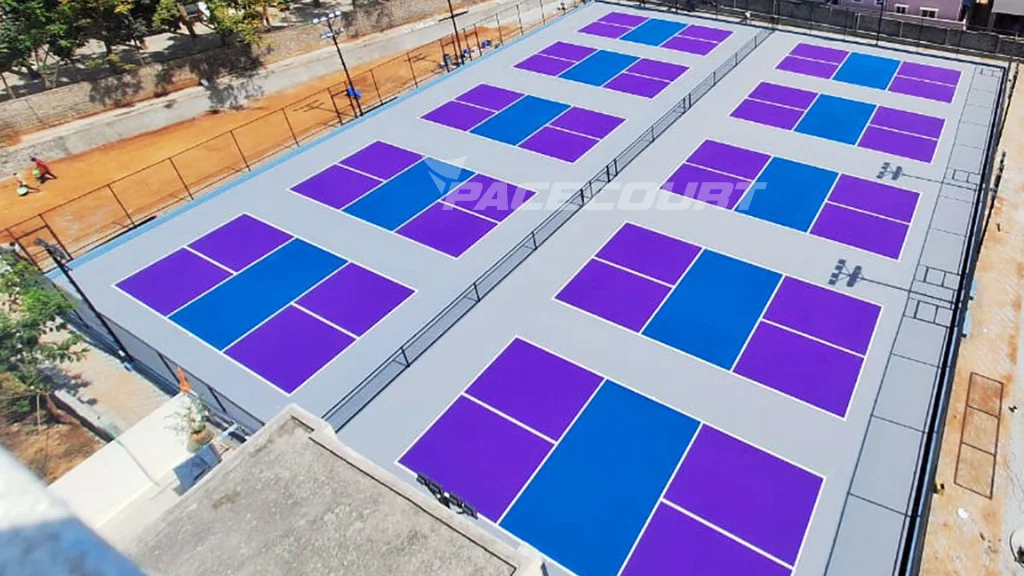
Pickleball courts are constantly exposed to the elements. Sunlight, rain, wind, and temperature changes all play a role in how the court surface ages over time. Because of this, maintenance should not only follow daily or weekly routines but also adapt to seasonal conditions. Each season brings unique challenges that can impact the durability, safety, and appearance of the court.
Seasonal maintenance is essentially about anticipating environmental stress before it causes damage. For example, extreme summer heat can soften certain surfaces and fade coatings, while winter freezes may create cracks due to expansion and contraction. By adjusting maintenance strategies throughout the year, court owners can minimize long-term damage and extend the lifespan of the playing surface.
Spring often serves as a recovery season for courts that experienced winter conditions. During this period, maintenance teams typically perform deep cleaning, inspect for cracks, and repair minor structural issues. Winter snow, ice, and moisture can leave behind residue or cause small fractures that need immediate attention.
Summer brings its own challenges. High temperatures and intense sunlight can degrade protective coatings and cause color fading. The heat can also make asphalt surfaces more flexible, increasing the risk of minor surface movement. Regular inspections during this season ensure the court remains stable and safe.
Autumn introduces falling leaves and organic debris. While these materials may seem harmless, they can quickly accumulate and trap moisture against the surface. If left unattended, decomposing leaves may cause staining or encourage algae growth. Frequent sweeping becomes especially important during this time.
Winter maintenance varies depending on location. In colder climates, snow removal and freeze protection are major priorities. Improper snow clearing methods—such as using metal shovels—can scratch the court surface. Facilities often rely on soft-bristle push brooms or specialized snow equipment designed for sports courts.
Many professional facilities create seasonal maintenance checklists to ensure no important tasks are overlooked. These schedules typically include inspections, cleaning, drainage checks, and minor repairs tailored to each season’s conditions.
By adapting maintenance practices to seasonal weather patterns, court owners can dramatically reduce wear and tear. This proactive approach not only protects the court’s structural integrity but also ensures players enjoy consistent performance year-round.
Summer Heat Protection
Summer is often the busiest season for pickleball courts, with longer daylight hours and favorable weather attracting players to outdoor facilities. However, the same sunlight and heat that make outdoor play enjoyable can also place significant stress on the court surface. Protecting the court during hot months is essential for maintaining both performance and longevity.
One of the biggest challenges during summer is ultraviolet (UV) exposure. Prolonged exposure to strong sunlight can gradually fade court colors and weaken protective coatings. Acrylic sport coatings are designed to resist UV damage, but over time the sun’s rays can still break down the surface layer. This process may cause the court to lose its vibrant appearance and reduce traction.
Temperature fluctuations also affect certain materials. Asphalt courts, in particular, can soften slightly in extreme heat. While this flexibility helps prevent major cracking, it may also make the surface more vulnerable to indentations or scuffing if heavy equipment is placed on the court. Limiting unnecessary equipment traffic helps reduce this risk.
Hydration and surface temperature management can also influence court conditions. On extremely hot days, some facilities lightly rinse the court surface with water to cool it down temporarily. This not only protects the coating but also makes the playing environment more comfortable for athletes.
Another key aspect of summer maintenance is monitoring surface wear. With increased usage during peak playing season, areas near the baseline and kitchen line often experience higher levels of foot traffic. Regular inspections allow maintenance teams to identify early signs of wear before they develop into larger problems.
Facility managers may also schedule preventive resurfacing or recoating projects before peak summer months. Applying a fresh protective coating in spring ensures the court is fully prepared to handle intense sun exposure and heavy usage during the busiest time of year.
Shade structures, surrounding landscaping, and proper drainage systems can further help protect courts from excessive heat and environmental stress. Even small measures—like installing benches or barriers that prevent players from dragging chairs onto the court—can help preserve the surface.
By paying attention to summer-specific challenges, court owners can keep their pickleball courts vibrant, safe, and ready for the high demand that comes with the sport’s most active season.
Winter Care and Freeze Prevention
Winter presents a completely different set of challenges for pickleball court maintenance. Cold temperatures, snow, and ice can place significant stress on court surfaces, particularly in regions where freezing conditions persist for long periods. Proper winter care focuses on preventing moisture damage, avoiding surface scratches, and protecting structural integrity.
One of the biggest threats during winter is the freeze–thaw cycle. When water seeps into tiny cracks in asphalt or concrete, it expands as it freezes. This expansion puts pressure on the surrounding material, causing cracks to widen or new fractures to form. Repeated freeze–thaw cycles can gradually weaken the entire court structure.
Preventing water infiltration is the best defense against this problem. Before winter begins, maintenance teams often perform crack sealing and drainage inspections. Ensuring that water flows away from the court rather than pooling on the surface significantly reduces the risk of freeze-related damage.
Snow removal must also be handled carefully. Using metal shovels or sharp-edged tools can easily scratch or chip the court’s protective coating. Instead, maintenance crews typically rely on plastic shovels, soft-bristle push brooms, or specialized snow blowers designed for sports surfaces. Gentle removal methods protect the court while still keeping it usable.
Ice management requires similar caution. While salt or chemical deicers are commonly used on sidewalks and roads, they are not always suitable for sports courts. Some chemicals can degrade acrylic coatings or cause discoloration. Facilities often choose surface-safe deicing products specifically designed for athletic courts.
Another important winter strategy is limiting unnecessary activity on the court when conditions are harsh. Walking on frozen or icy surfaces increases the likelihood of slips and can also damage the coating. Many facilities temporarily close outdoor courts during severe winter weather to prevent both injuries and surface damage.
Even when the court is not actively used, periodic inspections remain important. Checking for standing water, debris accumulation, or structural changes ensures that problems are addressed early.
With proper winter preparation and careful snow management, pickleball courts can survive cold seasons without significant damage. When spring arrives, courts that received proper winter care often require only minor cleaning and inspections before returning to full operation.
Repairing Common Court Problems
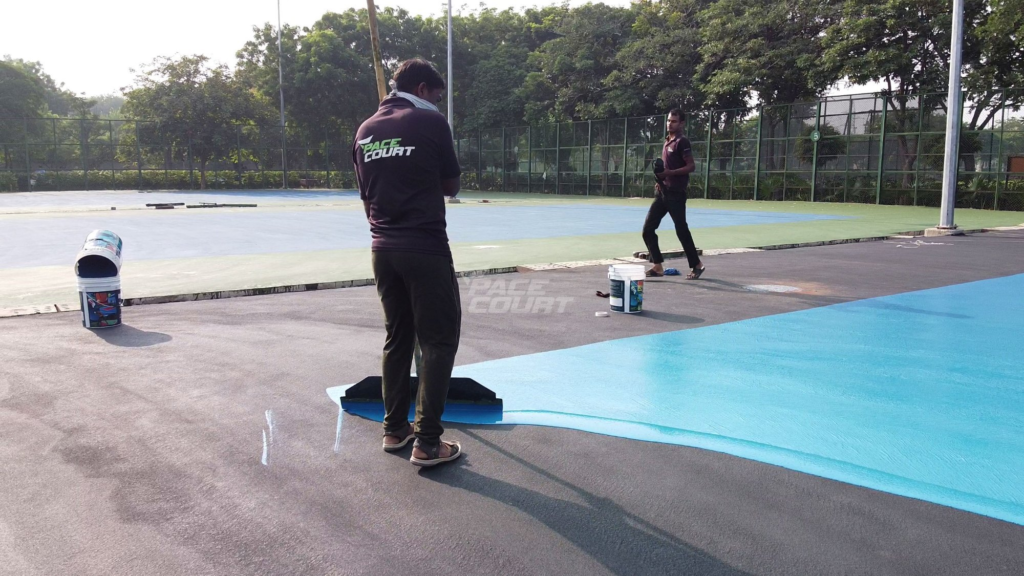
Even with consistent maintenance, pickleball courts will eventually develop minor issues. Constant exposure to weather, heavy foot traffic, and natural aging can lead to surface wear that affects both appearance and gameplay. The key to maintaining a high-quality playing surface is identifying and repairing problems before they escalate into major structural damage.
Most court problems begin small. Hairline cracks, faded paint lines, and slight surface discoloration may appear harmless at first. However, these small imperfections can gradually worsen if ignored. For example, a tiny crack might allow water to seep beneath the surface. Over time, this trapped moisture can weaken the base layer and lead to larger fractures or uneven surfaces.
Regular inspections play a crucial role in early detection. Maintenance teams often perform quarterly or seasonal inspections, carefully examining the court for signs of wear. Areas near the baseline, service boxes, and kitchen line are particularly vulnerable because players frequently pivot and stop in these zones. These repetitive movements place stress on the surface and can accelerate deterioration.
Another common issue is surface peeling or coating breakdown. Acrylic coatings provide texture and traction, but they slowly wear down with use. When coatings become thin or patchy, the court may feel slippery and lose its vibrant color. Recoating these areas restores both appearance and functionality.
Drainage-related problems can also lead to long-term damage. Courts that retain water after rain are more likely to develop mold, mildew, and structural deterioration. Standing water often indicates an issue with the court’s slope or drainage system, which should be corrected to prevent recurring problems.
Repairing issues early has significant financial benefits. Small fixes such as crack sealing or repainting lines cost relatively little compared to complete resurfacing projects. Proactive repairs also extend the court’s lifespan, delaying expensive renovations for several years.
Most pickleball court repairs fall into two major categories:
- Structural repairs, such as fixing cracks or uneven surfaces.
- Surface maintenance, including repainting lines or restoring coatings.
By addressing both types of issues promptly, court owners ensure the playing surface remains safe, consistent, and visually appealing. Players may not always notice routine repairs, but they certainly notice when a court feels smooth, predictable, and professionally maintained.
Fixing Cracks and Surface Damage
Cracks are one of the most common maintenance issues faced by pickleball court owners. These fractures can appear in both asphalt and concrete surfaces and often develop due to temperature fluctuations, ground movement, and moisture infiltration. While small cracks may not seem urgent, they can quickly expand if left untreated.
The first step in crack repair is proper inspection and classification. Not all cracks are the same. Some are simple surface cracks caused by natural aging, while others may indicate deeper structural issues. Maintenance teams typically categorize cracks as hairline, medium, or structural cracks, and each type requires a slightly different repair method.
Hairline cracks are the easiest to fix. These small fractures are usually sealed with flexible crack fillers designed specifically for sports courts. The filler prevents water from entering the crack while maintaining enough flexibility to move with the surface during temperature changes.
For wider cracks, repair crews often use a process called crack routing and filling. This technique involves slightly widening the crack to create a clean channel before applying a specialized filler. While this might sound counterintuitive, widening the crack actually allows the repair material to bond more effectively with the surrounding surface.
After sealing the crack, technicians usually apply a patching compound or acrylic resurfacer over the area. This step smooths the surface and restores consistent texture so the ball bounces predictably during gameplay.
Surface damage can also include chips, depressions, or worn areas caused by heavy use. These imperfections may affect ball bounce and player footing. Repairing them typically involves cleaning the damaged area, applying patching materials, and finishing with a protective coating.
Professional court repair companies often recommend addressing cracks as soon as they appear because delaying repairs allows water infiltration and deeper damage. Preventive crack maintenance is far more affordable than replacing entire sections of the court.
By staying proactive and repairing cracks early, court owners can preserve the smooth, safe surface that pickleball players expect.
Repainting Lines and Court Markings
Clear court markings are essential for proper gameplay. Without visible lines, it becomes nearly impossible for players to judge whether a shot lands in or out. Over time, however, pickleball court lines inevitably begin to fade due to foot traffic, sunlight, and weather exposure.
Repainting lines is one of the most common maintenance tasks performed on sports courts. Fortunately, it is also one of the easiest ways to dramatically improve the court’s appearance. Fresh lines instantly make the surface look new and professional.
Most pickleball courts use acrylic line paint, which is specifically designed to bond with sport coatings while maintaining flexibility. This paint provides vibrant color, durability, and resistance to weather conditions. White is the most common line color, though some courts use contrasting colors depending on the overall court design.
Before repainting, the court surface must be thoroughly cleaned. Dirt, dust, and debris can prevent paint from adhering properly. Maintenance crews usually sweep and wash the surface before applying new markings.
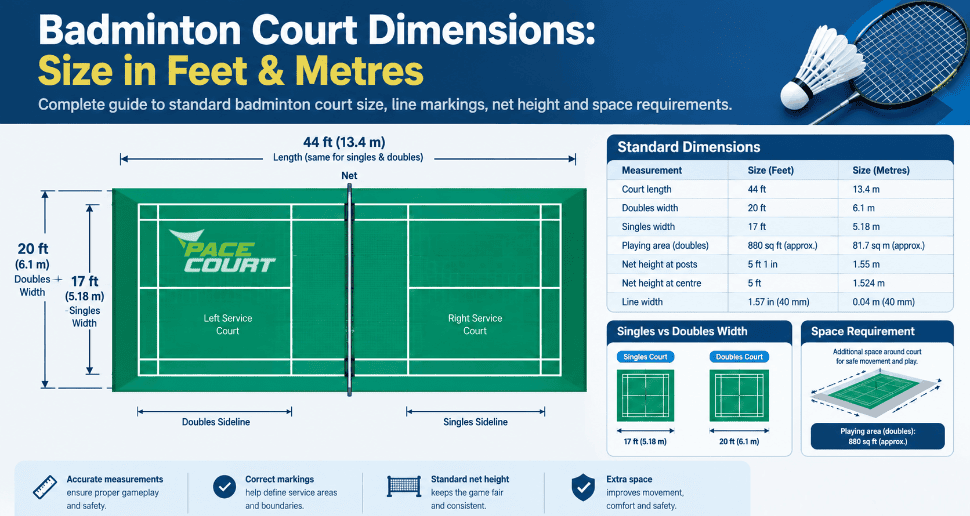
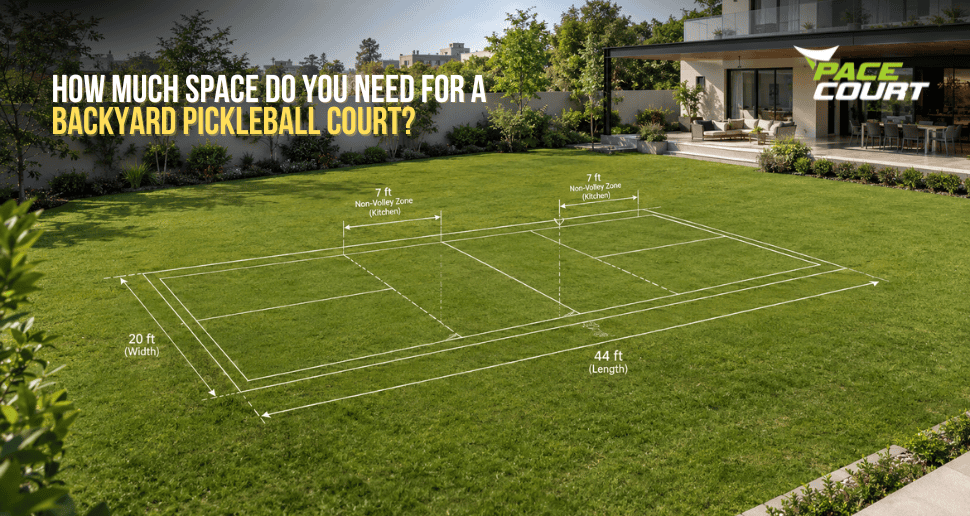
Accuracy is critical during the line painting process. Official pickleball courts follow precise measurements, including:
- Court length: 44 feet
- Court width: 20 feet
- Non-volley zone (“kitchen”) depth: 7 feet from the net
To ensure precision, professionals often use measuring tools, chalk lines, and line striping machines. These tools create sharp, straight lines that meet official regulations.
After painting, the lines must be allowed to dry and cure properly before players return to the court. Depending on weather conditions and paint type, this process may take several hours or up to a full day.
Repainting typically becomes necessary every 1 to 2 years, though heavily used courts may require more frequent touch-ups. Courts located in areas with intense sunlight may also experience faster fading.
Maintaining clear court markings ensures fair gameplay and enhances the overall experience for players. A court with bright, crisp lines not only looks professional but also makes every rally easier to judge and more enjoyable.
Preventive Maintenance Best Practices
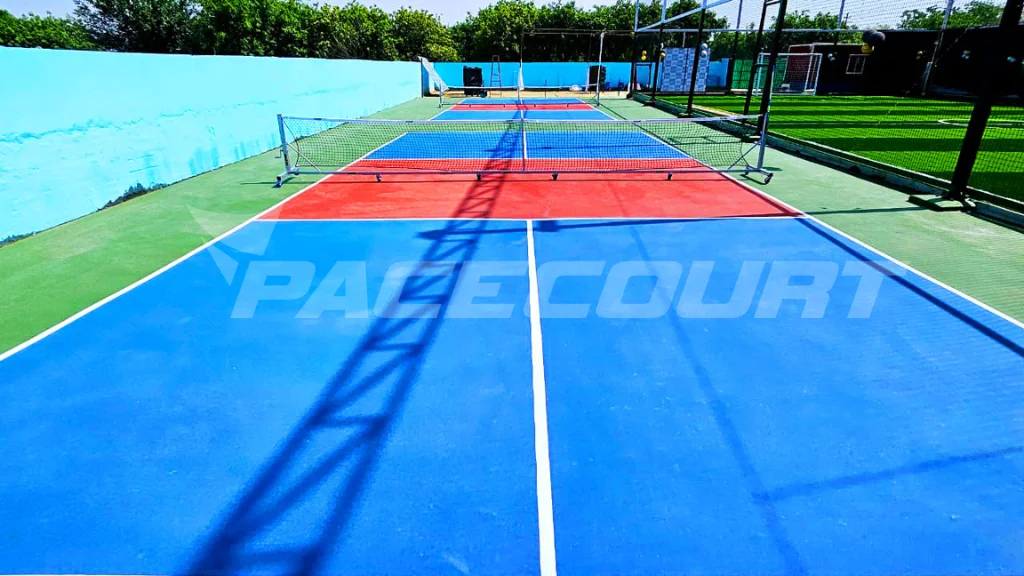
Preventive maintenance is the secret weapon of well-managed pickleball facilities. Rather than constantly reacting to problems after they appear, preventive care focuses on stopping issues before they ever develop. This proactive approach not only protects the court surface but also saves significant time and money in the long run.
Think of preventive maintenance like routine health checkups. Visiting a doctor regularly helps catch small problems early before they turn into serious conditions. In the same way, regularly inspecting and maintaining a pickleball court prevents minor wear from turning into expensive repairs or full resurfacing projects.
One of the most important preventive practices is regular inspections. Court managers should visually inspect the playing surface every few weeks. During these inspections, they look for early signs of cracks, fading paint, drainage problems, or surface discoloration. Catching these small warning signs early makes repairs simple and inexpensive.
Another key practice involves controlling external factors that damage the court. For example, courts located near landscaping may collect leaves, soil, or plant debris. Installing barriers or maintaining nearby trees and bushes helps reduce debris buildup and prevents organic material from staining the surface.
Usage control also plays a role in prevention. Pickleball courts are designed specifically for athletic activity, but sometimes people bring chairs, bicycles, or heavy equipment onto the surface. These objects can scratch coatings or create dents in softer materials like asphalt. Posting clear signage and enforcing facility rules helps protect the court from unnecessary wear.
Preventive maintenance also includes periodic surface treatments. Acrylic coatings used on most pickleball courts gradually wear down due to foot traffic and weather exposure. Applying fresh coatings every few years restores texture, improves traction, and protects the underlying material from environmental damage.
Professional maintenance schedules often include these preventive tasks:
- Monthly cleaning and inspection
- Seasonal crack sealing
- Annual drainage evaluation
- Surface recoating every few years
Facilities that follow preventive maintenance plans typically experience longer court lifespans and lower overall maintenance costs. Instead of dealing with major repairs every few years, they maintain consistent playing conditions with smaller, manageable maintenance tasks.
Ultimately, preventive care ensures that the court remains safe, attractive, and ready for play at all times. Players may never notice the behind-the-scenes work involved, but they certainly appreciate a court that performs perfectly every time they step onto it.
Drainage and Water Management
Water is one of the biggest enemies of outdoor pickleball courts. While a properly designed court can withstand occasional rain, poor drainage can lead to a variety of problems including surface erosion, mold growth, cracking, and structural weakening. Effective water management is therefore a critical part of long-term court maintenance.
Most pickleball courts are built with a slight slope—usually about 1%—to allow water to flow away from the playing surface. This gentle incline may not be noticeable to players, but it ensures that rainwater drains toward the edges rather than pooling in the center of the court.
When drainage systems function properly, water quickly moves off the surface and evaporates. However, problems can arise if the surrounding landscape shifts or if debris blocks drainage pathways. Leaves, dirt, and small stones can accumulate along court edges, preventing water from flowing freely.
Standing water is a major warning sign of drainage issues. Even shallow puddles can damage the surface over time. Moisture that lingers on the court encourages algae, mildew, and moss growth, which can make the surface dangerously slippery for players.
Maintenance teams typically address drainage by:
- Clearing debris from court edges and drains
- Checking slopes to ensure proper water flow
- Repairing low spots where water collects
- Inspecting nearby landscaping for soil runoff
Another helpful tool for managing water is a court squeegee or roller. After heavy rainfall, these tools allow maintenance staff to quickly remove excess water from the surface, helping the court dry faster and preventing moisture damage.
In regions with frequent storms or heavy rainfall, facility designers sometimes install additional drainage channels or perimeter drains around the court. These systems direct water away from the playing surface and protect the underlying foundation.
Proper drainage doesn’t just protect the court—it also improves usability. Courts that dry quickly after rain can reopen sooner, allowing players to resume games without long delays.
Maintaining effective drainage ensures that the court remains structurally sound and safe, even in challenging weather conditions.
Cost of Pickleball Court Maintenance
Understanding the cost of pickleball court maintenance helps facility owners plan budgets and avoid unexpected expenses. While building a court can require a substantial initial investment, ongoing maintenance costs are relatively manageable when handled properly.
| Maintenance Task | Estimated Cost in India (INR) | Frequency | Notes |
|---|---|---|---|
| Basic Cleaning (Sweeping / Blower) | ₹500 – ₹2,000 | Weekly | Removing dust, leaves, and debris |
| Court Washing (Water + Mild Detergent) | ₹1,000 – ₹3,000 | Monthly | Prevents algae and dirt buildup |
| Crack Repair & Filling | ₹3,000 – ₹15,000 | As Needed | Depends on crack size and court surface |
| Line Repainting | ₹5,000 – ₹12,000 | Every 1–2 Years | Acrylic sports paint used |
| Acrylic Surface Recoating | ₹80,000 – ₹2,00,000 | Every 4–6 Years | Restores grip and color |
| Modular Tile Replacement | ₹1,500 – ₹3,000 per tile | As Needed | Only damaged tiles replaced |
| Drainage Maintenance | ₹3,000 – ₹10,000 | Yearly | Cleaning drainage systems |
| Full Court Resurfacing | ₹1,50,000 – ₹4,00,000 | Every 5–8 Years | Major restoration work |
Average Annual Maintenance Budget (India)
| Court Type | Average Yearly Maintenance Cost |
|---|---|
| Asphalt Court | ₹30,000 – ₹80,000 |
| Concrete Court | ₹25,000 – ₹70,000 |
| Modular Tile Court | ₹20,000 – ₹60,000 |
Key Factors Affecting Maintenance Cost in India
- Climate: Heavy rain areas require more drainage maintenance.
- Court usage: Club courts wear faster than residential courts.
- Surface material: Modular tiles are easier to repair but expensive initially.
- Location: Metro cities like Mumbai, Bangalore, and Delhi have higher labor costs.
Proper maintenance can extend a pickleball court’s life to 15–20 years, making regular upkeep a worthwhile investment for clubs, schools, and residential communities. 🏓
The total maintenance cost depends on several factors, including court surface type, climate, usage frequency, and maintenance practices. Courts in busy public parks naturally experience more wear than those in private backyards, while regions with extreme weather may require additional upkeep.
Routine maintenance tasks—such as sweeping, washing, and minor inspections—are typically inexpensive. Many facilities perform these tasks using in-house staff and basic equipment. These small efforts make a big difference in preventing expensive repairs later.
One of the most significant expenses is court resurfacing, which typically occurs every four to eight years. During this process, contractors repair cracks, apply new acrylic coatings, and repaint all court lines. While resurfacing may seem costly, it essentially renews the court and extends its lifespan by several years.
Preventive maintenance dramatically reduces overall expenses. Courts that receive regular cleaning, inspections, and early repairs often avoid major structural problems altogether. In contrast, neglected courts may require complete reconstruction far sooner than expected.
Another factor influencing maintenance costs is player volume. High-traffic courts may require more frequent cleaning and line repainting. However, even heavily used courts can remain in excellent condition when maintenance schedules are followed consistently.
Ultimately, maintaining a pickleball court is far more affordable than replacing one. With a proactive approach and proper budgeting, facility managers can keep courts performing at a professional level for decades.
Conclusion
Pickleball courts may look simple on the surface, but maintaining them properly requires a thoughtful and consistent approach. From daily debris removal to long-term resurfacing plans, each maintenance step plays a role in preserving the court’s safety, performance, and visual appeal.
Regular cleaning routines keep the surface free from dust, leaves, and other debris that can affect traction and ball bounce. Seasonal maintenance ensures the court can handle environmental challenges like summer heat and winter freezes. Meanwhile, timely repairs—such as crack sealing and line repainting—prevent minor wear from turning into costly structural damage.
Preventive maintenance stands out as the most effective strategy for protecting a court investment. By conducting inspections, managing drainage, and maintaining protective coatings, court owners can significantly extend the life of the playing surface. Courts that receive consistent care often remain playable for decades with only occasional resurfacing.
Financially, proactive maintenance is far more economical than reactive repairs. Spending small amounts on cleaning, inspections, and minor fixes helps avoid major renovation costs later. More importantly, it ensures players enjoy a safe, smooth, and professional-quality playing experience every time they step onto the court.
As pickleball continues to grow rapidly around the world, well-maintained courts will become increasingly valuable community assets. Whether the court is located in a neighborhood park, sports club, school campus, or private backyard, proper maintenance ensures that the game remains enjoyable for players of all ages and skill levels.
A clean, smooth, and vibrant court isn’t just about aesthetics—it’s the foundation for every rally, serve, and winning shot.
Stay Updated with Pacecourt
Discover expert insights, practical tips, and the latest industry updates from Pacecourt, covering sports flooring, tennis and multi-sport court construction, resurfacing, maintenance, court performance, and innovative sports infrastructure solutions.
Powered by Google's Preferred Sources feature