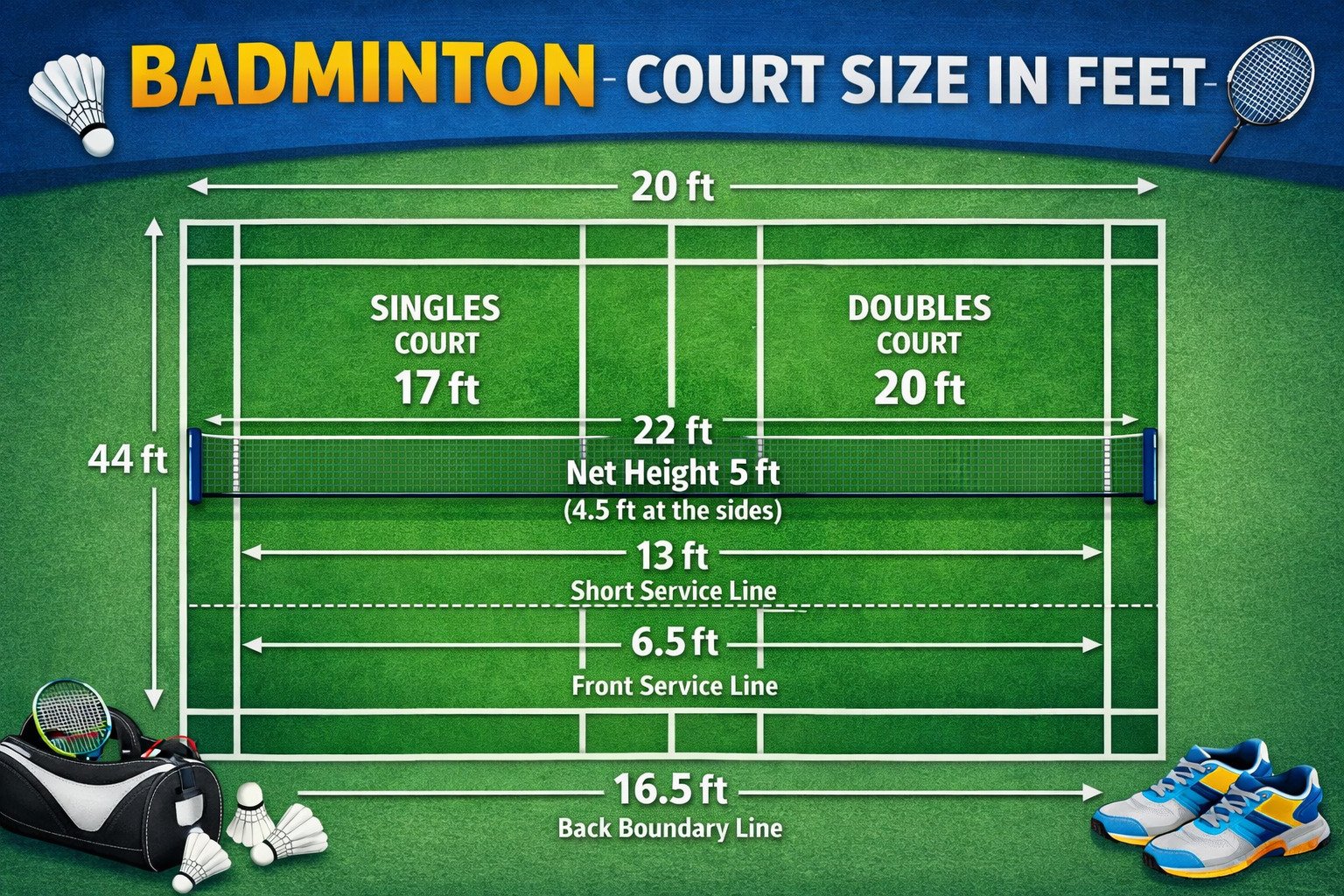
Badminton might look like a simple backyard sport when people casually rally a shuttlecock over a net, but the official game is built around extremely precise measurements. The badminton court size in feet follows strict standards defined by the Badminton World Federation (BWF), and these measurements ensure fairness, consistency, and competitive balance in tournaments around the world. Whether you are setting up a court at home, marking lines in a school gym, or simply trying to understand the rules of the sport better, knowing the exact court dimensions is essential.
Table of contents
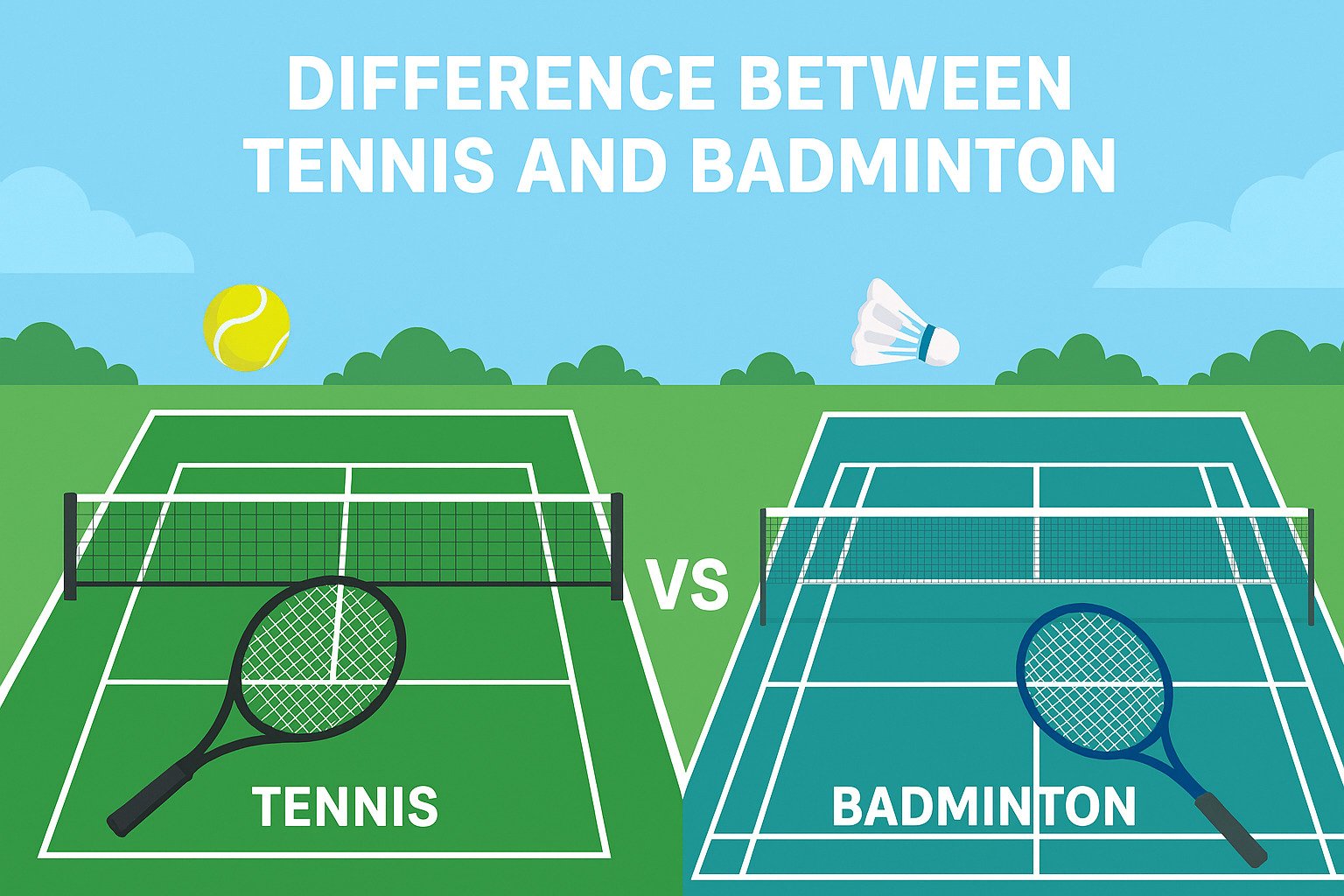
A standard badminton court is rectangular and divided into different zones by a series of lines. Each line has a specific function, such as defining service areas, singles boundaries, and doubles boundaries. The fascinating part is that singles and doubles matches actually use slightly different court widths, even though the overall court is marked on the same surface. That means one court accommodates both game formats simply by using different boundary lines.
If you have ever watched professional badminton, you may have noticed players hitting incredibly precise shots that land just inches inside a line. Those lines matter because every foot and inch of the court is carefully designed to influence gameplay strategy. A deeper court allows for long clears, while narrower singles sidelines encourage precision and tactical placement.
Another interesting detail is that badminton courts must maintain consistent proportions regardless of location. From Olympic arenas to community recreation centers, the standard badminton court size remains 44 feet long. This uniformity allows athletes to compete anywhere without needing to adapt to new court dimensions.
This guide explores everything you need to know about badminton court dimensions in feet, including singles and doubles measurements, line markings, net height, service zones, and recommended space around the court. By the end, you will have a clear picture of how a badminton court is structured and how each measurement affects gameplay strategy.
Understanding the Standard Badminton Court Dimensions
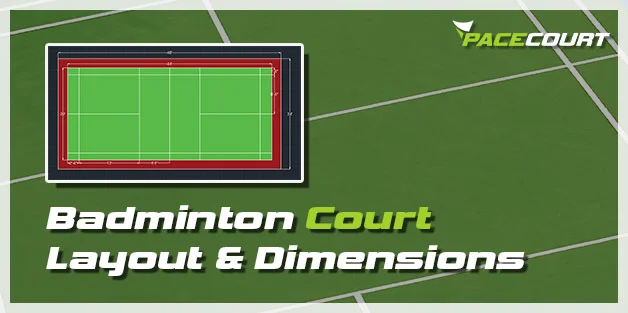
A badminton court may appear simple at first glance, but its design is carefully structured to support the fast-paced nature of the sport. Every measurement—from the total court length to the spacing of service lines—has been standardized by the Badminton World Federation (BWF). These regulations ensure that matches played in local gyms follow the same dimensions used in international championships.
The overall badminton court size in feet is 44 feet long and 20 feet wide. This full width is used during doubles matches, while singles matches use a narrower portion of the same court. Because both formats share the same court surface, additional boundary lines are drawn inside the doubles lines to define the singles playing area.
The rectangular court is split into two equal halves by a net that stretches across the center. Each side of the court measures 22 feet from the net to the baseline, meaning both players have identical playing space. This symmetry is crucial because badminton relies heavily on positioning, shot placement, and strategic movement.
Several other lines divide the court into specific zones. These include the short service line, center line, doubles long service line, and sidelines. Each of these markings determines where serves must land and how rallies are judged during play. Without these markings, it would be impossible to enforce the precise rules that govern professional badminton.
One fascinating aspect of badminton court design is how it balances offense and defense. The court is long enough to allow powerful clears and smashes but narrow enough to reward accuracy. Elite players often aim shots within inches of the sidelines or baseline, turning the court’s dimensions into a tactical battlefield.
In professional tournaments, courts are also surrounded by additional safety space so players can chase shots without colliding with walls or spectators. Lighting, ceiling height, and flooring type are also carefully considered to ensure consistent playing conditions.
Understanding these standard dimensions gives players a deeper appreciation of the sport. The next step is examining the two key measurements that define every badminton court: its official length and width in feet.
Official Court Length in Feet
The official badminton court length is 44 feet, and this measurement applies to both singles and doubles matches. Regardless of the level of play—from amateur leagues to the Olympic Games—this length never changes. The consistency ensures that players can develop their skills without needing to adjust to different court sizes when they compete in new venues.
The 44-foot length is divided evenly by the net, creating two halves that measure 22 feet each. Each half extends from the net to the back boundary line known as the baseline. During rallies, any shuttlecock landing beyond this baseline is considered out of bounds. Because badminton shuttles slow down rapidly in the air, players must judge their shot power carefully to keep the shuttle within this limited distance.
This length plays a significant role in shaping badminton strategy. For example, defensive players often use high clears, sending the shuttle deep toward the opponent’s baseline. These shots force opponents to move backward quickly, giving the defender time to recover positioning near the center of the court. On the other hand, offensive players use steep smashes that land closer to the midcourt area, making it difficult for opponents to react.
The court length also affects footwork patterns. Professional players train extensively to cover the full 22-foot distance from the net to the baseline in just a few quick steps. Efficient movement across this space allows them to return shots that might otherwise seem unreachable.
Interestingly, the 44-foot length has remained unchanged for decades despite many other aspects of badminton evolving. Racket materials, shuttlecock technology, and training methods have improved dramatically, but the court dimensions remain rooted in tradition. This stability allows historical comparisons between players and ensures that the fundamental nature of the game stays intact.
Because the entire sport revolves around speed and precision, the exact length of the court influences every rally. A shot landing just a few inches past the baseline can mean the difference between winning and losing a point, highlighting how critical this measurement truly is.
Official Court Width in Feet
The official width of a badminton court is 20 feet, but this measurement applies specifically to doubles matches. Singles matches use a narrower playing area within the same court, which changes the strategic dynamics of the game. This dual-purpose design allows a single court to accommodate both formats without requiring different setups.
In doubles play, the full 20-foot width is active, meaning players must defend a significantly larger horizontal area. Because four athletes share the court instead of two, rallies often involve faster exchanges and more aggressive attacking shots. Teams rely on coordination and positioning to cover the entire width effectively.
The sidelines marking the doubles boundary run parallel to each other along the length of the court. These lines define the maximum width that the shuttlecock can land within during a rally. If the shuttle lands even slightly outside these lines, the point goes to the opposing side.
The wider playing area dramatically influences doubles strategies. Teams often adopt front-and-back formations, where one player controls the net while the other handles shots toward the baseline. This setup helps cover the court efficiently despite its full width being in play.
From a design perspective, the 20-foot width also allows enough space for dynamic lateral movement. Badminton is famous for its lightning-fast side-to-side rallies, and the court width ensures players have room to execute cross-court smashes, angled drops, and defensive drives.
The difference between singles and doubles width might seem small, but it changes how the game unfolds. In singles, players focus on endurance and precise shot placement, while doubles emphasizes speed, teamwork, and rapid reflexes.
Understanding the court’s width is essential for anyone planning to build or mark a badminton court. When measured correctly, the 20-foot width combined with the 44-foot length creates the official rectangular playing surface recognized worldwide.
Singles Court Dimensions Explained
Singles badminton uses the same overall court structure as doubles, but the active playing area becomes narrower. While the full court measures 44 feet long and 20 feet wide, singles matches only use the inner sidelines, reducing the effective width to 17 feet. This seemingly small difference dramatically changes the way the game is played, influencing strategy, movement, and shot selection.
The length of the singles court remains 44 feet, exactly the same as doubles. Players must cover the entire distance from the net to the baseline, which demands excellent stamina and footwork. Because only one player is responsible for covering each side, the narrower width helps maintain balance between offense and defense. Without this adjustment, singles players would have to cover too much horizontal space, making rallies shorter and less strategic.
The 17-foot width encourages precise placement rather than pure power. Skilled singles players often target the sidelines to stretch their opponent across the court. A well-placed cross-court drop shot, for instance, can force an opponent to sprint diagonally across the court, leaving space open for the next attack. In many professional matches, rallies involve players repeatedly moving from corner to corner, demonstrating just how much impact these measurements have on gameplay.
Upgrade Your Sports Court Today
Get premium synthetic acrylic flooring designed for durability, grip, and performance.
Get Free ConsultationAnother important difference lies in the service boundaries. In singles, serves must land beyond the short service line but can travel all the way to the baseline. This gives players a larger service target compared to doubles, where the back boundary for service is shorter. Because of this, singles players often use deep high serves to push opponents toward the back of the court right from the start of the rally.
Footwork training in singles badminton is heavily influenced by these dimensions. Coaches teach players to move efficiently across the 17-foot width using quick lateral steps and recovery movements. The goal is to return to the center of the court after every shot, creating equal access to all four corners.
The design of the singles court ensures a perfect balance between challenge and fairness. It allows players to showcase endurance, tactical intelligence, and precision while keeping rallies exciting and competitive.
Doubles Court Dimensions Explained
Doubles badminton transforms the game into a much faster and more aggressive contest. While the court length remains 44 feet, the entire 20-foot width becomes active during rallies. With four players sharing the space instead of two, the court feels more compact and intense, resulting in rapid exchanges and explosive attacking shots.
One interesting twist in doubles is the long service line rule. Although players use the full width of the court, the back boundary for serves is actually shorter than the baseline. The doubles long service line sits approximately 2.5 feet inside the baseline, meaning a serve that lands beyond this line is considered out. This rule prevents players from serving extremely high and deep, which could make rallies slower and less dynamic.
Because the court is wider, teamwork becomes crucial. Doubles partners must coordinate their positioning to cover all angles. Most teams use either a side-by-side defensive formation or a front-and-back attacking formation. In defense, both players stand parallel across the court to block smashes and drives. When attacking, one player controls the net while the other stays near the backcourt to unleash powerful smashes.
The 20-foot width also allows for more creative shot angles. Players frequently use cross-court drives, angled smashes, and quick net interceptions to pressure their opponents. Since two players share the defensive workload, the pace of rallies can increase dramatically compared to singles matches.
Professional doubles matches often showcase incredible reflexes because the shuttle travels extremely fast. A smash in elite badminton can exceed 250–300 km/h, leaving defenders with very little reaction time. The wider court gives attackers more opportunities to exploit open spaces.
Despite the increased speed and aggression, the court dimensions maintain a careful balance between offense and defense. The combination of 44 feet in length and 20 feet in width creates just enough space for teamwork and tactical variety without making the game chaotic.
Badminton Court Line Markings and Their Measurements
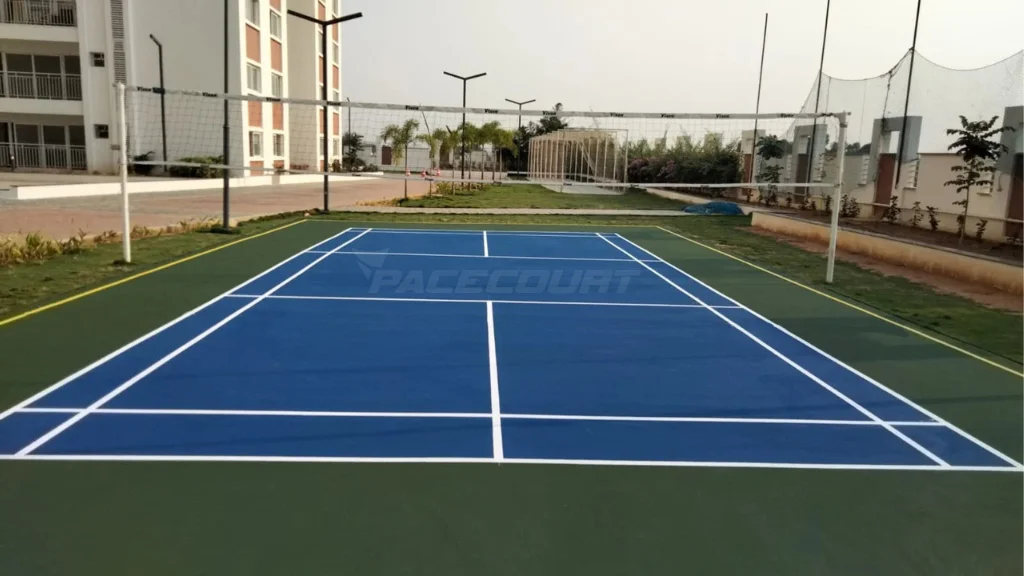
A badminton court contains several important lines that divide the playing surface into functional zones. These markings are essential because they determine where players must stand during service and where the shuttlecock must land to remain in play. Without these lines, the rules of badminton would be impossible to enforce.
Every line on the court has a specific measurement and purpose. For example, the baseline marks the farthest legal boundary, while the short service line determines the minimum distance a serve must travel. Additional lines, such as the center line and doubles long service line, further refine the gameplay by separating service areas.
According to official regulations, all badminton court lines must be 1.57 inches (40 mm) wide. They are usually painted white or yellow so players and referees can clearly see them during matches. The lines are considered part of the playing area, meaning if the shuttlecock lands directly on a line, it is counted as in bounds.
Professional courts are typically marked on wooden or synthetic flooring, especially in indoor stadiums. The color contrast between the court surface and the lines helps athletes judge whether a shuttle is in or out during high-speed rallies. In televised tournaments, advanced camera systems and instant replay technology assist referees in making accurate calls.
The placement of these lines also defines the service courts, which determine where players must stand and where the shuttle must land during a serve. Each half of the court is divided into left and right service boxes by the center line. This structure ensures fairness and organization at the start of every rally.
Understanding these line markings is essential for anyone learning badminton or planning to build a court. Even a small mistake in measurement can affect gameplay, which is why professional courts follow precise specifications.
Baseline and Sideline Measurements
The baseline and sidelines are the outermost boundaries of a badminton court. They define the maximum legal playing area and play a crucial role in determining whether a shot is in or out. In official courts, these lines must be clearly visible and accurately measured to ensure fair competition.
The baseline runs along the back edge of each side of the court, marking the farthest boundary from the net. The distance from the net to the baseline is 22 feet, meaning the full court length measures 44 feet. If the shuttlecock lands beyond this line during a rally, the shot is considered out of bounds.
Sidelines run along the length of the court and determine its width. There are actually two sets of sidelines:
- Outer sidelines for doubles (20 feet width)
- Inner sidelines for singles (17 feet width)
This dual-sideline system allows one court to accommodate both singles and doubles matches without needing separate layouts. During singles games, players ignore the outer sidelines and focus only on the inner boundaries.
Strategically, these lines become key targets for advanced players. A shot landing close to the sideline forces an opponent to move quickly and often stretches them out of position. Skilled players frequently aim for the corners created by the intersection of the baseline and sidelines, as these areas are the hardest to defend.
Referees and line judges carefully monitor these boundaries during professional matches. Because badminton rallies move so quickly, judging whether a shuttle landed on or outside the line can be challenging. High-level tournaments often rely on instant review systems to confirm close calls.
Accurate baseline and sideline placement ensures the court maintains its official 44-by-20-foot dimensions, preserving the integrity of the game.
Short Service Line Distance
The short service line is one of the most important markings on a badminton court because it determines how far a serve must travel before it becomes valid. According to official rules, the short service line is positioned 6 feet 6 inches from the net on both sides of the court.
This line creates the minimum service distance. When a player serves, the shuttlecock must pass over the net and land beyond this line inside the opponent’s service court. If the shuttle lands before reaching the short service line, the serve is considered a fault, and the opposing player wins the point.
The short service line helps maintain fairness in the game by preventing extremely short or easy serves. Without it, players could simply drop the shuttle just over the net, making it nearly impossible for opponents to return. By enforcing a minimum distance, the rule encourages more skillful and strategic serves.
During doubles matches, players often perform low, fast serves that barely clear the net and land just past the short service line. This type of serve reduces the opponent’s attacking opportunities and keeps the rally under control. In singles, however, players frequently use high serves that travel deep toward the baseline.
The line also helps define the service boxes, which are divided by the center line running down the middle of the court. Players must serve diagonally into the correct service box depending on their score.
Despite its simple appearance, the short service line plays a major role in shaping how rallies begin. Its placement ensures that serving remains a skillful and tactical element of badminton.
Long Service Line for Doubles
The long service line for doubles introduces one of the most unique rules in badminton court design. While singles players can serve all the way to the baseline, doubles players must keep their serves shorter. This is because the long service line for doubles sits approximately 2 feet 6 inches inside the baseline.
The purpose of this line is to prevent overly defensive serves in doubles matches. If players were allowed to serve deep to the baseline, many rallies would begin with high clears, slowing down the fast-paced nature of doubles gameplay. By shortening the service boundary, the rules encourage quicker exchanges and more aggressive play.
This line only applies during the serve in doubles matches. Once the rally begins, the entire court—including the space between the long service line and the baseline—becomes valid for play.
For beginners, this rule can be confusing because it creates two different back boundaries depending on whether a player is serving or rallying. Experienced players quickly adapt, using the shorter service zone to deliver precise and controlled serves.
The doubles long service line also influences strategy. Servers must carefully judge the power of their serve so the shuttle lands between the short service line and the doubles long service line. Landing outside that area results in an immediate fault.
This clever rule adjustment helps maintain the energetic rhythm that makes doubles badminton so exciting to watch.
Net Height and Net Placement
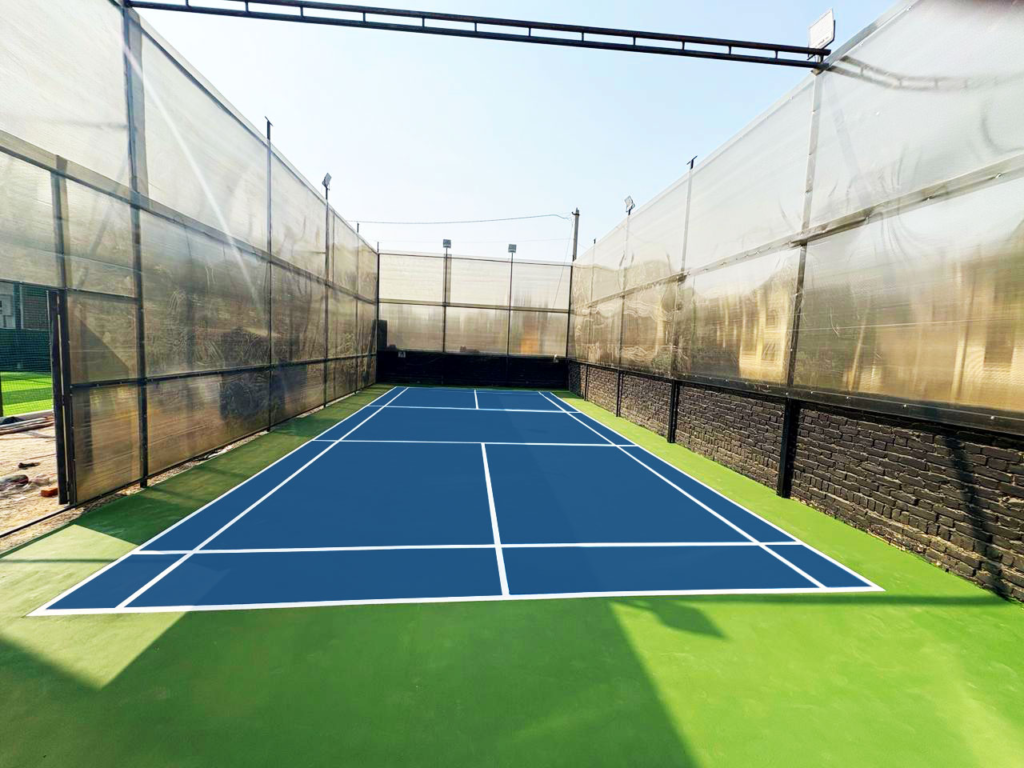
The net is the defining feature of a badminton court. It divides the playing area into two equal halves and acts as the central barrier that players must send the shuttlecock over during rallies. While the net may look simple, its exact height and placement are strictly regulated to maintain fairness and consistency across all levels of play. Even a small difference in net height could significantly alter the way the game is played, especially at the professional level where smashes, drops, and net shots are executed with incredible precision.
In an official badminton court, the net stretches across the full width of the court and is positioned exactly at the center of the 44-foot court length. This means the distance from the net to each baseline is 22 feet. The net itself is supported by two vertical posts placed on the doubles sidelines. These posts ensure the net remains tight and stable throughout the match, preventing sagging that could affect gameplay.
The material used for badminton nets is typically fine nylon mesh, designed to be strong yet lightweight. The mesh spacing is small enough to stop the shuttlecock from passing through but open enough to reduce wind resistance in indoor arenas. Along the top of the net runs a white tape band, usually about 3 inches wide, which houses the supporting cord or cable that keeps the net stretched tightly between the posts.
The presence of the net introduces one of the most exciting tactical dimensions in badminton: net play. Players often engage in delicate exchanges near the net, trying to force their opponent into lifting the shuttle high enough for a smash. The exact height of the net is crucial here. If it were even slightly lower, aggressive players would dominate with constant attacking shots. If it were higher, rallies might slow down dramatically.
Because badminton is an indoor sport in most professional settings, the net must remain stable despite powerful smashes and rapid shuttle movement. Tournament organizers regularly check net tension before matches to ensure it meets official standards. This attention to detail ensures every rally unfolds under consistent conditions, allowing skill—not equipment differences—to determine the winner.
Official Net Height in Feet
The official badminton net height is 5 feet 1 inch at the posts and 5 feet at the center. This slight difference exists because the net naturally dips slightly in the middle due to gravity. The regulation measurements account for this natural sag while maintaining a consistent challenge for players.
Here is a simple breakdown of the official net height measurements:
| Net Position | Height |
|---|---|
| At the Posts | 5 ft 1 in |
| At the Center | 5 ft |
This measurement is carefully designed to balance offensive and defensive play. A net that stands 5 feet high at the center forces players to use controlled technique when playing net shots. Simply hitting the shuttle lightly is not enough; it must clear the net by a small margin while still staying low enough to prevent the opponent from attacking.
Net height becomes especially important during smashes and drop shots. A smash is often hit from a steep downward angle, and the net height determines how sharply the shuttle can be directed toward the opponent’s court. Professional players practice precise angles to make sure their shots clear the net by only a few inches before diving steeply downward.
The net height also affects defensive returns. When defending against a smash, players must lift the shuttle high enough to clear the 5-foot net while still placing it deep in the opponent’s court. Misjudging the height by even a small amount can cause the shuttle to hit the tape or fall short.
Because badminton is played worldwide, maintaining the correct net height ensures players experience the same challenge whether they are competing in a local gym or an international championship arena.
Distance of Net from Baseline
The net is positioned exactly in the center of the badminton court, dividing the 44-foot length into two equal halves of 22 feet each. This symmetrical placement ensures both players or teams have identical playing areas, maintaining fairness throughout the match.
From the net to the short service line, the distance measures 6 feet 6 inches. From the net to the baseline, the full distance is 22 feet. These measurements create the various service zones and rally areas that define badminton gameplay.
The central placement of the net also determines player positioning during rallies. In most situations, players try to recover to the center base position, which lies roughly halfway between the net and baseline. From this spot, they can quickly move forward for net shots or backward for clears and smashes.
Another important factor influenced by net placement is court balance. The equal halves allow players to use similar strategies regardless of which side they start on. Whether attacking from the left or right side of the court, the distances remain identical.
In doubles play, the central net placement encourages quick transitions between offense and defense. A team might start a rally attacking from the backcourt but suddenly shift to defensive positioning if the opponent returns a powerful smash. Because the net sits precisely at the midpoint, players can judge distances and angles instinctively after years of practice.
Maintaining the exact 22-foot distance from net to baseline is essential when building a badminton court. Even a small misalignment could disrupt gameplay, which is why official courts are measured carefully during installation.
Detailed Breakdown of Badminton Court Zones

A badminton court is not just a simple rectangle with a net in the middle. Instead, it is divided into several functional zones, each with a specific role in gameplay. These zones help regulate serving rules, player positioning, and shot placement during rallies.
The court is split into left and right service courts, front and back areas, and boundary zones. These divisions ensure the game remains organized and fair. When a rally begins, the server must stand in the correct service court and hit the shuttle diagonally into the opponent’s corresponding service box.
One of the most interesting aspects of badminton court design is how these zones influence strategy. For example, the frontcourt near the net is often used for delicate drop shots and net kills. Meanwhile, the backcourt near the baseline is where powerful clears and smashes are executed.
Players constantly move between these zones during rallies. A single rally might involve a deep clear to the backcourt, followed by a drop shot to the frontcourt, and then a quick drive across the midcourt. The court’s layout allows for these rapid transitions, making badminton one of the fastest racket sports in the world.
Professional players train extensively to master movement across these zones. Footwork drills often involve moving from the center base to all four corners of the court. This training ensures players can reach any shot within the 44-by-20-foot playing area.
Understanding these zones not only helps players improve their skills but also helps coaches design better training sessions. By focusing on specific areas of the court, athletes can develop more precise and effective strategies.
Service Courts Dimensions
Each half of a badminton court is divided into two service courts, creating four service boxes in total across the entire playing area. These service courts play a critical role at the start of every rally because they determine where the shuttle must land during a serve.
The service courts are formed by three lines:
- The center line
- The short service line
- The sidelines
Together, these markings create rectangular zones where serves must be directed diagonally. For example, if a player serves from the right service court, the shuttle must land in the opponent’s right service court.
The approximate dimensions of each service court depend on whether the match is singles or doubles. In singles, the service area extends all the way to the baseline. In doubles, however, the back boundary during the serve stops at the long service line for doubles, which is about 2 feet 6 inches shorter than the baseline.
This difference slightly reduces the service depth in doubles matches. The rule keeps rallies fast and prevents overly defensive high serves. In singles, deeper serves are allowed, which often results in longer rallies and more strategic positioning.
Professional players pay close attention to these service court dimensions because a poorly placed serve can give the opponent an immediate advantage. A serve that lands too close to the net may allow the opponent to attack quickly, while a serve that travels too far may result in a fault.
Mastering the service court is often the first step toward becoming a skilled badminton player.
Center Line and Its Purpose
The center line runs perpendicular to the net, dividing each side of the court into left and right service courts. While it may appear to be just another marking, it plays a vital role in the rules governing badminton serves.
This line begins at the short service line and extends all the way to the baseline. Its main function is to create the two service boxes that players must aim for when serving. Depending on the score, a player must serve either from the left or right side of their court.
For example:
- When a player’s score is even, they serve from the right service court.
- When the score is odd, they serve from the left service court.
The center line ensures that serves travel diagonally rather than straight ahead. This rule adds an extra layer of strategy to the game because players must position themselves differently depending on the score.
Beyond serving rules, the center line also influences player movement and positioning. Many players use it as a visual reference point when returning to the center base position during rallies.
Although it may seem like a small detail, the center line contributes to the structure and flow of badminton matches.
Back Boundary Lines
The back boundary lines, also known as baselines, mark the farthest edges of the court. They sit 22 feet from the net on each side and define the maximum distance a shuttlecock can travel during a rally.
Shots landing beyond the baseline are considered out of bounds. Because of this, players must carefully control the power of their clears and smashes to keep the shuttle within the legal playing area.
The baseline also plays a key role in defensive positioning. Players often stand slightly behind the center of the court so they can quickly move backward to return deep shots. A well-executed clear that lands close to the baseline can push an opponent far out of position.
In singles badminton, the baseline also serves as the back boundary for serves. In doubles, however, the serving boundary is the long service line, which lies slightly in front of the baseline.
The presence of these back boundary lines completes the 44-foot court length, ensuring every rally takes place within a clearly defined space.
Conclusion
The standard badminton court size in feet is 44 feet long and 20 feet wide, with a slightly narrower width of 17 feet used for singles matches. These precise dimensions form the foundation of one of the fastest and most exciting racket sports in the world.
From the 5-foot net height to the carefully placed service lines, every measurement plays a role in shaping how badminton is played. The court layout balances speed, skill, and strategy, allowing players to showcase powerful smashes, delicate net shots, and precise placements.
Whether you are building a court at home, coaching beginners, or simply learning more about the sport, understanding these measurements helps you appreciate the design behind badminton. Every line, zone, and boundary contributes to the dynamic rhythm that makes the game so thrilling.
Stay Updated with Pacecourt
Discover expert insights, practical tips, and the latest industry updates from Pacecourt, covering sports flooring, tennis and multi-sport court construction, resurfacing, maintenance, court performance, and innovative sports infrastructure solutions.
Powered by Google's Preferred Sources feature