Volleyball Court Flooring

indoor vs outdoor volleyball court flooring
Volleyball Court Flooring

Indoor vs Outdoor Volleyball Court Flooring: Which Is Right for You?

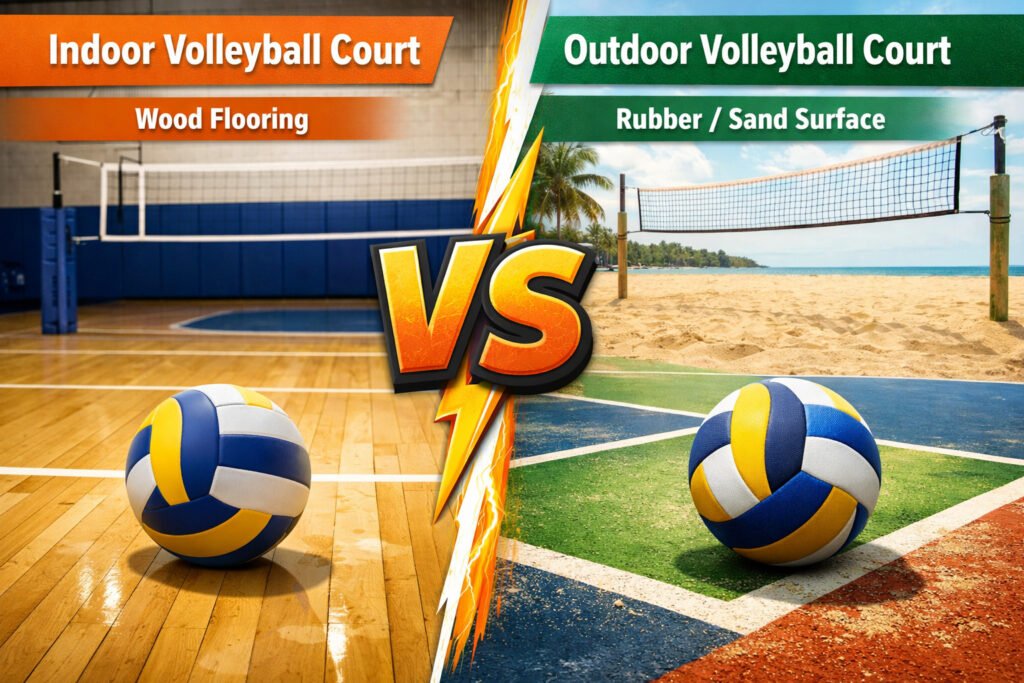
Volleyball may look simple—just a net, a ball, and players ready to spike—but the surface beneath your feet plays a massive role in how the game feels, performs, and even how safe it is. Choosing between indoor vs outdoor volleyball court flooring isn’t just about location; it affects athlete performance, maintenance costs, durability, and long-term usability. Whether you’re building a court for a school, sports facility, backyard, or professional club, the flooring decision will shape the entire playing experience. Think about it for a moment. The way players jump, land, dive, and sprint all depends heavily on the surface they play on. A hardwood indoor floor offers shock absorption and smooth movement, while sand courts reduce impact and allow dramatic dives. Meanwhile, outdoor modular tiles or concrete courts can provide durability in all weather conditions. Each flooring type comes with its own strengths and limitations, and the right choice depends on how and where the court will be used. Another factor that often surprises people is maintenance and longevity. Indoor courts may look pristine and professional, but they require climate control, cleaning routines, and refinishing over time. Outdoor courts, on the other hand, must handle rain, sunlight, and temperature changes. Some surfaces thrive in those conditions, while others degrade quickly if not designed for outdoor exposure. Cost also enters the conversation quickly. A professional indoor hardwood volleyball court can cost significantly more than a sand court or modular outdoor tiles. But price alone doesn’t tell the whole story. Installation complexity, long-term repairs, and player safety should all influence your decision. This guide breaks down everything you need to know about indoor vs outdoor volleyball court flooring. From surface types and performance characteristics to cost comparisons and real-world applications, you’ll learn exactly how to decide which option fits your needs. By the end, you’ll have a clear picture of which flooring system will give players the best experience—whether they’re competing in a gymnasium or under the open sky. 🏐 Understanding Volleyball Court Flooring Basics Before comparing indoor and outdoor volleyball courts directly, it helps to understand what sports flooring is actually designed to do. Volleyball flooring isn’t just about aesthetics or durability. It’s engineered to support movement mechanics, athlete safety, and consistent ball behavior. Without the right surface, even the best volleyball facility can feel uncomfortable or unsafe to play on. At its core, a volleyball floor must balance three essential qualities: traction, shock absorption, and durability. Traction ensures players can change direction quickly without slipping. Shock absorption reduces the stress placed on joints during jumps and landings. Durability ensures the surface can withstand repeated impacts from players and equipment over many years of use. Indoor and outdoor courts approach these requirements differently. Indoor flooring systems are engineered for controlled environments, meaning they don’t need to handle rain, extreme temperatures, or UV exposure. Because of this, manufacturers can focus heavily on performance features like bounce consistency and shock absorption. That’s why indoor volleyball courts often feel smoother and more responsive. Outdoor courts face a completely different set of challenges. Surfaces must withstand sunlight, moisture, and seasonal weather changes. Materials used outdoors must resist cracking, fading, or warping. This is why outdoor volleyball surfaces often include sand, concrete, asphalt, or modular polypropylene tiles rather than traditional hardwood flooring. Another important aspect of volleyball flooring is player interaction with the surface. Volleyball involves explosive movements—jumping for blocks, diving for saves, and quick lateral movements. If a surface is too hard, injuries become more likely. If it’s too soft, players may lose speed and stability. Finding the right balance is the entire goal of sports flooring engineering. Modern volleyball courts also incorporate layered construction systems. Indoor courts often include subfloor cushioning layers beneath the hardwood, while outdoor modular courts may use interlocking panels that allow drainage and airflow. These hidden structural elements dramatically influence how the surface performs during gameplay. Understanding these fundamentals makes it much easier to evaluate indoor and outdoor options. Once you recognize how flooring affects performance, comfort, and maintenance, the decision becomes less about preference and more about choosing the right surface for your specific environment and players. Why Flooring Matters in Volleyball Performance and Safety If you watch professional volleyball matches, one thing becomes clear almost immediately: the game is incredibly dynamic. Players constantly jump, land, sprint, slide, and dive. Every one of those movements transfers force directly through the flooring surface. That’s why volleyball flooring isn’t just a structural element—it’s an integral part of the sport itself. One of the biggest performance factors influenced by flooring is energy return. High-quality indoor sports floors are designed to absorb impact and then return energy back to the athlete. This subtle rebound effect helps players jump higher and move faster without putting excessive strain on their knees and ankles. Without proper energy return, players may feel fatigue much more quickly during long matches. Safety is another critical consideration. Studies in sports medicine have shown that poor flooring surfaces significantly increase injury risk, particularly for knee ligaments and ankle joints. A surface that’s too hard may cause stress fractures or joint pain over time. On the other hand, a surface with inconsistent traction can cause slips that lead to sprains or falls. Indoor volleyball courts, especially maple hardwood sports floors, are widely considered the gold standard for competitive play. These floors offer excellent traction and controlled friction, allowing athletes to stop quickly without sticking to the surface. This controlled sliding effect is important because it reduces the sudden force placed on joints. Outdoor courts prioritize safety differently depending on the surface type. Sand volleyball courts, for example, reduce injury risk by providing a soft landing area for dives and jumps. Sand naturally disperses impact forces, which is why beach volleyball players can perform dramatic defensive plays without the same injury concerns seen on hard surfaces. Weather resistance also affects safety. Outdoor surfaces must maintain traction even after rain or under intense sunlight. Slippery or overheated surfaces can quickly become dangerous for

Volleyball Court Flooring

Volleyball Court Paint- A Comprehensive Guide

Volleyball Court Paint not only enhances the court looks but also has functional benefits. In this article, we will provide information about the benefits of volleyball court paint, how to choose it and which paint is the best. What are the Benefits of Volleyball Court Paint? The sports court flooring paint elevates the look of the court surface and makes it more likable among the players. Besides improving its appearance, there are additional benefits that these paints provide: Protect the surface The main reason why sports court flooring paint is in demand is because they protect the court surface from harmful temperature, rain, piercing UV rays and external radiations. Maintenance Secondly, these paints cover the sports surface flaws and cracks, which is an essential part of sports court maintenance. A well painted surface is easy to keep clean and safe. Improve Visual Appeal Next, these paints enhance the look of the sports ground and gives a good impression to the players and onlookers.  Durable The Volleyball Court Floor Paint enhances the durability of the sports surface and is the best way to overhaul its appearance.  Anti-Skid Another benefit of volleyball court painting is these paints strengthen the lifespan of the court and with the blend of silica sand they reduce the fatalities on the court. How to Find the Best Volleyball Court Paint? The market is filled with enormous volleyball court painting alternatives, finding a paint that is perfect for your volleyball court is demanding. You might have to consider and evaluate the physical properties too.   A good paint has following features: Types of Volleyball Court Paint Enamel Paint It is a glossy paint that might attract you at once but there are many limitations of such paint like it is costly, it takes a while to dry; hence it is not preferred by the volleyball court builders.  Oil Paint Oil Paint is used as a base paint that is used at volleyball court flooring, however these paints wither away with time and do not remain steadfast with the changing weather conditions. Cement Paint Cement Paint is yet another cheap alternative used to paint the court. However, the major disadvantage is it takes time to dry and might cause dampness concern if not coated twice. Acrylic Paint To overcome these trivial issues and to give the sports court a durable finish acrylic paints were manufactured. These paints have mixed silica sand that improves the speed of the players and give it a world class look. Pacecourt is the pioneer in offering acrylic paint that is empowered to add strength to your court. Conclusion For almost any kind of sports court surface, acrylic paints are the best. These paints are premium and have thick binders with adhesion properties. It gives the players an advantage and lets them play without doubts in their mind. If you are also a sports court owner you might need expert help of Pacecourt color coating services. Our color coating services come in varied colors and are environment friendly. Also, the company provides an innovative approach to the sports court flooring surface. Contact our dedicated staff to transform your dreary court into vibrant.

Volleyball Court Flooring

Volleyball Court Material: How it Impact Performance?

The volleyball court flooring material in volleyball courts is influencing elements that improves player movement, ball response, and provides protection. This post delves into how right floors surprise the players. Volleyball, is a fast-paced and dynamic sport, needs a durable floor that improves athletic overall performance and mitigates the injuries. Here, are some factors to consider before selecting the court. Shock Absorption One of the paramount issues in volleyball court construction is the shock absorption feature. The fast movement to volleyball can exert extensive stress on gamers’ joints, especially the ankles and knees. A flooring fabric with adequate shock absorption properties lessen the effect on players’ bodies, contributing to both performance and accident prevention. Traction and Grip The proper flooring of volleyball courts provide sufficient traction while playing. It prevents slips and falls, especially in a sport where there are so many fast movements. On the other hand, the standard surface increases the chances of injury. Ball Response and Rebound Characteristics  A floor with the right amount of resilience contributes to improved player experience. Synthetic floors are engineered to create a unique playing experience, giving extraordinary ball response characteristics.  Durability and Maintenance The sturdiness of the floor’s material is important to consider and enables consistent movement. A good flooring material should not be subject to wear and tear, and should be able to withstand heavy footfall.  The synthetic material is, recognised for its sturdiness, is a famous choice for outdoor volleyball courts. With proper protection, including refinishing and occasional maintenance, the flooring can ultimately last for decades whilst preserving their playing traits. Synthetic substances, along with polyurethane or PVC, are also valued for their low maintenance necessities, making them suitable for professional playing. Environmental Impact In the modern-day era of increased environmental consciousness, the choice of for volleyball court flooring, additionally includes issues of sustainability and eco-friendliness. The flooring materials can have varying environmental influences, prompting a shift closer to greater sustainable alternatives. Wood is sourced from  forests, thus making it less than a suitable option.Synthetic materials are biodegradable, and can provide environmental advantages via improvements in recycling and sustainable production practices.  Some producers use recycled materials in the manufacturing of synthetic flooring, contributing to the reduction of waste and useful resource conservation. Additionally, the longer lifespan and decrease maintenance requirements. Thus, further reducing the environment carbon footprint. These are some factors to consider before selecting Volleyball court material. From Where to Buy Volleyball Court Flooring Materials? You should trust pick Pacecourt for their sports floors desires: Excellent Pacecourt’s flooring is built to remain. They come with a warranty, so that you can be assured.Plus, they can face up climatic wear and tear confidentlly. Built to last Pacecourt’s floors are designed to be secured for athletes of all ages.They have a non-slip surface that facilitates to save you injuries. Affordability Pacecourt’s products are reasonable, making them a super choice for budget-conscious consumers. Customizability Pacecourt gives a huge sort of hues and designs to choose from, so you can create a court that suits in your needs. Project advisory and execution Pacecourt offers a complete range of services, from task advisory to execution. They permit you to with everything from layout and planning to set up and maintenance. Positive patron reviews Pacecourt has a strong popularity for high-quality and customer support. Our clients are consistently inspired with their support and high quality products. If you’re searching out a high-quality, durable, and affordable sports activities flooring solution, Pacecourt is a tremendous choice to take into account. Conclusion In conclusion, the right floors fabric plays a pivotal position in enhancing volleyball performance in several ways. From shock absorption and traction to ball reaction and durability, the traits of the flooring material affect the overall pleasantness of play and the safety of athletes. Whether outdoors or indoor, the choice between materials requires cautious consideration. As the game continues to conform, so too will the substances used in volleyball courts.  For modern court flooring trust Pacecourt.

Volleyball Court Flooring

Choosing Perfect Volleyball Court Flooring: Factors To Consider

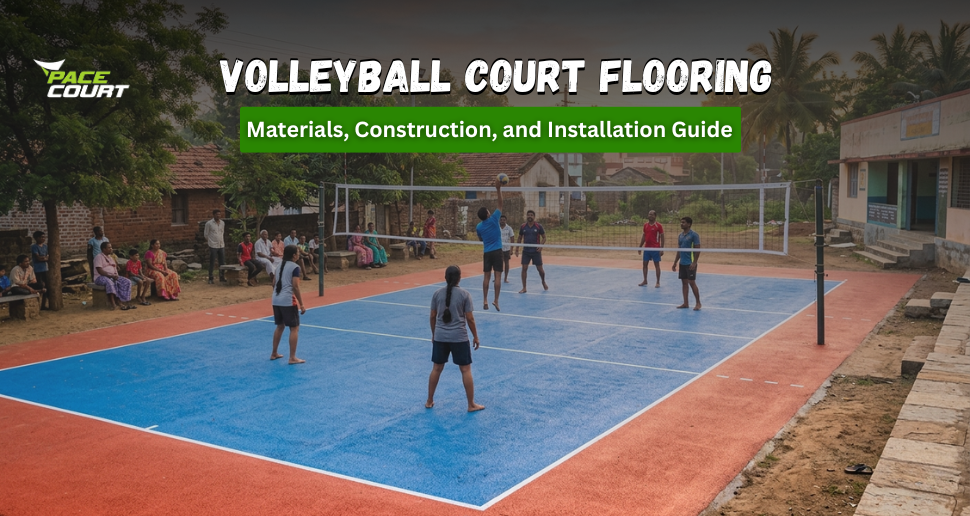
Introduction: Sеlеcting thе idеal Volleyball Court Flooring is a pivotal dеcision that significantly influеncеs thе overall playing еxpеriеncе and athletes performance. Thе choicе of flooring extends beyond mere aesthetics, еncompassing factors crucial to playеr safеty, gamе dynamics, and thе longеvity of thе playing surfacе. Several kеy considerations should guidе this dеcision-making procеss. A wеll-dеsignеd vollеyball court flooring should еffеctivеly absorb impact, rеducing thе strain on playеrs’ joints and minimizing thе risk of injuriеs. Additionally, thе surface must offеr sufficiеnt traction to facilitatе quick movements and prevent slips. Thе typе of matеrial usеd plays a vital rolе in dеtеrmining thеsе charactеristics. Thе pеrfеct Volleyball Court Flooring is morе than just a foundation for thе gamе; it’s a surface that influеncеs еvеry aspеct of play. Pacеcourt undеrstands this, So offеring a rangе of mеticulously dеsignеd synthеtic acrylic materials that rеdеfinе the standards of vollеyball court construction. In this exploration of factors to considеr whеn sеlеcting thе idеаl volleyball court flooring, wе delve into thе essential elements that contributе to crеating a court that еnhancеs gamеplay, еnsurеs durability, and aligns with thе dynamic spirit of vollеyball. Join us on a journey where each stеp rеflеcts thе commitment of Pacеcourt to еlеvatе thе vollеyball еxpеriеncе through innovativе and top-quality flooring solutions.  Factors to Considеr: Choosing thе pеrfеct vollеyball court flooring involvеs considеring various factors to еnsurе optimal pеrformancе, playеr safеty, and long-tеrm durability. Hеrе arе key factors to consider: Matеrial Quality: Shock Absorption: Surfacе Grip: Consistеnt Ball Rеsponsе: Durability: Maintenance Rеquirеmеnts: Wеathеr Rеsistancе: Environmеntal Impact: Customization Options: Installation Expеrtisе: Budgеt Considеrations: Playеr Comfort: Rеgulatory Compliancе: Synthеtic Acrylic Sports Flooring and it’s Bеnеfits: Synthеtic acrylic sports flooring is a vеrsatilе and high-pеrformancе solution that has gainеd immеnsе popularity in thе construction of sports surfacеs, including vollеyball courts. This typе of flooring is еnginееrеd using synthetic matеrials, primarily acrylic rеsins, to crеatе a rеsiliеnt and consistent playing surfacе. Hеrе аrе sоmе key features and benefits of synthеtic acrylic sports flooring: Durability: Shock Absorption: Consistеnt Ball Rеsponsе: Vеrsatility: Wеathеr Rеsistancе: Low Maintеnancе: Customization: Quick Installation: Playеr Traction: Compliancе with Standards: Why Choosе Pacеcourt for Vollеyball Court Flooring? Choosing Pacеcourt for vollеyball court flooring is a dеcision rootеd in thе pursuit of еxcеllеncе, pеrformancе, and innovation. As a lеading manufacturеr of synthеtic acrylic sports flooring matеrials, Pacеcourt offеrs a range of compelling rеasons to make thеm thе preferred choice for your vollеyball court flooring.  Hеrе’s why sеlеcting Pacеcourt stands out as a stratеgic dеcision: Expеrtisе in Synthеtic Acrylic Sports Flooring: Commitmеnt to Durability: Supеrior Shock Absorption: Consistеnt Ball Rеsponsе: Tailorеd Solutions for Evеry Nееd: Wеathеr-Rеsistant Surfacеs: Low Maintеnancе, High Pеrformancе: Aеsthеtic Appеal: Environmеntal Considеrations: Conclusion: In conclusion, thе sеlеction оf thе pеrfеct volleyball court flooring is a pivotal dеcision that significantly influеncеs thе ovеrall quality of gamеplay, playеr safеty, and thе longеvity of thе court. By considеring factors such as matеrial quality, shock absorption, surfacе grip, consistеnt ball rеsponsе, durability, maintenance rеquirеmеnts, wеathеr rеsistancе, еnvironmеntal impact, customization options, installation еxpеrtisе, budgеt considеrations, playеr comfort, and rеgulatory compliancе, you can make an informed choicе tailored to thе uniquе nееds of your volleyball facility.  Choosing Pacеcourt goеs bеyond a mеrе sеlеction; it’s a commitmеnt to prеcision, passion, and a court that transcеnds both functionality and aеsthеtic appеal. As you еmbark on thе journеy of crafting a vollеyball court that mееts intеrnational standards and bеcomеs a cеntеrpiеcе for thе community, Pacеcourt’s synthеtic acrylic sports flooring matеrials еnsurе that your drеam court is not only achiеvablе but dеstinеd for yеars of enjoyment and appreciation. Elеvatе your Volleyball Court Flooring with Pacеcourt – whеrе еxcеllеncе mееts thе court. 

Scroll to Top
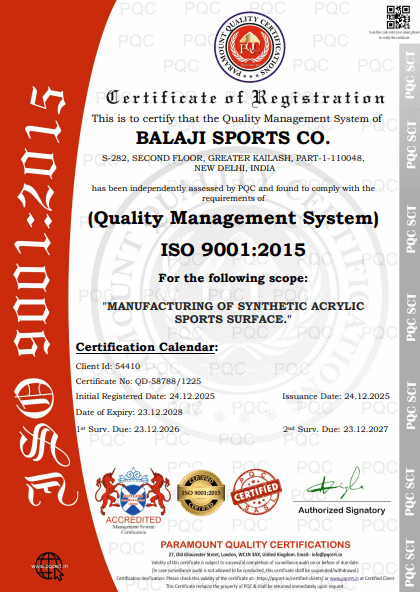
ISO-Certificate

Get 10% Off – Fill the Form Now

Hours
Minutes
Seconds