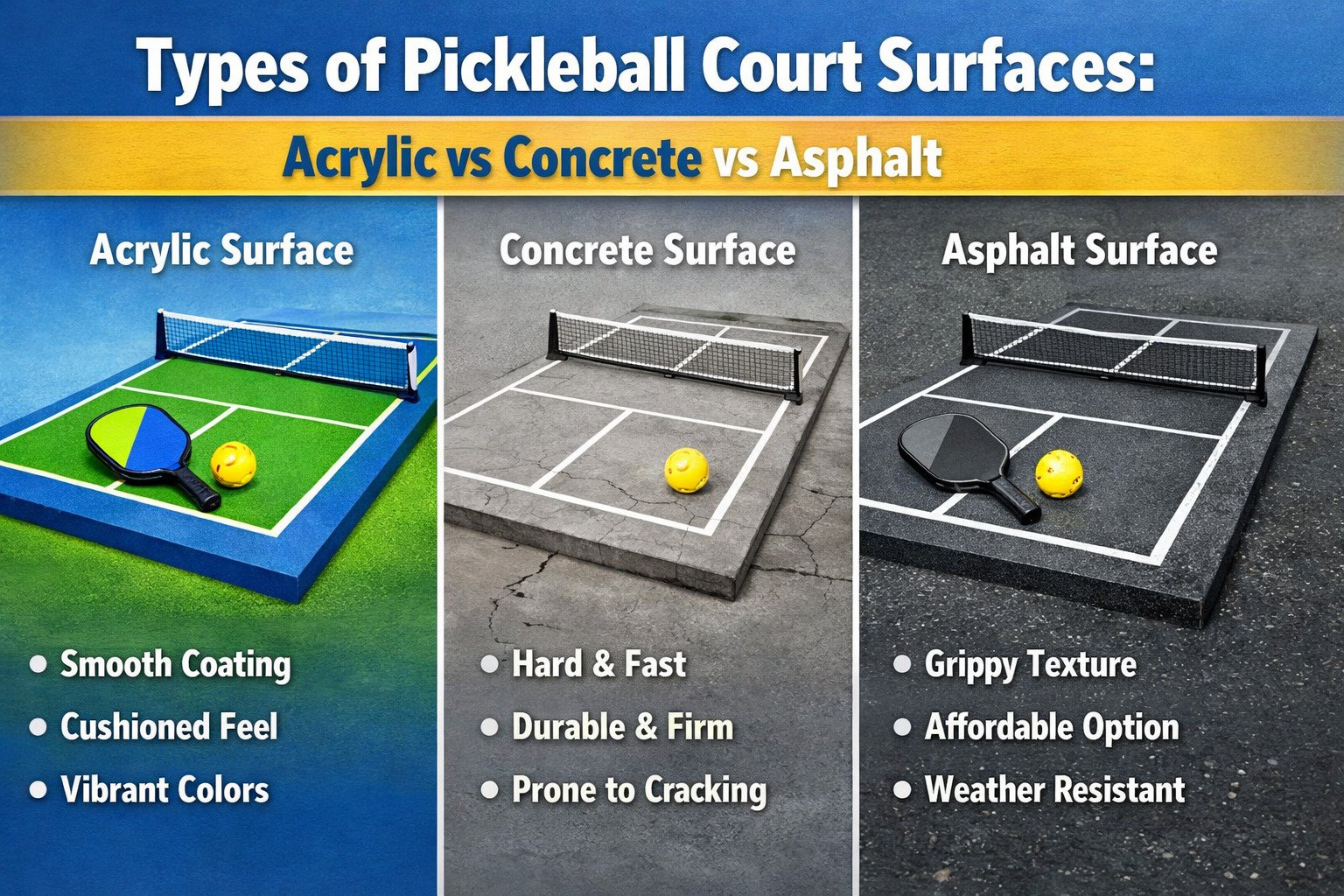
Pickleball might look like a simple paddle sport at first glance, but once you step onto a court, you quickly realize how much the playing surface shapes the entire experience. When exploring Types of Pickleball Court Surfaces: Acrylic vs Concrete vs Asphalt, it becomes clear that each option brings a unique impact on gameplay. The bounce of the ball, the speed of rallies, and even how your joints feel after a long match all depend heavily on what’s beneath your feet. Choosing the right court surface isn’t just a construction decision—it’s a performance decision, a budget decision, and in many cases, a long-term investment in player satisfaction.
You’ve probably noticed that not all courts feel the same. Some are smooth and responsive, allowing for quick footwork and consistent ball bounce, while others feel rougher, slower, or even slightly unpredictable. That difference comes down to the material used—most commonly acrylic, concrete, or asphalt. Each of these surfaces brings its own personality to the game, influencing how players move, react, and strategize.
What makes this topic especially interesting is that there’s no one-size-fits-all answer. A recreational backyard court might benefit from a completely different surface than a tournament-level facility. Climate, budget, usage frequency, and maintenance expectations all play a role in determining the best fit. Think of it like choosing tires for a car—you wouldn’t use the same ones for a racetrack and a snowy mountain road, right?
As pickleball continues to explode in popularity—with USA Pickleball reporting millions of active players nationwide—the demand for high-quality courts has surged. That means more people are asking the same question: Which surface should I choose?
Let’s break it down step by step so you can make a confident, informed decision.
Why Surface Choice Matters in Pickleball
When it comes to pickleball, the surface isn’t just something you stand on—it actively shapes how the game unfolds. Imagine trying to play on a surface where the ball bounces unpredictably or where your shoes struggle to grip. Frustrating, right? That’s exactly why the choice of court surface matters so much.
First, there’s ball behavior. A consistent bounce is critical for fair play and skill development. Acrylic-coated surfaces, for instance, are known for their uniformity, while raw concrete or asphalt might produce slight inconsistencies over time. Even minor variations can affect reaction time and shot accuracy, especially during fast-paced rallies.
Then comes player safety and comfort. Hard surfaces like concrete can be tough on joints, especially during long matches. Asphalt, while slightly more forgiving, can soften in extreme heat, potentially altering footing. Acrylic coatings often add a layer of cushioning and grip, reducing the risk of slips and minimizing impact stress. For older players or those playing frequently, this factor becomes incredibly important.
Another major consideration is speed of play. Some surfaces allow for faster games with quick ball rebounds, while others slow things down, giving players more time to react. Competitive players often prefer faster courts, while beginners may benefit from slower, more forgiving surfaces that help them develop control.
Weather resistance also plays a huge role. Outdoor courts face constant exposure to sun, rain, and temperature fluctuations. A poorly chosen surface can crack, fade, or degrade quickly, leading to costly repairs. Acrylic coatings, for example, are designed to withstand UV rays and moisture, making them a popular choice in many regions.
Ultimately, the surface you choose sets the tone for every match played on it. It’s not just about aesthetics or cost—it’s about creating an environment where players can perform at their best while staying safe and comfortable.
Key Factors That Define a Good Court Surface
So what exactly makes a pickleball court surface “good”? It’s not just about looking nice or being affordable. A truly great surface strikes a balance between performance, durability, safety, and maintenance—and getting that balance right is where things get interesting.
One of the most important factors is surface consistency. Players rely on predictable ball behavior, and that only happens when the surface is smooth and even. Tiny cracks or uneven patches might seem insignificant, but during gameplay, they can completely throw off a shot. That’s why professional courts invest heavily in high-quality finishes, often using acrylic coatings to ensure uniformity.
Another critical element is traction. You need enough grip to move confidently without slipping, but not so much that it strains your joints. It’s a delicate balance. Too little traction can lead to falls, while too much can increase the risk of injuries like ankle twists. Acrylic surfaces tend to offer the best middle ground, which is why they’re commonly used in competitive settings.
Durability is also a big deal, especially for outdoor courts. Surfaces are constantly exposed to weather conditions, from scorching sun to heavy rain. Materials like concrete are incredibly durable but can crack over time, while asphalt may soften in high heat. Acrylic coatings help protect the underlying material, extending the court’s lifespan.
Maintenance requirements shouldn’t be overlooked either. Some surfaces require regular sealing, cleaning, or resurfacing to stay in top condition. If you’re building a court for personal use, you’ll want something that doesn’t demand constant upkeep. On the other hand, commercial facilities might prioritize performance over maintenance costs.
Lastly, there’s cost efficiency. The initial installation cost is just one part of the equation. Long-term expenses like repairs, resurfacing, and maintenance can add up quickly. A cheaper surface upfront might end up costing more in the long run if it requires frequent fixes.
When all these factors come together—consistency, traction, durability, maintenance, and cost—you get a surface that not only looks great but also enhances the overall playing experience. And that’s exactly what every pickleball court should aim for.
Acrylic Pickleball Courts
What Is an Acrylic Surface?
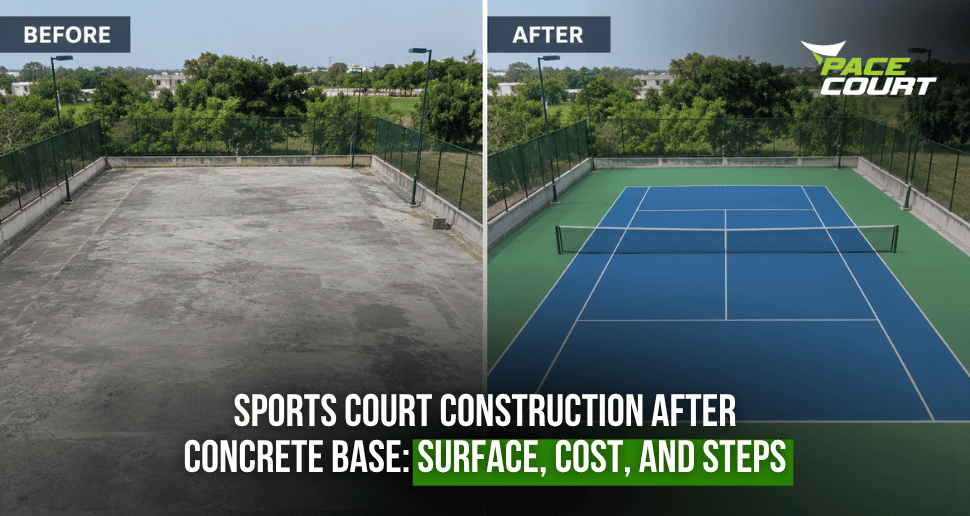
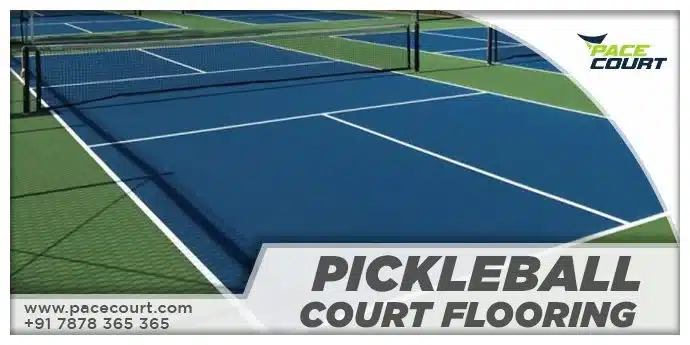
If you’ve ever played on a high-quality pickleball or tennis court, chances are you’ve already experienced an acrylic surface—even if you didn’t realize it at the time. Acrylic isn’t a standalone base material like concrete or asphalt. Instead, it’s a specialized coating system applied on top of a solid foundation, usually concrete or asphalt, to enhance performance and durability.
Think of acrylic as the “finishing touch” that transforms a basic slab into a professional-grade playing surface. It consists of multiple layers, including a primer, base coats, and textured color coatings. These layers are carefully applied to create a smooth, consistent surface with just the right amount of grip and cushioning. The result? A court that feels responsive underfoot and delivers reliable ball bounce every single time.
One of the standout features of acrylic surfaces is their customizability. Court owners can choose different colors, textures, and even levels of cushioning depending on their needs. Want a faster court for competitive play? You can adjust the coating. Prefer something easier on the joints? There are cushioned acrylic systems designed specifically for that.
Acrylic coatings are also engineered to withstand the elements. They’re UV-resistant, which means they won’t fade easily under the sun, and they’re designed to handle moisture without becoming slippery. This makes them particularly popular for outdoor courts in a wide range of climates.
From a performance standpoint, acrylic surfaces are often considered the gold standard. They provide a consistent bounce, excellent traction, and a clean, professional appearance. That’s why you’ll see them used in tournaments and high-end recreational facilities around the world.
But here’s the thing—acrylic isn’t perfect. It depends heavily on the quality of the base layer beneath it. If the underlying concrete or asphalt has cracks or imperfections, those issues can eventually show through the coating. So while acrylic enhances performance, it doesn’t completely eliminate structural concerns.
Still, for players and facility owners who want a balance of performance, aesthetics, and durability, acrylic surfaces are often the go-to choice. They don’t just improve the court—they elevate the entire playing experience.
Pros and Cons of Acrylic Courts
Acrylic pickleball courts are often seen as the premium option, but like any surface, they come with their own set of strengths and trade-offs. Understanding both sides helps you decide whether this polished, professional finish is truly worth the investment.
Let’s start with the advantages, because this is where acrylic really shines. First and foremost is consistent ball bounce. The layered coating system creates a uniform texture that ensures predictable gameplay. Whether you’re hitting a soft dink or a powerful drive, the ball reacts exactly as expected. That level of reliability is a big reason why most competitive and tournament courts use acrylic finishes.
Another major benefit is enhanced traction. Acrylic surfaces are designed with a slightly textured finish that gives players excellent grip without being overly abrasive. You can pivot, sprint, and stop with confidence, which is crucial during fast-paced rallies. Compared to raw concrete or asphalt, acrylic provides a noticeably safer and more controlled playing experience.
Upgrade Your Sports Court Today
Get premium synthetic acrylic flooring designed for durability, grip, and performance.
Get Free ConsultationThere’s also the visual appeal factor. Acrylic courts look clean, vibrant, and professional. The color options aren’t just for aesthetics—they also improve visibility, helping players track the ball more easily. A well-maintained acrylic court can instantly elevate the look and feel of a facility, whether it’s a backyard setup or a public sports complex.
From a durability standpoint, acrylic coatings act as a protective shield. They help guard the underlying surface against UV rays, moisture, and general wear and tear. With proper maintenance, an acrylic court can last for years without significant degradation.
Now, let’s talk about the downsides. The biggest one is cost. Acrylic systems are more expensive upfront compared to leaving a concrete or asphalt surface unfinished. And while they reduce long-term wear, they still require periodic resurfacing every 4–8 years, depending on usage and climate.
Another limitation is that acrylic doesn’t completely eliminate issues from the base layer. If the concrete or asphalt beneath develops cracks, those imperfections can eventually show through the coating. Repairs can be time-consuming and may require partial resurfacing.
Finally, while acrylic offers some cushioning, it’s still a relatively hard surface. Players who are particularly sensitive to joint impact may still find it less forgiving compared to specialized cushioned systems.
In short, acrylic courts deliver top-tier performance and aesthetics, but they demand a higher initial investment and proper upkeep to maintain their quality over time.
Concrete Pickleball Courts
What Makes Concrete a Popular Choice
Concrete is often considered the backbone of many pickleball courts, and for good reason. It’s strong, stable, and incredibly durable, making it one of the most reliable foundations for both recreational and professional play. If you’re looking for something that can stand the test of time, concrete is usually one of the first options that comes to mind.
One of the biggest reasons people choose concrete is its longevity. When installed correctly, a concrete slab can last decades with minimal structural issues. Unlike asphalt, which can soften in high temperatures, concrete remains relatively stable across a wide range of climates. This makes it a solid choice for areas with extreme weather conditions.
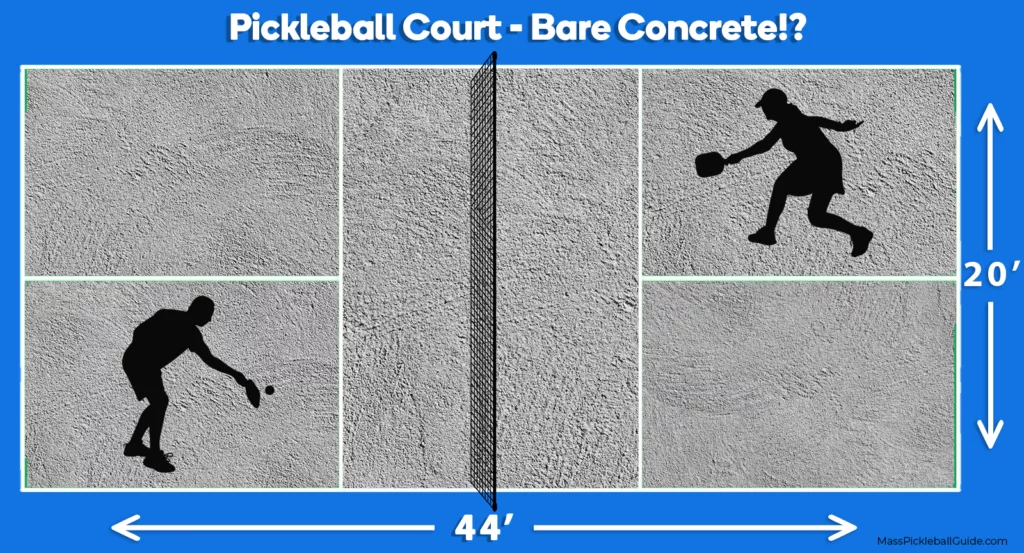
Another advantage is its low maintenance requirements. A bare concrete court doesn’t need frequent resurfacing or sealing like some other materials. While it may develop minor cracks over time, these are usually manageable with simple repairs. For homeowners or facilities with limited maintenance budgets, this can be a huge plus.
Concrete also provides a firm and consistent base for additional coatings, such as acrylic. In fact, many high-end courts start with a concrete foundation before applying an acrylic finish. This combination offers the best of both worlds: structural strength and enhanced playability.
Cost-wise, concrete sits in a middle ground. It’s typically more expensive than asphalt upfront, but its long lifespan can make it more cost-effective in the long run. Think of it as a long-term investment rather than a quick, budget-friendly solution.
However, it’s important to understand that concrete on its own isn’t always ideal for gameplay. Without a coating, it can feel rough and produce less consistent ball bounce compared to acrylic surfaces. That’s why many players prefer to add a finishing layer to improve performance.
Despite that, concrete remains a go-to choice for durability and reliability. Whether used alone or as a base for acrylic coatings, it forms the foundation—literally and figuratively—of many pickleball courts around the world.
Advantages and Drawbacks of Concrete Courts
Concrete courts come with a reputation for toughness, but that toughness can be both a blessing and a drawback depending on how you look at it. Let’s break it down so you can see the full picture.
Starting with the positives, concrete is exceptionally durable. It can handle heavy use, harsh weather, and years of gameplay without significant structural damage. This makes it ideal for public courts or facilities that see a lot of foot traffic. You’re not going to worry about it wearing out anytime soon.
Another key advantage is stability. Concrete doesn’t shift or deform easily, which means you get a solid, level playing surface. This stability contributes to more predictable ball behavior, especially when compared to lower-quality asphalt installations.
From a financial perspective, concrete offers long-term value. While the initial installation cost can be higher, the reduced need for frequent repairs or resurfacing often balances things out over time. For many court owners, that trade-off makes perfect sense.
Now, let’s talk about the downsides. The most noticeable one is hardness. Concrete is unforgiving on the body, especially during long matches. The impact on knees, ankles, and hips can add up, particularly for older players or those playing regularly. Without a cushioning layer, it’s not the most comfortable surface to play on.
Cracking is another issue to consider. While concrete is durable, it’s not immune to temperature-related expansion and contraction. Over time, this can lead to cracks that affect both the appearance and performance of the court. Repairs are possible, but they can be noticeable and may require professional work.
There’s also the matter of surface texture. Bare concrete can be slightly rough, which might affect ball bounce and player movement. This is why many courts use acrylic coatings to smooth things out and improve playability.
In essence, concrete courts are built to last, but they may not offer the most comfortable or high-performance playing experience unless paired with additional surface treatments.
Asphalt Pickleball Courts
Understanding Asphalt Surfaces
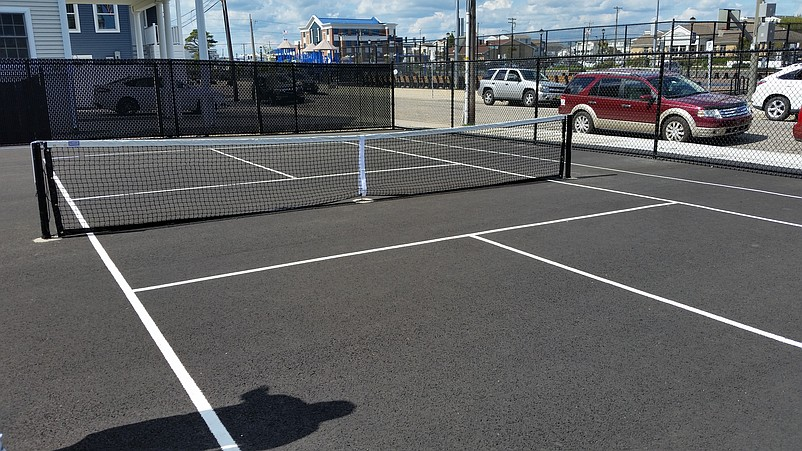
Asphalt is often seen as the more budget-friendly cousin of concrete, but don’t let that label fool you—it’s a practical and widely used option for pickleball courts, especially in community parks and recreational areas. Its flexibility and lower upfront cost make it an attractive choice for many projects.
Unlike concrete, asphalt has a bit of natural give, which can make it slightly more forgiving underfoot. This flexibility helps it handle minor ground movements and temperature changes better than rigid concrete. In regions with fluctuating weather, this can reduce the likelihood of severe cracking.
Another reason asphalt is popular is its quick installation process. It can be laid and ready for use faster than concrete, which requires more time to cure. For projects on tight timelines, this can be a significant advantage.
However, asphalt isn’t typically used as a finished playing surface on its own. Like concrete, it often serves as a base layer for acrylic coatings. Without a coating, asphalt can feel rough and may not provide the consistent ball bounce players expect.
One thing to keep in mind is that asphalt is more sensitive to heat and sunlight. In very hot climates, it can soften slightly, which may affect the surface over time. This doesn’t mean it’s a poor choice—it just means it requires proper maintenance and, ideally, a protective coating.
In many ways, asphalt strikes a balance between affordability and functionality. It may not have the longevity of concrete, but it offers enough performance and flexibility to make it a solid option for many pickleball courts.
Pros and Cons of Asphalt Courts
Asphalt courts bring a mix of affordability and practicality to the table, but they also come with a few compromises that are worth considering before making a decision.
On the plus side, the most obvious advantage is cost. Asphalt is generally cheaper to install than concrete, making it a popular choice for budget-conscious projects. If you’re building a court for casual play or a community space, this can be a major deciding factor.
Another benefit is its slight flexibility. Unlike rigid concrete, asphalt can absorb minor ground shifts and temperature changes. This can help reduce the risk of large cracks forming, especially in areas with variable weather conditions.
Asphalt also offers a faster installation timeline, which means you can get your court up and running more quickly. For projects with tight deadlines, this can be a huge advantage.
Now for the downsides. Asphalt tends to have a shorter lifespan compared to concrete. Over time, it can develop cracks, fade, and degrade, especially when exposed to harsh weather. Regular maintenance, including sealing and resurfacing, is necessary to keep it in good condition.
Heat sensitivity is another concern. In hot climates, asphalt can soften, which may affect the surface texture and playability. This isn’t ideal for consistent performance, particularly for competitive play.
Finally, like concrete, asphalt on its own doesn’t provide the best playing experience. Without an acrylic coating, it may produce less consistent ball bounce and a rougher feel underfoot.
In summary, asphalt courts are a cost-effective and practical option, but they require more maintenance and may not offer the same level of performance or longevity as other surfaces.
Acrylic vs Concrete vs Asphalt: Head-to-Head Comparison
Performance and Playability Comparison
When you put acrylic, concrete, and asphalt side by side, the differences in performance become much clearer. Each surface creates a distinct playing experience, and understanding those differences can help you choose the one that matches your style and needs.
Acrylic surfaces lead the pack in terms of playability. They offer consistent ball bounce, excellent traction, and a smooth, controlled feel. This makes them ideal for both competitive and recreational players who want a reliable and enjoyable experience.
Concrete, on the other hand, provides a solid and stable base, but it lacks the refined finish of acrylic. Without a coating, it can feel harsh and slightly inconsistent. However, when paired with an acrylic layer, it becomes one of the best-performing options available.
Asphalt falls somewhere in between. It offers decent performance but may not match the consistency and durability of concrete or the polished feel of acrylic. It’s a good option for casual play but may not meet the standards of competitive environments.
Cost and Maintenance Comparison
Here’s a quick comparison to put things into perspective:
| Surface Type | Initial Cost | Maintenance | Lifespan | Play Quality |
|---|---|---|---|---|
| Acrylic (coated) | High | Moderate | 5–10 years (resurfacing needed) | Excellent |
| Concrete | Medium-High | Low | 20–30 years | Good (better with coating) |
| Asphalt | Low-Medium | High | 10–15 years | متوسط |
Acrylic courts require periodic resurfacing but offer top-tier performance. Concrete has higher upfront costs but lower long-term maintenance. Asphalt is cheaper initially but may require more frequent repairs.
Which Surface Is Best for You?
Choosing Based on Budget
Your budget plays a huge role in determining the right surface. If you’re working with limited funds, asphalt might seem like the obvious choice. But it’s important to think beyond the initial cost. A cheaper surface that requires frequent maintenance can end up costing more over time.
Concrete offers a balance between cost and durability, making it a smart long-term investment. If you can stretch your budget a bit further, adding an acrylic coating can significantly improve the playing experience.
Choosing Based on Climate and Usage
Climate is another critical factor. In hot regions, asphalt may soften, while in colder areas, concrete may crack. Acrylic coatings help mitigate these issues by providing a protective layer.
Usage also matters. For casual play, asphalt or bare concrete might be sufficient. But for frequent or competitive play, an acrylic-coated surface is usually the best choice.
Installation Process Overview
Timeline and Preparation
Installing a pickleball court isn’t something that happens overnight. The process involves site preparation, base installation, and surface finishing. Concrete takes longer to cure, while asphalt can be ready more quickly.
Common Mistakes to Avoid
One common mistake is skipping proper drainage. Water buildup can damage any surface over time. Another is choosing the cheapest option without considering long-term costs.
Maintenance Tips for Longevity
Cleaning and Repairs
Regular cleaning helps maintain traction and appearance. Small cracks should be repaired early to prevent bigger issues.
Seasonal Care Strategies
Different seasons bring different challenges. In winter, freeze-thaw cycles can cause damage, while summer heat can affect asphalt.
Conclusion
Choosing between acrylic, concrete, and asphalt pickleball court surfaces ultimately comes down to your priorities. If performance and aesthetics are at the top of your list, acrylic is hard to beat. If durability and long-term value matter most, concrete is a strong contender. And if budget is your main concern, asphalt offers a practical starting point.
Each surface has its place, and the best choice is the one that aligns with your specific needs, environment, and playing style.
Stay Updated with Pacecourt
Discover expert insights, practical tips, and the latest industry updates from Pacecourt, covering sports flooring, tennis and multi-sport court construction, resurfacing, maintenance, court performance, and innovative sports infrastructure solutions.
Powered by Google's Preferred Sources feature