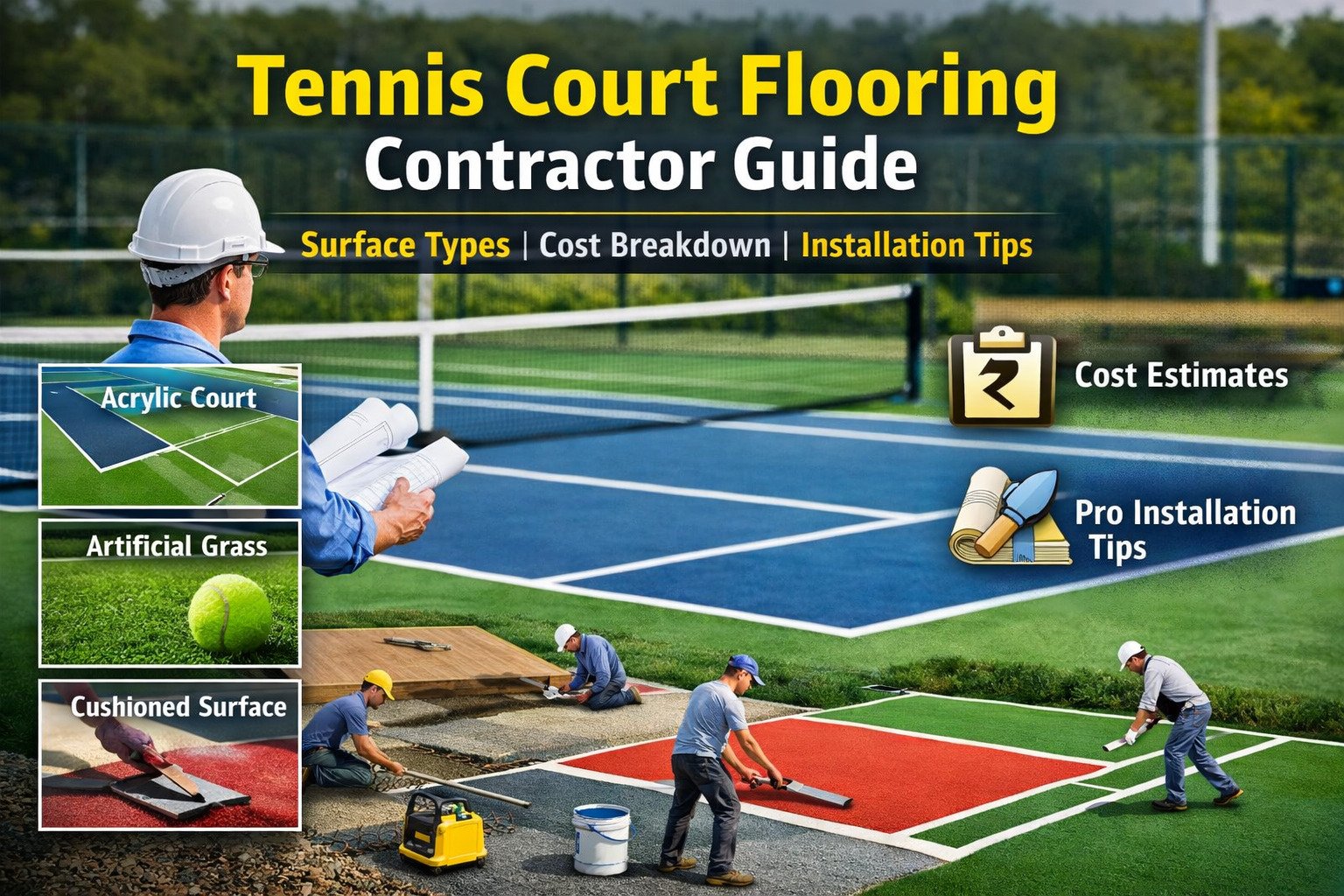
Tennis court flooring isn’t just about looks—it’s the backbone of the entire playing experience. Think of it like the foundation of a house. You can have the most expensive rackets, professional-grade nets, and bright stadium lights, but if the surface beneath your feet isn’t right, everything else falls apart. Whether you’re building a private backyard court, a school facility, or a professional sports complex, choosing the right tennis court flooring can shape how the game is played, how safe players feel, and how long the court will actually last.
The surface determines ball speed, bounce consistency, player movement, and even injury risk. A fast hard court encourages aggressive play, while a softer clay court slows the game and reduces stress on joints. On top of that, tennis court flooring directly impacts maintenance costs and long-term budgets. Some surfaces demand constant care, watering, and resurfacing, while others are almost “set it and forget it.”
This is where a professional tennis court flooring contractors becomes essential. Flooring isn’t a DIY weekend project. It requires precise grading, drainage planning, material selection, and expert installation techniques. One small mistake during installation—like improper slope or poor base preparation—can lead to cracks, puddles, uneven bounce, and expensive repairs down the road.
In this guide, we’ll walk through everything you need to know: different tennis court surface types, realistic cost expectations, and practical installation tips straight from the contractor’s playbook. Whether you’re a facility manager, property owner, or just exploring your options, this guide will help you make informed, confident decisions.
Table of contents
- Understanding the Role of a Tennis Court Flooring Contractor
- Key Factors to Consider Before Choosing Tennis Court Flooring
- Types of Tennis Court Surfaces Explained
- Hard Court Tennis Flooring
- Clay Court Tennis Flooring
- Grass Tennis Court Flooring
- Synthetic Tennis Court Flooring
- Modular Tennis Court Tiles
- Comparing Tennis Court Surface Types
- Cost of Tennis Court Flooring
- Installation Process of Tennis Court Flooring
- Common Installation Mistakes and How to Avoid Them
- Maintenance Tips for Long-Lasting Tennis Courts
- How to Choose the Right Tennis Court Flooring Contractor
- Indoor vs Outdoor Tennis Court Flooring
- Sustainability and Eco-Friendly Tennis Court Flooring Options
- Conclusion
Understanding the Role of a Tennis Court Flooring Contractor
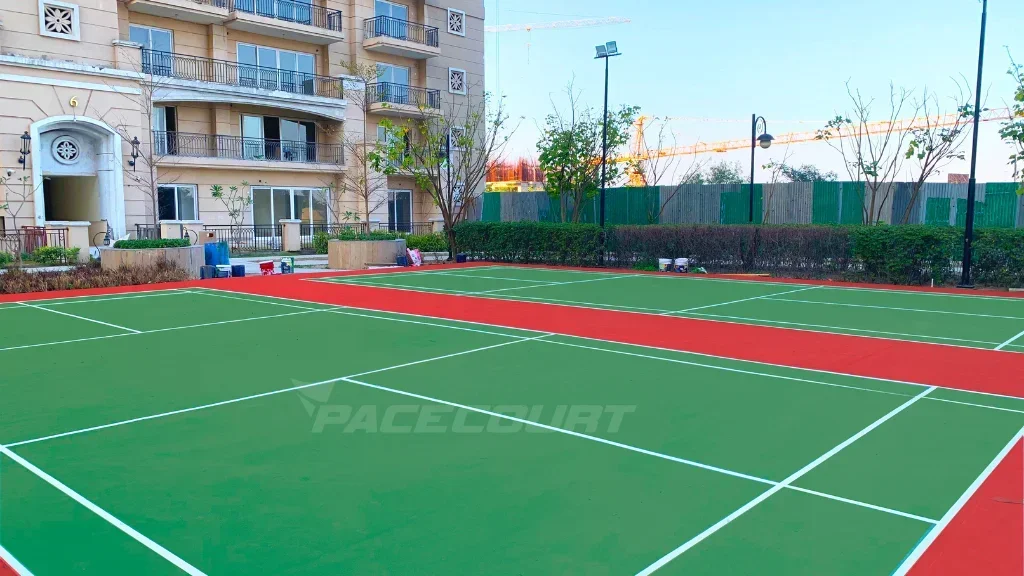
A tennis court flooring contractor does far more than just lay down a surface and walk away. They’re part engineer, part sports consultant, and part problem solver. Their role begins long before the first layer of material is installed and continues well after the court is finished.
First, a contractor evaluates the site. This includes soil conditions, drainage patterns, slope, and available space. For outdoor courts especially, understanding how water moves across the land is critical. Poor drainage is one of the fastest ways to destroy a tennis court. A qualified contractor knows how to design a base that channels water away efficiently without affecting playability.
Next comes material selection. Not all surfaces are suitable for every climate or usage pattern. A contractor helps match the right flooring system to your needs—whether that’s a low-maintenance acrylic hard court, a cushioned synthetic surface for player comfort, or a clay system for traditional play. They’ll also factor in budget constraints and long-term maintenance costs.
During installation, precision is everything. Contractors manage base construction, leveling, surface application, line marking, and curing times. They use specialized equipment and follow strict tolerances to ensure consistent ball bounce and proper traction. After installation, many contractors offer maintenance plans, resurfacing services, and inspections to extend the court’s lifespan.
In short, hiring an experienced tennis court flooring contractor isn’t an expense—it’s an investment in performance, safety, and durability.
Key Factors to Consider Before Choosing Tennis Court Flooring
Before selecting a tennis court surface, it’s important to step back and look at the bigger picture. The “best” surface doesn’t exist in isolation—it depends on how, where, and by whom the court will be used.
Climate and Weather Conditions
Weather plays a massive role in surface performance and longevity. In hot climates, surfaces must withstand UV exposure and extreme temperatures without cracking or fading. In rainy regions, drainage becomes a top priority. Freeze-thaw cycles in colder climates can wreak havoc on poorly designed bases, leading to cracks and uneven areas.
Player Skill Level and Usage Frequency
Is the court for casual recreational play, training beginners, or hosting competitive matches? Beginner-friendly courts often prioritize comfort and slower ball speeds, while advanced players may prefer faster, more responsive surfaces. High-traffic courts need durable materials that can handle constant play without excessive wear.
Indoor vs Outdoor Courts
Indoor courts have more flexibility in surface choice since they’re protected from weather. Outdoor courts, on the other hand, must be designed to handle environmental stressors. A contractor helps balance these factors to ensure optimal performance year-round.
Taking time to assess these considerations upfront can save thousands of dollars in future repairs and resurfacing costs.
Types of Tennis Court Surfaces Explained
Tennis court surfaces generally fall into five main categories: hard courts, clay courts, grass courts, synthetic surfaces, and modular tile systems. Each surface has unique characteristics that influence gameplay, maintenance, and cost.
Understanding these differences is crucial when working with a tennis court flooring contractor. The surface you choose will shape how the game feels, how much upkeep is required, and how long the court remains playable without major renovations.
Below, we’ll break down each surface type in detail, highlighting what makes them unique and where they perform best.
Hard Court Tennis Flooring
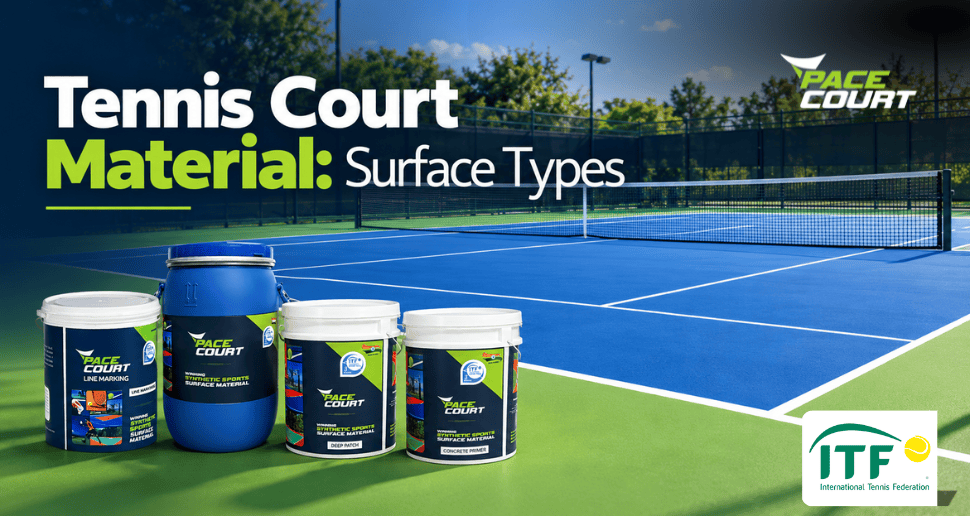
Hard courts are the most common tennis surfaces worldwide, especially in public parks, schools, and professional tournaments. Typically constructed using asphalt or concrete bases with acrylic surface coatings, hard courts strike a balance between speed and control.
One of the biggest advantages of hard court flooring is consistency. The ball bounce is predictable, which makes it ideal for training and competitive play. Players can rely on uniform response across the court, allowing skill—not surface quirks—to determine outcomes.
From a contractor’s perspective, hard courts are durable and cost-effective. Once properly installed, they require relatively low maintenance compared to clay or grass. Occasional cleaning, crack repair, and resurfacing every 5–8 years can keep a hard court in excellent condition.
However, hard courts are less forgiving on the body. The rigid surface can increase impact stress on knees, ankles, and hips. To address this, many modern installations include cushioned acrylic systems that add shock absorption without sacrificing performance.
Hard courts work well in a wide range of climates, making them a versatile choice for both indoor and outdoor facilities.
Clay Court Tennis Flooring
Clay courts are known for their slower pace, higher bounce, and player-friendly characteristics. Traditionally made from crushed brick or shale, clay courts reward endurance, strategy, and precision rather than raw power.
One major benefit of clay court flooring is reduced impact on joints. The softer surface absorbs shock, which helps prevent injuries and fatigue—especially during long matches. Players can slide into shots, adding a unique tactical element to the game.
However, clay courts come with higher maintenance demands. Natural clay requires regular watering, rolling, brushing, and line adjustment. Without proper care, the surface can become uneven or dusty. This is why working with an experienced tennis court flooring contractor is essential for proper installation and drainage.
Modern artificial clay systems offer a compromise. They mimic the playing characteristics of natural clay while reducing maintenance needs. These systems are increasingly popular in regions where water conservation or maintenance budgets are concerns.
Clay courts thrive in moderate climates and are a favorite at clubs focused on player development and comfort.
Grass Tennis Court Flooring
Grass courts are the oldest and most traditional tennis surfaces, famously associated with Wimbledon. They offer fast play, low bounce, and a unique aesthetic that’s hard to match.
Upgrade Your Sports Court Today
Get premium synthetic acrylic flooring designed for durability, grip, and performance.
Get Free ConsultationNatural grass courts require meticulous care. Mowing, watering, fertilizing, and repairing worn areas are constant tasks. Weather sensitivity is another challenge—rain can make grass courts slippery and unplayable.
Because of these demands, many facilities now opt for synthetic grass tennis courts. These surfaces replicate the look and feel of natural grass while offering improved durability and reduced maintenance. Synthetic grass provides consistent bounce and can be used in a wider range of weather conditions.
Grass courts favor serve-and-volley play and quick reflexes. While they’re less common due to maintenance costs, they remain a premium option for clubs seeking a distinctive playing experience.
Synthetic Tennis Court Flooring
Synthetic tennis court flooring covers a broad category of engineered surfaces designed for performance, comfort, and longevity. Acrylic coatings, polyurethane systems, and cushioned layers fall under this umbrella.
Acrylic synthetic courts are especially popular due to their versatility. They can be installed over asphalt or concrete and customized in color, texture, and cushioning level. These surfaces are durable, weather-resistant, and relatively easy to maintain.
Cushioned synthetic systems add layers of rubber or foam beneath the playing surface. This reduces impact stress and enhances player comfort, making them ideal for training facilities and multi-use sports complexes.
Synthetic flooring offers excellent consistency and can be tailored to different playing speeds. Contractors often recommend these systems for facilities seeking long-term value and predictable performance.
Modular Tennis Court Tiles
Modular tennis court tiles are a newer innovation gaining popularity for both indoor and outdoor applications. These interlocking plastic tiles snap together over a prepared base, creating a playable surface without permanent installation.
One of the biggest advantages of modular tiles is flexibility. They can be installed quickly, removed if needed, and even relocated. Drainage is built into the tile design, reducing water-related issues.
Modular systems require minimal maintenance and offer good traction and shock absorption. However, they may not provide the same professional-level bounce consistency as traditional surfaces.
These tiles are ideal for schools, temporary courts, rooftops, and multi-purpose spaces where adaptability is key.
Comparing Tennis Court Surface Types
Choosing the right tennis court surface often comes down to balancing performance, comfort, and maintenance. Each surface behaves differently in terms of speed, bounce, and player impact.
| Surface Type | Speed | Bounce | Maintenance | Player Impact |
|---|---|---|---|---|
| Hard Court | Medium-Fast | Consistent | Low | High Impact |
| Clay Court | Slow | High | High | Low Impact |
| Grass Court | Fast | Low | Very High | Medium Impact |
| Synthetic | Adjustable | Consistent | Low-Medium | Adjustable |
| Modular Tiles | Medium | Moderate | Very Low | Low Impact |
This comparison highlights why working with a knowledgeable contractor is so important. They help align these characteristics with your goals and constraints.
Cost of Tennis Court Flooring
The cost of tennis court flooring in India varies based on the type of surface, city location, labor charges, material quality, and site preparation requirements. Factors such as soil condition, drainage work, and whether the court is indoor or outdoor can significantly influence the final budget. Having a realistic understanding of Indian price ranges helps avoid unexpected expenses and ensures better financial planning.
✅ Flooring Cost Per Sq Ft (Material + Installation)
| Flooring Type | Approx Price |
|---|---|
| Basic Acrylic Hard Court | ₹80 – ₹130 / sq.ft |
| Cushioned Acrylic System | ₹150 – ₹240 / sq.ft |
| Synthetic Turf | ₹150 – ₹350 / sq.ft |
| PU / Premium Sports Flooring | ₹250 – ₹450+ / sq.ft |
(Base construction not included in the above rates.)
Installation Process of Tennis Court Flooring
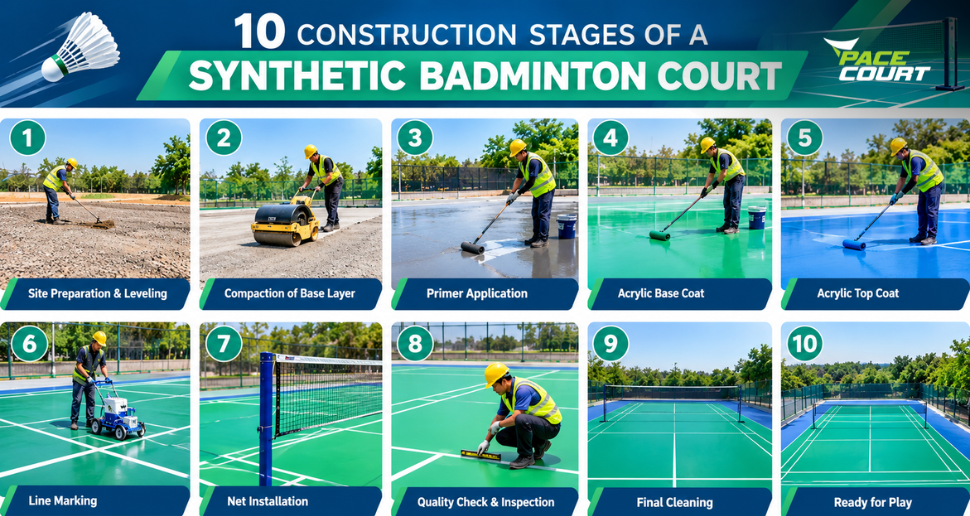
Installing a tennis court is a multi-step process that demands precision and expertise. It begins with site preparation—clearing, grading, and compacting the area. Proper slope ensures effective drainage.
Next comes base construction, typically using crushed stone or asphalt. This layer must be perfectly level and stable. Any imperfections here will eventually show through the surface.
Once the base cures, the chosen surface system is applied. This may involve multiple layers of acrylic coating, clay material, or synthetic components. Line markings are added last, followed by curing time before play begins.
A professional contractor manages every step, ensuring the court meets performance and safety standards.
Common Installation Mistakes and How to Avoid Them
Many tennis court issues stem from poor installation rather than material failure. Common mistakes include inadequate drainage, improper base compaction, and rushed curing times.
Avoiding these problems starts with hiring an experienced contractor who follows industry best practices. Cutting corners during installation often leads to costly repairs later.
Maintenance Tips for Long-Lasting Tennis Courts
Regular maintenance extends the life of any tennis court. Simple practices like cleaning debris, addressing minor cracks early, and following resurfacing schedules make a huge difference.
Clay courts require daily attention, while hard and synthetic courts benefit from periodic washing and inspections. A maintenance plan tailored to your surface type keeps performance consistent and costs predictable.
How to Choose the Right Tennis Court Flooring Contractor
Choosing the right contractor can make or break your project. Look for proven experience, verifiable references, and transparent pricing. Ask about warranties, maintenance services, and past projects.
A good contractor listens to your needs and provides honest recommendations—not just the most expensive option.
Indoor vs Outdoor Tennis Court Flooring
Indoor courts offer controlled conditions, allowing for more surface flexibility. Outdoor courts must handle weather, UV exposure, and temperature changes.
Contractors adjust materials and installation techniques based on whether the court is indoors or outdoors to ensure long-term performance.
Sustainability and Eco-Friendly Tennis Court Flooring Options
Eco-friendly tennis court flooring is gaining traction. Recycled materials, water-saving clay alternatives, and low-VOC coatings reduce environmental impact.
Sustainable choices not only benefit the planet but can also lower long-term maintenance costs.
Conclusion
Building a tennis court is a significant investment, and the flooring you choose sets the tone for everything that follows. From gameplay and player safety to maintenance and longevity, every detail matters. By understanding surface types, realistic costs, and proper installation practices, you’re already ahead of the game.
Working with a qualified tennis court flooring contractor ensures your court isn’t just built—but built right. Whether you’re aiming for professional-level performance or recreational enjoyment, the right decisions today lead to years of satisfaction on the court.
Stay Updated with Pacecourt
Discover expert insights, practical tips, and the latest industry updates from Pacecourt, covering sports flooring, tennis and multi-sport court construction, resurfacing, maintenance, court performance, and innovative sports infrastructure solutions.
Powered by Google's Preferred Sources feature