Innovations in Tennis Court Material: What’s New in the Industry
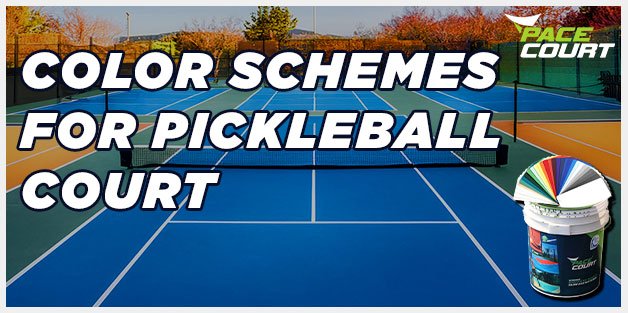
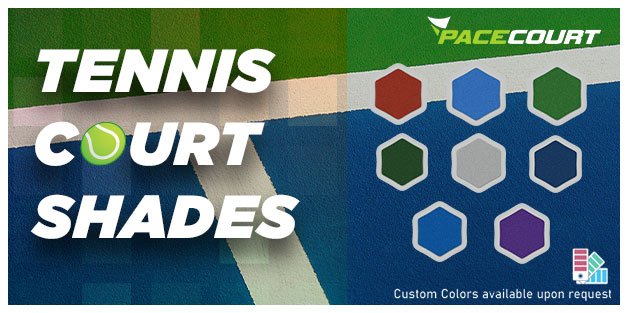
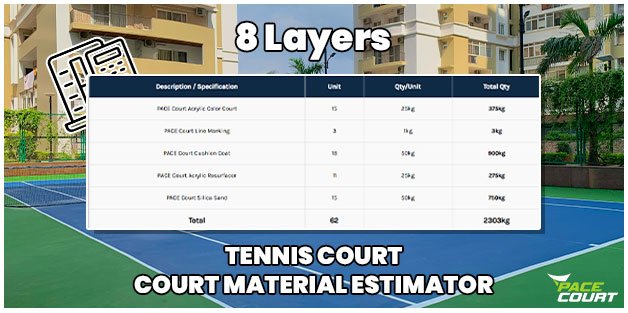
Introduction: The Evolution of Outdoor Sports Courts Several advancements in sports facility designs and materials have occurred over the last ten years, particularly in outdoor courts used for sports like tennis, pickleball, and others. The traditional ideas of upkeep, durability, and playability of the surfaces are rapidly becoming obsolete due to new developments in typical synthetic tennis court material like acrylic flooring. Previously, these courts were mainly constructed of concrete and asphalt. This article’s major goal is to talk about the latest advancements in tennis court materials, focusing on synthetic tennis courts and acrylic surfaces that are appropriate for outdoor tennis courts. Why Acrylic Flooring Stands Out in Outdoor Sports Court Surfaces Resilience and Weather Resistance Acrylic-based tennis court surfacing materials have shown to be incredibly resilient to harsh weather and high traffic volumes. Even in harsh outdoor situations, their UV resistance ensures that no surface damage is caused by UV rays. Enhanced Playability and Comfort Acrylic flooring has been developed to provide a perfect combination of stability and padding that boosts playability, thus allowing players to slide and remain stable at the same time. Concrete or asphalt is very rigid on the joints, but with acrylic materials, one can enjoy a soft and springy court surface. Consistent Ball Bounce and Traction Maintaining equal play conditions requires a consistent ball bounce, which is made possible by the texture and composition of acrylic surfacing. The court surface is a great source of satisfaction for tennis enthusiasts. Understanding the Composition of Acrylic Surfaces Multi-Layered Structure Typically, an acrylic surface is composed of several layers serving various functions. The top layer is smooth but textured, the intermediate layers provide texture, and the priming layer sticks to the base. UV-Resistant Coating for Longevity Even when exposed to intense sunshine, the majority of the best acrylic court surfaces are coated with UV inhibitors to stop emulsion fading and surface degradation. Clear acrylic is therefore ideal for outdoor tennis courts that are constantly exposed to the sun rather than being left out in the weather for long periods. Non-Slip Surface for Safety A finely crafted acrylic surface is enhanced with additives to offer slip-resistant characteristics without sacrificing smoothness. In addition to making playing safer and more pleasurable for participants, this also helps reduce injuries. Innovations in Acrylic Flooring for Tennis Non-slip technology Additives Non-slip technology additions in acrylic tennis court material are an example of innovation. By improving the surface’s anti-slip qualities, these chemicals reduce the frequency of resurfacing. Shock Absorption Layers for Player Comfort To improve players’ joints, the most recent advancements have added a layer of shock absorption to the surface of acrylic materials. An athlete’s physique is less affected by such a layer, particularly if they play sports like pickleball that call for quick, abrupt movements. Color-Stable Pigments for Vibrant Courts Color-fast pigments used in today’s synthetic acrylic surfaces increase the courts’ longevity without fading over time. Custom color schemes like blue, green, and others remain fresher for longer and are aesthetically pleasing, which enhances both the players’ experience and the courts’ beauty. The advantage of the Pacecourt color coat is that it can be used for both texture and finish coatings. To get the required surface texture and play speed, it can be mixed with water and/or silica. we have seven standard colors that can be customized through our professional court builder. Maintenance Benefits of Acrylic Flooring for Outdoor Sports Courts Easy to Clean and Maintain Because it simply needs to swept and cleaned occasionally, acrylic surfacing is easier to maintain and costs less money to maintain than other types of surfaces. Resurfacing and Touch-Up Efficiency To extend the court’s lifespan, any acrylic surface can be easily repaired by resurfacing or applying a general patch over the damaged region. Additionally, resurfacing acrylic materials is typically done after a few years, which is cost-effective for court owners. Crack-Resistant Composition Because of their multi-layer composition and elasticity, acrylic surfaces are often less prone to cracking than concrete and asphalt. This degree of resistance preserves the court’s aesthetic appeal and lessens the need for frequent repairs. Why Acrylic is the Ideal Choice for Synthetic Outdoor Tennis courts Perfect for Multi-Sport Functionality Because acrylic flooring is so durable, the facilities may accommodate courts for a wide range of activities, such as tennis, pickleball, and many more. Because of the material’s adaptability, court lines of various sizes can drawn without affecting the surface’s playability. Aesthetic Customization and Branding A variety of colors are available for acrylic facades, which perfectly complement the facility’s logo. Because it presents a polished and well-designed appearance, this element is particularly desirable for community centers and sports facilities. Cost Efficiency Over Time Purchasing high-quality acrylic surfaces may seem expensive up front, but they end up being more economical because they require less upkeep and eventually only need to be resurfaced. Facilities so benefit economically over the long run, giving their owners a higher return on their investment. Final Thoughts on the Future of Tennis Court Material Innovations Case Studies Case Study: Upgrading a Public Park Tennis Court To improve the playing experience for the local community, the Delhi Public Park decided to upgrade its aging tennis court material. They opted for acrylic floors, understanding their advantages over the court’s performance and resilience. Project Overview: The Process: Initially, the project started with taking off the old broken surface. A primer then put on the prepared and leveled surface for strong adhesion. This followed by multiple layers of acrylic coating, which yielded a smooth and long-lasting finish. Finally, markings of official dimensions made on the courts so that they could agree with the required standards. Results: The enhanced courts received high satisfaction rates from the locals. The players acknowledged the better grip and even ball bounce that significantly improved their play. Additionally, the bright color of the new surface made those courts more attractive, hence increasing their utilization. Case Study: Enhancing a University’s Tennis Facilities Tennis facilities at a university in Chennai need to be improved