Author name: Rahul

Rahul is a sports flooring expert and a key contributor at Pacecourt, a leading brand in acrylic and synthetic sports court solutions. Passionate about creating world-class playing surfaces, Rahul shares insights on tennis courts, basketball courts, and multi-purpose sports flooring. His goal is to help facility owners and sports enthusiasts choose durable, high-performance solutions that enhance the game experience.

multi purpose court

The Role of Synthetic Acrylic Sports Flooring in Multi-Purpose Courts

Introduction The need for multipurpose courts is growing these days due to the expansion of sporting and leisure facilities. Shared tunes are preferred by many local community centers and schools since they enable many sports to be played on the same field. Sports floors made of synthetic acrylic are now available; these surfaces alter the parameters of the game in terms of functionality, toughness, and aesthetic appeal. Synthetic acrylic flooring is set aside for the pickleball action this weekend, the tennis match tomorrow, and the basketball game today. It ensures a top-notch surface for all sports. This blog discusses the value and practicality of synthetic acrylic sports floors for multipurpose courts. Along with an alphabetical list of their advantages, installation and maintenance tips, and actual case studies that highlight their efficiency. Why Choose Synthetic Acrylic Sports Flooring? Versatility for Multiple Sports Because of its many uses, sports flooring made of synthetic acrylic is simply the finest choice for multipurpose courts. Unlike specially designed floor coverings meant for a single activity, the acrylic surfaces are adaptable enough to support multiple sports, such as volleyball, pickleball, basketball, tennis, and even badminton court flooring. Acrylic surfaces’ traction, grip, and shock-absorbing qualities are engineered to provide athletes of all disciplines with the best possible playing environments. Because of this flexibility, the facility managers can improve the use of their courts and offer a variety of programming. Durability for High-Traffic Areas One of the amazing qualities of acrylic flooring made of synthetic material is its ability to tolerate high foot traffic and heavy use. Furthermore, outdoor sports courts are subject to constant harsh weather conditions, including sunlight, rain, wind, and normal game-related wear and tear. Because of the superior quality of acrylic flooring. Courts made of this material age gracefully without losing their strength or beauty. UV protection coating is included with customizable acrylic coatings. Ensuring that the court will always be vibrant despite changing weather conditions.  Player Performance and Safety For players to perform better and prevent injuries, a proper sports surface is essential. Sports flooring made of acrylic provides just the right amount of traction to prevent unneeded slippage when turning or stopping rapidly. Additionally, it absorbs impact, which is crucial for avoiding joint injuries during intense sports activities. No matter what kind of game is being played, users will always interact with the ball uniformly. Thanks to the rough texture of acrylic courts. Whether it’s the quick leg movements of a tennis player. The looming height of a basketball player, the performers never have to worry about the “surface.” Easy Customization for Multi-Sport Layouts Sports poly courts need to be multifunctional, and long-lasting acrylic flooring allows for the design of a multi-purpose court size. Where distinct areas are designated for different sports. It is crucial to note, nevertheless, that this type of mlti-purpose court surface can be lined and painted in various colors. Making it possible for one court to support multiple sports concepts without any conflicts. As an illustration, a basketball court flooring can be created in one area. Marked with specific locations so that it is kept apart from a tennis court that is drawn in a different area.  Aesthetic Appeal Synthetic acrylic sports flooring improves the sports courts’ looks in addition to its functional uses. Facilities can build courts in a variety of hues. So even with more somber and serious colors, courts can still be uniquely designed. The court’s scalping of designs, logos, and branding components further strengthens the aesthetic perspective and visual identity. In addition to drawing in more athletes and guests, this aesthetic appeal also contributes to the facility’s upbeat atmosphere. Installation of Synthetic Acrylic Sports Flooring for Multi-Purpose Courts Site Preparation The installation surfaces mark the beginning of the introduction of synthetic acrylic sports surfaces. This is crucial for extending the flooring’s lifespan and functionality. The court’s subbase must be level, unobstructed, free of cracks, and devoid of any additional elements. In outdoor courts, asphalt or concrete is typically utilized as a subbase because it offers a sturdy foundation for the acrylic and its layers. Application of Acrylic Layers To enhance the adhesive properties between the sub-base and the higher layers of acrylic, a primer is used following base preparation. After that, multiple coats of acrylic are applied using the proper techniques to provide a tidy and durable finish. The next coat is applied once the previous coat has had time to cure. Applying multiple layers to the flooring increases its resistance to deterioration. Custom Line Markings If a court is utilized for more than one sport or activity, extra court line markings are supplied by the needs of each sport. Because the lines are painted using long-lasting acrylic paint that does not fade over time, they continue to be brilliant and visible even after a considerable amount of time. By hosting many sports on one surface, this method allows such venues to make the most of their court. Final Coating and Finishing Touches A protective layer known as a top coat is sprayed during the last step of installation. This top coat adds an extra layer of protection against wear and tear, reduces color fading, and strengthens the floor’s resilience to UV rays. After the topcoat dries, the court can be used. Maintenance Tips for Synthetic Acrylic Sports Flooring Sufficient upkeep must be followed to guarantee the longevity and efficiency of synthetic acrylic sports flooring. The following are some essential maintenance steps: Regular Cleaning It’s critical to keep the playground clean to prevent dirt, trash, moisture, and other materials from building up and causing harm to the surrounding environment. It is a good idea to perform periodic power washing and normal cleaning to maintain this state of the surface. When it comes to outside facilities, it’s critical to get rid of any leaves or branches that could multiply, especially after a rainstorm. Inspection for Damage Although synthetic acrylic flooring is extremely hard-wearing, it is worth noting that regular checks for any wear and
court colors

How Tennis Court Colors Influence Player Performance and Focus

Introduction In tennis, minor variables can considerably affect how well someone plays. The color of every tennis court surface is one of the things that help a player to focus better because they need visibility and performance too. Pacecourt comprehends that acrylic surfaces play an important role by explaining how to choose appropriate colors for these courts. Choosing a suitable hue improves outlooks and makes it an exciting place where anybody would always love to be found. This article will focus on the relationship between tennis court colors and performance specifically outdoor ones using acrylic materials as an example. Some real-life scenarios have also been included as case studies demonstrating their realistic applications. The Science of Color and Its Impact on Sports Performance Colors may have a profound psychological effect on people, and in sports, they can have an immediate effect on an athlete’s performance. People react differently to different hues, which might cause behavioral, energetic, and concentration changes in them. Consider the color blue, which is often associated with calm and peace, and the color red, which may evoke both vigor and anger. These impacts are evident on the tennis court because they influence how players react to different circumstances that arise during games. Visibility and Focus: Why Color Matters The visibility of a tennis court is crucial. Players must have a rapid vision of the ball, be able to keep an eye on their opponent and be able to make judgments swiftly. The color of the court has a big impact on this entire process. Best tennis court colors help players focus better by creating contrast between the ball and the court surface, which reduces visual stress and quickens reaction times. Popular Tennis Court Colors and Their Influence on Gameplay The best color choices for best tennis courts take into account factors other than aesthetics. The pros and downsides of selecting a certain color can vary depending on the location, lighting, and planned usage of the space. Green Courts: The Classic Choice There has always been a hint of green in the skins of the turf tennis courts. It serves as a reminder to the audience and players that these are grasslands. Green is a calming hue that helps players focus by creating a neutral environment. Additionally, it blends in with the environment in areas that are surrounded by trees and other flora. However, in specific lighting conditions, the hue green might become problematic. Players may feel eye strain on extremely sunny days since the light surroundings make it difficult to see balls on the court. Blue Courts: Increasing Contrast for Better Play Over time, blue tennis courts are popular tennis court colors, especially during major competitions like the US Open and Australian Open. This is because they make it simple to distinguish between the court surface and the balls that are utilized (such as white or yellow), which are frequently moving quickly during rallies. This improves playing skills by allowing players to focus more intently on fast-channeling balls. In addition to its therapeutic benefits, blue is thought to promote mental clarity and a calm state of mind that lowers stress. It guarantees that players remain effective throughout the game and do not falter even in difficult situations. Red Courts: Energy and Intensity Tennis courts are often associated with life and energy, especially in the vivid reds that are frequently seen at clay court competitions like the French Open. Red is said to quicken heart rate and release adrenaline, which helps players use aggressive gaming strategies. It is particularly useful in situations where players must use greater physical force since, in certain circumstances, strength may be more crucial to a match than skill. However, red can be overly stimulating, which can lead to fatigue when combined unintentionally with qualities like brightness and adjacent hues. Gray Courts: Modern and Neutral Gray tennis courts are becoming more and more popular because of their sleek and contemporary appearance. In sunny climates, this neutral color can successfully reduce glare. Gray tennis courts are specifically designed to produce a noticeable contrast with white and yellow tennis balls, which enhances focus. Furthermore, gray is a color that goes well with a lot of different hues, so it often blends in with the surroundings of the court. While they might not have the same psychological impact as bright hues like red or blue, gray courts can nevertheless provide a sense of harmony and balance for players. Case studies Case Study: Upgrading a Public Park Tennis Court To improve the playing experience for the local community, the Delhi Public Park decided to upgrade its aging tennis courts. They opted for acrylic floors, understanding their advantages over the court’s performance and resilience. Project Overview: The Process: Initially, the project started with taking off the old broken surface. A concrete primer is then put on the prepared and leveled surface for strong adhesion. This was followed by multiple layers of acrylic coating, which yielded a smooth and long-lasting finish. Finally, markings of official dimensions were made on the courts so that they could agree with the required standards. Results: The enhanced courts received high satisfaction rates from the locals. The players acknowledged the better grip and even ball bounce that significantly improved their play. Additionally, the bright color of the new surface made those courts more attractive, hence increasing their utilization. Case Study: Enhancing a University’s Tennis Facilities Tennis facilities at a university in Chennai need to be improved for its expanding tennis program. The management chose to invest in acrylic flooring for their outdoor courts to provide students and athletes a good playing surface. Project Overview: Process: The courts that were already built in the community were thoroughly cleaned before the cracks were repaired. To ensure a good grip on the new acrylic surface, a primer was applied. Several coatings of acrylic paint were layered on its surface to make it smooth and long-lasting. To make sure that they meet official standards, these courts were marked

Durable Walking Track

Why Acrylic is the Perfect Material for Walking Track Surfaces

Introduction A vital component of exercise regimens and leisure pursuits is walking routes. They are a necessary part of any community focused on health and wellness, whether they are found in parks, recreation facilities, or sports complexes. These tracks’ longevity, performance, and safety are all influenced by the kind of material that went into their creation. These reasons have made acrylic flooring one of the greatest materials for walking track. Beyond just serving the functional needs, its benefits make it a complete solution with a long service life and minimal maintenance requirements. This comprehensive guide examines the benefits of acrylic as the best material for walking track surfaces and provides assembly instructions, case studies, and an overview of its advantages. If your team is responsible for building or maintaining outdoor sports courts or pathways, you want to think about using acrylic flooring for your next project. What is Acrylic Flooring? Heavy foot traffic is permitted because the top layer of acrylic flooring, which is designed to be resilient and moisture-resistant, shields the substrate layer. Its remarkable properties have made it extremely popular for use in construction and building, especially in the creation of sports courts. Acrylic is a polymer composed of several distinct polymers that have been subtly altered to improve their resilience while maintaining their softness and stickiness in various conditions. Key Benefits of Acrylic Flooring for Walking Tracks Durability and Longevity Acrylic flooring is more durable than many other materials. This is particularly crucial for walking track trails since they are often used, subject to inclement weather, and under stress. Acrylic surfaces resist degradation from harsh weather conditions, such as intense rain, searing sun, or extremely high temperatures, unlike degradable materials like grass or gravel. When acrylic is applied, it forms a sealant that sticks to the surfaces, avoiding wear and tear and cracks, particularly in materials that are not meant for heavy usage. Slip Resistance Safety is the most important factor to take into account when selecting a material for a walking track. Acrylic gives a non-slip surface, allowing people to walk or jog freely, even after the rain. This resistance is especially crucial in public spaces where visitors may be discouraged by concerns about their safety. Weather Resistance Walking paths outside are weather-dependent. Elements that aren’t meant to withstand bad weather, such as intense UV radiation, torrential rain, or extremely freezing temperatures, can get destroyed. In contrast to all other outside flooring materials, acrylic, on the other hand, is outstanding in becoming damaged from the effects of weather. While its water-resistant quality ensures that there won’t be any swelling or cracking in the surface even during the rainy season, its UV resistance ensures that the surface won’t yellow or deteriorate due to sunshine exposure. Additionally resistant to temperature changes, acrylic materials function properly when glued and molded in both extremely hot and extremely cold environments. Low Maintenance Most of the time, facility managers are focused on the expenses and labor involved in maintenance. Continuous repairs, repaving, or reseeding are constantly needed for asphalt or natural surfaces; this contributes to the overall costs incurred over time. The amount of upkeep required is greatly reduced with acrylic floors. Over time, replacement costs will be lower when an acrylic walking track is constructed since it will require less cleaning and repair. An acrylic track surface that is cleaned regularly will stay in good condition for longer and only require little surface touch-ups. This explains why, because of the heavy traffic, acrylic is favored in most public spaces where maintenance work is rarely done. Enhanced Aesthetic Appeal There is a variety of colors, patterns, and textures possible on the acrylic surface. This means that walking tracks can be designed and constructed to correspond with the visual image of a park, community center, or any recreational venue. The colors can either be camouflaged with the environment or so striking that amenities such as a walking track can become a focal point. The fact that acrylic can hold bright colors for an extended period without getting dull makes it even more attractive for people who want to create something that will last and make an aesthetic contribution. Sustainability With the changing environment, sustainability has become one of the paramount issues for municipalities and institutions in charge of public places. Moreover, acrylic surfaces can include eco-friendly components such as reclaimed products and do not release toxic fumes. Additionally, these surfaces are long-lasting and do not wear out quickly. Hence they are disposed of in waste after quite some time. Many companies nowadays, for example Pacecourt, provide eco-friendly acrylic flooring systems creating guilt-free options for environmentalists. The Installation Process of Acrylic Flooring for Walking Tracks To create a smooth, long-lasting, and resilient surface, installing acrylic flooring for walking tracks requires completing a few essential tasks. The following chapters walk through the fundamentals of placing the material in a specific order and demonstrate. How simple it is to upgrade a track from a conventional surface to a more sophisticated one. Surface Preparation It’s also crucial to remember that enough sub-base preparation is required before applying acrylic. Put another way, the surfaces—whether they be made of concrete, asphalt, or even an existing walking track material—must be spotless, level, and devoid of waste materials and fissures. If there are any cracks, though, these must be closed up to enable the acrylic to be applied evenly. Applying the Acrylic Layers Acrylic surface systems consist of discrete layers, each of which has a specific purpose. The first layer is a priming coat that helps the material adhere to the treated underlying surface by improving its mobility and adherence. After that, multiple layers made of an acrylic mixture are applied. The walking tracks’ high friction and long-lasting surface finish are created by these layers. Adding Color and Texture Following the establishment of the foundational layers, the next stage involves adding surface texture and coloring. Different color schemes and surface finishes may be chosen to improve the facility’s appearance and

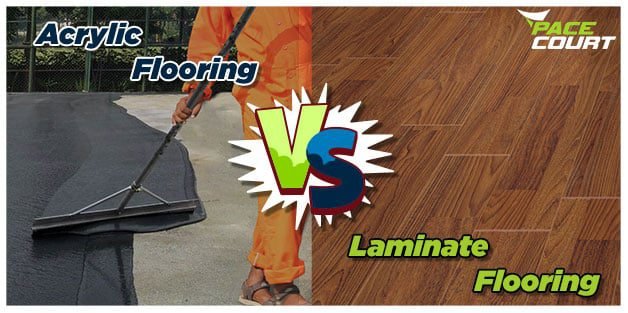
Acrylic vs. Laminate Flooring

Acrylic vs. Laminate Flooring: Which is Better for Sports Courts?

Introduction Sports courts require specific flooring to function well and last a long time. As a leading producer of sports court materials, Pacecourt is well aware of how important it is to consider the demands of athletes and facility managers when choosing sports surfaces. Consequently, this blog will focus on the advantages of acrylic over laminate for outdoor sporting courts. We’ll look at some of the main points that support the idea that acrylic sports surfaces are the best option for long-term performance improvements. Understanding Acrylic Sport Flooring Sport flooring made of acrylic is frequently used for outdoor courts because of its adaptability, toughness, and capacity to improve performance. These surfaces, composed of acrylic resins and additional components, offer a smooth, superior finish suitable for various sports, including Tennis, Basketball, Volleyball, Badminton court flooring, Pickleball, Multi-purpose courts, skating rinks, walking tracks etc. Key Benefits of Acrylic Sport Flooring: Durability: It can withstand harsh weather, heavy foot traffic, and UV exposure without fading or cracking. Performance: It offers a stable, excellent playing surface that boosts players’ performance and lowers their chance of injury. Low Maintenance: It is an excellent long-term investment because it requires less maintenance. Why Laminate Falls Short for Sports Courts Many people believe that laminate flooring is excellent for indoor use but not as ideal for outdoor sporting facilities. Laminate is made up of several layers of artificial composites that are completely unsuited for outdoor use. Exposure to water, sunlight, and temperature fluctuations can cause misshape, cracking, or eventual degradation of the laminate when it is left outside. Key Drawbacks of Laminate Flooring for Outdoor Courts: Exposure to Damage: Water and ultraviolet rays can warp or crack laminated surfaces, which makes the play area unusable. Inconsistent Performance: Due to their synthetic nature, laminated surfaces lack the same predictable bounce and grip found on acrylic surfaces which affects the quality of playing. Higher Maintenance Needs: Laminate flooring can often need repairs or even refurbishment owing to its exposure to environmental aspects. Acrylic vs. laminate Flooring It’s necessary to compare the two materials based on several key factors to understand why acrylic sport flooring is better than laminate: Durability and Longevity Acrylic Flooring: Acrylic surfaces handle outside roughness exceptionally well. As a long-lasting playing surface against the elements and usage-related damages like fading, cracking, or wearing away, they offer durability. Laminate Flooring: Laminated surfaces are not designed to withstand harsh exterior environments. Laminated surfaces will eventually get damaged and need to be replaced due to variations in temperature, moisture levels in the air, and UV exposure. Performance and Safety Acrylic Flooring: An equal playing field with reduced slippage, improved traction, and consistent ball bounces is provided by acrylic surfaces. Both player safety and performance are enhanced by this. Laminate Flooring: It is possible to continue beyond this because players may become hurt. Since there are no equal measures of grip with laminate and they cannot ensure uniformity, sliding off games may seem unpredictable, which increases the risk of accidents and often results in careless bodily injury. Maintenance Requirements Acrylic Flooring: Taking care of acrylic surfaces is very simple, which makes them low-maintenance. To get rid of dirt and debris just wash them from time to time. The surfaces are long-lasting so they do not require frequent repairs or re-surfacing thus making them quite economical options. Laminate Flooring: When properly maintained, laminate flooring has low maintenance requirements. Dirt and dust can be removed from it by frequent washing. Much like acrylic, it rarely needs resurfacing or repairs thus, it is a cost-effective alternative option. Aesthetic and Customization Acrylic Flooring: The acrylic surfaces come in a stunning array of colours and looks that can be customized to match the team’s colours or the facility’s logo, making for an extremely eye-catching scene on the sports court. Laminate Flooring: Because laminate surfaces are less customizable than acrylic, they are less flexible in terms of appearance. The Environmental Impact of Acrylic vs. Laminate Of the diverse sports flooring materials, acrylic is also deemed the most eco-friendly option when examining its environmental effects. Sustainability and Eco-Friendliness Acrylic Flooring: Many acrylic flooring are designed with environmental sustainability in mind; water paint coats keep their materials low. Additionally, because acrylic surfaces last a long time, there is less waste because they don’t need to be replaced as often. Laminate Flooring: The laminate surfaces are typically made of synthetic materials and less environmentally friendly glues. Their shorter lifespan and frequent replacement necessitate increased waste production and a larger carbon footprint. Cost Analysis One of the most important considerations when building a sports court is cost. Different costs may apply for the initial outlay, however, it’s important to remember that acrylic flooring is typically thought to be less expensive over time: Initial and Long-Term Costs Acrylic Flooring: Although the initial installation cost of acrylic flooring may be slightly more than that of laminate flooring, over time, acrylic flooring is more cost-effective due to its durability and low maintenance requirements. This saves facilities money on replacements, resurfacing, and repairs. Laminate Flooring: Even though laminate may seem less expensive at first, over time, costs rise due to the frequent maintenance, repairs, and inevitable need to replace it. Future Trends in Sports Court Flooring As technology advances, the sports flooring industry is seeing exciting new trends that favour materials like acrylic: Emerging Trends Smart Court Technology: Presence of a sensory network on the surface of acrylic – for wear and usage monitoring in real-time as well as performance aspects of it. Eco-Friendly Materials: developing acrylic compositions that work as well yet are more environmentally friendly and sustainable. Customization and Design: Custom courts with specific brands and colours are becoming more and more in demand, and acrylic materials can easily accommodate this need. Conclusion For player safety, performance, and overall pleasure, choosing the right kind of surface for your sports court is essential. When it comes to environmental effects, durability, performance, maintenance, and aesthetics, acrylic sports flooring outperforms laminate. When facility managers, athletic

Tennis Court Flooring Maintenance

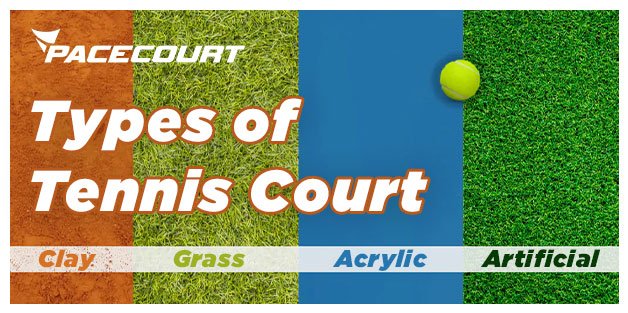
Exploring the Different Types of Tennis Courts

Introduction Tennis is a nimble and accurate sport, and the court surface has a big impact on that. The quality of the game overall, player outputs, and protection are all directly impacted by the type of tennis courts you choose. Pacecourt, one of the top providers of sports court supplies well-versed in selecting the ideal product for your requirements. This comprehensive guide will look at the various types of tennis courts and emphasize why the ideal flooring for sports facilities is acrylic. Furthermore, we will offer concrete instances that demonstrate the advantages of employing these kinds of acrylic surfaces. Understanding the Different Types of Tennis Courts Different materials can used to make tennis courts, and each kind unique qualities that affect how the game is played. The following groups primarily comprise tennis courts: Every kind of surface has benefits and drawbacks that vary according to the players’ skill level, the environment, and upkeep needs. Let’s examine each type of surface in more detail. Clay Courts Because clay courts are a slow-paced game, they are favored in Europe and South America. Crushed shale, stone, or brick make up the surface, which offers high traction and permits sliding into shots. Pros of Clay Courts: Cons of Clay Courts: Grass Courts Grass courts, which compared to the iconic Wimbledon courts, and regarded by many as the best surface for tennis matches, are associated with luxury and a more conventional way of life. The game moves quickly on grass courts due to the surface’s variable slopes. Pros of Grass Courts: Cons of Grass Courts: Hard Courts Hard courts usually consist of concrete or asphalt and offer a well-balanced game speed. Due to their longevity and low care requirements, they are well-liked in public parks and recreation centers. Pros of Hard Courts: Cons of Hard Courts: Acrylic Courts Acrylic courts are one type of hard court that has a uniform, smooth surface because they are painted with acrylic. These courts are becoming more and more popular because of their long lifespan, low maintenance requirements, and range of customizable color possibilities. Pros of Acrylic Courts: Cons of Acrylic Courts: Why Acrylic Courts Are the Best Choice for Outdoor Sports Surfaces Among all the options, acrylic courts stand out as the best choice for outdoor sports surfaces. Here’s why: Durability and Weather Resistance The acrylic courts designed to withstand all types of weather conditions, from intense sunburn to torrential downpours. Players can utilize acrylic surfaces year-round because, unlike clay or grass, it doesn’t contain a significant amount of mud or water that would cause it to become slick. When applied to an acrylic surface, they develop an ultraviolet resistance that keeps them from fading and acts as a barrier to maintain their brightness at all times. Low Maintenance Requirements Acrylic courts material require less maintenance than other surfaces. Continuous rolling, watering, or mowing are not necessary. Basic maintenance, such as periodic sweeping and power washing, suffices to keep the court in good condition. This indicates that acrylic courts are more affordable for sports facilities since they require less upkeep over time and have lower long-term expenditures. Enhanced Performance and Safety It is essential for competitive play that the ball leaves the surface with the proper bounce. This surface’s texture can changed to provide varying degrees of grip, which will prevent players from slipping as they play and ultimately ensure their safety. Additionally, the cushioned layers under acrylic surfaces provide shock absorption, relieving joint tension in athletes and lowering the risk of injury. Customization and Aesthetic Appeal The courts may be painted in a variety of colors and tones thanks to acrylic materials, giving facility owners the chance to use their favorite colors for the playing surface. For both fans and players, the creative variety heightens the excitement. Case Studies Case Study: Upgrading a Public Park Tennis Court To improve the playing experience for the local community, the Delhi Public Park decided to upgrade its aging tennis courts. They opted for acrylic floors, understanding their advantages over the court’s performance and resilience. Project Overview: The Process: Initially, the project started with taking off the old broken surface. A primer then put on the prepared and leveled surface for strong adhesion. This was followed by multiple layers of acrylic coating, which yielded a smooth and long-lasting finish. Finally, markings of official dimensions made on the courts so that they could agree with the required standards. Results: The enhanced courts received high satisfaction rates from the locals. The players acknowledged the better grip and even ball bounce that significantly improved their play. Additionally, the bright color of the new surface made those courts more attractive, hence increasing their utilization. Case Study: Enhancing a University’s Tennis Facilities Tennis facilities at a university in Chennai need to be improved for its expanding tennis program. The management chose to invest in acrylic flooring for their outdoor tennis courts to provide students and athletes with a good playing surface. Project Overview: The Process: The courts that were already built in the community were thoroughly cleaned before the cracks that they had were repaired. To ensure a good grip on the new acrylic surface, a primer was applied. Several coatings of acrylic paint were layered on its surface to make it smooth and long-lasting. To make sure that they meet official standards, these courts were marked out with precise dimensions. Results: The University’s athletic facilities were dominated by new courts. Recreational and competitive players alike praised the consistent playing surface and better traction. Also, vibrant colors on the courts improved campus aesthetics. Key Considerations When Choosing a Tennis Court Surface Selecting the right tennis court surface depends on several factors, including: Installation Process for Acrylic Tennis Courts The installation of tennis courts involves several critical steps to ensure a high-quality finish: Site Preparation Start by doing a thorough site preparation. To create a solid foundation, the earth must be leveled, enough drainage must be provided, and the area must be stabilized. Sufficient planning averts

Pickleball Court Flooring

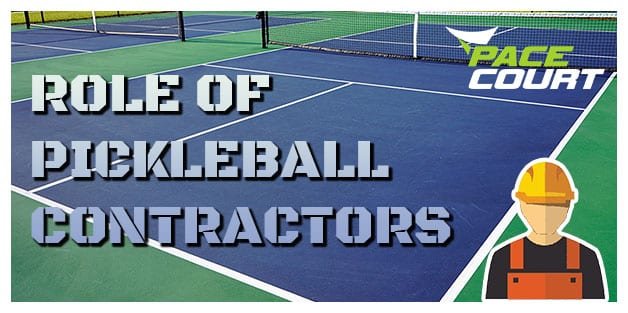
The Role of Pickleball Court Contractors in Creating the Perfect Playing Experience

Introduction The quickly expanding sport of pickleball has increased demand for top-notch courts. Community facilities and private clubs alike should have pickleball courts that meet the needs of players and offer a surface that improves both performance and safety. Our expertise is in constructing top-notch courts, with an emphasis on acrylic flooring that enhances both usage and look. We will go into great detail on why acrylic flooring is the greatest option for outdoor courts and how expert pickleball court contractors help to ensure the best possible playing experience. Why the Right Contractor Matters for Pickleball Courts It is crucial to work with a contractor who has pickleball experience to ensure that the court meets all the regulations and has the best possible playing surface. An experienced contractor in the field will provide: A proper worker can convert a basic area into a pickleball lovers’ center from the time of the meeting till when the court is finished. The Importance of Acrylic Flooring for Pickleball Courts The sport surface material is a crucial component of a pickleball court. For outdoor courts devoted to this specific activity, acrylic flooring is frequently seen to be the greatest choice for several reasons: Key Considerations for Pickleball Court Construction Building a pickleball court requires careful planning and execution to satisfy the unique demands of this activity. To create a court of exceptional quality, contractors need to take into account several factors, including: Surface Material As was previously observed, the choice of court surface materials directly affects both the duration and quality of the court’s existence. Acrylic is the perfect surface since it is long-lasting and has outstanding functionality and aesthetics. Its excellent grip makes it possible for players to run quickly without slipping, and its smoothness promotes a quick game pace. Court Dimensions and Layout Professional guidelines establish the proportions of pickleball courts, which call for them to be 20 feet long and 44 feet broad. Because of this, while creating these areas, architects and builders need to take into account additional uses for the space around the court, including places for spectators to sit, places to store items, or places to set up additional entertainment areas. The spacing in larger facilities ought to be such that it accommodates the use of several courts, thereby ensuring there is enough room within which movement is possible between them. Drainage and Slope Outdoor pickleball courts should have proper drainage to keep water from collecting there and causing damage when it rains. Contractors typically slant the court to allow for water runoff and allow for continued use in the event of rainy circumstances. Conversely, inadequate drainage causes water to erode a surface, resulting in fissures and cavities that compromise safety as well as the activity itself. Shock Absorption and Player Safety Constructing pickleball courts with safety in mind is crucial. The contractors typically place cushioning layers beneath the acryl coat to aid in shock absorption and lessen the impact on the joints of long-time players. This kind of comfort reduces injuries, boosts player happiness, and makes the field more appealing to players of all ages. Case studies Case Study: Revamping a Community Pickleball Court To illustrate the benefits of acrylic surfacing, let’s look at a case study of a neighborhood that used this material to update its pickleball courts. Project Overview: The Process: The existing courts have begun to degrade the level of play due to their rough surfaces and poor upkeep. The community center chose acrylic surfacing to increase its aesthetic appeal and longevity. The process started with the existing area being thoroughly cleaned and patched up. To create a consistent base for the new surface, cracks, and blemishes were filled up with an acrylate-based material. Subsequently, numerous layers of acrylic were added, with each coat contributing to the court’s resilience and vivid appearance, respectively. Results: The modification was excellent. The players had a far better experience because of the new glass surface, which kept the playing field level. More community members were drawn to the courts’ vibrant colors, which encouraged more people to take up this sport. Because of its environmental friendliness, this project also enjoyed several achievements as it supported community efforts to preserve the environment. Case Study: Upgrading a School’s Pickleball Facilities The school that decided to upgrade its pickleball facilities is just one more excellent example of the benefits of adopting acrylic surfaces. Project Overview: The Process: The demand for the creation of private courts stems from an observed trend of more pupils growing progressively passionate about pickleball. As a result, they began by creating a solid foundation before adding numerous acrylic coatings. The play area at school clearly shown with vibrant colors creating two distinct tones in their domains. Results: The fresh courts emerged as the epicenter of the athletic amenities at the institution. The use of acrylic for the ground was such that it offered a secure and dependable playing zone, thereby attracting more learners into this kind of game. Moreover, since the layer lasted long enough, little care would required by the school for many seasons, and thus, it was a good choice because of its low cost. Case Study: Sustainable Pickleball Courts in a Public Park A public park in an urban area opted to install new pickleball courts as part of a green project. The park management selected acrylic surfacing because of its environmentally favorable qualities. Project Overview: The Process: The project started with the court base prepared to ensure optimum drainage and stability. After applying an acrylic primer, many coats of acrylic color coat were applied. As a demonstration of their commitment to sustainability, the park management chose colors that complemented the surrounding landscape. Results: New pickleball courts in the park immediately gained popularity. In addition to meeting the park’s sustainability objectives, the eco-friendly acrylic surface offered a top-notch playing area. This increased the park’s environmental effect by enabling it to direct its resources toward supporting other eco-friendly projects. How to Select the Best Pickleball

Line Marking Services

Common Mistakes in Sports Court Line Marking and How to Avoid Them

Introduction To be quite honest, writing lines on a sports court may appear simple, but it takes a great deal of accuracy and focus. For example, inaccurate marking can result in player misunderstanding, unfair play, and even unintentional accidents. This comprehensive post will explain some of the most typical errors made while marking sports courts and offer professional guidance on how to prevent them. Whether you’re building a new court or remodeling an existing one, it’s critical to understand these typical mistakes and how to avoid making them. To ensure uniformity in your sports court line markings, use premium materials, take exact measurements, and account for inclement weather while designing the markings. When line marking is done correctly, it improves safety, fair play, and the aesthetics of a sporting venue. Understanding the Importance of Accurate Line Marking For a sports court to continue being both functional and aesthetically pleasing, precise line marking is essential. Marked lines promote fair play, defined boundaries, and a polished appearance. Whether it’s a basketball court flooring, tennis court, or multipurpose space, precise line marking enhances the playing experience and conforms with legal requirements. Key Functions of Line Marking Common Mistakes in Sports Court Line Marking Carelessness in marking lines is common, although it is an essential aspect of a game. Making these errors can affect the way a court works and even put safety at risk. Some of the most common mistakes that you can make are given below along with their prevention strategies. Inconsistent Line Width Problem: Inconsistent line width can confuse players and officials, disrupting the flow of the game. Solution: Always make use of an adjustable line marking machine to get an even width. The machine should be consistently checked at intervals. Incorrect Measurements Problem: Inaccuracy in measuring could cause misplaced lines that can compromise equitable treatment within the game. Solution: When marking, use accurate measuring equipment and confirm measurements twice. Observe the recommended measurements for every sport. Poor Surface Preparation Problem: Failing to prepare the surface properly can cause the paint to peel or fade quickly. Solution: Remove all garbage, dirt, and paint before drawing the lines on the surface. Before painting, make sure that the surface is level and dry. Using Low-Quality Paint Problem: If you use low-quality paint, it will become dull faster and this leads to more painting for regular maintenance which may also result in additional expenses. Solution: Quality acrylic paint should be used for tennis courts. With its toughness, eye-catching tones, and resilience against the elements, acrylic paint is ideal for this purpose. Ignoring Weather Conditions Problem: Variables such as stormy weather, blowing gales, and scorching temperatures could hamper the application and curing of paint. Solution: Before starting this line-marking venture, consult the weather forecast. It is advisable to choose an appropriate day that possesses cool and dry qualities leading to the best outcomes Detailed Guide to Sports Court Line Marking To avoid these common mistakes, follow this step-by-step guide to sports court line marking. Step 1: Planning and Design First, you should have a plan detailing how the court layout will look. Indicate the essential lines and their precise locations as they need to be in the original. Use the scale drawing that you made earlier as a point of reference for this. Step 2: Gathering Materials Grab some newsprint, acrylic paints made from the highest quality organic materials, chalk, measuring tapes, a line marking tool, tape for covering areas that should not be painted over when applying layers of paint, and stencils intended for specific markings. Step 3: Surface Preparation The court surface should be thoroughly cleaned. Get rid of any litter, dust, and paint that’s no longer useful. Make sure that before marking the surface, it’s even and dry. Step 4: Measuring and Marking Employ measuring tapes alongside chalk to outline line positions. Recheck measurements for accuracy purposes. It is necessary to use a line marking machine that gives uniformity when marking the lines. Step 5: Applying the Paint To apply the paint, you should use the line marking machine. Make sure to put masking tape around the borders to achieve neat edges and stop paint bleed. Apply the paint in numerous layers if you want a brilliant hue, as it may require more than one coat in some areas. Step 6: Curing and Inspection The paint needs adequate time to dry completely. Examine the lines more closely to determine if any flaws need to be touched up or fixed. The masking tape must be removed carefully so as not to damage them. Step 7: Final Touches After the house paint has completely dried out, get rid of everything and tidy up the place. Make sure that a final look is taken at it so that the lines blush on with the required specifications. Case Studies Case Study 1: Community Park Basketball Court Project Overview: For the community park, a precise basketball court line markings was required. The previous court’s uneven markings and fractured lines infuriated the players. Procedure: Results: The revised line markings enhanced the playing experience by creating more defined boundaries and a more appealing court. Case Study 2: School Tennis Court Project Overview: The tennis area markings needed to be updated at a secondary school. The previous markings were worn out and erratic, which affected how the game was played. Procedure: Results: The improved court gathered encouraging reviews from players and trainers resulting in better training as well as competitive games. Tips for Maintaining Sports Court Line Markings By maintaining the court, one may make sure that the markings function better and endure longer. Here are some recommendations for appropriate maintenance. Regular Cleaning To ensure a clean court surface, regularly sweep and clean off any litter. This will inhibit dirt development while ensuring line visibility. Prompt Repairs Any rips or tears in the cables should be patched immediately. Constant inspections help you catch bugs early enough for quick remedies and restoration work.. Quality Materials Use high-quality acrylic paint for





Evolution of Sports Flooring

The Complete Guide to Construction and Installation of Sports Surfaces: From Planning to Play

Introduction The sports court construction material is a significant factor in creating exceptional sporting experiences in the fast-paced world of modern games. The flooring selection affects safety, life expectancy, and performance quality. Being a leading authority on fabrics for sports facilities, we at Pacecourt recognize the importance of acquiring appropriate materials, such as acrylics, for outdoor sports facilities. To develop fields that can improve a player’s performance, this comprehensive guide will help you with the building and fitting of athletic grounds. Understanding the Importance of Acrylic Flooring Since acrylic flooring is the greatest option for outdoor sports courts, it has become well-known and well-liked. The key arguments in favor of this kind of flooring are its increased performance, resilience, and adaptability. Before beginning any construction work, it’s critical to comprehend why acrylic flooring is the ideal choice for your sports surface. Why Acrylic? Planning Your Sports Court Construction Effective planning is the first stage in any successful building effort. When it comes to sports court construction, careful planning ensures that the finished product will live up to your expectations in terms of performance, durability, and even appearance. Site Selection and Preparation Design Considerations Material Selection Construction Process: Laying the Foundation Now that the planning stage has concluded, work may begin. Your idea takes shape during the second stage of building, and it is essential to give it great thought to provide the best possible results. Base Layer Installation Acrylic Surface Application Line Markings and Finishing Touches Case Studies: Success Stories in Sports Court Construction Case Study 1: Community Park Tennis Court Project Overview: Design Considerations: There needed to be a tennis court in the community park that would not only be durable but also have a good playing surface. Standard dimensions included in the design, along with extra room for spectators. Procedure: This is how the project started, with clearing and grading the site as the first step. After that, the space was adequately drained to lay a concrete base. There had been several coats of acrylic surface applied, followed by fencing and line marks. Results: There recently built tennis court flooring in the park, which acts as the hub of the neighborhood. The play area enhanced by the vibrant colors of the acrylic surface, which is long-lasting and provides optimal playing conditions. The citizens can afford it since it requires little upkeep. Case Study 2: High School Tennis Courts Project Overview: Design Considerations: The high school’s sports programs require a lot of tennis courts. The design includes proper alignment, efficient drainage, and sufficient space for spectators and competing players. Procedure: The area had to be cleared and leveled as part of site preparation. The cost-effectiveness of asphalt led to its selection as the foundation material. The courts had fencing and windscreens, and the acrylic surface was laid in multiple layers. Results: The recently constructed tennis courts at the school provided top-notch facilities for kids to play on. The acrylic surface ensures a consistent holding capacity and safety; also, the institution’s distinctive colors are quite striking. As a result, these locations developed into bustling hubs for athletic events. Case Study 3: Private Residence Tennis Court Project Overview: Design Considerations: The tennis court needed to be able to blend in with the surrounding area of the private estate while also providing a challenging surface for experienced players. Additionally, color schemes were customized for this layout to blend in with the estate. Procedure: After the location was inspected and prepared for its intended use, the project got underway. The installation of a concrete base guaranteed that there would be no water retention. Nets were then installed after an acrylic coat was placed on top and lines were marked to the specifications of the customers. Results: The tennis court in the private property offered a playing surface of professional caliber with a unique flair. Its solid acrylic surfaces meant that owners could play on it year-round with no upkeep. This project shows how to improve the appearance and usability of courts by building your own. Maintenance and Care: Preserving Your Sports Court An athletic field constructed correctly can provide enjoyment for many years, but to keep it in top condition, regular maintenance is required. Fortunately, acrylic surfaces are known to require little maintenance. Routine Cleaning Inspection and Repairs Resurfacing Future Trends in Sports Court Construction Future developments in sports court construction will be directly correlated with the builder’s experience. Being aware of all these trends will help you carry out upcoming tasks more skillfully. Sustainable Materials Smart Court Technology Don’t Wait to Play! Request a Custom Design and Estimate for Your Sport Court Today. Conclusion Building sports courts is a step from dreams to reality, and it may be very amazing if done correctly. Acrylic floors continue to be the best option for outdoor playing fields because they combine durability, functionality, and aesthetic appeal like no other material can. At Pacecourt, we committed to helping you achieve your goals by providing the highest caliber products and qualified guidance throughout the building and installation procedures. Our staff will be there for you through thick and thin, whether you’re building a single court or a multi-sport complex. Frequently asked question

Pickleball court color schemes

How to Select the Greatest Pickleball Court Color Schemes for Performance 

Introduction With a game that appeals to players of all ages and combines aspects of badminton, ping pong, and tennis, pickleball has become a global craze. Now more outdoor pickleball courts are available, so choosing the right color scheme for these courts is important. Beyond aesthetics, color greatly impacts how the game is played, how safe it is, and other things you experience on the court. This blog discusses pickleball court color schemes and best practices, emphasizing acrylic flooring and its benefits for outdoor sports surfaces. Why Color Matters in Pickleball Court Design Visual Contrast and Gameplay selection of best pickleball court colors has a direct impact on player motions, ball visibility, and court borders. Players can track the ball more easily during fast-paced rallies by selecting a well-contrasted color scheme, which lowers their chances of missing or making a mistaken shot call. The court’s playing field should be colored so that it stands out from its surroundings, and the boundary lines should be conspicuously different from the surface they are situated on. Safety Considerations Furthermore, pickleball court color combinations may have an impact on players’ safety. For instance, it’s crucial to choose matte paints with no glare if you want your court to be less uncomfortable for players in sunny weather or even when using overhead lamps. Specifically, black paints tend to absorb a lot of heat, which causes variations in surface temperatures. Thus, by keeping an eye on these variables, players can play without worrying about danger on the courts, and pain and potential injuries can be minimized. Aesthetic Appeal Pickleball court color schemes that are not only functional but also visually stunning. An attractive atmosphere can be created in a sporting stadium and can draw attention from spectators and players alike with a nicely designed court painted in complementing and brilliant colors. Additionally, the right color schemes can highlight the values of a certain school or community, bringing some originality to an otherwise straightforward gaming environment. Selecting the Ideal Color Schemes for Pickleball Courts Choosing the Primary Court Color During a pickleball match, people tend to spend their time on the playing surface; therefore, an essential feature of any court is its color. This hue should yeah act as a contrast to the ball which is most times yellow or orange hence popular colors that have been used include shades of green and blue since they are both visible as well as good looking at the surface. Although, green has been regarded as generally relatable to athletic grounds while blue has been perceived as contemporary and refreshing. Accent Colors and Boundaries Accent colors are only allowed around the boundary lines and on portions of the court that are not used for play. As long as the lines can be readily distinguished from one another, they should complement the primary color. Since white provides a striking contrast to any primary color, it is the most popular choice for these lines. Given that there may be problems with adequate line visibility in other inactive on-court areas, such as behind the baseline or immediately before the service zone, where there may be less leeway in terms of color selection, it might be wiser to go with darker shades of the primary colors and light grey. Consideration of Surroundings The other color scheme for the court should carefully take into account their locations and surroundings. The way that these colors complement one another depends on several other factors. For example, it would be advantageous if the selected color was complementary to adjacent structures or vegetation. For instance, blue would be a great primary color choice for well-furnished sports courts tucked away among lush grass, to contrast with the nearby trees. This is also true in other districts, in contrast to some urban neighborhoods that favor muted tints, including earth tones or grays. Acrylic Flooring: The Best Choice for Outdoor Pickleball Courts Durability and Weather Resistance Acrylic flooring would be a great substitute for outdoor pickleball court colors due to its durability and resistance to weather variables. Acrylic surfaces, in contrast to other materials, are resistant to UV radiation, rain, and temperature changes without degrading. Because of the material’s longevity, the court will continue to look great even if it has severe weather the entire season. Customizable Color Options Acrylic flooring comes in a wide range of customizable Pickleball court color. Having a court that meets your functional and aesthetic objectives is easy because there is a wide variety of tones and textures to choose from. It is possible to mix and match colors to make the court’s appearance complement the building or the neighborhood’s tastes. Ease of Maintenance The low upkeep of acrylic flooring is only one of its many benefits. Easy to clean and maintain, smooth, non-porous surfaces are impervious to dirt and debris. This is particularly important for outdoor courts because weather-related factors cause deterioration over time. A well-maintained court looks attractive and remains safe, which makes it more enjoyable to play on. Case Studies: Successful Pickleball Court Designs Case Study 1: A Community Park The intense sunlight and frequent rain that the state experiences have to be considered during the construction of the pickleball court at the community park. As a result, they chose to paint a deep blue acrylic surface as the primary hue, adding white lines to indicate limits and green accents to non-playing regions. Players particularly benefited from this color scheme since it reduced heat absorption due to the dark blue surface and made them stand out against the surroundings, making gaming more comfortable on hotter days. Furthermore, because the ground combines hues, which combine artistic beauty with functionality, many people view it as their playground for competitions or recreational activities. Case Study 2: A Sports Facility The goal of the Chennai-based sports organization was to create. Distinctive pickleball court that would draw in players from nearby communities. They used yellow boundary lines to accentuate the brilliant green hue they chose for the main

Concrete Primer

What Makes Concrete Primer Beneficial for Sports Court Surfaces?

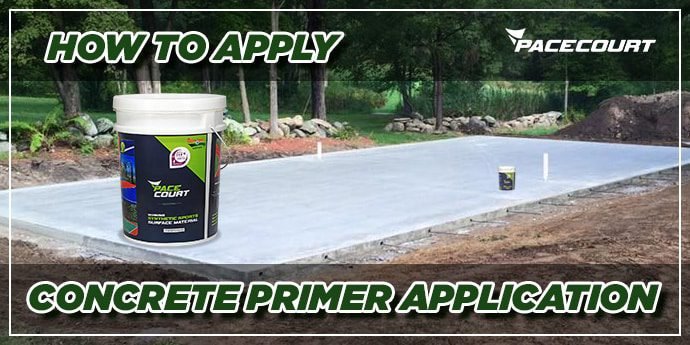
Introduction Every layer that is added to a sports field during construction or renovation contributes to its increased effectiveness, safety, and durability. A crucial layer that is occasionally overlooked is the concrete primer. This unassuming component is essential to ensuring that the upper layers of the court are properly compliant, particularly with acrylic flooring. This article will look at the benefits of acrylic flooring for outdoor courts and provide some case studies demonstrating real-world applications. Understanding the Basics: What is Concrete Primer? It’s critical to comprehend the purpose and operation of a concrete primer before exploring its advantages. A bonding chemical known as concrete primer is used to prepare a concrete surface for other layers such as paint, sealants, or flooring systems. The primer increases adhesion, seals holes, and fissures, and provides a smooth surface for the subsequent layers. Composition of Concrete Primers Typical concrete primers are composed of resin, solvent, and additives and profoundly penetrate through the pore spaces in concrete. These formulations address specific requirements or issues like improved adhesion, fast drying times, or water resistance. Acrylic-Based Primers In tennis playgrounds, especially those with acrylic flooring, acrylic-based undercoats are the recommended option. This is mostly because of their higher adherence, flexibility, and endurance—qualities that are essential for any exterior weather situation in which the court is also susceptible. The Role of Concrete Primer in Sports Court Installation Installing a sports court needs many steps, each having its purpose. The concrete primer is crucial in this stage, making sure that the next layers will stick well and work as they should. Enhancing Adhesion for Acrylic Flooring The capacity of primers to improve adhesion is one of their main advantages when used on concrete. Acrylic floors, which are frequently found in outdoor sports courts, must firmly attach to cement surfaces to prevent peeling, cracking, or delamination. As a result, the primer ensures a durable surface by helping to weave the acrylic and concrete components together. Sealing the Surface Grease and other contaminants can be absorbed by concrete because it is an absorbent material. Unless they are adequately sealed off, these materials can occasionally weaken the bonds holding the cement and its covering zones together. Last but not least, acrylic flooring concrete primer guarantees the stability and cleanliness of the surface underneath it in addition to preventing water intrusion. Smoothing Out Imperfections Concrete surfaces frequently include subtle flaws like tiny fractures, rough patches, or uneven sections. By filling them in with a high-quality concrete primer, these irregularities can be made smooth. This not only improves the court’s appearance but also aids in keeping the playing surface level throughout. Reducing Maintenance Needs Over time, a properly prepared surface can significantly reduce the amount of upkeep needed. A concrete primer extends the life of a sports court and lowers the need for repair by preventing peeling, cracking, and moisture damage. This is particularly crucial for outdoor installations since they are exposed to all types of weather all year round. Concrete primer vs Bitumen Bitumen and concrete primers serve distinct but crucial roles in the preparation of surfaces for various construction and sports court applications. Bitumen primer is commonly used as an adhesive agent on surfaces like concrete, masonry, or metal, providing a sticky base that enhances the bonding of bituminous waterproofing layers, such as those used in roofing or road construction. It’s particularly valued for its ability to seal porous surfaces, ensuring a uniform application of the bituminous material. On the other hand, concrete primer is specifically designed for sports court surfaces. It acts as a foundational layer that improves the adhesion of subsequent coatings, such as acrylic or polyurethane layers, to the concrete substrate. By penetrating the concrete, this primer seals the surface, reducing the potential for moisture penetration and enhancing the overall durability and lifespan of the sports court. In the context of outdoor sports courts, using a concrete primer is essential for achieving a smooth, long-lasting surface that can withstand the demands of athletic activities while maintaining optimal performance. Benefits of Concrete Primer for Acrylic Sports Courts There are many advantages offered by the use of concrete primer which specifically apply to acrylic sports courts. These advantages affect the court as far as its appearance, performance, and durability are concerned. Improved Durability An athletic court made of concrete primer is robust since it fortifies the bond between the acrylic layers and the concrete surface. a robust bond that, even with heavy use from the activity, keeps issues like peeling, cracking, and delamination at bay. As a result, the court can tolerate a wide range of usage and weather conditions, providing a trustworthy substitute for many years. Enhanced Performance How well an athlete performs is determined by the surface they play on. Since a smooth, flat rail is necessary, granite surfaces provide cooling and ball recoil in addition to reducing fatigue during games, which lowers the risk of injury and allows players to perform at their best at all times, regardless of how much time they spend practicing or competing in their sport. Cost-Effective Solution Although you may initially believe that applying a concrete primer is an unnecessary investment, you will end up saving money in the long run. Regular issues like surface cracks or moisture damage are avoided by using a primer, which saves money on maintenance and repairs. For owners of sports courts who wish to extend the life of the facilities they have invested in, it is consequently an inexpensive workaround. Aesthetic Appeal A sports court’s overall appeal is greatly influenced by its appearance. Whether you are creating tennis courts, basketball courts, or multipurpose facilities, a cement base helps create a smooth, consistent surface on which an acrylic floor looks great. The court will look stylish and well-maintained with a primer. Environmental Considerations Certain concrete primers have been carefully designed with environmental considerations in mind, in addition to performance benefits. For example, low VOC (volatile organic compounds) primers are the most environmentally friendly materials used to build

Scroll to Top
HOMEOWNERS
BUSINESS OWNERS
ARCHITECTS
MUNICIPALITIES

800+ Acrylic Colors

Get 10% off on sports flooring materials

ITF-certified acrylic flooring for Tennis, Basketball, Badminton, Pickleball & more shipped worldwide.

    ISO-Certificate