Author name: Rahul

Rahul is a sports flooring expert and a key contributor at Pacecourt, a leading brand in acrylic and synthetic sports court solutions. Passionate about creating world-class playing surfaces, Rahul shares insights on tennis courts, basketball courts, and multi-purpose sports flooring. His goal is to help facility owners and sports enthusiasts choose durable, high-performance solutions that enhance the game experience.

No 1 Court
tennis court

Wimbledon’s Other Stage: The Enduring Legacy of No. 1 Court

In the world of tennis, some venues are more than just playing surfaces; they are hallowed grounds, echoing with the ghosts of epic battles and legendary champions. While Centre Court at Wimbledon rightfully holds a mythical status, its sibling, No 1 Court, possesses its own unique and powerful legacy. It is a theater of dreams in its own right, a place where tennis history is not just made, but profoundly felt. For decades, No. 1 Court has served as the perfect counterpart to Centre Court’s formal grandeur. It has a reputation for a slightly more boisterous and intimate atmosphere, creating a cauldron of energy that has both unnerved and inspired the world’s greatest players. This is where rising stars often announce their arrival and where established champions have been tested to their limits. A History of Evolution The story of No. 1 Court is one of change and adaptation. The original court was built in 1924, adjacent to Centre Court, and for over 70 years it was the stage for countless memorable moments. Its smaller capacity and open-air design created a special connection between the players and the crowd. Fans felt closer to the action, and the roars of approval or gasps of shock seemed to reverberate with greater intensity. However, as the popularity of the sport soared, the need for a modern, larger venue became clear. In 1997, a new No. 1 Court was unveiled in a different location within the All England Club grounds. This state-of-the-art stadium was a marvel of engineering, designed to offer superior sightlines and amenities for a larger audience. While some feared the unique atmosphere of the old court would be lost, the new arena quickly established its own identity. Then, in 2019, it underwent another significant transformation with the addition of a retractable roof, mirroring the innovation of Centre Court and ensuring uninterrupted play regardless of London’s unpredictable weather. Architectural Grandeur Meets Intimate Atmosphere The modern No. 1 Court is a masterpiece of stadium design. Its circular shape creates a coliseum-like effect, focusing all attention on the pristine grass rectangle at its heart. With a seating capacity of over 12,000, it is a grand stage, yet it manages to retain a sense of intimacy that its predecessor was famous for. The acoustics are superb, amplifying every thud of the ball and every cheer from the crowd, creating an electric environment for both players and spectators. The retractable roof is its crowning feature. A complex structure of steel trusses and translucent fabric, it can close in under 10 minutes, bringing the outdoors in and allowing play to continue under lights late into the evening. This feature has not only weatherproofed the court but has also added a new dimension of drama, with primetime matches under the lights becoming a thrilling part of the Wimbledon experience. A Stage for Unforgettable Drama No. 1 Court has been the backdrop for some of the most memorable matches in Wimbledon’s history. It’s where underdogs have triumphed and where epic five-set thrillers have unfolded. It was on the old No. 1 Court that a 17-year-old Boris Becker announced his explosive talent to the world. It’s where John McEnroe’s famous “You cannot be serious!” outburst occurred, a moment that is now etched in tennis folklore. The new court has continued this tradition. It witnessed the marathon quarter-final between Juan Martín del Potro and Marin Čilić and has been the scene of countless dramatic comebacks and heart-stopping tiebreakers. It’s often the place where the day’s schedule overflows with talent, giving fans a chance to see multiple top-seeded players in a single session. For many rising players, a victory on No. 1 Court is a rite of passage, a sign that they have truly arrived on the biggest stage. More Than Just a Second Court To dismiss No. 1 Court as merely the “other court” is to misunderstand its significance. It plays a vital role in the ecosystem of The Championships. It eases the scheduling pressure on Centre Court, provides a world-class platform for a wider range of players, and offers a distinct but equally captivating viewing experience. Its identity is intertwined with that of Wimbledon itself—a blend of tradition and innovation, of formal respect and passionate energy. For players, winning on No. 1 Court is a career highlight. For fans, a day spent in its stands is an unforgettable experience. It is a place where legends are tested, new heroes are born, and the enduring drama of tennis is played out in spectacular fashion. It is, and always will be, one of the most iconic stages in all of sport. FAQ’s

gym flooring

Gym Flooring Guide: Best Options for Safety, Durability & Performance

Step into any world-class gym and notice what’s beneath your feet. That premium rubber flooring absorbing the impact of dropped weights, the seamless surface enabling smooth cardio movements, the specialized mats cushioning high-intensity workouts—none of it happened by accident. Gym flooring represents far more than just something to walk on. It’s the foundation that makes or breaks every workout experience. The wrong flooring can turn a promising fitness space into a liability nightmare, while the right choice creates an environment where athletes thrive, equipment lasts longer, and safety concerns vanish. Consider the devastating reality many gym owners face: A member tears their ACL on slippery flooring during a group fitness class. Expensive equipment sustains damage from inadequate impact protection. Monthly maintenance costs spiral out of control due to poor material choices. Insurance premiums skyrocket after preventable accidents. What started as a cost-saving decision on flooring becomes a financial catastrophe that threatens the entire business. Professional gym owners, home fitness enthusiasts, and facility managers all grapple with the same challenge: navigating the overwhelming world of flooring options while balancing performance, safety, aesthetics, and budget constraints. The stakes couldn’t be higher. Your flooring choice affects everything from member satisfaction and injury rates to equipment longevity and operational costs. The fitness industry generates over $35 billion annually in the United States alone, yet studies show that 20% of gym injuries result from environmental factors—with flooring being a primary contributor. Meanwhile, facilities that invest in quality flooring report 40% fewer equipment replacements and 60% lower maintenance costs over five years. Whether you’re planning a 50,000-square-foot commercial facility, converting your garage into a home gym, or upgrading an existing fitness space, the flooring decisions you make today will impact every workout for years to come. Different activities demand different flooring solutions. The requirements for a weightlifting area differ dramatically from those of a yoga studio, cardio zone, or functional training space. This comprehensive guide will walk you through everything you need to know about gym flooring—from understanding material properties and matching flooring types to specific activities, to installation best practices and long-term maintenance strategies. You’ll discover how to evaluate durability, calculate true costs, avoid common mistakes, and create flooring solutions that enhance rather than compromise your fitness goals. By the end, you’ll have the knowledge to make confident flooring decisions that protect your investment, prioritize safety, and create the high-performance environment every fitness space deserves. Types of Gym Flooring Choosing the right gym flooring feels overwhelming when faced with countless options, each promising to be the perfect solution. Understanding the fundamental characteristics of each flooring type cuts through the marketing noise and helps you make decisions based on real performance factors. Each material brings distinct advantages and limitations. Your choice depends on how you’ll use the space, your budget constraints, and your long-term maintenance preferences. Let’s examine the most popular gym flooring options and what makes each one suitable for specific applications. Rubber Flooring: The Heavyweight Champion Rubber flooring dominates commercial gyms for good reason. It delivers exceptional durability, superior shock absorption, and impressive versatility across different workout types. Material Properties and Performance Rubber flooring comes in two primary forms: recycled rubber and virgin rubber. Recycled options use ground-up tires and other rubber products, making them cost-effective and environmentally friendly. Virgin rubber offers slightly better performance characteristics but costs significantly more. The density typically ranges from 50-80 shore A durometer, affecting both comfort and durability. Higher density provides better impact resistance for weight dropping areas, while lower density offers more cushioning for activities requiring joint protection. Advantages of Rubber Flooring Shock absorption ranks as rubber’s greatest strength. When weights hit the floor, rubber dissipates impact energy that would otherwise damage subfloors or disturb neighbors. This protection extends equipment life and reduces maintenance costs significantly. Slip resistance performs exceptionally well, even when wet. The natural texture provides grip during intense workouts while remaining comfortable for bare feet during stretching or yoga sessions. This versatility eliminates the need for multiple flooring types in mixed-use spaces. Durability exceeds most alternatives by substantial margins. Quality rubber flooring handles decades of heavy use without showing significant wear. The material resists tearing, maintains its shape under constant pressure, and recovers quickly from impacts. Chemical resistance protects against sweat, cleaning products, and spilled supplements. Unlike some materials that stain or degrade when exposed to acids or oils, rubber maintains its appearance and performance characteristics. Limitations to Consider Initial cost represents rubber’s primary drawback. Quality rubber flooring costs 2-3 times more than basic foam options, though the investment typically pays off through reduced replacement needs. Weight becomes a factor for upper-floor installations. Rubber flooring adds substantial load to building structures, potentially requiring engineering evaluation for multi-story applications. Odor can be problematic with recycled rubber products. The smell typically dissipates over time but may persist for weeks or months in poorly ventilated spaces. Best Applications Rubber flooring excels in weightlifting areas where equipment drops regularly occur. The impact absorption protects both floors and equipment while reducing noise transmission to adjacent spaces. Functional training areas benefit from rubber’s versatility. The surface works equally well for kettlebell swings, box jumps, sled pushes, and floor exercises without requiring activity-specific modifications. Foam Flooring: Budget-Friendly Versatility Foam flooring offers an accessible entry point for home gyms and light commercial applications. The interlocking tile system provides installation flexibility and reasonable performance for many activities. Material Characteristics Most gym foam uses EVA (ethylene-vinyl acetate) or PE (polyethylene) construction. EVA provides better durability and recovery properties, while PE offers cost advantages for basic applications. Thickness typically ranges from 0.5 to 2 inches, directly affecting comfort and impact absorption. Thicker options provide more cushioning but may create instability for activities requiring solid footing. Advantages of Foam Flooring Affordability makes foam attractive for budget-conscious installations. Quality foam costs 50-70% less than comparable rubber products, enabling larger coverage areas within tight budgets. Easy installation requires no special tools or professional help. The interlocking design allows quick assembly and reconfiguration as needs change. Individual tiles


Shuttle Court Measurements

Shuttle Court Measurements Explained: Know the Exact Dimensions Before You Play

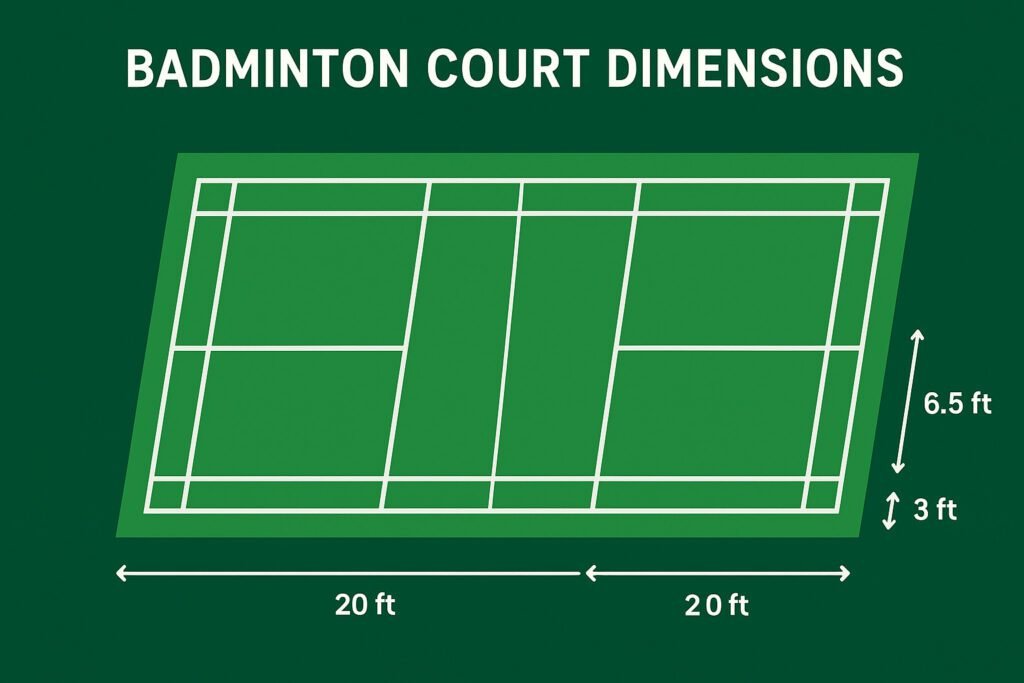
Picture this: you’re watching an intense badminton rally where the shuttlecock flies at lightning speed across the court. The players move with precision, knowing exactly where they can and cannot step. What makes this dance possible? The perfectly measured court beneath their feet, guided by standard shuttle court measurements. Badminton stands as one of the world’s fastest racket sports, with shuttlecocks reaching speeds of over 200 mph. From Olympic arenas to community centers, millions of players worldwide engage in this thrilling sport that demands quick reflexes, strategic thinking, and incredible athleticism. Yet behind every spectacular shot and tournament victory lies something far less glamorous but equally important: precise court measurements. Whether you’re a weekend warrior perfecting your drop shot, a coach setting up training facilities, or an enthusiast planning your own court, understanding shuttle court dimensions isn’t just helpful—it’s essential. Incorrect measurements can throw off your entire game, create safety hazards, and even disqualify a court from official play. Many players assume all badminton courts are the same, but the reality is more nuanced. Singles and doubles play require different boundary lines, service areas vary in size, and even net height has specific requirements that can make or break a game. Getting these details wrong means your practice sessions won’t translate to real competition, and your investment in court setup could go to waste. This comprehensive guide will walk you through every measurement that matters on a badminton court. You’ll discover the official BWF standards, learn why each dimension exists, and get practical tips for setting up your own court correctly. By the end, you’ll have the knowledge to ensure every court you play on meets the standards that separate recreational fun from serious competition. Standard Shuttle Court Dimensions Getting the measurements right isn’t just about following rules—it’s about creating the foundation for fair, competitive play. The Badminton World Federation (BWF) has established precise specifications that ensure every court meets international standards, whether you’re playing in Tokyo or Toledo. Official BWF Court Measurements The BWF sets the global standard for badminton court dimensions, and these measurements aren’t suggestions—they’re requirements for any official competition. Here are the key dimensions every player and court designer must know: Total Court Area: Singles Court Dimensions: Net Specifications: Understanding the Court Layout The badminton court divides into several distinct zones, each serving a specific purpose in gameplay. Think of it as a carefully orchestrated stage where every line has meaning. Service Areas:The court splits into four service areas for doubles play and two for singles. The short service line sits 1.98 meters (6 feet 6 inches) from the net, while the long service line for doubles runs parallel to the baseline, 0.76 meters (2 feet 6 inches) inward. For singles play, the baseline itself serves as the long service line. Center Line:Running perpendicular to the net, the center line divides the court into left and right service areas. This line extends from the short service line to the back boundary line, measuring 5.18 meters (17 feet) in length. Sidelines and Baselines:The court features two sets of sidelines—one for singles and one for doubles. The singles sidelines create the narrower 5.18-meter width, while the doubles sidelines establish the full 6.1-meter width. The baseline marks the back boundary for both singles and doubles play. Why These Measurements Matter These aren’t arbitrary numbers pulled from thin air. Each dimension serves a strategic purpose that shapes how badminton is played at every level. Game Balance:The court’s proportions create the perfect balance between offense and defense. Too narrow, and defensive players would have an overwhelming advantage. Too wide, and attackers could dominate every rally. The BWF spent decades refining these measurements to ensure exciting, competitive matches. Shot Diversity:The specific service area dimensions enable the full range of badminton’s signature shots. The 1.98-meter distance from net to short service line gives just enough space for delicate net shots while preventing easy winners. The deeper doubles service area accommodates the sport’s lightning-fast drives and powerful smashes. Player Safety:Proper court dimensions provide adequate space for safe movement. Players need room to execute full swings and dramatic lunges without colliding with walls, equipment, or other courts. The BWF measurements factor in the sport’s intense lateral movement and quick directional changes. Net Height: The Critical Detail The net’s graduated height—higher at the posts than in the center—isn’t an accident. This subtle difference creates strategic opportunities while maintaining fair play. The 26-millimeter difference between post height (1.55m) and center height (1.524m) results from the net’s natural sag under its own weight. Rather than fight physics, the BWF embraced this characteristic, turning it into a strategic element. Players can attempt shots over the slightly lower center area, but the net’s width means they must place these shots with incredible precision. Tournament Compliance Requirements Professional tournaments demand exact adherence to these measurements. Court officials use laser measurement tools to verify dimensions before major competitions, and even millimeter discrepancies can disqualify a venue from hosting sanctioned events. Measurement Tolerance:While recreational courts might have slight variations, tournament courts allow minimal deviation. The BWF typically permits tolerances of no more than 5 millimeters for critical measurements like net height and service line placement. Surface Requirements:Beyond dimensions, the BWF specifies surface characteristics. Courts must provide consistent bounce properties, appropriate friction for safe movement, and clear line visibility. These requirements work hand-in-hand with proper measurements to ensure fair competition. The Visual Element Understanding these measurements becomes much easier with proper visual aids. A detailed court diagram showing all dimensions, service areas, and boundary lines transforms abstract numbers into concrete spatial relationships. Consider how architects use blueprints—the same principle applies to badminton court layout. When setting up your own court or evaluating existing facilities, having measurement diagrams readily available prevents costly mistakes. Many court marking errors stem from misunderstanding the relationship between different zones rather than incorrectly measuring individual lines. International Consistency One of badminton’s greatest strengths is its global standardization. A player trained on a properly measured court in Mumbai can compete

Volleyball Court Measurements

Everything You Need to Know About Volleyball Court Measurements

Did you know that volleyball is played by over 800 million people worldwide, making it one of the most popular sports on the planet? Whether you’re watching the Olympics or playing at your local beach, one thing remains constant: the precise volleyball court measurements that define every court. For players perfecting their spike approach, coaches designing training drills, or event organizers setting up tournaments, understanding volleyball court dimensions isn’t just helpful—it’s essential for fair play, safety, and peak performance. Getting court measurements wrong can mean the difference between a legal serve and a fault, a successful attack and a violation, or even a safe game and potential injuries. In this comprehensive guide, we’ll break down everything you need to know about volleyball court measurements, from standard indoor dimensions to beach volleyball specifications, key court markings, and practical setup tips that will have you measuring like a pro. Standard Volleyball Court Dimensions: The Foundation of Fair Play Understanding official court dimensions is crucial for anyone involved in volleyball, whether you’re a player perfecting your positioning or an organizer ensuring tournament compliance. These measurements aren’t arbitrary—they’re carefully designed to create balanced gameplay and maintain consistency across all levels of competition. Indoor Volleyball Court Specifications The indoor volleyball court follows precise international standards that have been refined over decades of play. The court measures 18 meters (59 feet) long and 9 meters (29.5 feet) wide, creating a rectangular playing surface that’s divided equally between two teams. The net height varies by gender to account for physiological differences in average player height and jumping ability. For men’s competitions, the net stands at 2.43 meters (7 feet 11 5/8 inches), while women’s volleyball uses a net height of 2.24 meters (7 feet 4 1/8 inches). This 19-centimeter difference ensures competitive balance while maintaining the sport’s dynamic aerial elements. One of the most critical markings on an indoor court is the attack line, positioned 3 meters (9 feet 10 inches) from the net on each side. This line defines the front and back zones, determining where back-row players can legally attack the ball. Players starting from behind this line cannot jump and attack the ball above the net’s height unless they take off from behind the 3-meter mark. Beach Volleyball Court Dimensions Beach volleyball courts are notably smaller than their indoor counterparts, measuring 16 meters (52.5 feet) long and 8 meters (26.2 feet) wide. This reduction in court size—2 meters shorter and 1 meter narrower—compensates for the sport’s unique two-player format and the challenging sand surface that affects player mobility. Interestingly, beach volleyball maintains the same net heights as indoor volleyball: 2.43 meters for men and 2.24 meters for women. However, there’s no attack line on beach courts. Instead, players can attack from anywhere on their side of the court, which opens up different strategic possibilities and showcases the sport’s emphasis on all-around player skills. Why These Measurements Matter These standardized dimensions ensure fair competition worldwide and allow players to develop consistent skills regardless of where they play. Court size directly impacts game strategy—the smaller beach court requires quicker reflexes and more precise shot placement, while the larger indoor court allows for more complex team rotations and specialized positions. Proper court dimensions also play a vital safety role. The specified measurements provide adequate space for player movement while maintaining the sport’s fast-paced nature. Incorrect dimensions can lead to rule violations, unfair advantages, and even increased injury risk. Have you ever noticed how different the game feels when court dimensions are slightly off? These precise measurements are what make volleyball the exciting, balanced sport millions love to play and watch. Key Zones and Markings on the Court: Understanding the Volleyball Playing Field Every line and zone on a volleyball court serves a specific purpose in creating fair, structured gameplay. These markings aren’t just decorative—they define legal playing areas, determine rule violations, and shape the strategic elements that make volleyball such an exciting sport. Let’s explore each critical zone and marking that transforms a simple rectangle into a competitive playing field. The Centerline: Dividing Territory The centerline runs directly beneath the net, splitting the 18-meter court into two equal 9-meter halves. This seemingly simple line plays a crucial role in maintaining fair play by clearly defining each team’s territory. Players must stay on their designated side during play, and any part of their body crossing into the opponent’s court space can result in a violation. The centerline extends beyond just the court surface—it also defines the vertical plane above the net. When players reach across this invisible barrier while attacking or blocking, referees closely monitor whether they’ve interfered with the opposing team’s play. Understanding this boundary is essential for front-row players who work close to the net. Attack Line: The Three-Meter Rule Maker Located 3 meters (9 feet 10 inches) from the net on each side, the attack line creates one of volleyball’s most strategic elements. This line separates the court into front and back zones, directly impacting player positioning and attack options. Back-row players—those who rotated from positions 1, 5, and 6—cannot attack the ball above the net’s height if they’re in front of this line. However, they can approach the attack line and jump from behind it, adding a dynamic element to offensive plays. This rule prevents back-row players from gaining an unfair advantage while maintaining the sport’s emphasis on rotation and specialized positions. The attack line also defines where liberos (specialized defensive players) can set the ball. When a libero sets from in front of the attack line, teammates cannot attack the ball above the net’s height, creating additional strategic considerations for teams utilizing this specialized position. Service Zone: Where Every Rally Begins The service zone extends behind each end line across the full width of the court. This area, typically 6-9 meters deep depending on available space, is where all serves must originate. Players have the entire width to position themselves, allowing for strategic serving angles and the element of surprise. Modern volleyball

Badminton Court Dimensions

Mastering the Court: A Complete Guide to Badminton Court Dimensions

Have you ever watched a professional badminton match and marveled at the players’ speed and precision? The court itself, with its specific lines and zones, is the silent partner in that dance. Understanding Badminton Court Dimensions is fundamental, whether you’re a player looking to improve your strategy, a coach training the next champion, or an enthusiast wanting to set up a court in your backyard. This guide provides a comprehensive breakdown of the official dimensions, explains the key areas of the court, and offers practical tips for proper setup. Let’s dive into the lines and measurements that define the game of badminton. Standard Badminton Court Dimensions Every official badminton court follows a precise set of measurements established by the Badminton World Federation (BWF). These standards ensure that every game, whether played in a local gym or an international arena, is contested on an identical playing field. Understanding these dimensions is the first step to mastering the court. The full court, used for doubles play, measures 13.4 meters (44 feet) long and 6.1 meters (20 feet) wide. This rectangular area forms the complete boundary for the game. For singles matches, the court becomes slightly narrower. While the length remains the same at 13.4 meters, the width is reduced to 5.18 meters (17 feet). Understanding the Lines The lines marked on the court are crucial for gameplay, dictating service areas and boundaries. All lines should be 40mm wide and are typically colored white or yellow for clear visibility against the court surface. Key Areas of the Court Beyond the basic boundary lines, a badminton court is divided into specific areas that are vital to gameplay. Knowing these zones helps players understand positioning, serving rules, and strategy. Service Areas The service areas define where a player must stand when serving and where the shuttlecock must land to be considered a valid serve. These areas differ for singles and doubles matches. The short service line is located 1.98 meters (6.5 feet) from the net and marks the closest point a serve can land. The long service line, used only in doubles, is 0.76 meters (2.5 feet) from the baseline. Net and Net Posts The net is the central obstacle in badminton and must conform to specific height regulations. The top of the net should be 1.55 meters (5 feet 1 inch) high from the court surface at the sidelines and droop slightly to 1.524 meters (5 feet) at the center. The net itself is typically made from a dark-colored cord of a fine, uniform thickness, with a mesh between 15mm and 20mm. It is held taut by two net posts placed on the doubles sidelines. Clearance Space Safety is a priority in a fast-paced sport like badminton. For this reason, it is recommended to have a clear, unobstructed space around the court. A minimum clearance of 2 meters (6.5 feet) around the entire court is advised to allow players to move freely and safely without risk of collision or injury. Indoor vs Outdoor Court Considerations While the official dimensions of a badminton court remain the same, the environment in which it is set up can dramatically change the game. The choice between an indoor and an outdoor court comes with distinct advantages and challenges that affect everything from the playing surface to the flight of the shuttlecock. Indoor Courts: The Professional Standard Professional badminton is played exclusively indoors for good reason. Indoor facilities offer a controlled environment that ensures consistency and fairness in play. Outdoor Courts: Casual and Accessible Fun Outdoor courts offer a more accessible way for people to enjoy badminton, whether in a park, backyard, or at the beach. However, they introduce several variables that players must contend with. Ultimately, while an indoor court provides the ideal conditions for competitive and technical play, an outdoor court is a great option for recreational games. Understanding how these environmental factors impact gameplay allows players to adapt their strategy and enjoy the sport in any setting. Why Court Dimensions Matter The specific measurements of a badminton court are more than just lines on the ground; they are the foundation of the game’s integrity and strategic depth. Standardized dimensions ensure that every match, from a friendly neighborhood game to an Olympic final, is played under the same conditions, guaranteeing a level playing field for all competitors. This consistency is crucial for fair play. A deep understanding of the court’s layout directly influences gameplay strategy. The size and shape of the service boxes, the distance to the net, and the width of the sidelines all dictate a player’s positioning, shot selection, and movement. For example, knowing the exact depth of the court helps players gauge the power needed for a clear shot to land just inside the baseline. Similarly, recognizing the narrower confines of the singles court encourages a game of precision and agility, while the wider doubles court opens up angles and emphasizes teamwork. Players can use their knowledge of the court dimensions to gain a significant advantage. Here are a few tips: Setting Up a Badminton Court Creating your own badminton court can be a rewarding project, whether it’s a temporary setup in your backyard or a more permanent installation. Accuracy is key to ensuring your court meets official standards and provides a fair playing surface. This guide will walk you through the process, from gathering materials to marking the final lines. Tools and Materials Needed Before you begin, gather the right equipment to make the job easier and more precise. You will need: Step-by-Step Marking Guide Common Mistakes to Avoid A small error in measurement can impact gameplay. Watch out for these common pitfalls: Conclusion From the specific height of the net to the exact width of the sidelines, every line on a badminton court has a purpose. Understanding these official dimensions is fundamental to appreciating the game’s strategic depth. We’ve covered the standard measurements for singles and doubles, explored the key areas that dictate play, and contrasted the controlled environment of an

Acrylic vs Modular Tiles vs PU

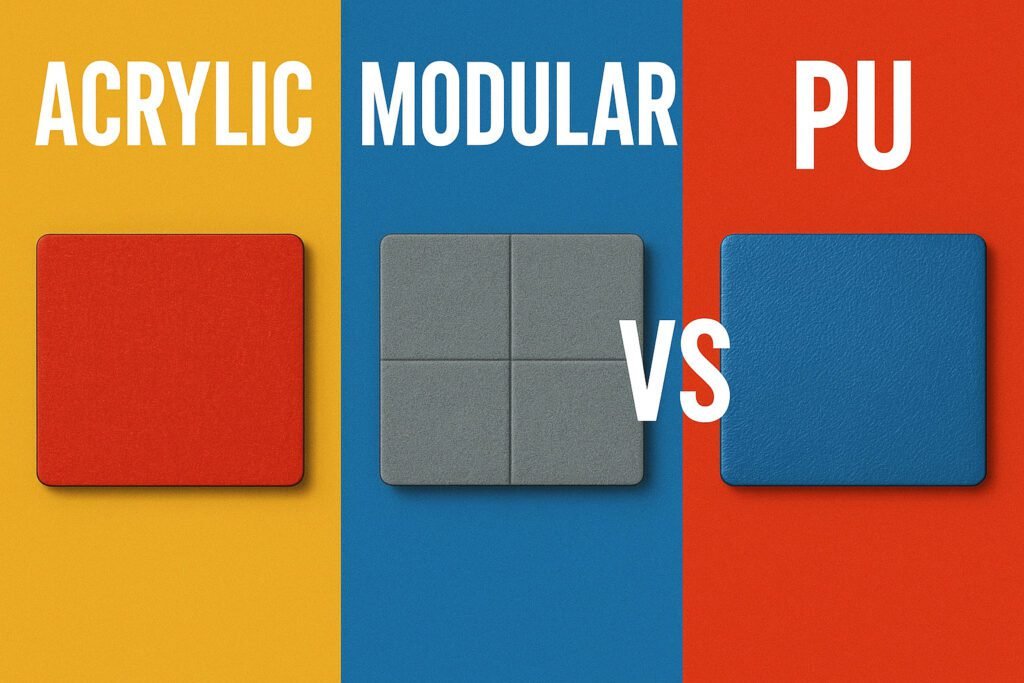
Acrylic vs Modular Tiles vs PU: Total Cost of Ownership Over 5 Years in Indian Climates

Did you know that 70% of flooring investment decisions in India focus solely on upfront costs, completely ignoring what happens over the next five years? This oversight can lead to expenses that triple your initial budget. When choosing between Acrylic, Modular Tiles, and PU flooring for your space, the sticker price tells only part of the story. The real financial impact unfolds over years through maintenance costs, replacements, and performance under India’s demanding climate conditions. India’s diverse weather presents unique challenges that can make or break your flooring investment. From Mumbai’s relentless humidity and coastal salt exposure to Delhi‘s scorching summers and dust storms, from Bangalore’s moderate climate to the Northeast’s heavy monsoons – each region tests flooring materials differently. What performs beautifully in controlled conditions might crack, fade, or deteriorate rapidly under India’s extreme temperatures, seasonal flooding, and year-round dust. Understanding Total Cost of Ownership (TCO) isn’t just smart – it’s essential for making decisions that protect your investment and deliver long-term value. In this comprehensive analysis, we’ll break down the true costs of each flooring option over five years, factoring in India’s climate realities, so you can choose the solution that makes financial sense for your specific needs and location. Understanding the Flooring Options Before diving into cost calculations, let’s examine each flooring type to understand what you’re comparing. Each material brings distinct characteristics that directly impact performance and long-term costs in Indian conditions. Acrylic Flooring Acrylic flooring is a synthetic surface made from acrylic resins and polymer compounds. This seamless flooring system creates a durable, non-porous surface that’s gained popularity in India’s commercial and recreational spaces. Common Applications: Pros: Cons: Modular Tiles Modular tiles are interlocking plastic or rubber tiles that snap together without adhesives. These tiles offer flexibility and have become increasingly popular for both indoor and outdoor applications across India. Common Applications: Pros: Cons: PU (Polyurethane) Flooring PU flooring is a liquid-applied system that cures into a seamless, flexible surface. This European technology has adapted well to Indian industrial needs, offering excellent chemical and abrasion resistance. Common Applications: Pros: Cons: Each flooring type serves specific needs, and understanding these characteristics helps predict their performance and costs over five years in India’s challenging climate conditions. Key Factors Affecting TCO in Indian Climates When calculating the true cost of flooring over five years in India, the initial purchase price represents just the tip of the iceberg. Several interconnected factors determine whether your investment delivers value or becomes a financial burden. Understanding these elements helps you make decisions based on long-term performance rather than short-term savings. Durability Under Extreme Conditions India’s climate extremes test flooring materials in ways that mild climates never do. Temperature swings from 5°C to 50°C, humidity levels exceeding 90%, and UV radiation intensity that ranks among the world’s highest create a perfect storm for material degradation. Heat Stress Impact: Thermal expansion and contraction cycles cause different materials to respond uniquely. While PU flooring maintains structural integrity across temperature ranges, modular tiles may develop gaps during extreme heat. Acrylic surfaces can soften under intense sun exposure, affecting performance and appearance. Moisture Challenges: India’s monsoon season brings prolonged exposure to standing water and high humidity. Materials that absorb moisture risk warping, bacterial growth, and structural failure. The cost of premature replacement due to moisture damage can double your five-year investment. UV Degradation: Continuous exposure to intense Indian sunlight breaks down polymer chains in flooring materials, leading to color fading, surface chalking, and reduced flexibility. This degradation directly impacts both aesthetics and structural performance. Maintenance Cost Variables Maintenance expenses often exceed initial installation costs over five years, making this factor crucial for accurate TCO calculations. Cleaning Requirements: Each material demands different cleaning protocols. PU flooring requires minimal maintenance with standard cleaning equipment, while modular tiles need regular attention to seam areas where debris accumulates. Acrylic surfaces may need specialized cleaning products to maintain their appearance. Repair Frequency: Climate-related damage patterns vary significantly. Modular tiles allow easy replacement of individual damaged sections, potentially reducing repair costs. However, seamless surfaces like PU and acrylic may require professional intervention for repairs, increasing both material and labor expenses. Professional vs. DIY Maintenance: Some materials allow in-house maintenance staff to handle routine care, while others require specialized service providers. This difference can create annual cost variations of ₹50-200 per square meter. Installation Cost Complexity Initial installation costs extend beyond material prices to include preparation, labor, and timing considerations specific to Indian conditions. Weather Window Requirements: Installation timing becomes critical in India’s climate zones. PU flooring requires specific temperature and humidity conditions during application, potentially limiting installation to certain months. This seasonal restriction can affect project timelines and costs. Surface Preparation Needs: India’s construction standards vary widely, often requiring extensive substrate preparation. Poor foundation work can double installation costs and compromise long-term performance, directly impacting TCO calculations. Labor Skill Requirements: The availability of skilled installers varies by region and material type. Specialized installations like PU flooring may require bringing technicians from major cities, adding travel and accommodation costs to rural or smaller city projects. Weather Resistance Performance India’s diverse climate zones create different stress patterns that affect material longevity and performance costs. Monsoon Resilience: Heavy rainfall and flooding test drainage capabilities and water resistance. Materials that fail during monsoon seasons require emergency repairs or replacement, creating unexpected costs and business disruption. Dust and Pollution Tolerance: Urban environments in cities like Delhi and Mumbai expose flooring to high levels of particulate matter and chemical pollutants. Materials that show staining or degradation require more frequent cleaning or refinishing, increasing operational costs. Thermal Shock Resistance: Rapid temperature changes, especially during pre-monsoon periods, stress material joints and surface integrity. Repeated thermal cycles accelerate wear patterns and reduce overall lifespan. Aesthetic Longevity Impact Appearance deterioration affects both functional performance and replacement timing, directly influencing TCO calculations. Color Stability: UV exposure and chemical interaction cause color changes that may necessitate early replacement for aesthetic reasons, even when structural integrity remains intact. This factor particularly affects customer-facing spaces where

sports flooring in delhi
Sports Flooring

Sports Flooring in Delhi: Types, Benefits, and Trends

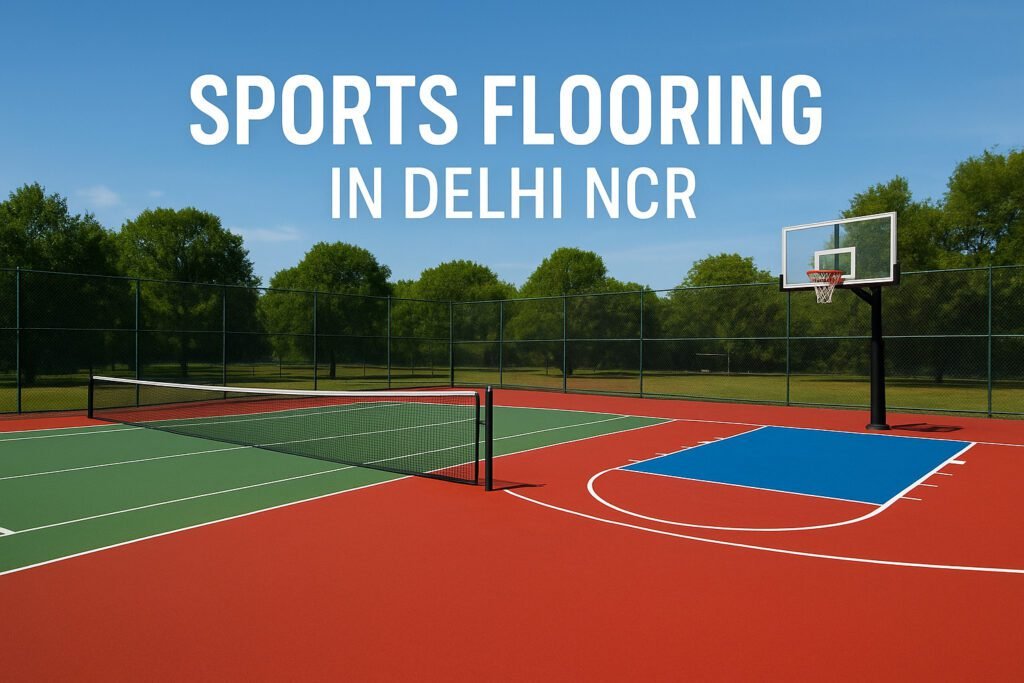
Delhi’s sports landscape is undergoing a remarkable transformation. From corporate fitness centers sprouting across Gurgaon and Noida to schools in South Delhi upgrading their playgrounds, the demand for professional-grade sports flooring in Delhi has skyrocketed. This surge isn’t just about aesthetics—it reflects a fundamental shift in how we approach athletic performance and safety. The numbers tell a compelling story. Delhi NCR has witnessed a 40% increase in sports facility construction over the past three years, driven by growing health consciousness and government initiatives promoting sports infrastructure. Modern athletes, fitness enthusiasts, and facility managers now understand that the foundation beneath their feet can make or break their performance. Quality sports flooring serves three critical purposes that traditional surfaces simply cannot match. First, it dramatically enhances athletic performance by providing optimal grip, ball bounce consistency, and energy return—factors that can shave seconds off sprint times or improve shooting accuracy. Second, it acts as a crucial safety barrier, absorbing impact forces that would otherwise stress joints and muscles, potentially preventing career-ending injuries. Third, professional sports flooring delivers unmatched durability, withstanding years of intensive use while maintaining its performance characteristics. Whether you’re planning a badminton court in your society, upgrading a school gymnasium, or designing a multi-sport complex, choosing the right flooring system involves navigating numerous options and considerations. This comprehensive guide will walk you through everything you need to know about sports flooring in Delhi—from understanding different material types and their specific applications to exploring the latest trends shaping the industry. We’ll also examine cost considerations, installation best practices, and how to select the right provider for your unique needs. Why Sports Flooring Matters The foundation of every athletic achievement begins with what’s beneath an athlete’s feet. While coaches focus on technique and athletes push their physical limits, the often-overlooked sports flooring silently determines whether that perfect jump shot finds its mark or whether a sprinter’s explosive start leads to victory or injury. Professional sports flooring isn’t just a surface—it’s a performance partner that can elevate game quality, protect athletes from career-threatening injuries, and deliver decades of reliable service. Understanding why the right flooring matters helps facility managers, athletes, and sports enthusiasts make informed decisions that impact both immediate performance and long-term success. Enhanced Athletic Performance Through Scientific Design Modern sports flooring functions as a sophisticated system engineered to optimize human movement. The science behind performance flooring centers on three key factors: energy return, surface consistency, and grip optimization. Energy Return and Bounce Characteristics Basketball courts exemplify how flooring directly affects performance. Professional hardwood courts, like those used in NBA arenas, feature a maple surface over a subfloor system that provides precise energy return. When a player jumps, the floor compresses slightly and springs back, returning approximately 85-90% of the energy to enhance vertical leap. This energy return system can add 2-3 inches to a player’s jump height compared to concrete surfaces. The same principle applies to other sports. Badminton courts require controlled energy return to maintain consistent shuttlecock bounce patterns. Tennis courts need specific rebound characteristics to ensure balls bounce at regulation height—between 53-58 inches when dropped from 100 inches. Synthetic acrylic surfaces achieve this through precisely calibrated cushioning layers that absorb and release energy at optimal rates. Surface Consistency and Ball Behavior Game quality depends heavily on predictable surface behavior. Professional volleyball courts use specialized foam backing systems beneath synthetic surfaces to create uniform ball bounce across the entire playing area. This consistency allows players to develop muscle memory for serves, spikes, and defensive dives without worrying about unpredictable surface variations. Cricket practice facilities benefit from consistent pitch surfaces that replicate match conditions. Artificial turf systems with infill materials create uniform ball bounce and spin characteristics, allowing batsmen to practice shots with confidence that the surface will behave predictably during actual matches. Grip Optimization for Movement Efficiency Traction control prevents energy waste during direction changes and sudden movements. Multi-sport gym floors feature micro-textured surfaces that provide optimal grip without creating excessive friction that could cause injuries. The balance is crucial—too little grip causes slipping, while too much grip can stress joints during pivoting movements. Injury Prevention Through Advanced Safety Features Sports flooring serves as the first line of defense against athletic injuries. Professional systems incorporate multiple safety features that work together to protect athletes during both routine training and high-intensity competition. Shock Absorption Technology The human body generates tremendous impact forces during athletic activities. A basketball player landing from a rebound can create forces equivalent to 4-6 times their body weight. Without proper shock absorption, these forces travel directly through joints, potentially causing stress fractures, joint degeneration, and soft tissue injuries. Advanced sports flooring systems address this through multi-layer construction. Professional basketball courts feature: This layered approach reduces impact forces by 40-60% compared to playing on concrete, significantly lowering injury rates. Studies by the International Association of Athletic Boards show that proper shock absorption can reduce knee and ankle injuries by up to 35%. Anti-Slip Surface Engineering Slip-related injuries account for approximately 25% of all sports facility accidents. Modern flooring addresses this through specialized surface treatments and material selection. Gymnasium floors use polyurethane finishes with controlled slip resistance. These finishes provide optimal traction when dry while maintaining safety when moisture is present. The coefficient of friction is carefully calibrated—typically between 0.4-0.7—to prevent both slipping and excessive grip that could cause athletes to stick and twist joints. Rubber flooring in fitness centers incorporates raised texture patterns that channel moisture away from contact points. This design maintains grip even when athletes perspire heavily during intense workouts. Joint Stress Reduction Repetitive impact activities create cumulative stress on joints and connective tissues. Quality sports flooring extends athletic careers by minimizing this stress through engineered give and cushioning. Running tracks demonstrate this principle effectively. Professional tracks use polyurethane surfaces over specially designed bases that provide approximately 35-50% impact reduction compared to asphalt. This reduction translates to less stress on runners’ knees, hips, and lower backs during both training and competition. Indoor courts benefit from similar

sports court flooring in Bihar
Evolution of Sports Flooring, Sports Flooring, Sports flooring manufacturer

Sports Court Flooring in Bihar – Tennis, Basketball & Multi-Purpose Courts

The crack of a basketball hitting the perfect court. The satisfying thud of a tennis ball bouncing consistently. The confident steps of athletes who trust their footing completely. These sounds and sensations tell the story of quality sports court flooring in Bihar. Across the state, from Patna’s bustling sports complexes to rural school playgrounds in Muzaffarpur, a sports revolution is taking shape. Young athletes are picking up rackets, dribbling basketballs, and discovering their athletic potential like never before. Government initiatives have pumped millions into sports infrastructure, while private academies and educational institutions recognize that sports aren’t just extracurricular – they’re essential for developing well-rounded individuals. But here’s what many don’t realize: the foundation beneath these dreams matters more than the dreams themselves. Every twisted ankle from poor traction. Every inconsistent ball bounce that throws off a player’s rhythm. Every premature wear that forces courts out of commission – these aren’t just inconveniences. They’re barriers between Bihar‘s athletes and their full potential. Whether you’re planning a tennis court for your school, designing a basketball facility for your community, or creating a multi-purpose sports area that serves various games, the flooring you choose will determine whether players thrive or merely survive. The stakes couldn’t be higher. Bihar’s sports culture is experiencing unprecedented growth, with state-level competitions drawing record participation and national-level athletes emerging from local courts. Young talents who might represent India on international stages are developing their skills right here, right now. The question isn’t whether they have the drive – it’s whether they have the proper foundation to build upon. In this comprehensive guide, we’ll explore everything you need to know about sports court flooring in Bihar. We’ll examine the unique requirements of tennis courts, where precision and consistency reign supreme. We’ll dive into basketball court flooring, where shock absorption can mean the difference between a career-ending injury and a game-winning play. And we’ll investigate multi-purpose court solutions that maximize value while maintaining quality – perfect for schools and community centers working within tight budgets. Most importantly, we’ll address the specific challenges that Bihar’s climate and conditions present, and reveal the innovative solutions that are helping sports facilities across the state deliver world-class playing experiences. Because every champion deserves a court that matches their ambition. The Rise of Sports Culture in Bihar A quiet but powerful transformation is underway across Bihar. Once known more for its historical significance than its sporting achievements, the state is now buzzing with athletic energy. From dusty village fields to newly laid turf in urban centers, a genuine sports culture is taking root, driven by passionate youth, supportive communities, and strategic initiatives. This shift is not just about playing games; it’s about building character, fostering community, and creating new pathways to success. A New Generation Embraces Sports The change begins with the youth. Today’s young generation in Bihar sees sports not just as a hobby but as a viable passion and even a career. The widespread influence of national sports leagues, coupled with the visibility of Indian athletes on the global stage, has ignited a spark. Children are looking up to heroes in cricket, kabaddi, athletics, and basketball, and they are eager to follow in their footsteps. This enthusiasm is visible everywhere. Local tournaments, once small-scale affairs, now draw significant crowds and fierce competition. Communities are rallying together to support their local teams, creating an atmosphere of excitement and unity. Parents, too, are increasingly encouraging their children to participate in sports, recognizing the benefits of physical fitness, discipline, and teamwork that extend far beyond the playing field. Government and Private Investment Fueling Growth This grassroots movement is being met with crucial top-down support. The Bihar government has recognized the importance of sports in state development and has launched several initiatives to bolster infrastructure. Funds are being allocated for the construction and renovation of stadiums, multi-purpose sports halls, and community courts. The focus is on creating accessible, high-quality facilities that can nurture talent from the ground up. Simultaneously, private investment is playing a vital role. Businesses and entrepreneurs are establishing sports academies and sponsoring local leagues, infusing much-needed capital and expertise into the ecosystem. This public-private partnership is creating a network of opportunities, ensuring that promising athletes have the resources they need to train and compete at higher levels. The Role of Educational Institutions and Academies Schools and colleges have become the epicenters of this sporting renaissance. Educational institutions are integrating sports more deeply into their curriculums, moving away from a purely academic focus. Physical education is being revitalized, and inter-school and inter-college competitions are becoming more organized and competitive. These institutions are the primary talent identification grounds, where coaches can spot promising young athletes early on. Specialized sports academies are also emerging across the state, offering professional coaching and state-of-the-art training facilities. These academies provide a structured environment where dedicated athletes can hone their skills under expert guidance. They serve as a bridge, helping talented individuals from small towns and villages transition to state and national-level competitions. By focusing on specific sports like basketball, tennis, and athletics, these academies are raising the overall standard of performance and creating a pipeline of skilled players for the future. Types of Sports Court Flooring When it comes to sports court flooring, one size definitely doesn’t fit all. Each sport places unique demands on its playing surface, from the precise ball bounce required in tennis to the shock absorption needed for basketball’s high-impact movements. Understanding these differences is crucial for anyone planning a sports facility in Bihar, where diverse sporting needs must be balanced against practical considerations like climate, budget, and maintenance requirements. The right flooring choice can elevate player performance, reduce injury risk, and extend the lifespan of your investment. The wrong choice? It can lead to frustrated athletes, costly repairs, and facilities that fail to meet their potential. Let’s explore the specific flooring options available for tennis, basketball, and multi-purpose courts, examining their materials, benefits, and ideal applications. Tennis Court Flooring: Precision Meets Performance Tennis demands

Sports Flooring

The Role of Fibermesh and Geotextile in Sports Flooring Systems

In the world of sports infrastructure, we often focus on the visible aspects of the flooring system—its texture, color, grip, and performance. But what lies beneath the surface is equally important in ensuring the safety, durability and functionality of a sports court. Two of the most underappreciated yet important components in sports flooring foundations are Fibermesh and Geotextile. These are foundation technologies that when applied correctly, enhance the structural integrity and performance of sports flooring. Sports surfaces are exposed to constant wear, dynamic loads and weather fluctuations, having a well engineered base is very important. Fibermesh and Geotextile designed to address key challenges such as crack resistance, moisture management, soil separation and long term load distribution. Whether you use them individually or together they make a resilient and high performance sports flooring system for tennis courts, basketball arenas, multi sport surfaces and more. This blog will explore the characteristics, benefits, applications and comparative advantages of Fibermesh and Geotextile in sports flooring systems. What is Fibermesh? Fibermesh is a synthetic fiber reinforcement system added to concrete or screed layers to improve their mechanical properties. Made of polypropylene, it is designed to mix uniformly within the concrete to control shrinkage and prevent micro-cracking during the curing process. Unlike traditional steel mesh, Fibermesh doesn’t require additional placement labor and integrates seamlessly with the concrete mix. Fibermesh Properties: Types of Fibermesh: Benefits of Fibermesh in Sports Flooring What is Geotextile? Geotextile is a porous fabric used in sports flooring systems to separate, filter, reinforce and drain soil layers. It is laid between the soil and the base or beneath the concrete slab to improve the foundation. Types of Geotextiles: Geotextile Properties: Benefits of Geotextile in Sports Flooring Comparing Fibermesh and Geotextile While both materials serve different technical purposes, they are complementary in sports flooring construction. Feature Fibermesh Geotextile Purpose Reinforced concrete/slab Separates and stabilizes soil layers Material Polypropylene fibers Woven or non-woven fabrics Key Function Crack control, load resistance Drainage, filtration, soil stability Placement Mixed within concrete Laid beneath base aggregates or slabs Ideal Use All synthetic surface base slabs All soil-based and outdoor courts When used together, they offer a complete solution that addresses both structural and environmental stress factors. Real-World Applications in Sports Flooring Installation Guidelines of Fibermesh and Geotextile in Sports Flooring Fibermesh (Concrete Reinforcement) For Geotextile (Subgrade Stabilization and Drainage) Sustainability and Environmental Impact Fibermesh and Geotextile are part of sustainable construction: Conclusion In summary, while players and spectators may never see them, Fibermesh and Geotextile in sports flooring are the behind the scenes heroes of modern sports flooring systems. Their ability to stabilize, reinforce and protect the layers beneath synthetic courts is crucial. For contractors, architects and facility owners looking to build long lasting high performance sports infrastructure, using these materials is not just an option – it’s a best practice. Choosing the right combination of Fibermesh and Geotextile gives you a foundation that performs under stress, drains well and stands the test of time. As the demand for quality sports flooring grows, so will the relevance of these foundation technologies in building the courts of tomorrow. Frequently Asked Questions

Pickleball Court Flooring

Top Reasons Why Trust Pacecourt for Pickleball Court Materials

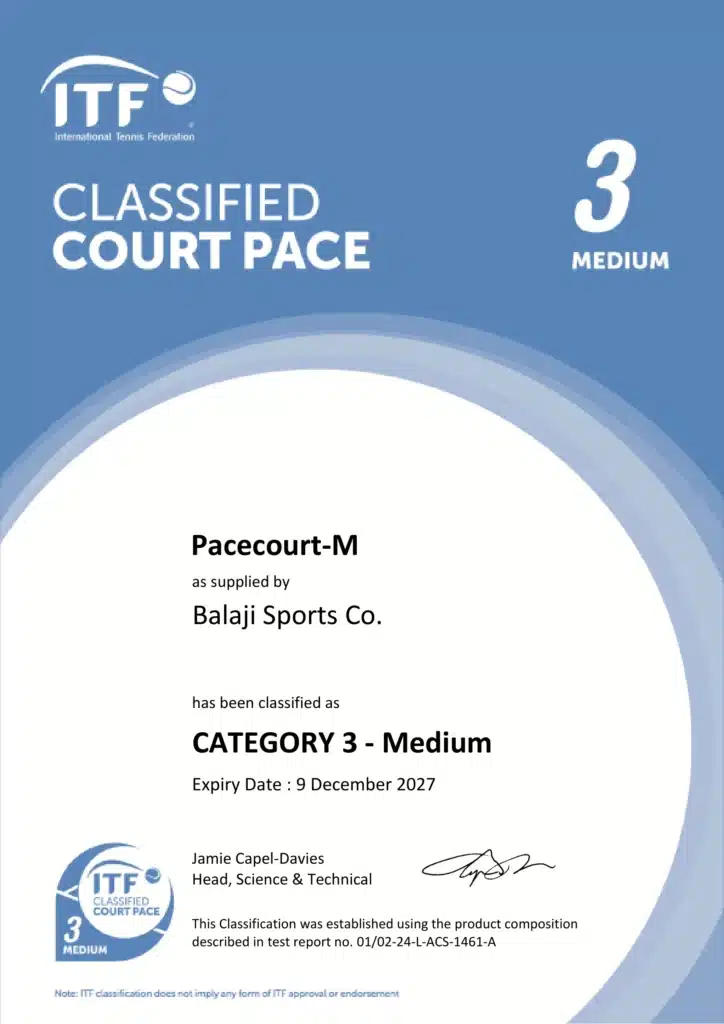
As pickleball is growing fast in India, the demand for good quality court surfaces has increased. Players, clubs and contractors are looking for reliable flooring systems that ensure safety, performance and durability. One brand that stands out in this crowded space is Pacecourt. Known for its premium synthetic acrylic sports flooring, Pacecourt has earned the trust of hundreds of clients across India. From recreational societies to professional courts, Pacecourt’s pickleball surfaces have become the go to solution for long lasting, visually appealing surfaces that meet international standards. This blog will explore the top reasons people choose Pacecourt for pickleball court surfaces — from product quality and customization to real world performance and expert support. Why Choose Pacecourt for Pickleball Flooring? Pacecourt is more than a supplier; it’s a partner for anyone building or renovating a pickleball court. With a strong presence in India’s sports flooring industry, We offer high performance acrylic materials, fast delivery and unmatched customer support. Whether you are building a new court from scratch or resurfacing an old one, choosing the right surface can make all the difference. Pacecourt provides end to end support — from helping you choose the material to coordinating with trained dealers across India. Their surfaces are used by: Pickleball Court Layer System: Built for Performance and Durability The surface of a pickleball court is crucial for smooth gameplay, consistent bounce, player safety and long term durability. At Pacecourt we have developed a specialized synthetic acrylic layer system that meets the performance needs of recreational and professional pickleball courts. Our acrylic system is available in two configurations — 5-layer and 8-layer systems depending on your performance, comfort and usage requirements. 5-Layer System – Standard Performance For recreational courts, schools, residential societies and light use environments. Layers Include: 8-Layer System – Premium Comfort & Performance For professional play, coaching academies or courts with high foot traffic. This system adds cushion layers for extra comfort and joint protection. Layers Include: Pickleball court Materials for building Courts Pacecourt’s pickleball court flooring materials are designed to deliver performance, safety and durability. Developed through extensive R&D and field tested, our products are trusted across India for recreational and competitive play. What Sets Pacecourt Materials Apart? Pickleball Flooring Material Breakdown Here’s a breakdown of key materials offered by Pacecourt: Material Type Purpose Key Features Acrylic Resurfacer Base preparation Fills minor cracks, improves adhesion of layers Cushion Coat Player comfort Reduces impact, enhances safety Acrylic Color Coats Playing surface UV-stable, pigmented, resin-bound for bounce and grip Silica Sand Added texture Enhances traction and extends life Top Coats Final layer Protects surface, anti-slip, weatherproof Line Marking Paint Court lines Precision, longevity, conforms to international standards Outdoor Pickleball Court Systems for Indian Climate India’s climate is crazy – scorching summers, heavy monsoons, high humidity and dusty environments. These conditions can kill any ordinary court surface. That’s why choosing weather resistant, performance oriented materials is key for outdoor pickleball court flooring. Pacecourt’s synthetic acrylic systems are designed to tackle these challenges and deliver performance all year round. Here’s how they handle each environmental stressor: UV Exposure in Extreme Heat In cities like Delhi, Jaipur and Nagpur, surface temperatures can touch 45°C during peak summer. Ordinary surfaces will fade, soften or crack under such conditions. Pacecourt’s top coats are UV stabilized, meaning they retain their strength, texture and color even under continuous sunlight. So your court will stay vibrant, safe and playable for years without frequent recoating. Water Damage During Monsoons Coastal and southern states like Kerala, Maharashtra and West Bengal get heavy rainfall. Traditional court surfaces absorb water and blister, peel and damage in the long run. Pacecourt’s multi layered acrylic systems form a waterproof barrier that prevents water from seeping in. The materials dry quickly, reducing downtime after rain and are ideal for high use community courts. Surface Erosion Regions prone to dry winds and dust like Rajasthan or central India will have dust accumulation and surface erosion reducing traction and creating safety hazards. Our coatings have anti dust textures and silica sand infused finishes which not only improve grip but also prevent dust from wearing down the surface. This feature also reduces cleaning frequency, less maintenance. Withstand Continuous Wear from Active Use Pickleball courts in schools, clubs and housing societies see daily usage. Constant foot traffic and paddle movement can wear out low quality courts in a year. Pacecourt’s resilient acrylic layers are designed to withstand high footfall, friction and impact. Whether it’s weekend games or daily coaching sessions, the surface will remain smooth, non-slip and functional. Ideal for Long Term Use in Indian Communities Thanks to this climate resistant design, Pacecourt’s acrylic systems are the go to choice for outdoor applications: Wherever you are and whatever the weather, Pacecourt ensures a safe, beautiful and high performance pickleball court – 365 days a year. Long Term Benefits of Using Pacecourt Materials Choosing Pacecourt means choosing durability, performance and long term value. Low cost alternatives may seem attractive initially but will lead to early wear and frequent resurfacing and hence higher costs in the long run. Pacecourt’s high quality synthetic acrylic systems are designed to withstand heavy play and harsh weather and give you extended court life with minimal maintenance. Long Term Benefits: These long term benefits are especially useful for institutions or community projects with budget constraints as resurfacing with Pacecourt is more cost effective than full reconstruction. Who uses Pacecourt Pickleball Materials? Pacecourt serves a wide range of clients across India from grass roots to premium academies. Our Clients: Research, Innovation and Quality At Pacecourt innovation isn’t an afterthought – it’s the foundation of everything we do. We invest heavily in research and development to ensure our products meet and exceed modern performance expectations for pickleball court flooring. Our synthetic acrylic formulations are refined using real player feedback, on-site installation data and lab testing. Every layer from base coats to top finishes delivers consistent performance, safety and durability. Certified and Trusted by Industry Standards Client Centric Solutions at Every Step

Scroll to Top
HOMEOWNERS
BUSINESS OWNERS
ARCHITECTS
MUNICIPALITIES

800+ Acrylic Colors

Get 10% off on sports flooring materials

ITF-certified acrylic flooring for Tennis, Basketball, Badminton, Pickleball & more shipped worldwide.

    ISO-Certificate