Synthetic Acrylic Sports Flooring: Benefits, Types & Applications
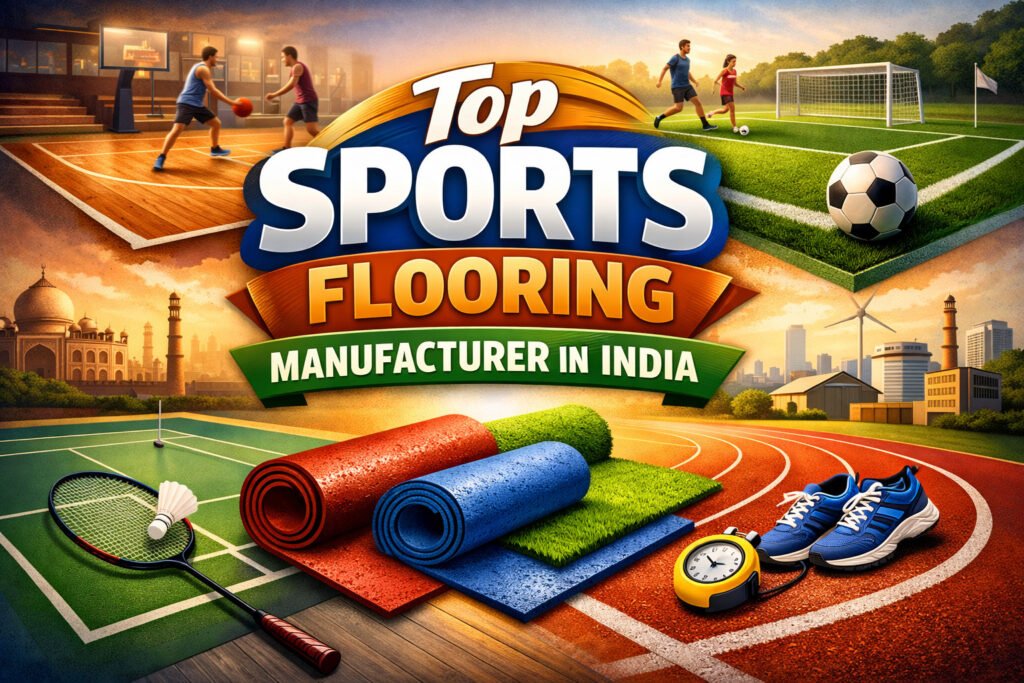
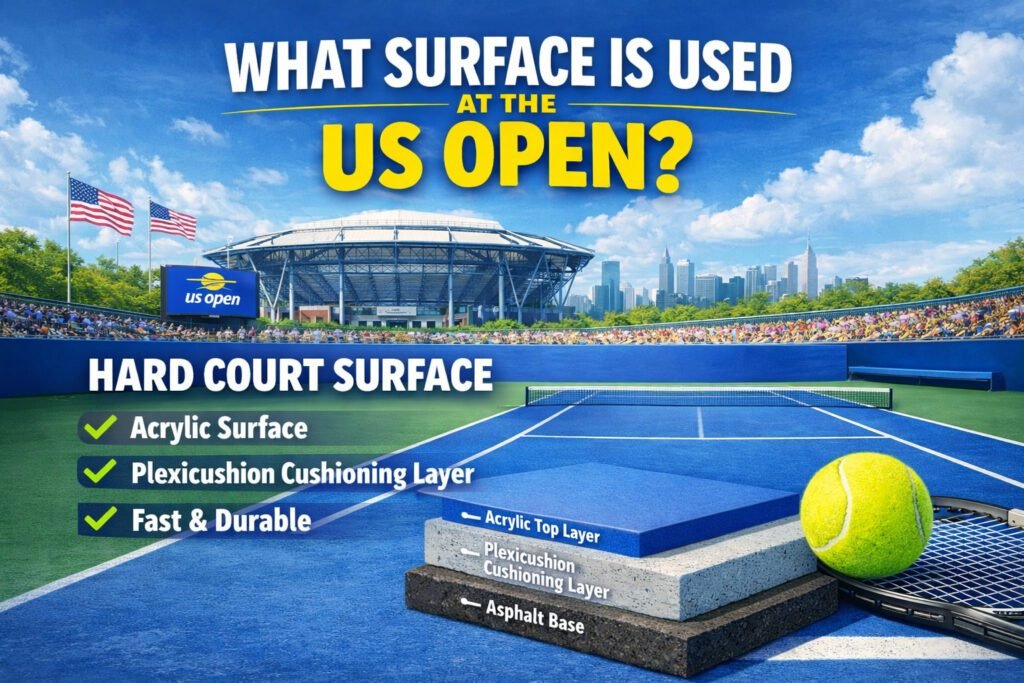
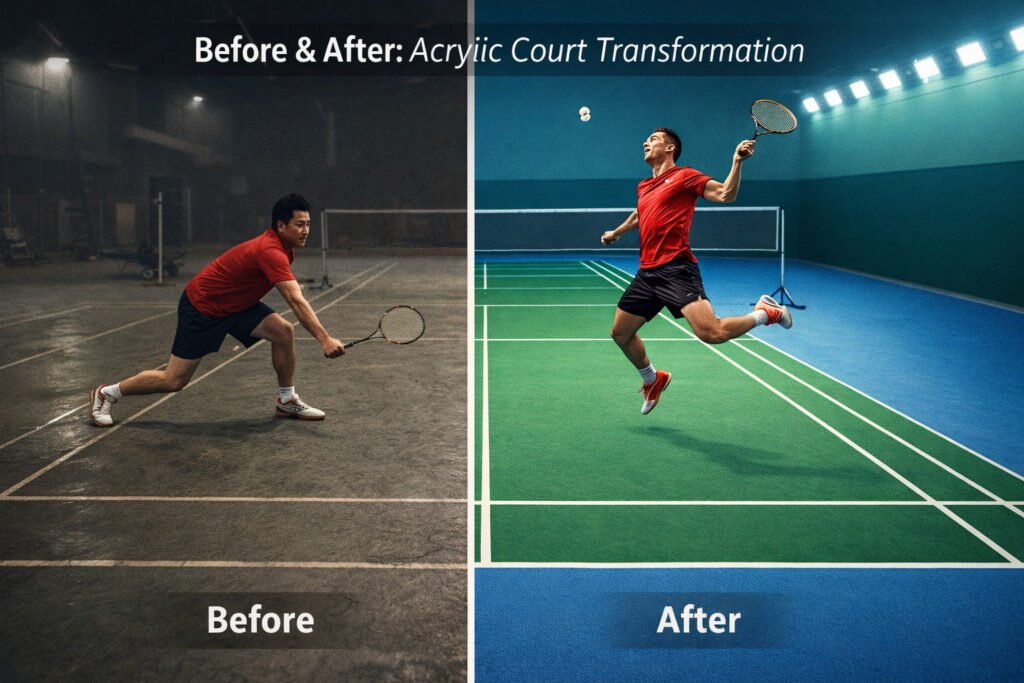
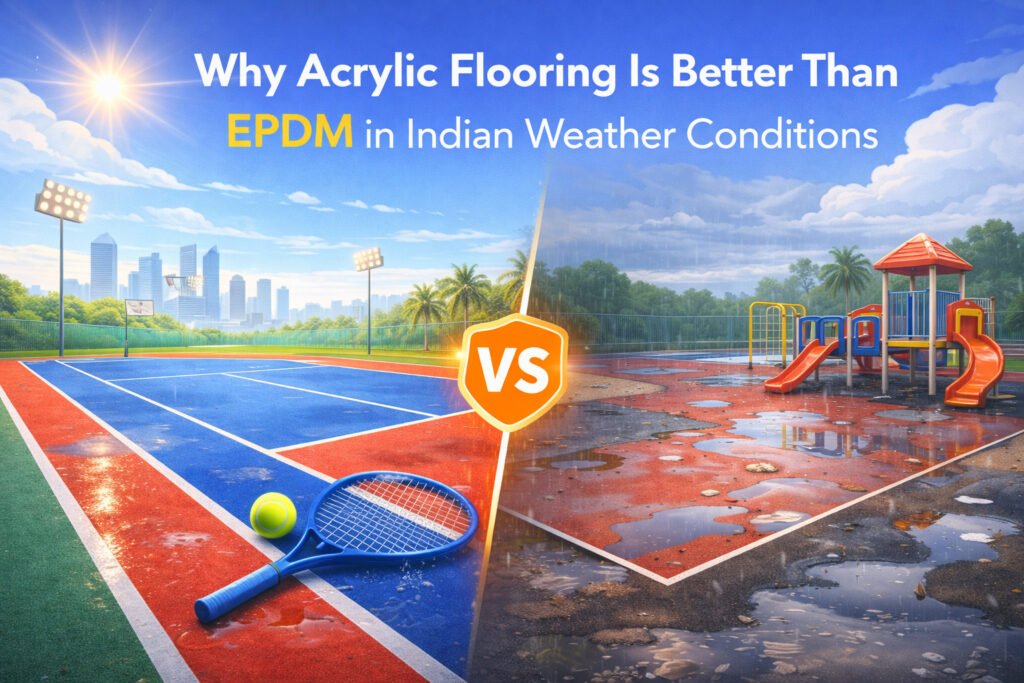
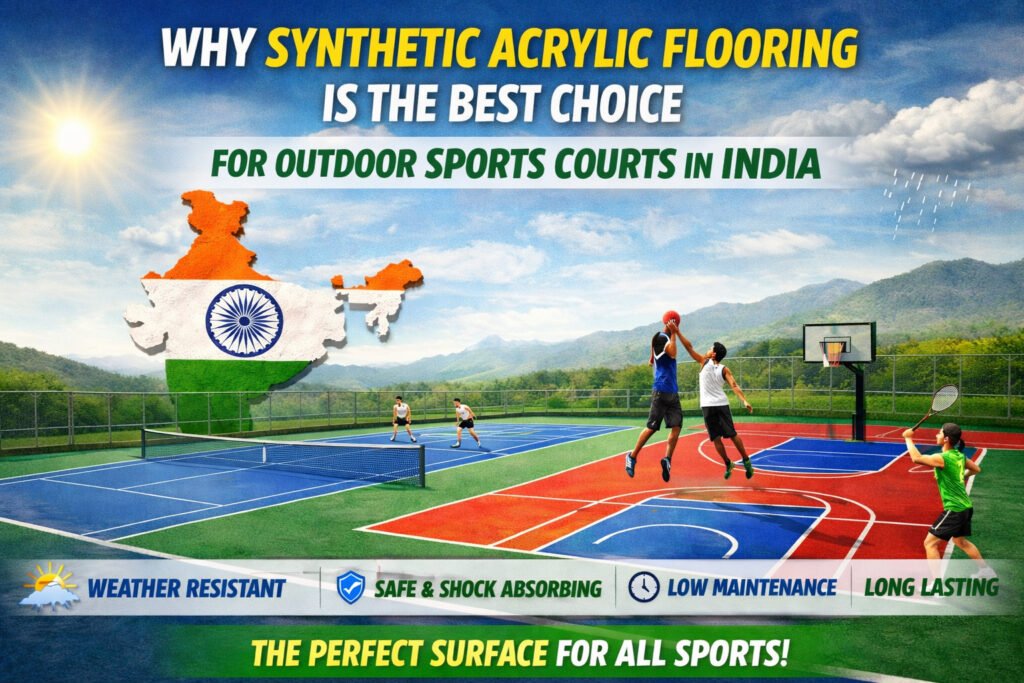
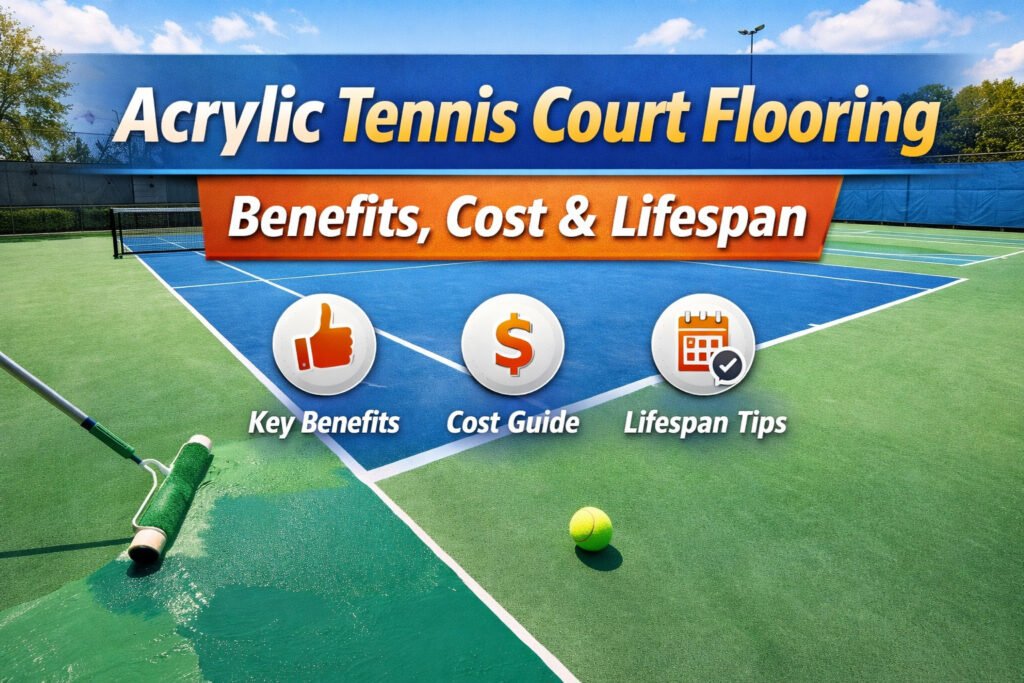
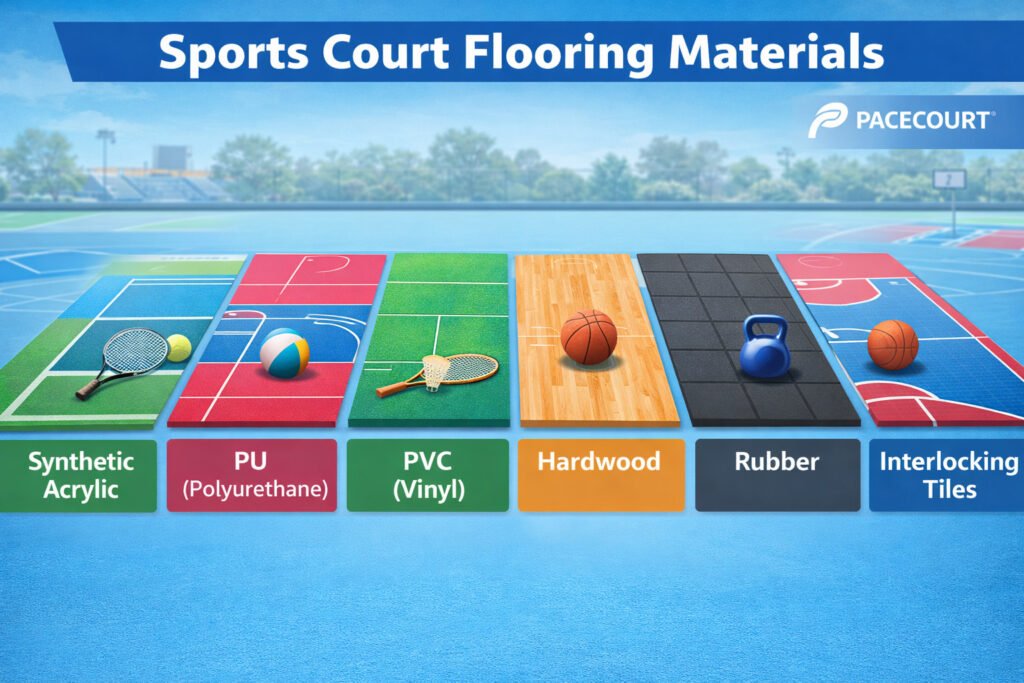
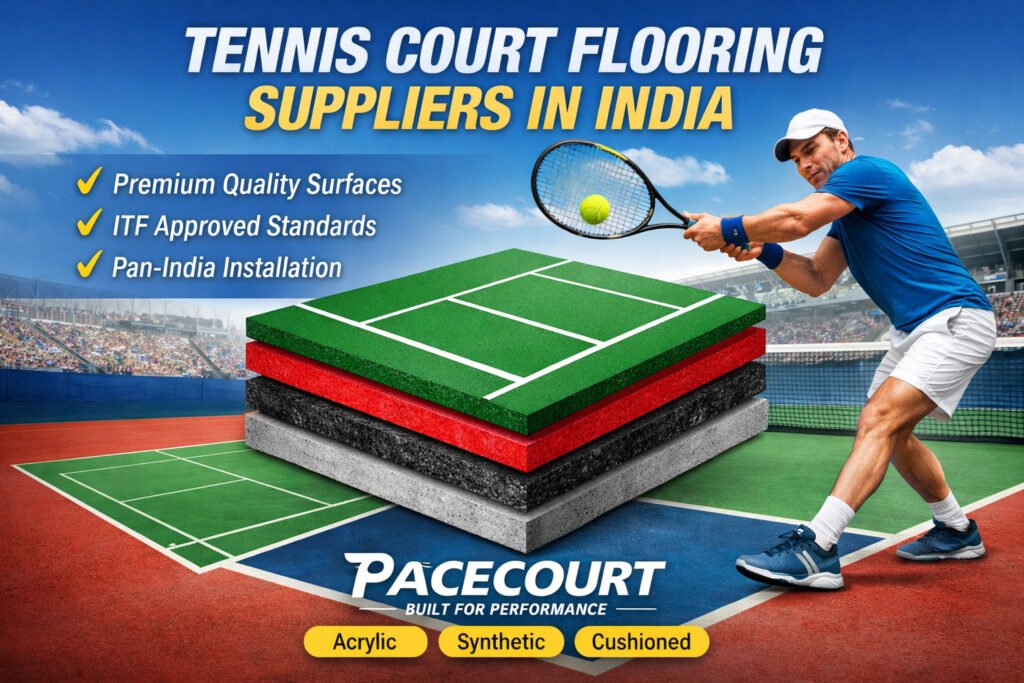
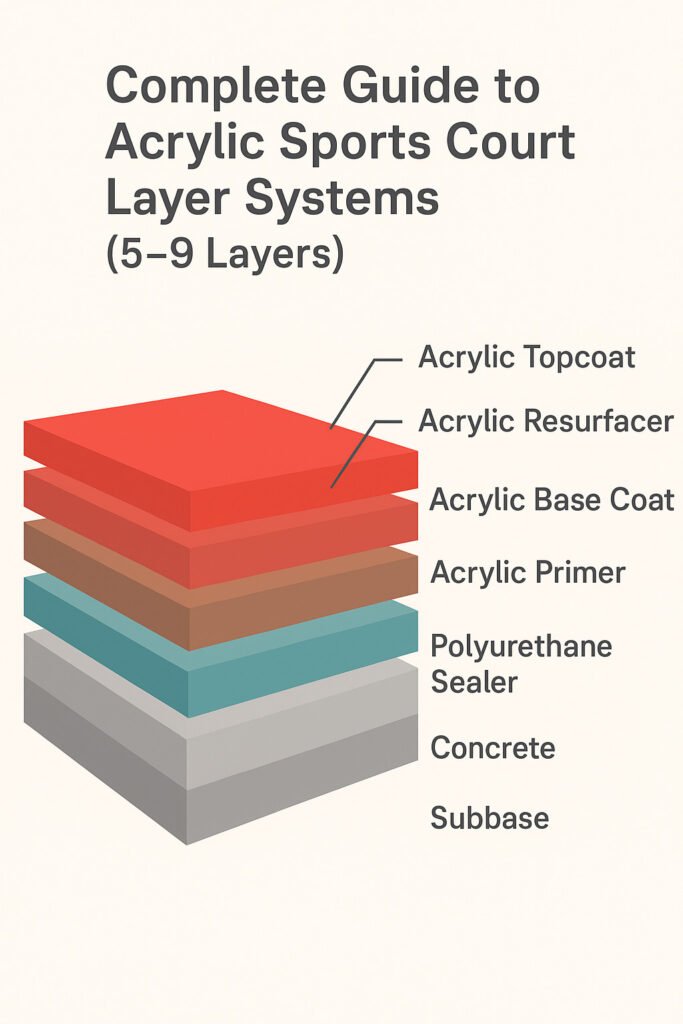
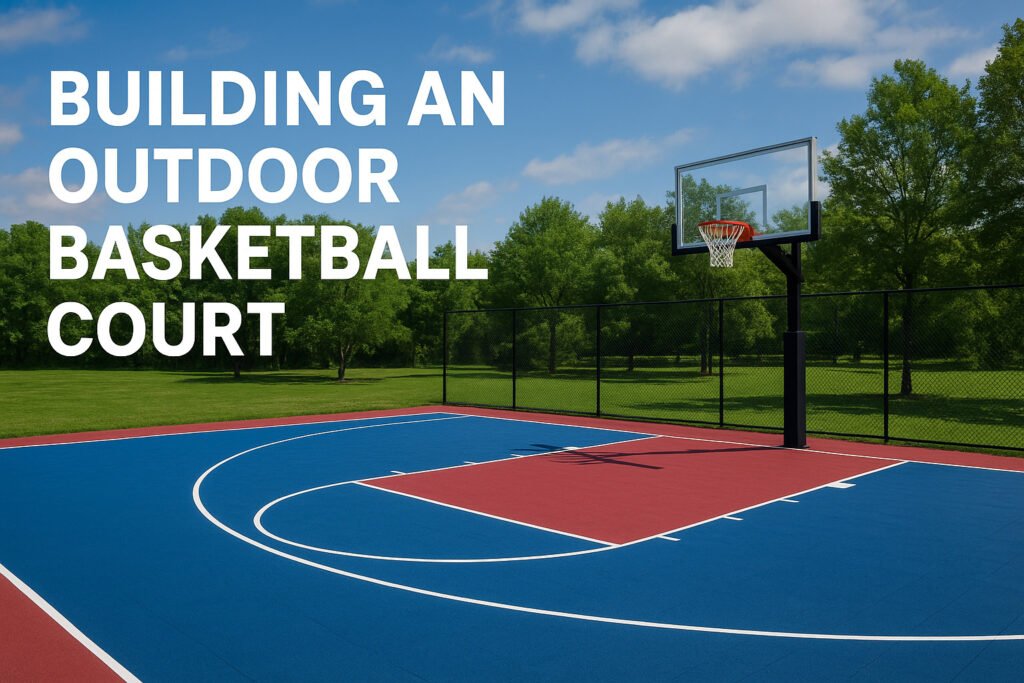
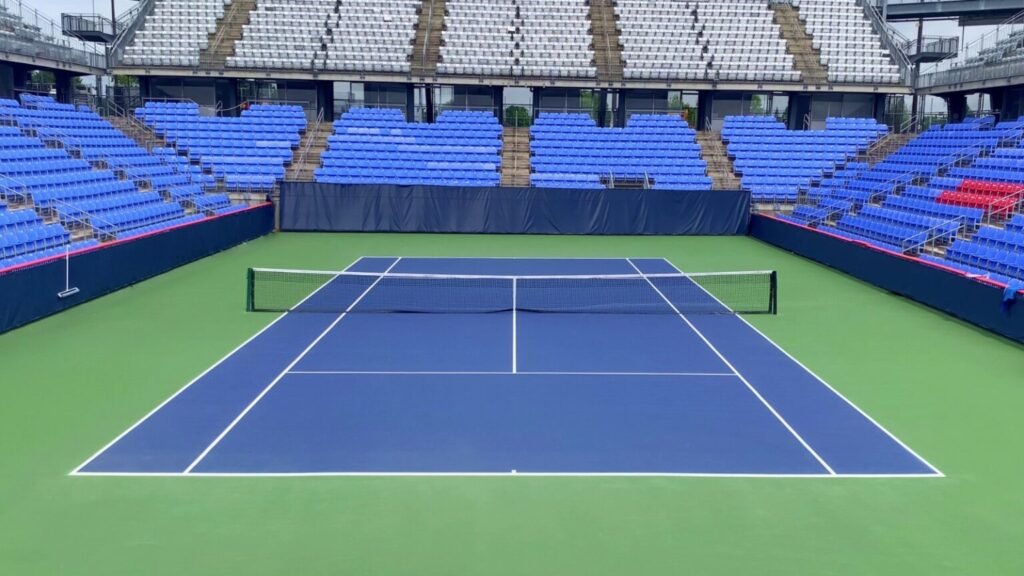
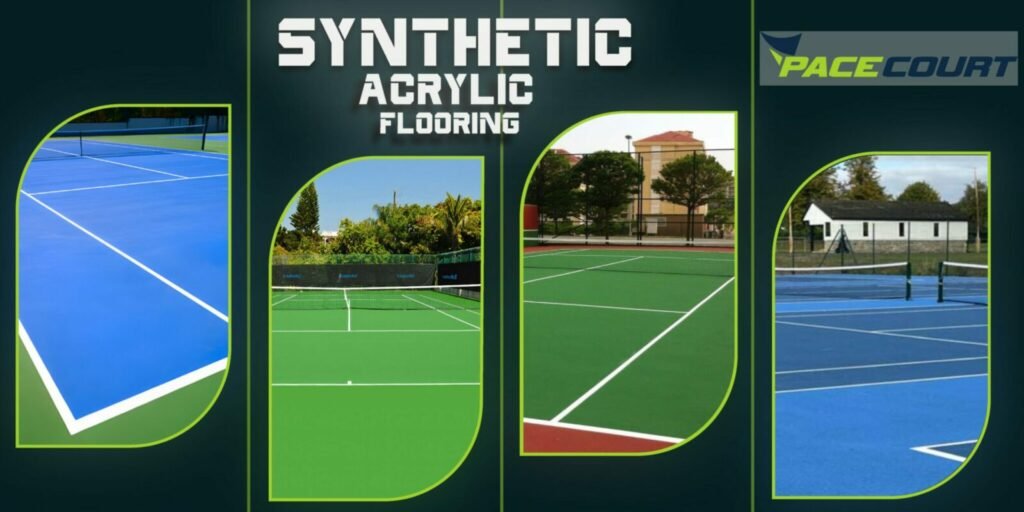
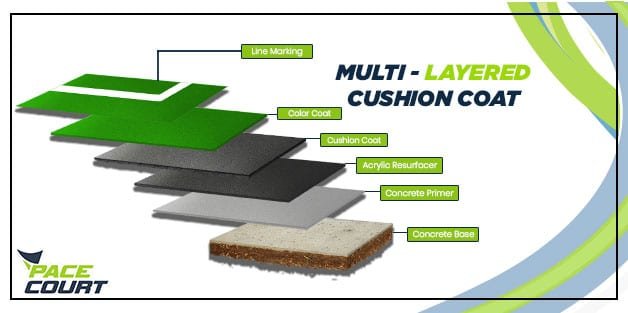
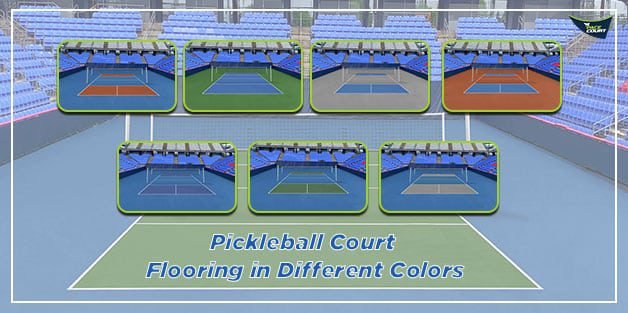
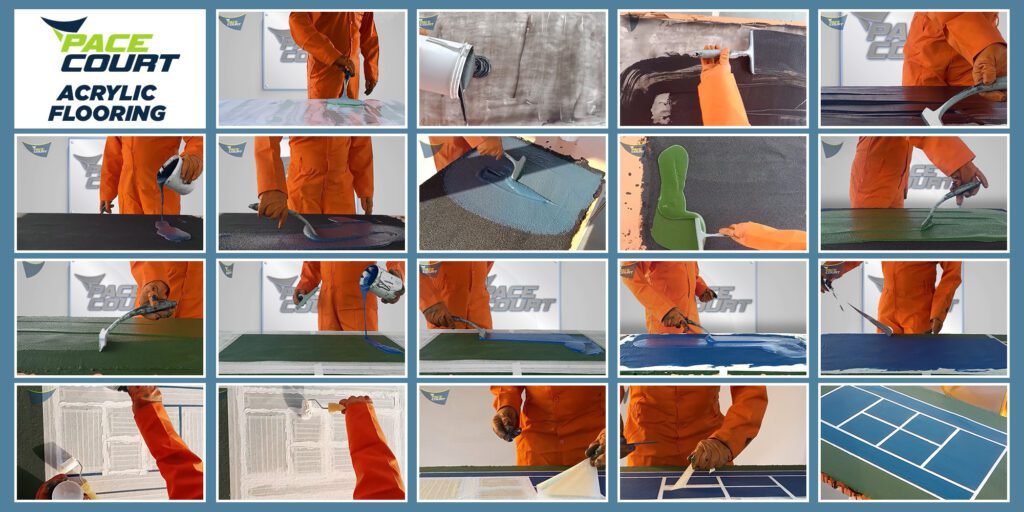
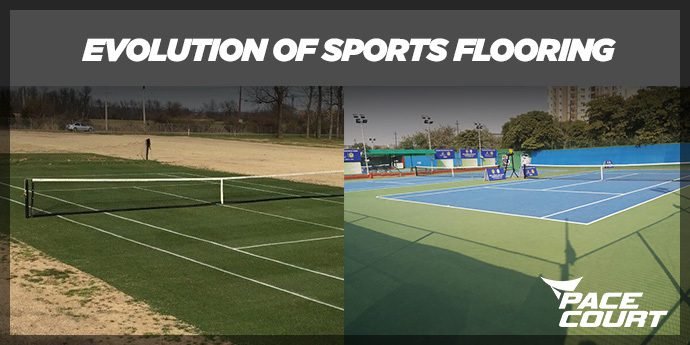
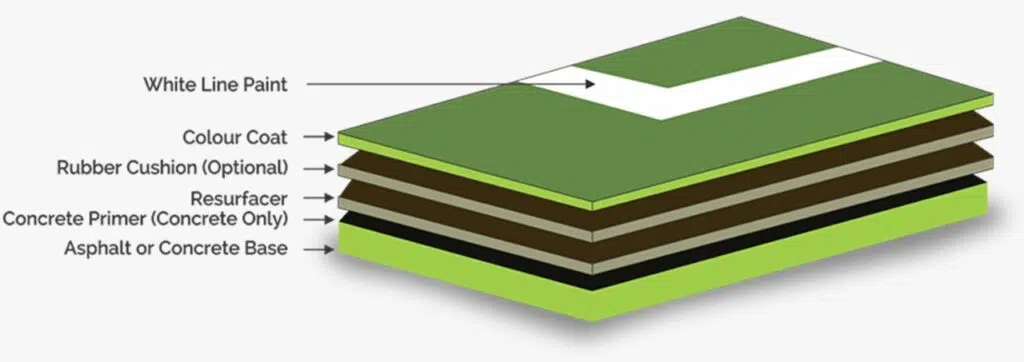
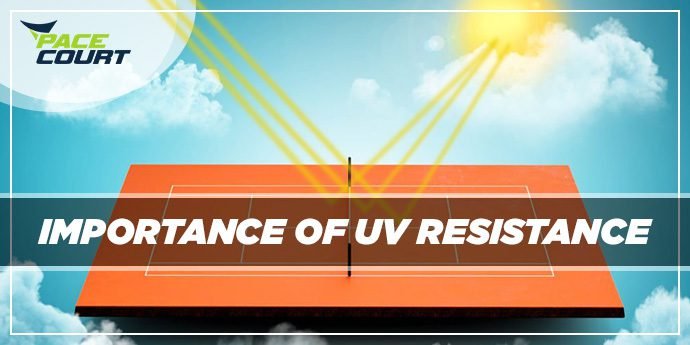
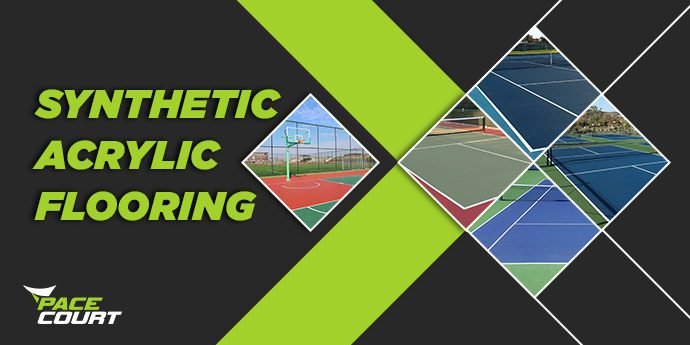
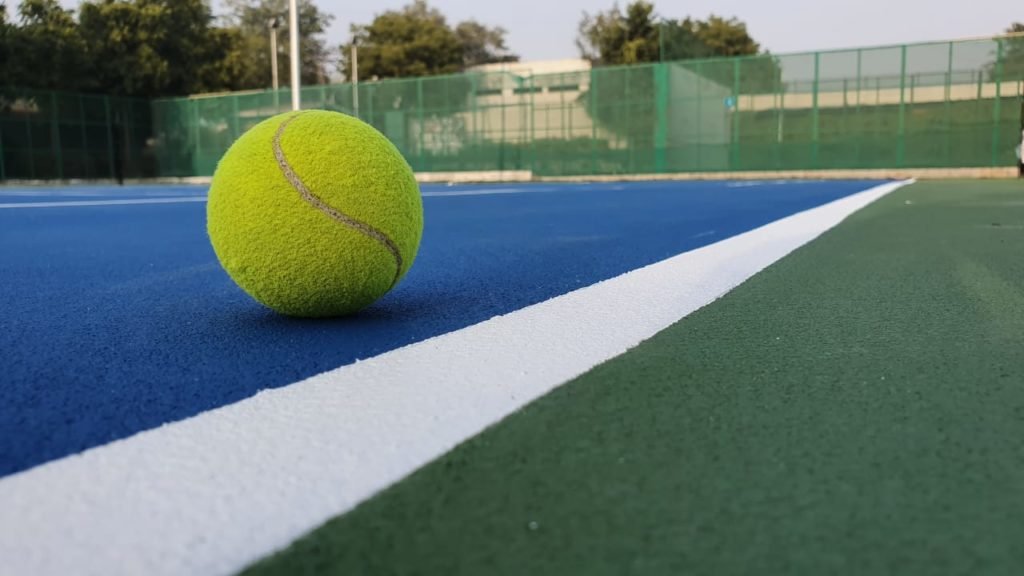
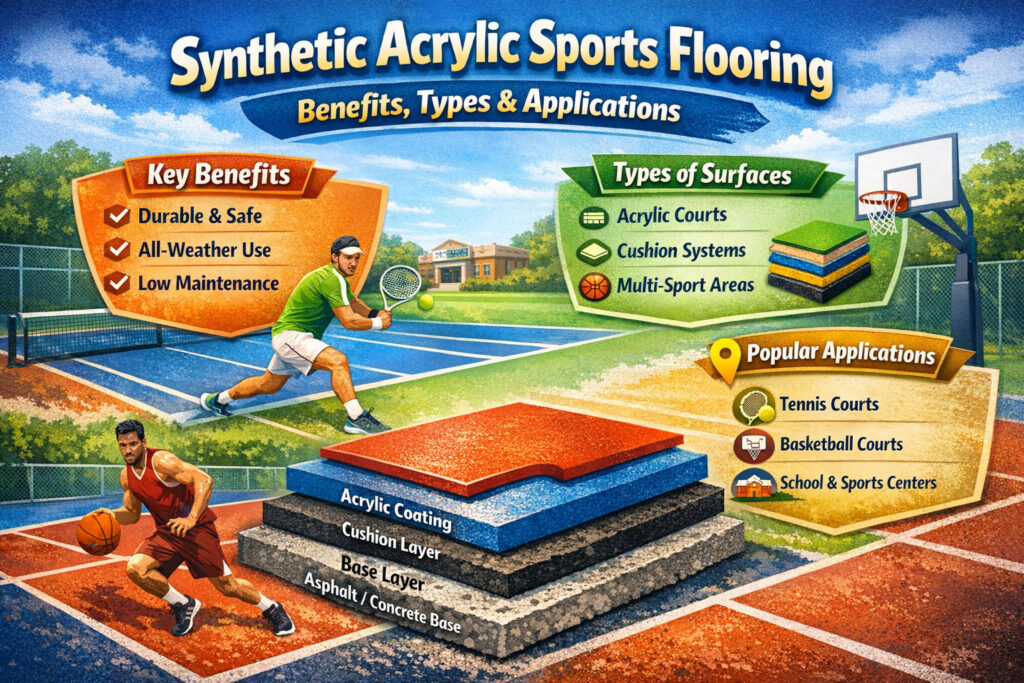
Synthetic acrylic sports flooring is one of those innovations that quietly transformed the way modern sports surfaces are built, yet many people don’t fully realize its impact until they step onto a court that feels “just right.” At its core, this type of flooring is a multi-layered surface system made from acrylic resins, silica sand, and specialized coatings applied over a stable base like asphalt or concrete. The result? A seamless, durable, and performance-driven surface designed to meet the demands of athletes across various sports. What makes synthetic acrylic flooring stand out is its adaptability. Whether it’s a high-intensity tennis match or a casual basketball game in a community park, this surface delivers consistent bounce, grip, and comfort. Unlike traditional surfaces that may crack, warp, or degrade over time, acrylic systems are engineered to maintain their integrity even under heavy use. Think of it like a well-built running shoe—it absorbs impact, provides traction, and supports movement without slowing you down. Another important aspect is customization. Synthetic acrylic flooring can be tailored in terms of color, texture, and cushioning level. This flexibility allows facility owners to design courts that not only meet international standards but also reflect branding or aesthetic preferences. From professional stadiums to school playgrounds, acrylic surfaces are everywhere—and for good reason. In today’s sports infrastructure landscape, where performance and safety go hand in hand, synthetic acrylic flooring has become a go-to solution. It’s not just about creating a playing surface; it’s about enhancing the entire athletic experience, from the first step to the final whistle. Evolution of Sports Flooring Materials If you rewind a few decades, sports flooring looked very different from what we see today. Early courts were often made from natural materials like clay, grass, or untreated wood. While these surfaces had their charm, they came with significant limitations—uneven play, high maintenance, and vulnerability to weather conditions. As sports grew more competitive and global, the demand for reliable, high-performance surfaces became impossible to ignore. This is where synthetic materials began to enter the scene. The introduction of asphalt and concrete courts marked a turning point, offering greater durability and consistency. However, these hard surfaces lacked the flexibility and shock absorption needed to protect athletes from injuries. That gap led to the development of advanced coatings, eventually giving rise to synthetic acrylic systems. By the late 20th century, acrylic sports flooring had started gaining traction, especially in tennis. Major tournaments began adopting acrylic surfaces because they provided predictable ball bounce and could be customized for speed. Over time, technological advancements improved the formulation of acrylic resins, making them more resistant to UV rays, temperature fluctuations, and wear. Today, synthetic acrylic flooring represents the perfect blend of science and sport. It incorporates decades of research, athlete feedback, and material innovation. Modern systems are not only more durable but also environmentally conscious, with many manufacturers focusing on low-VOC formulations and sustainable practices. The journey from grass courts to high-tech acrylic surfaces is a testament to how far sports infrastructure has come. And as technology continues to evolve, one thing is clear—synthetic acrylic flooring is here to stay, constantly adapting to meet the ever-changing demands of athletes and facility owners alike. Key Features of Synthetic Acrylic Sports Flooring Durability and Longevity Durability isn’t just a nice-to-have feature in sports flooring—it’s a necessity. Synthetic acrylic sports flooring excels in this area, making it one of the most reliable choices for both indoor and outdoor applications. Imagine a surface that can withstand thousands of footfalls, intense gameplay, and varying weather conditions without losing its structural integrity. That’s exactly what acrylic flooring offers. The secret lies in its layered construction. Each layer, from the base coat to the top finish, is designed to handle specific stresses. The inclusion of silica sand enhances abrasion resistance, while the acrylic binders ensure flexibility and adhesion. This combination creates a surface that resists cracking, peeling, and fading over time. From a financial perspective, this longevity translates into significant savings. While the initial installation cost might seem higher compared to basic concrete or asphalt surfaces, the reduced need for repairs and replacements makes acrylic flooring a cost-effective solution in the long run. According to industry estimates, well-maintained acrylic courts can last anywhere from 8 to 15 years before requiring major resurfacing. Another factor contributing to durability is resistance to environmental factors. Whether it’s scorching heat, heavy rainfall, or freezing temperatures, synthetic acrylic surfaces maintain their performance characteristics. This resilience makes them ideal for regions with unpredictable climates. Facility managers often describe acrylic flooring as a “set it and forget it” solution—not because it requires no maintenance, but because it doesn’t demand constant attention. With periodic cleaning and minor touch-ups, these surfaces can retain their quality for years. In a world where downtime equals lost revenue and dissatisfied users, durability becomes a competitive advantage. Synthetic acrylic sports flooring delivers that advantage consistently, making it a trusted choice across schools, clubs, and professional arenas. Weather Resistance and UV Stability Outdoor sports surfaces face a relentless enemy: the elements. Sunlight, rain, wind, and temperature fluctuations can wreak havoc on poorly constructed courts. This is where synthetic acrylic sports flooring truly shines, offering exceptional weather resistance and UV stability that keep surfaces looking and performing like new. One of the standout features of acrylic flooring is its ability to resist UV degradation. Prolonged exposure to sunlight can cause many materials to fade, crack, or become brittle. Acrylic coatings, however, are formulated with UV-resistant pigments and stabilizers that protect the surface from these effects. This means vibrant court colors remain intact for years, enhancing both aesthetics and visibility during gameplay. Water resistance is another critical advantage. Acrylic surfaces are non-porous, preventing water from seeping into the underlying layers. This reduces the risk of mold growth, structural damage, and surface warping. After rainfall, these courts dry relatively quickly, minimizing downtime and allowing players to get back into action sooner. Temperature fluctuations can also be a challenge, especially in regions with extreme climates. Synthetic